How to Get More From Your Video Marketing

A finished video is not the end of a marketing campaign. It is the point where you need to put the film to work.
It is easy to spend weeks organising a shoot and reviewing the edit, then give much less thought to where the video will appear. It gets a launch post, perhaps a place on the homepage, and gradually slips out of use.
Before commissioning more content, ask a simpler question: are the right people finding the films you already have, and do those films help them take the next step?
Getting more from video marketing means thinking about the whole journey, from the question a customer needs answered to what happens after they watch. Here is how to make that practical.
Start with something your customer needs to know
"We need to do more video" is a production request, not yet a reason for someone to watch.
Look at the questions your team answers in enquiries, meetings and sales calls. What do people misunderstand about the service? Which product features are difficult to explain? What makes someone hesitate before booking?
Those questions give you more useful starting points than trying to fit your entire business into one film.
For example, consider these possible briefs:
| What the customer is thinking | A useful video to consider | A relevant next step |
|---|---|---|
| "I cannot picture how this works." | A demonstration showing the product or process clearly. | View the specification or arrange a demonstration. |
| "Would this suit a business like ours?" | A customer story explaining a recognisable situation. | Read the full case study or discuss a similar project. |
| "What actually happens after I book?" | A short explanation of the service and what the customer needs to prepare. | Check the details and make an enquiry. |
| "What would it be like to visit?" | A film showing the place, people and experience. | View availability or plan a visit. |
A product demonstration and a customer testimonial serve different purposes. Choose the format around the uncertainty you need to resolve, rather than whichever style you saw most recently on social media.
Put the audience, main question and intended action into your video production brief. You can then judge creative ideas against something more useful than whether everyone in the office likes them.
Plan the places it will appear before filming
Decide how you will use the content while there is still time to capture the right material.
You might need a main website film, a short introduction for LinkedIn, a vertical product demonstration and an answer your sales team can send after a meeting. That is a specific set of deliverables. "A video and some social clips" leaves much more room for assumptions.
Different uses can require different framing, openings, graphics and calls to action. A wide shot of two people demonstrating a product may lose essential detail when cropped vertically. A short interview extract needs enough context to make sense without the preceding conversation.
This is part of pre-production, not merely a choice of export settings at the end. Discuss the versions before filming, then agree which are included in the quote.
Keep the plan realistic. There is little value in paying for twelve edits when your team only has a clear use for three. Leave room in the budget for publishing, promotion where appropriate, and reviewing what happened afterwards.

More content from a shoot, without making every clip the same
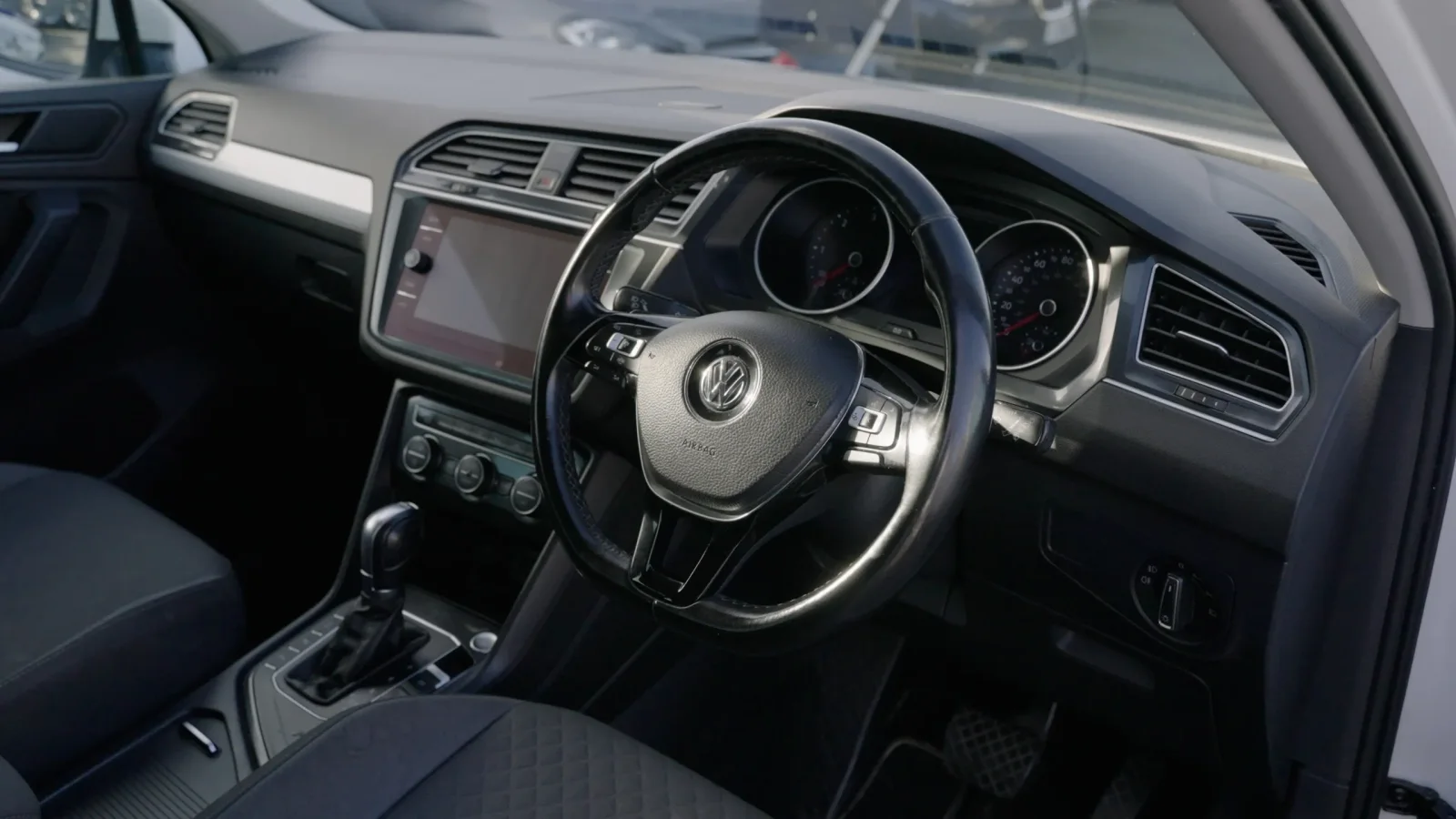
Our Target Car Supermarket project produced seven finished social videos from one four-hour filming session. The brief was a collection of vehicle films with a consistent identity, rather than one long film that would later be divided arbitrarily.
That distinction matters. Each piece needs its own subject and a reason to exist. Consistent branding can connect a series without making the message identical every time.
The filming session provided the material; the seven finished videos still needed individual editing, narration and graphics. Sharing a shoot does not make every additional deliverable free. Account for that post-production work when comparing proposals.
A content library can also develop over several productions. Our Social Shakes collaboration included a general promotional film, Halloween content, short product videos and extensive product photography across multiple shoots. The different pieces belonged to the same brand but gave it different things to publish.
For your own business, look for sensible connections. Could a customer interview also answer one common question? Could a product shoot cover a demonstration and a detail that matters when buying? Plan the supporting footage, or B-roll, around those uses.
Preserve the meaning when making shorter edits. Removing the explanation that qualifies a customer's claim can turn an accurate interview into a misleading extract.


Give the viewer a reason to stay
Watch the opening without the benefit of knowing the brief. Is it clear what the film is about and why someone should care?
For a demonstration, try showing the product doing the thing the customer needs help understanding. For a customer story, consider opening with the problem they faced. A scenic shot or logo animation can have a place, but question it when it delays the information people came for.
The same applies to the words. Ask someone to explain what they did, what was difficult and what changed, rather than recite that the business is "passionate about excellence". Specific detail gives the film something to say.
There is no useful rule that every marketing video should run for the same number of minutes. Give a detailed explanation the time it needs, then remove material that repeats the point or does not help the viewer. Make a separate short introduction when that has a clear purpose, rather than expecting one edit to suit every situation.
Check the experience on a phone, with and without sound
Can you read the graphics? Is the product detail large enough? Does music compete with speech? Listen through an ordinary speaker as well as headphones; our guide to professional audio for video explains why intelligible dialogue starts during recording.
Provide accurate captions for spoken content and meaningful sounds. They support people who are deaf or hard of hearing, as well as people watching without audio. Check automatically generated captions, particularly names, technical terms and numbers, and keep them clear of important visual information.
Do the check on the actual published version too. A file that looks right in an editing window still needs to work inside the player or feed where people will see it.
Publishing needs more than a launch post
Give each film somewhere useful to live beyond the day it is announced.
A demonstration can sit beside the product it explains. A customer case study can support the relevant service page. An answer to a common question can become something your team sends when that question comes up.
For an email campaign, a clear thumbnail linked to a viewing page is a straightforward option. Tell the reader what they will learn rather than simply announcing that you have made a new video.
Check the destination as carefully as the film. When a video invites someone to explore a particular service, send them to that service, not a homepage where they have to start searching again. Make the next step visible on the page as well as in the edit, and test it on mobile.
If paid promotion is part of the plan, agree its budget, audience, destination and measure of success separately from the production quote. Paying for a film does not automatically include an advertising campaign.
Finally, name the person responsible for publishing, adding the supporting copy, checking links and responding to enquiries. Put those tasks in the diary alongside the filming date. A finished folder of files needs an owner.
Make the subject clear in search
Use a specific title and an accurate thumbnail. "How our equipment collection service works" tells an unfamiliar viewer more than "Our latest company video".
Write a description that explains the content and provides a relevant next step. On YouTube, the title, thumbnail and description matter more for discovery than tags; tags have a limited role beyond uses such as common misspellings. Do not treat a long keyword list as a substitute for explaining the video properly.
On your website, place the film alongside useful, relevant information. For videos you specifically want eligible for Google's video search features, ask your website team whether a dedicated viewing page is appropriate. Google distinguishes a page primarily for watching one video from a service or product page where video is supplementary. Embedding a film is not a guarantee of video indexing or better rankings.
Measure what happened, not just how many people pressed play
Choose the evidence that would help you judge the original brief.
For a film intended to generate enquiries, record relevant enquiries and their quality, not just the view count. For an event promotion, look at registrations. For a product explanation, consider requests for a demonstration and the questions customers still ask after watching.
Viewing data is useful, but it answers a different question from sales data.
Where available, audience-retention reports show which parts people watch, skip or leave. A drop near the start is a reason to investigate the opening and the match between the title and content, not automatic proof that the whole film is too long. YouTube's retention report can help you identify those moments.
Use tagged campaign links from emails, social posts or adverts to distinguish the traffic they send to your website. With an appropriate analytics setup, UTM parameters identify the referring campaign. They do not prove that watching the video caused a purchase.
Ask your website or marketing team to check the tracking before launch, including whether enquiry submissions are recorded correctly. Treat the reports as evidence rather than a complete account of every customer's journey, and ask new customers what helped them decide.
When reviewing a result, look for where the difficulty appears to be. Few plays might prompt a closer look at placement, title or thumbnail. Plenty of viewing but few relevant enquiries might justify reviewing the audience, offer, destination page or requested next step. These are questions to investigate, not diagnoses from a single number.
Test one meaningful change at a time where practical, and compare like with like. Be cautious about conclusions from a handful of visits or from posts shown to very different audiences. Use what you learn to improve the next version, not simply to justify making more videos.
Before booking another shoot, review what you already own
Choose one existing film and watch it as a prospective customer would. Is it still accurate? Is it on the right page? Does the opening explain its subject? Is there a useful next step?
The answer might be a revised introduction, an updated end frame, better captions or a focused extract. It might also be that the footage no longer represents the business and needs replacing. Confirm access to the source material and the agreed permissions and licences before planning a new use.
Keep usable content organised by subject, format and approved use. Note time-sensitive claims or offers so an old version does not reappear by accident.
For future work, compare the cost of the complete set of useful outputs, not just the filming day. Our guide to video production costs explains how planning, filming, editing and additional versions affect the scope.
Whether you need a corporate film or a broader promotional video campaign, bring the intended uses into the first conversation.
Tell us what the video needs to help your business do. Include where it will appear and any existing footage you hope to use, so we can discuss a production plan around the content you actually need.