
Golden Hour Photography: Why Photographers Obsess Over It (and When Golden Hour Actually Is)
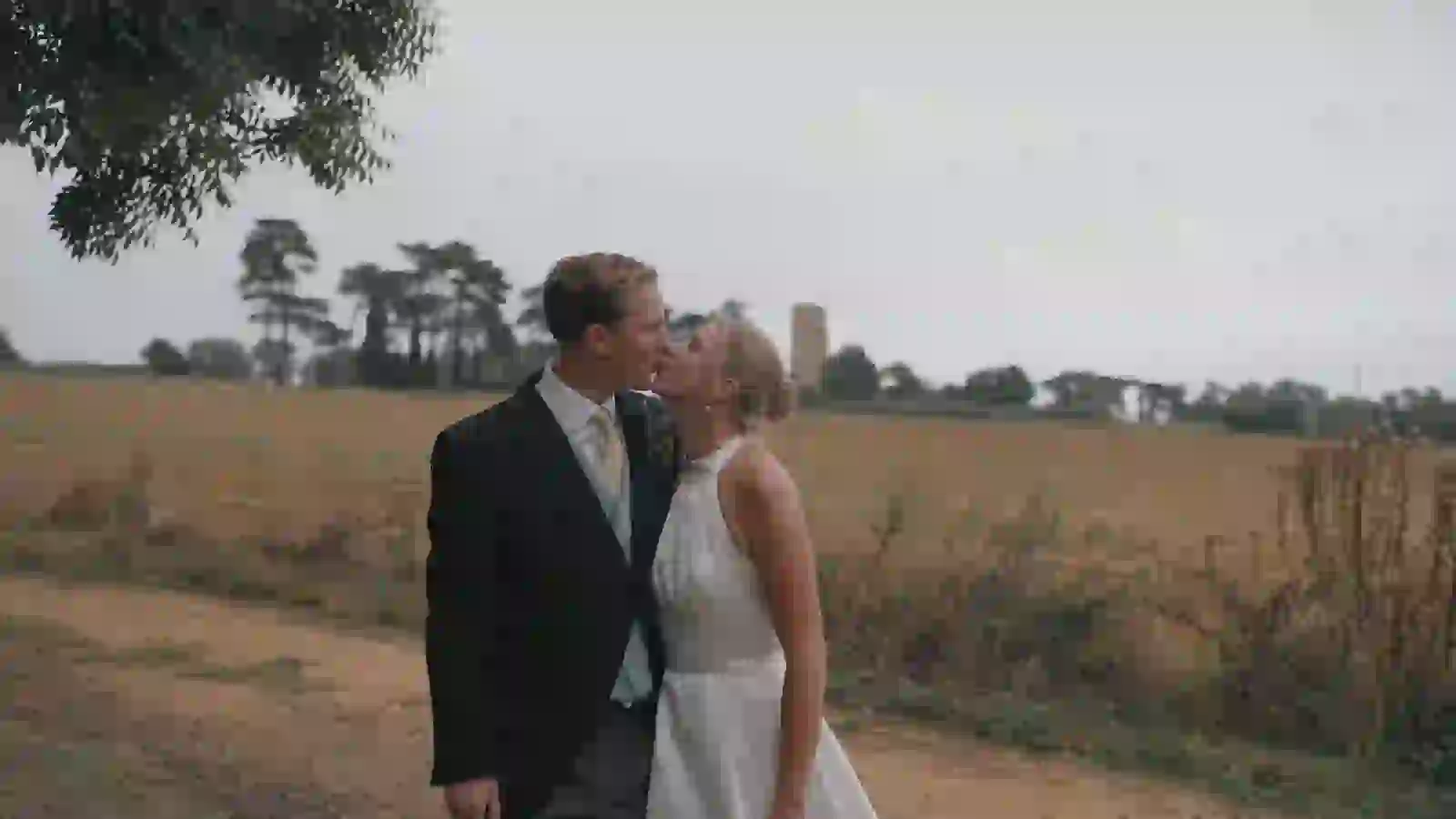
Golden hour photography means shooting in the short window after sunrise and before sunset, when the sun is low in the sky and the light turns soft, warm and directional. In the UK the evening golden hour usually starts roughly an hour before sunset and runs until just after it, so it falls around 20:30 in late June but before 16:00 in December. Photographers plan around it because it flatters faces, landscapes and buildings in a way midday sun never does.
Here’s what golden hour actually is, how to work out when it happens where you are, and how to make the most of it, whether you’re holding a phone or planning wedding portraits.
What does golden hour mean?
Golden hour isn’t an official astronomical term, so you’ll see slightly different definitions. Most photography tools describe it by the sun’s height rather than the clock: it runs from when the sun is about 6° above the horizon until it’s a few degrees below it. Timeanddate, for example, uses 6° above to 6° below, while the calculator at sunrisesunset.io uses 6° above to 4° below.
When the sun is that low, three things happen at once:
- The light is warmer. Sunlight passes through more atmosphere, which scatters away more of the blue and leaves more of the orange and red.
- The light is softer. It’s less intense, so shadows are gentler and highlights are less likely to burn out.
- The light comes from the side. Low sun rakes across faces, textures and landscapes, creating shape and long shadows instead of flat, top-down light.
Despite the name, it’s rarely exactly an hour. The length depends on where you are and the time of year.
When is golden hour in the UK?
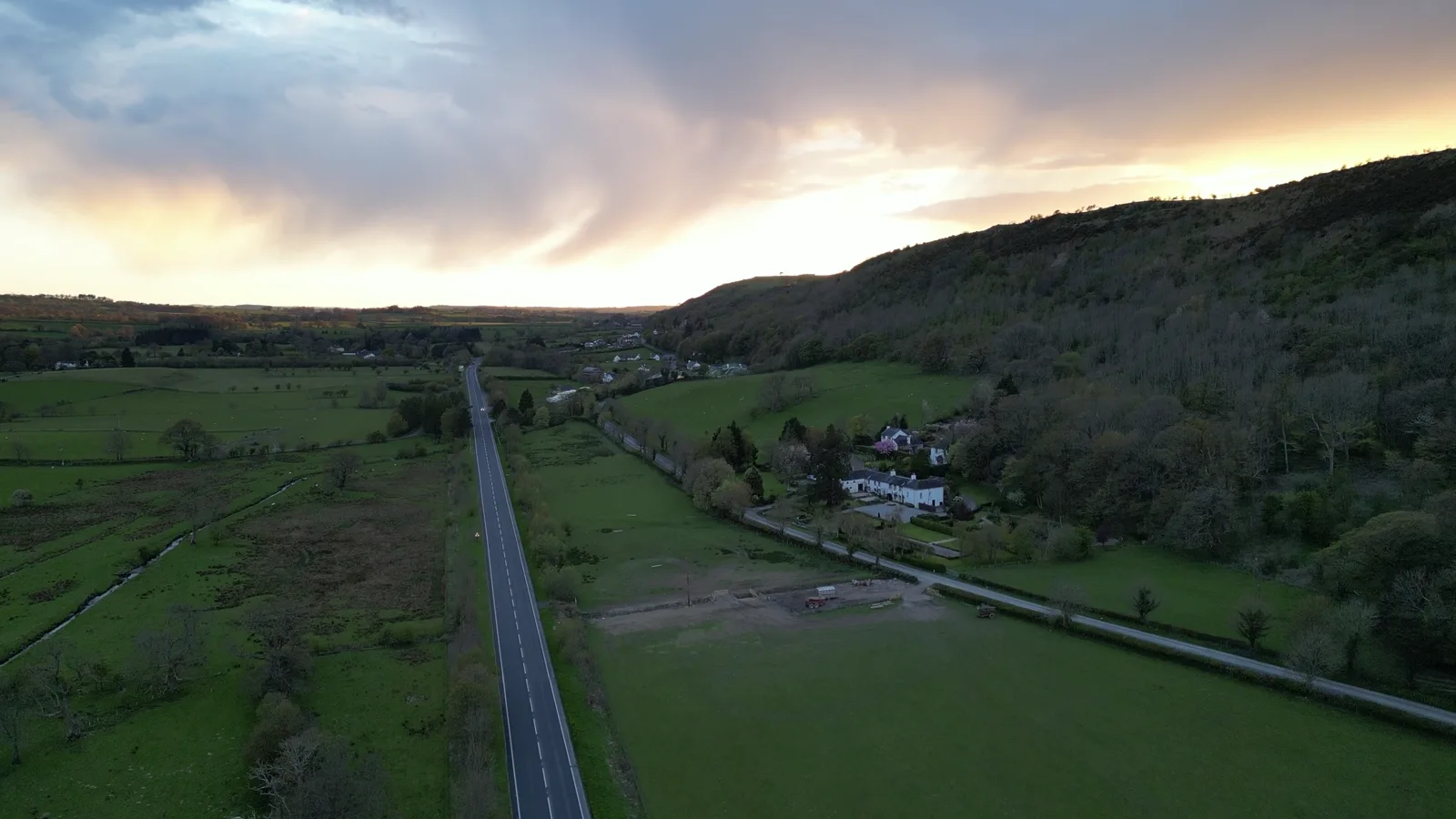
The UK is far enough north that the sun meets the horizon at a shallow angle, so our golden hours are longer than in places nearer the equator, and longer in winter than in spring and autumn. According to sunrisesunset.io, London’s evening golden hour runs from roughly 64 to 87 minutes depending on the season.
To give you a feel for how much it moves, here are approximate times we calculated for Sudbury, Suffolk (sun from 6° above to 4° below the horizon, UK clock time). Places further west and north will be a little later.
| Date | Sunrise | Morning golden hour | Sunset | Evening golden hour |
|---|---|---|---|---|
| 21 March | 05:57 | 05:36 to 06:41 | 18:11 | 17:28 to 18:33 |
| 21 June | 04:37 | 04:06 to 05:30 | 21:20 | 20:27 to 21:50 |
| 21 September | 06:41 | 06:20 to 07:24 | 18:57 | 18:14 to 19:19 |
| 26 October | 06:41 | 06:18 to 07:28 | 16:39 | 15:52 to 17:02 |
| 21 December | 08:03 | 07:36 to 09:04 | 15:46 | 14:45 to 16:13 |
For your exact location and date, use a sun calculator such as timeanddate.com or sunrisesunset.io, or a planning app like PhotoPills, which also shows the direction the sun will set in. Direction matters as much as time: a beautiful sunset is no use if a hill, a hedge or the venue itself blocks it.
Don’t forget the weather
Golden hour needs a clear patch of sky near the horizon. A thick band of cloud in the west can kill the evening light even on a sunny day, while broken cloud often gives the best results of all, lit orange and pink from underneath. Check the cloud forecast, not just the rain forecast.
Why photographers obsess over golden hour
It’s not just that it looks pretty. Golden hour solves several practical problems that make midday photos hard:
- No squinting. With the sun low and soft, people can look towards it, or you can put it behind them so they don’t have to.
- Flattering skin. Warm, soft light hides blemishes and tiredness, and adds a healthy glow.
- Rim light and glow. Backlighting a subject puts a bright outline around hair and shoulders and separates them from the background.
- Depth. Side light and long shadows give landscapes and buildings shape and texture.
- Atmosphere. Haze, dust and flare in low sun make photos feel warm and cinematic.
Midday sun, by contrast, puts hard shadows under eyes, noses and chins and flattens landscapes. That’s why so many photographers and filmmakers schedule portraits, property exteriors and landscapes around the start and end of the day.
How to shoot golden hour photography
Choose your angle to the sun
- Backlit: the sun behind your subject for glowing hair and a soft, dreamy look. Expose for the face, and accept that the sky may brighten.
- Side lit: the sun to one side for shape, texture and drama.
- Front lit: the sun behind you for rich, saturated colour. Low sun is gentle enough that this works well, unlike at midday.
Camera settings that help
- White balance: auto white balance often “corrects” the warmth away. Try the daylight or cloudy preset to keep the glow, or shoot RAW and adjust later.
- Exposure: backlit scenes fool the meter. Use exposure compensation, spot metering on the face, or tap the face on your phone to set exposure.
- Shutter speed: the light fades quickly near sunset. Keep an eye on shutter speed and raise the ISO before photos start to blur.
- Flare: a little flare looks lovely; too much washes out the image. Move a step, use a lens hood or block the sun with your hand to control it.
On a phone
Phones handle golden hour well. Tap to focus on your subject, then slide the exposure down slightly to keep the sky’s colour. Turn off any filter, and avoid zooming digitally in fading light, as it adds noise.
Work fast
The best light can last only a few minutes, especially just before the sun drops behind trees or buildings. Scout the spot earlier, know your poses or shots, and be in position before the light arrives.

What about blue hour?
Blue hour follows the evening golden hour and comes just before the morning one, when the sun is a few degrees below the horizon. The sky turns deep blue, and artificial lights such as street lamps, windows and festoon lights start to glow against it. It’s much shorter than golden hour, often only 10 to 20 minutes in the UK, so be ready. It’s a favourite for cityscapes, property exteriors with the lights on, and evening wedding portraits under festoon lights.
Golden hour photography at weddings
Golden hour is the reason many wedding photographers ask couples to slip away for 15 to 20 minutes during the evening. The catch is that in the UK its timing swings wildly through the year:
- Summer weddings: golden hour usually falls after the meal and speeches, often during the evening party, so it’s easy to sneak out.
- Spring and autumn weddings: it may land during the drinks reception or the meal, so plan your timeline around it.
- Winter weddings: it can come in the early afternoon, sometimes straight after the ceremony, so couple portraits may need to happen first.
Always have a plan B. If the sky clouds over, a good photographer will use doorways, windows and off-camera light instead. We look at whether it’s worth reshaping your day around the light in golden hour wedding photos: are they worth planning around? and how long to set aside in how much time you should allow for couple portraits.
Wedding and portrait photography from The Camera Guys
We’re a photography and video team based in Sudbury and Colchester, covering weddings and portraits across Suffolk, Essex and the surrounding counties. We check sunset times and light direction at your venue as part of planning, so your timeline makes room for the best light rather than leaving it to chance. See our wedding photography and films, or read how to choose a wedding photographer if you’re still comparing.
For current rates see our pricing page, or get in touch with your date and venue.
Frequently asked questions
How long does golden hour last?
It varies with location and season. In the UK the evening golden hour typically lasts a little over an hour, and longest around midwinter. Near the equator it is much shorter, often under 45 minutes.
Is golden hour before or after sunset?
Both, depending on the definition. Most of the evening golden hour comes before sunset, while the sun is still low in the sky, and many calculators extend it a little after sunset, until the sun is a few degrees below the horizon.
Is there a golden hour in the morning?
Yes. The morning golden hour starts just before sunrise and runs until the sun is about 6° high. It’s often quieter and calmer, with mist over fields in autumn and spring, but it means a very early start in summer.
Can you get golden hour light on a cloudy day?
Sometimes. Thick, even cloud usually blocks it, but a gap near the horizon can let warm light through under the clouds, which is often spectacular. Check a cloud forecast and look at the sky in the direction of the sunset.
What is the best time for golden hour photos in winter?
In December the sun sets before 16:00 in much of England, so evening golden hour starts in the early-to-mid afternoon. The sun also stays low all day in winter, so the light can be soft and warm for much longer than in summer.