
How to Choose a Wedding Venue (What Your Photographer Wishes You’d Checked First)

If you’re working out how to choose a wedding venue, start with three things: your guest numbers, your budget and the date you want. Then look past the brochure and check the things that shape the day itself: where the ceremony can legally happen, what the light is like, what happens if it rains, and how easily people (and suppliers) can move around. Those last few are the details photographers notice the moment we walk in, and the ones couples often only think about a week before.
This guide walks through the big decisions first, then the practical checks that make the difference between a venue that looks lovely and one that works beautifully on the day.
How to choose a wedding venue: start with the fixed decisions
Before you visit anywhere, agree on these as a couple. They’ll rule out most venues straight away and save you weekends of viewings.
- Guest numbers. A rough day count and evening count. A room that seats 120 feels empty with 50 and cramped with 150.
- Total budget. Decide what share of it the venue can take, and remember to ask what’s included (catering, staffing, furniture, accommodation).
- Season and date range. Popular Saturdays at popular venues can go a long way in advance. Being flexible on the day of the week or month opens up far more options.
- Ceremony and reception in one place, or two? One venue keeps the day simple. Two venues (such as a church, then a reception venue) need travel time built in.
- Location. Think about where most guests are travelling from, and whether there’s somewhere for them to stay nearby.
Check where you can legally get married
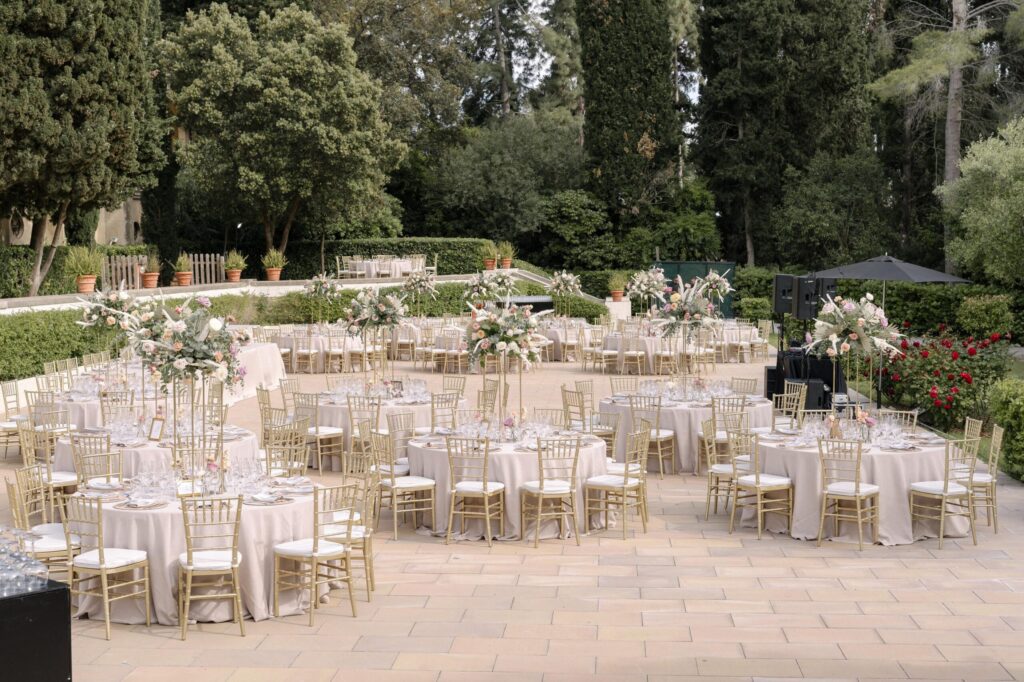
In England and Wales, a civil wedding or civil partnership has to take place at a register office or at a venue licensed as “approved premises”. Since April 2022, approved venues have been allowed to hold civil ceremonies in their outdoor grounds, but only if the venue has chosen to offer it and meets the conditions. Religious marriages in places of worship and civil marriages at register offices still can’t move outdoors.
So if you’ve fallen for an orchard, a lawn or a lakeside, ask the venue directly:
- Is the venue approved for civil ceremonies?
- Which rooms or outdoor spots are approved?
- What’s the wet-weather alternative for an outdoor ceremony, and is that space approved too?
There’s no official list of venues that offer outdoor ceremonies, so asking is the only reliable way to find out. Your local council can also tell you which venues near you are approved. It’s worth knowing that the government consulted on reforming weddings law in 2026, including moving away from rules based on the building, but nothing had changed in law at the time of writing. Book on the basis of today’s rules. The rules in Scotland and Northern Ireland are different, so check locally if you’re marrying there.
What your photographer wishes you’d checked first
This is the part most venue checklists skip. These details won’t show up in a brochure, but they shape every photo and minute of film from your day.
The light in the ceremony room
Big windows and pale walls make for bright, natural photos. Dark wood panelling and small windows look atmospheric in person but push cameras hard, especially in winter. Ask to see the ceremony room at roughly the time of day your ceremony will be, not at 11am on a bright Tuesday.
The colour of the lighting
Strong coloured uplighting (deep purples, blues, reds) and mixed lighting can make skin tones look odd and is hard to correct afterwards. If the evening room relies on coloured lights, ask whether they can be switched to warm white for the speeches and first dance.
Where the sun sets
Golden-hour portraits are one of the most requested shots, and they depend on open space facing the right way. Ask the venue which part of the grounds catches the evening sun, and look up the sunset time for your date. In midwinter it’s before 4pm across much of the UK, so outdoor portraits have to happen straight after the ceremony. We’ve written more on whether golden-hour wedding photos are worth planning around.
A good plan for rain
In the UK, a wet-weather plan isn’t optional. Ask where drinks, group photos and portraits would happen if it pours. A covered terrace, a barn with big doors or a characterful indoor corridor can save the day. Our guide to what happens if it rains on your wedding day covers the options.
Space for group photos
Large group shots need a spot where everyone can stand together and the photographer can get a little height, such as steps, a balcony or a first-floor window. Check there’s somewhere suitable both outside and under cover.
Rules for suppliers
Some venues restrict where photographers and videographers can stand during the ceremony, ban flash, limit drones, or have a list of preferred suppliers. None of this is unusual, but you want to know before you book anyone, not after.
Questions to ask on a venue viewing
Take this list with you. The answers are easy to forget once you’re walking round with a glass of fizz.
| Ask about | Why it matters |
|---|---|
| Exclusive use | Will another wedding or event be on the same day? Shared venues can mean shared gardens and photo spots. |
| What’s included in the price | Tables, chairs, linen, staff, cleaning, VAT and service charges can all be extras. |
| Catering and drinks | In-house only, approved caterers or free choice? Is there a corkage charge? |
| Timings and curfew | When can suppliers set up, when does music stop and when must everyone leave? |
| Capacity for day and evening | Including any limit for an outdoor ceremony or marquee. |
| Noise limits | Some venues have sound limiters that cut the power if the band gets too loud. |
| Accessibility | Step-free access, accessible toilets and parking for guests who need them. |
| Accommodation | Rooms on site or nearby, and somewhere to get ready in good light. |
| Supplier rules | Restrictions on photographers, videographers, drones, confetti, candles and decorations. |
| Deposit and cancellation terms | How much is refundable, and what happens if you need to change the date. |
Think about the whole day, not just the room
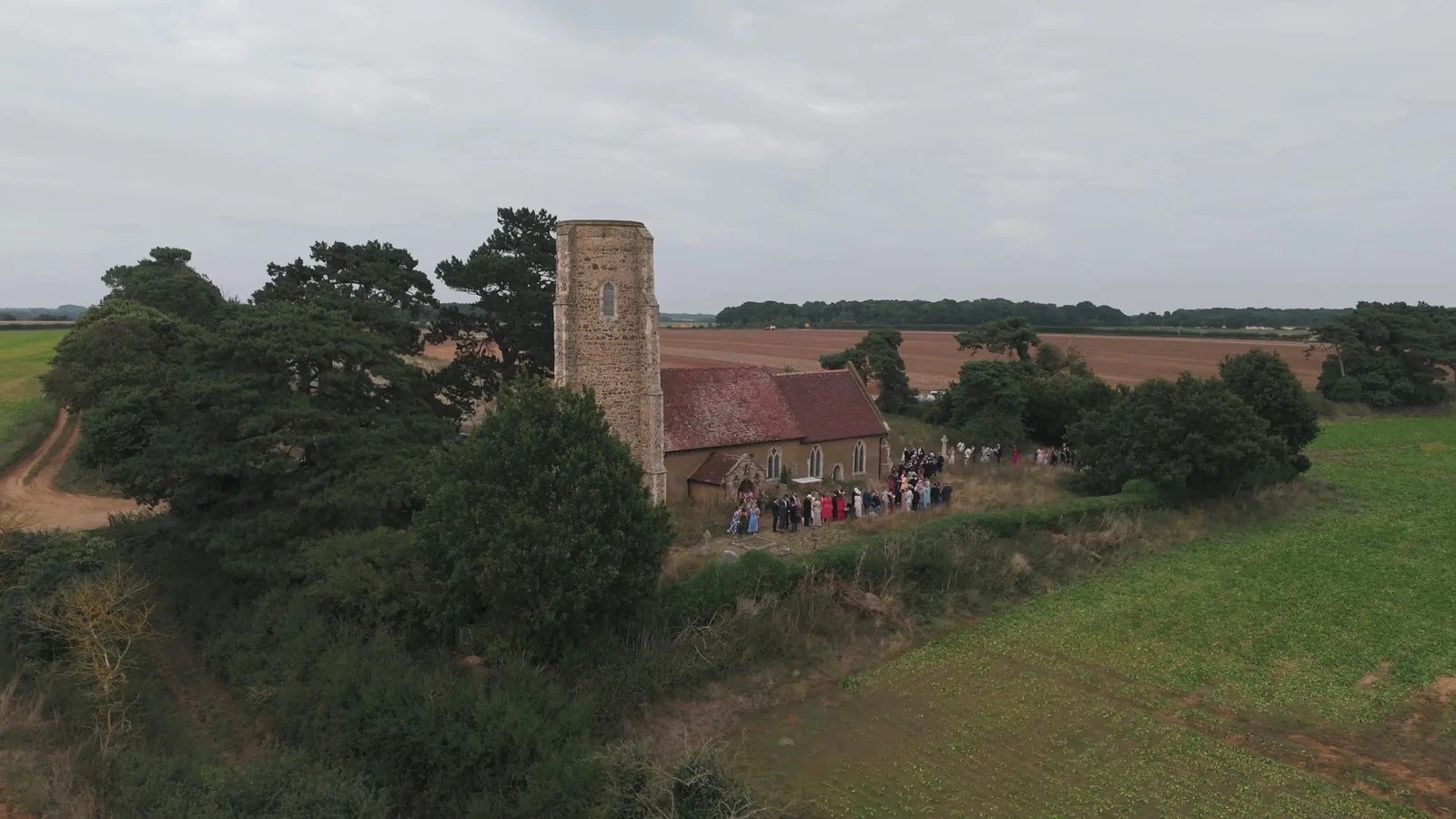
Picture the timeline from arrival to last dance and walk it through at the viewing.
- Getting ready. Is there a bright room with space for hair and make-up, and somewhere tidy for detail shots of the dress, rings and shoes?
- The ceremony. Can guests see you? Is there room for a photographer to move along the side without blocking views?
- The drinks reception. Is it close to the ceremony, or will guests be walked across a car park?
- The room turnaround. If the ceremony room becomes the dining room, where do guests wait while it’s reset?
- The evening. Is there a dance floor with enough ceiling height and space for a band or DJ?
A venue where everything flows from one space to the next gives you more time with guests and more natural, relaxed photos. Long walks between spaces quietly eat into your portrait time. If you’re unsure how much you need, see how much time to allow for couple portraits.
Common mistakes when choosing a wedding venue
- Booking from photos alone. Venue marketing images are taken in perfect light, often with wide lenses. Always visit.
- Viewing in the wrong season. A summer viewing for a December wedding can be misleading. The gardens, the light and even the access can change.
- Forgetting the evening guests. Check the room still works when day and evening guests are both there.
- Not reading the contract. Look closely at minimum spends, final guest numbers deadlines and supplier rules.
- Booking suppliers before the venue. Lock in the venue and date first, then book your photographer and videographer.
Book your photographer once the venue is confirmed
Once your venue and date are secure, your photographer and videographer are usually next on the list. A good one will ask about the venue straight away, because it shapes the shots, the timeline and the kit they bring. We photograph and film weddings across Suffolk, Essex, Norfolk and beyond, and we’re always happy to talk through a venue’s light, layout and wet-weather options.
Have a look at our wedding photography and films, read our guide on how to choose a wedding photographer, and keep our list of questions to ask your wedding photographer before booking handy. When you’re ready, send us your date and venue.
Frequently asked questions
How far in advance should you book a wedding venue?
For popular venues and summer Saturdays, many couples book a year or more ahead. Midweek, Friday, Sunday and off-season dates are usually easier to get at shorter notice.
Can you have an outdoor wedding ceremony in England?
Yes, for civil ceremonies at approved venues that offer it. The ceremony must be in the venue’s grounds, and you’ll need an agreed backup in case of bad weather. Religious ceremonies in places of worship and register office weddings can’t currently be held outdoors.
How many venues should you visit?
There’s no right number, but shortlisting three to five that fit your budget, numbers and date keeps it manageable. Visit your favourite twice if you can, ideally once at the time of day your ceremony will be.
Should you ask your photographer about a venue before booking it?
You can, and a photographer who knows the area may have useful thoughts. Most couples book the venue first, though, because the date and location decide which photographers are available.