
FIELD NOTES / CHARITY VIDEO PRODUCTION
Show what funding
makes possible.
What a Norfolk village hall can teach us about telling a community story on film.
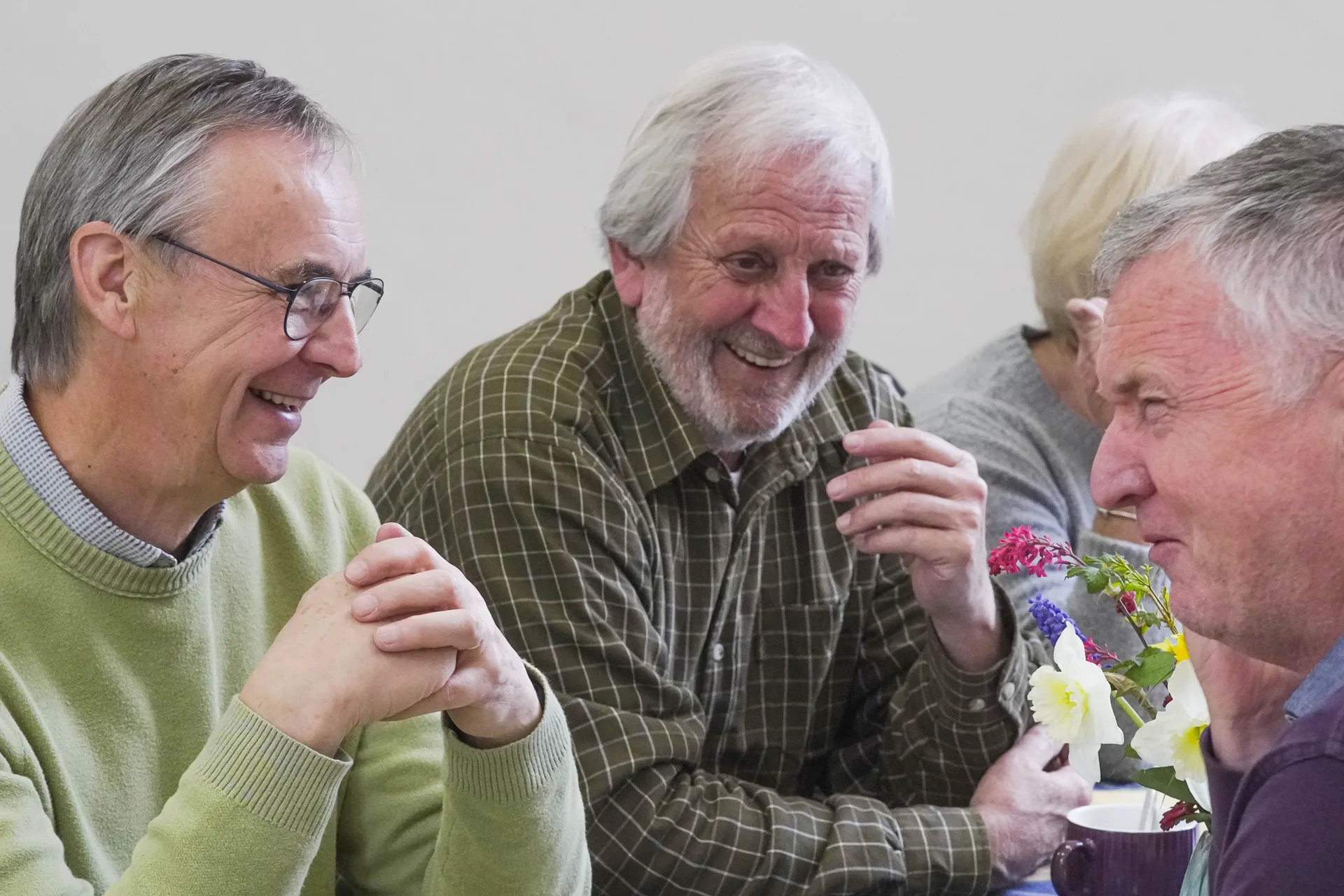
A grant can pay for a better kitchen, a larger room or a more welcoming entrance. Explaining why those changes matter takes us beyond the building itself. For a charity film, the useful question is what people can do together once the doors are open.
That was the purpose behind our Barton Bendish Village Hall commission. The Prince’s Countryside Fund asked The Camera Guys to create a video showing its support for rural projects and the benefits for local people. The resulting collection brings together a main film and five shorter videos, with the village hall and its community at the centre.
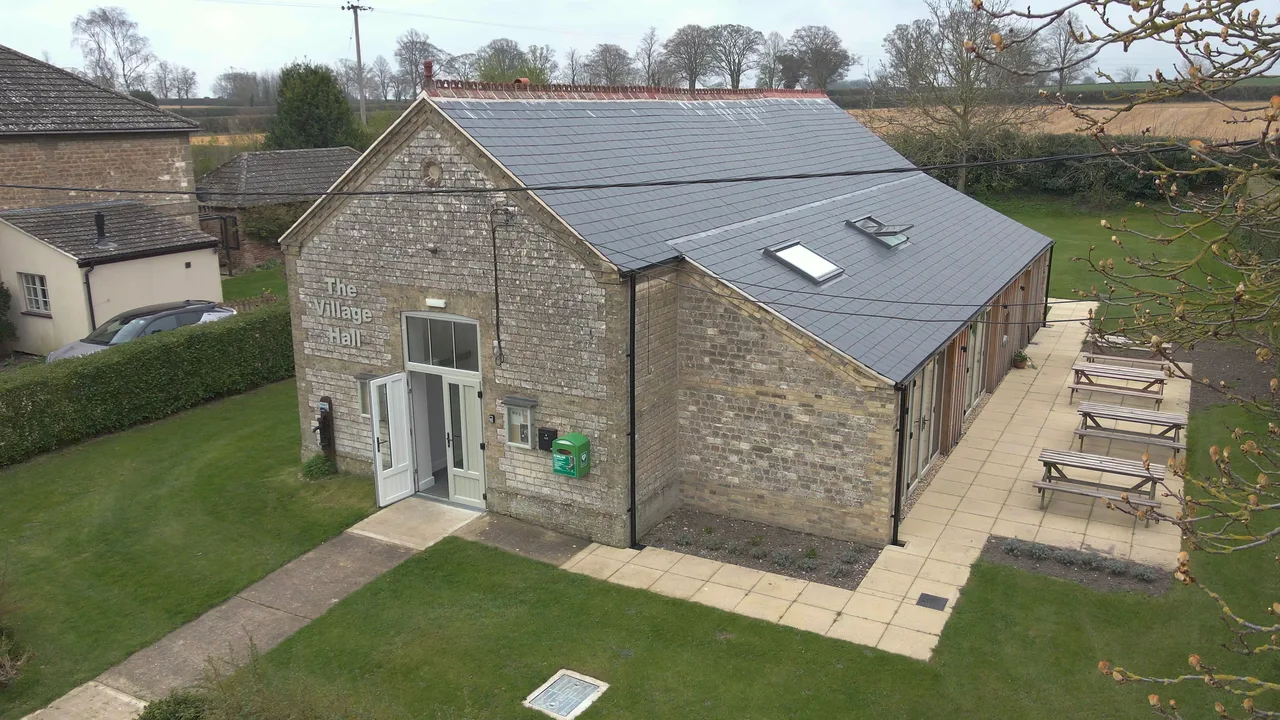
Start with the activity the investment supports
A new facility is easy to list. Its place in someone’s week takes more explanation. A pop-up café gives a village hall a specific, recognisable purpose: somewhere to meet, share food and spend time with other people. That makes a useful starting point for a film about community investment.
The hall’s own account of its refurbishment describes an ageing building with problems including insulation, heating and limited space. It also names The Prince’s Countryside Fund among the organisations that helped finance the work. This context matters: the project involved several funders and local effort, so the story should acknowledge that wider contribution.
For another charity planning a similar commission, begin with the activity your support makes possible. What happens in the room? Who uses it? Which details will help someone unfamiliar with the project understand its value? These questions give the film a clearer direction than a tour of improvements alone.
Let one place make a wider purpose understandable
National organisations often support work in many locations. A single village hall cannot represent every community, but it can give viewers a concrete example of what that support looks like. At Barton Bendish, the commission connected the Fund’s rural mission with a particular place in West Norfolk.
This is where charity and fundraising films can be especially useful. They give people something specific to consider alongside an organisation’s broader explanation of its work. The local project needs enough room to remain its own story, with the funder’s role made clear and the community’s contribution recognised.
There is also a distinction between showing activity and proving long-term impact. A film can document a community using a space; claims about improved wellbeing, increased attendance or fundraising results need their own evidence. Clear, modest wording helps a charity tell a convincing story without asking the pictures to prove more than they can.

Give the main film and short edits different jobs
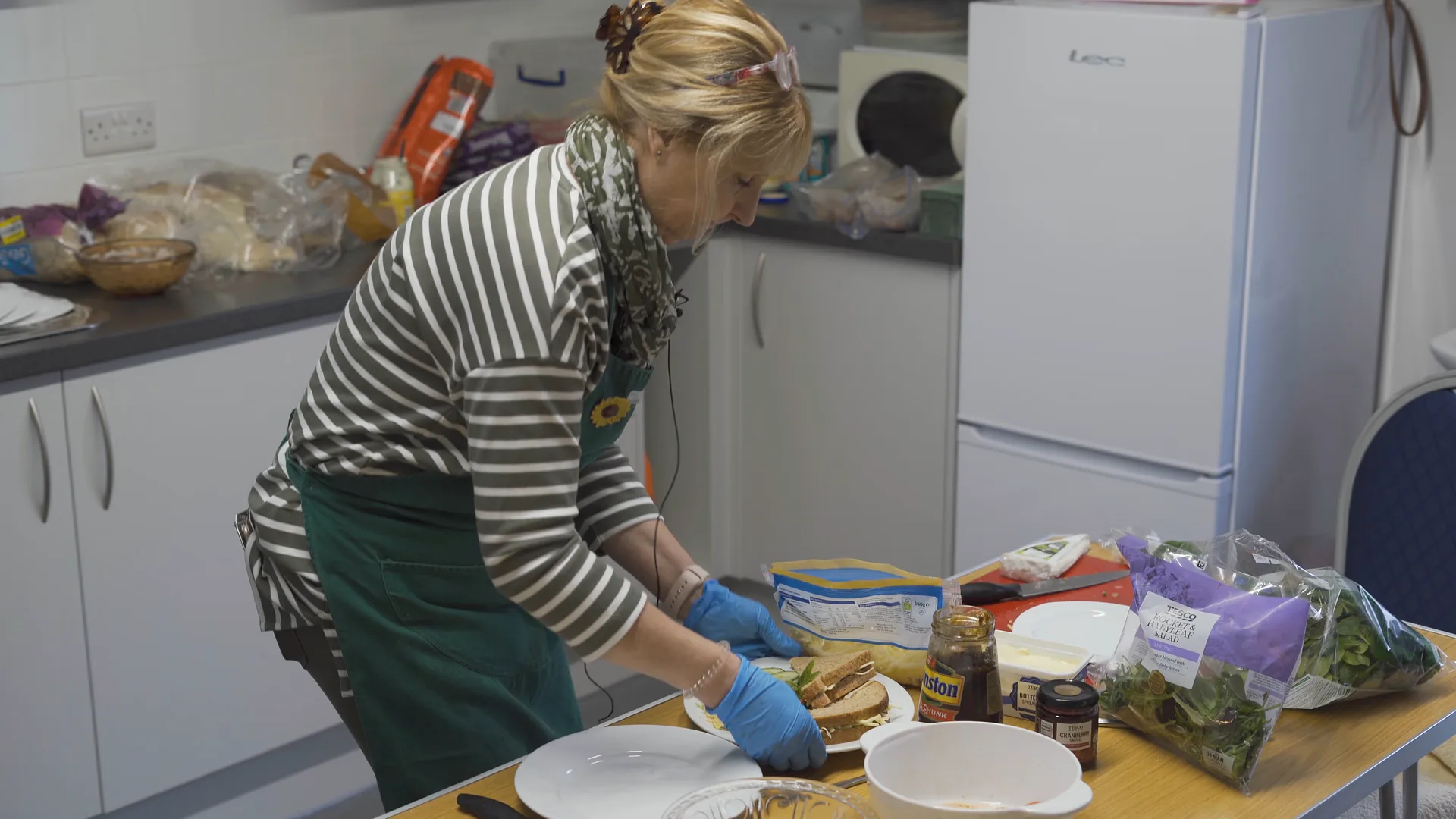
The Barton Bendish collection includes a main film running just over three minutes and five shorter pieces of around a minute each, including two kitchen-focused edits. Together, the collection offers different lengths and points of entry into the same project.
When planning several edits, decide what each viewer needs from each one. A main film can introduce the setting and explain the wider purpose. A shorter version can concentrate on one part of the story. That is more useful than simply cutting the longest film off earlier or trying to fit every message into every version.
Agree the likely uses before filming: a project page, a supporter update or a short social post each creates different expectations. You can explore the complete Barton Bendish Village Hall film collection, including the five supporting videos and a gallery of stills taken from the footage, in our portfolio.
Keep the people and the context accurate
Names and organisations can change while a film remains useful. This project was commissioned under the name The Prince’s Countryside Fund. The charity subsequently became The Royal Countryside Fund in 2023. Keeping the original commissioning name and explaining the change preserves the history without confusing a new viewer.
The same care applies to supporting images. The gallery accompanying this project contains frames taken from the videos. Labelling them as film stills explains exactly what visitors are seeing and keeps the video work central to the story.
Build the brief around one clear question
For a community project, a useful starting question is: what should someone understand about this place after watching? From there, identify the activities, people and context needed to answer it. Plan filming around the project’s real timetable, and allow for contributors who may prefer not to appear.
Our Norfolk video production work includes rural communities as well as farms and businesses. If you are planning a charity commission, use our filming and editing prices as a starting point for scope, then agree the main film, shorter edits and intended uses together. A clear brief gives every part of the finished collection a reason to exist.