
Do You Need Two Wedding Photographers?
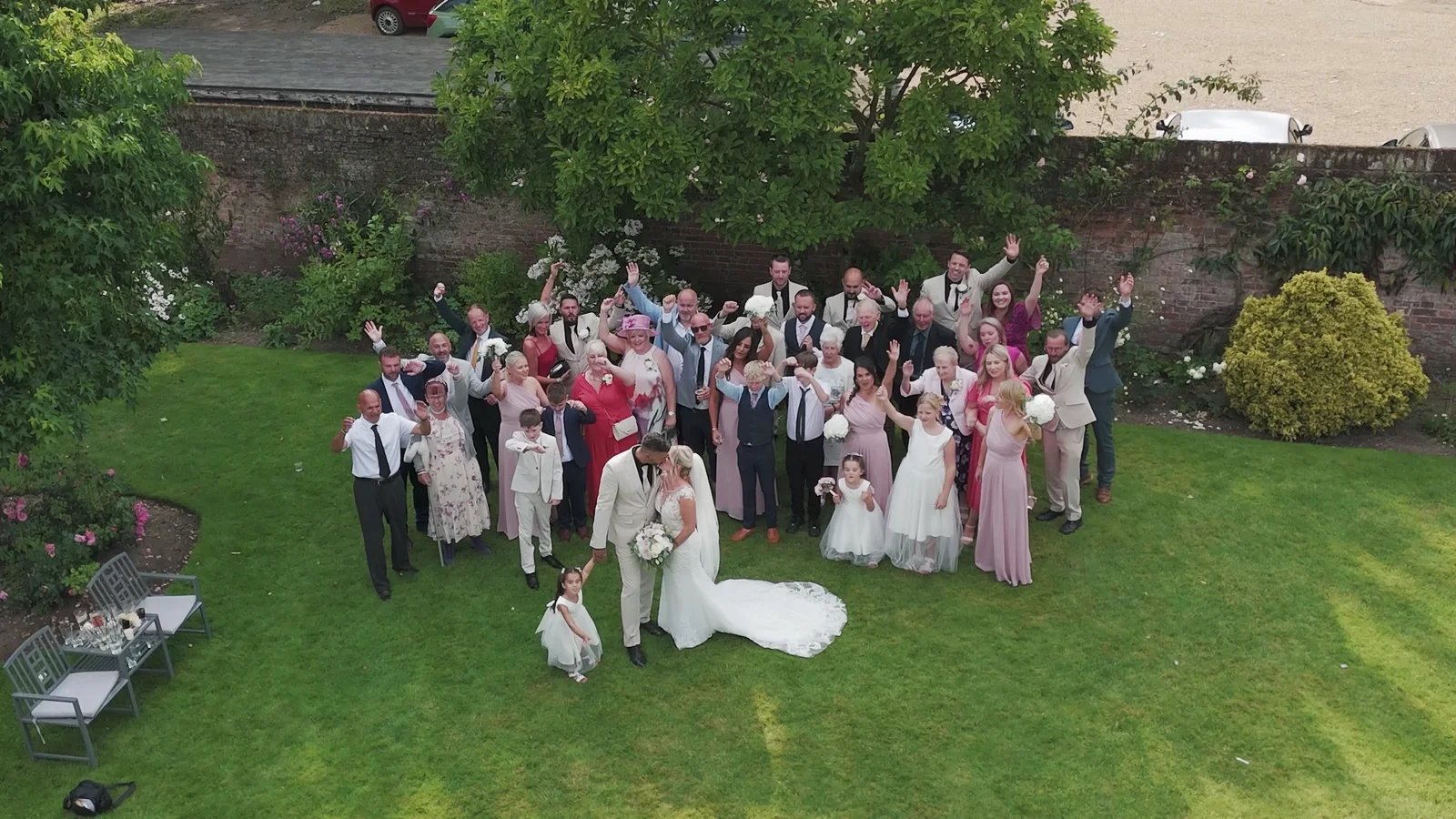
Not automatically. One experienced wedding photographer can be a good fit for your day. A second becomes useful when you want photographs of things happening in different places at the same time: both of you getting ready, for example, or your guests enjoying the reception while you are having portraits taken.
Before comparing packages, ask a more specific question: what would the second photographer cover that the first would otherwise have to leave?
The answer might reveal a good reason to book two people. It might also show that one photographer, with the right hours and a workable timetable, is enough.
What does a second wedding photographer actually do?
A second photographer works alongside the lead, taking responsibility for agreed parts of the coverage. That might mean spending the morning with one partner, using a different ceremony position or staying with guests while the lead photographs family groups.
It is a role, not a description of how experienced someone is. Ask who will be doing it and whether they can work independently on the parts of the wedding assigned to them.
An assistant helping with equipment or lighting is not automatically another photographer. Nor does one photographer carrying two cameras put them in two places at once. Clarify the people and responsibilities, not just the amount of equipment arriving.
Look for the moments that overlap
Follow your plans from getting ready to the evening celebrations. Where would one person have to choose between two things you both care about?
The morning: two preparations, one departure time
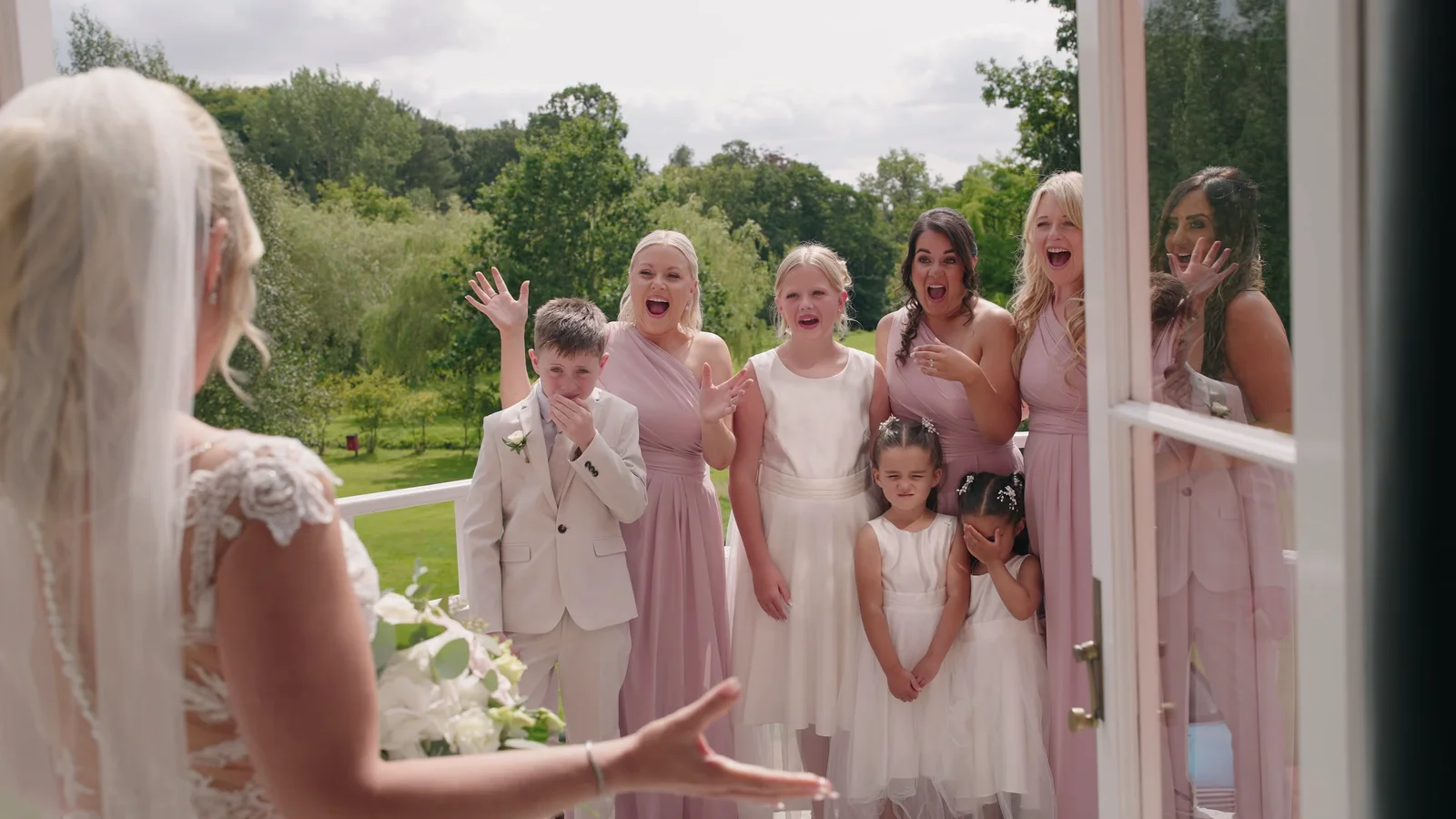
Imagine you are getting ready at a hotel while your partner is at home, twenty minutes away. You would both like photographs of the last few preparations and the people helping you before leaving for the ceremony.
A single photographer could visit both addresses, but that does not put them in both places for those final moments. The journey also takes time away from photographing either of you.
Two photographers could divide the locations, then meet at the ceremony. Each needs the address, access arrangements and departure time, rather than simply an instruction to cover "the other preparations".
Now change the example: you are getting ready in neighbouring rooms, and one of you will be ready earlier. That is a different conversation. Ask whether one photographer can move between you comfortably, with time to reach the ceremony before the guests settle.
The distance matters, but so does when you want the photographs taken.
The ceremony: position matters as much as numbers
One photographer may be able to capture an entrance, your partner's reaction and the ceremony from a suitable position. Do not assume those photographs always require two people.
A second viewpoint becomes more useful when the layout or restrictions make it difficult to move or see both directions. One person might cover the front while the other has an agreed position further back.
Check the arrangements with the venue and the person conducting the ceremony. Adding a photographer does not override a limit on movement, flash or permitted positions. Two people standing in the same restricted spot may add little.
The reception: your portraits and everyone else's afternoon
While you are having photographs together, your guests have not stopped enjoying the wedding. They might be catching up over drinks, greeting relatives or watching an activity you have arranged.
A second photographer can stay with them rather than follow the lead through the same portrait session. Later, the roles might divide between the person giving a speech and reactions elsewhere in the room.
This is where a second photographer can add something you could not see yourself: not just another angle of you, but more of the day happening around you.
It does not mean your own portrait session should become twice as long. Discuss the balance of documentary coverage and directed wedding portraits, including which photographer leads and when you return to your guests.
When one photographer is a sensible choice
Consider a wedding where preparations, ceremony and reception happen at one compact venue, the schedule leaves breathing room and you want only a few formal groups. There may be relatively little to gain by having another photographer present throughout.
Guest count alone is not a reliable dividing line. A small wedding spread across several addresses can create more difficult overlaps than a larger celebration where everyone stays together. Equally, several busy rooms can give a second photographer a distinct job even without a huge guest list.
Ask a photographer to talk through a complete wedding they covered alone under similar conditions. Our guide to choosing a wedding photographer explains what to look for beyond a handful of favourite portraits.
You can also browse our full sample wedding gallery to consider the mix of people, moments and portraits you would enjoy receiving. When comparing solo and two-person options, ask which team produced each example; a gallery's size does not tell you.
Another photographer or more hours?
These solve different problems.
Extra hours cover more of the day. An extra photographer covers more of what happens at the same time.
Suppose your proposed booking finishes before an evening performance that matters to you. Adding a second photographer who leaves at the same time does not solve that gap. Extending the coverage may be the more useful choice.
Conversely, an extra hour at the end cannot recover preparations that happened simultaneously at two addresses that morning.
For a wedding with just one short period of overlap, ask whether a second photographer could attend for that part of the day. Availability and minimum booking arrangements will depend on the supplier; do not assume a part-day option is offered or priced by simply dividing a full-day fee.
Request the total for each option, including the second photographer's hours, travel and the work needed to deliver their images. Our wedding photography cost guide covers the details worth comparing. Use a wedding-specific quote, rather than treating a general photography hourly rate as the price of a wedding package.
More coverage does not mean twice as many photographs
Two photographers may capture the same event from different positions. Some photographs will add a useful perspective; others will overlap. The final selection still needs to remove unnecessary repetition, missed focus and awkward blinks.
Ask about how many edited wedding photographs to expect, but do not judge the second photographer solely by an increase in the total. Photographs of a parent reacting to a speech can add more to the story than several near-identical views of the speaker.
Also establish who combines and edits the work. You should know whether you will receive one coordinated gallery and how the images from both photographers will be finished. Our explanation of wedding photo editing and delivery covers what happens between recording the day and receiving the photographs.
A videographer is not automatically your second photographer
Someone recording your ceremony is responsible for moving pictures and sound, not necessarily the still photographs you would expect from a second photographer.
Some professionals offer combined photo-and-film coverage, but the promised outputs and practical compromises need explaining. Do not assume that another person holding a camera is free to photograph the guests while also recording the vows.
When arranging wedding videography, confirm who is taking photographs, who is filming and how everyone will share ceremony positions and portrait time. You need a plan for the actual team, whether they come from one company or separate suppliers.
Make the two-person arrangement specific
A second photographer should be part of the lead photographer's plan. Discuss the arrangement before independently booking another professional; two unrelated bookings do not automatically become a coordinated team.
Three things are worth putting in writing:
- Who attends and when. Confirm the lead, the second photographer or how they will be selected, the hours each person covers and the responsibilities they will divide.
- What you receive and pay. Include the agreed editing, delivery, travel and other applicable costs, with a clear contact for questions.
- What happens when plans change. Ask about illness or unavailability, equipment problems and how the photographs will be protected.
Another person may provide useful support if something goes wrong, but they are not the entire backup plan. That still needs separate answers. Our questions to ask your wedding photographer will help you explore those arrangements before committing.
For family groups, nominate someone who knows the guests to help gather people. That is a practical way to help the photographer, whether you book one or two. Adding a professional does not halve the time needed when the same relatives must appear in several combinations.
Ask what you would gain, not what you might miss
No team can promise a photograph of every interaction at a wedding. You can, however, agree the people and moments that matter most, then choose coverage that gives them proper attention.
Our wedding photography options include one- and two-photographer packages. The useful comparison is what each would cover at your wedding, not which has the longest list of inclusions.
Send our wedding team your rough timetable, including where each of you will get ready and any activities happening separately. There is no need to finish every detail first; those overlaps are enough to start a useful conversation.