1. The first film creates a shared language
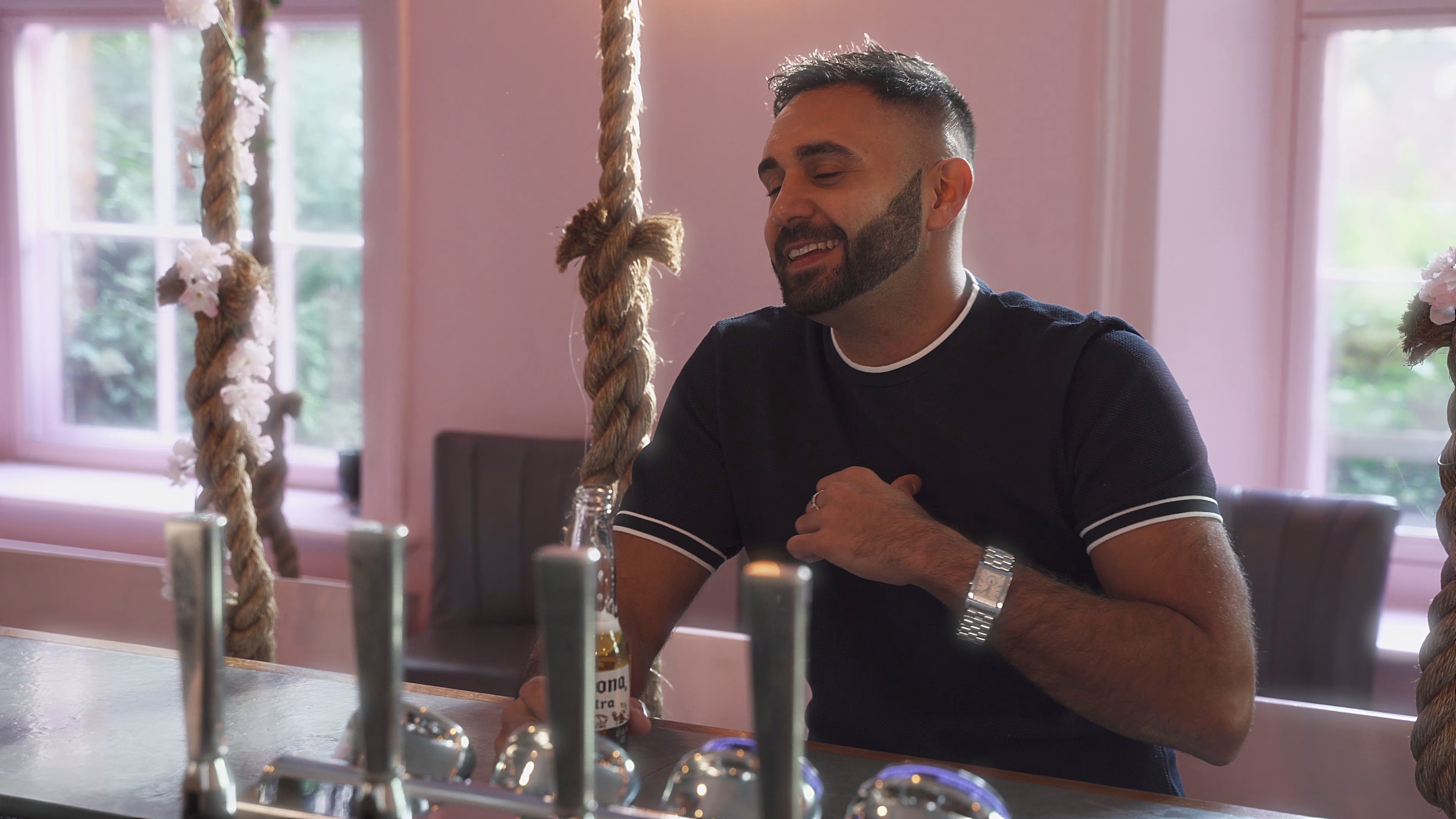
The first project in the sequence was Partners in Crime. Jake arrived with a clear concept, a Norwich cocktail-bar location and reference material showing how the spaces could work. Our job was to translate that plan into a complete production using controlled coloured lighting, performance coverage, practical smoke and a night exterior with classic cars.
That shoot established more than a visual result. It showed how Jake preferred to prepare, how much direction felt useful on set and how quickly decisions could be made together. For a returning client, that shared language becomes part of the production toolkit.
You can see the lighting, location work and low-fog solution in the Partners in Crime music video case study.
2. Familiarity leaves more time for ambitious planning
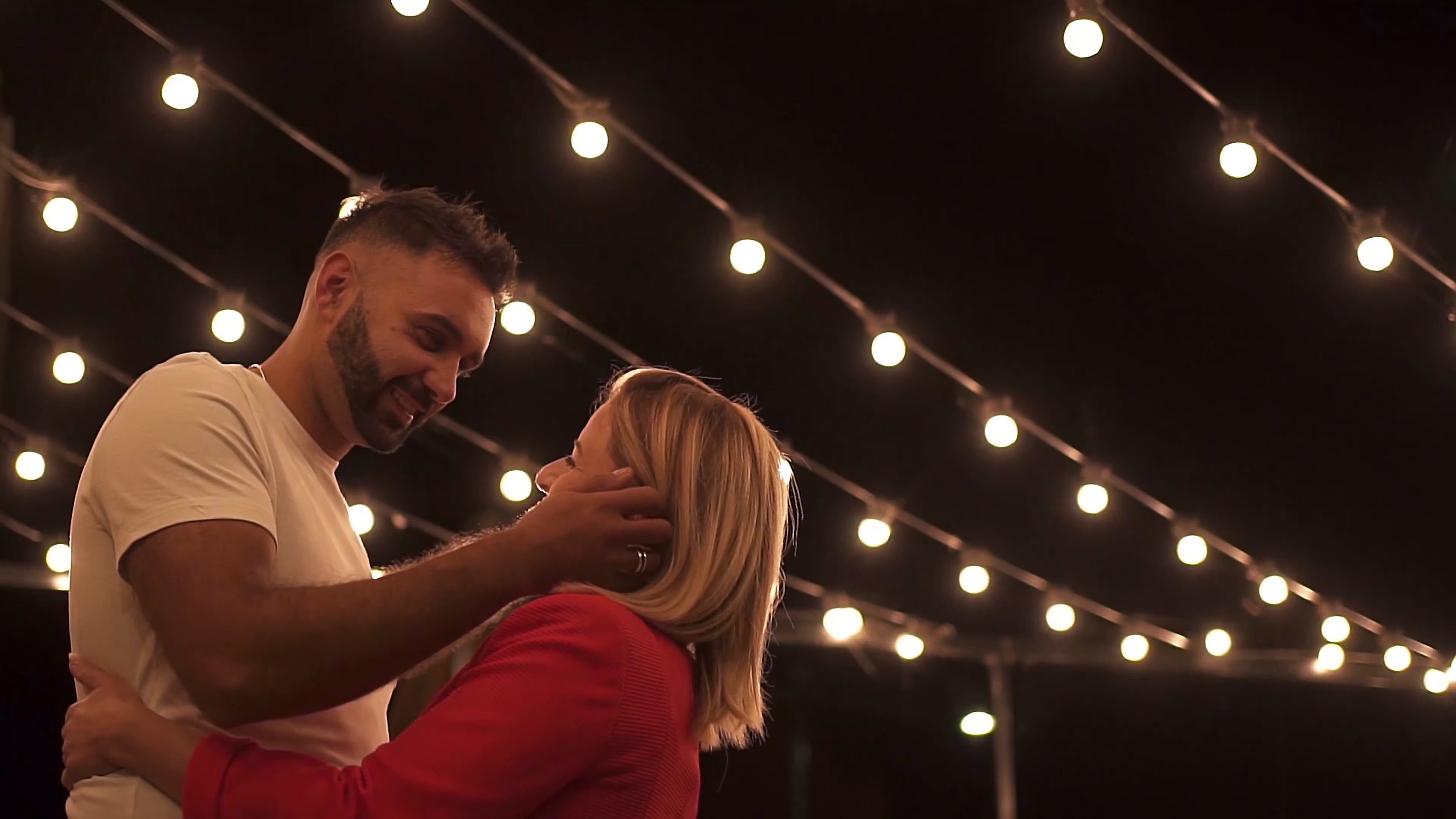
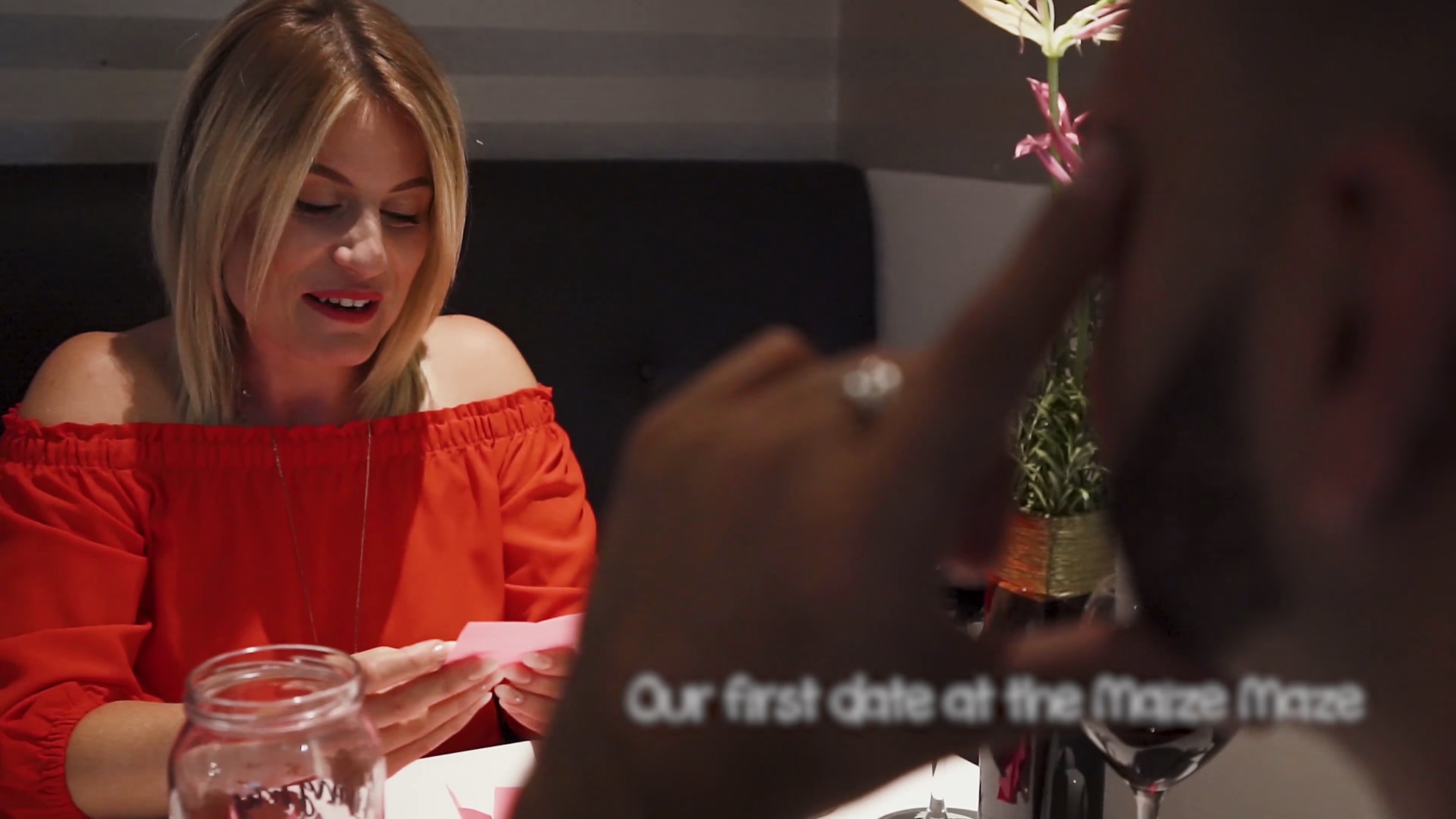
King of the World needed a very different approach. The film follows Jake and Lisa from messages and early dates through to a proposal and their first home. It was captured by one videographer in one day, which meant the story had to be properly planned before the first frame was recorded.
Working with somebody you already know makes that preparation more direct. Conversations can focus on the emotional beats, locations and transitions rather than on explaining every part of the filming process again. Familiarity does not replace a storyboard or schedule; it makes those tools easier to build together.
The resulting one-day narrative music video production shows how much material can be created when the story, performances and movement between locations have all been considered in advance.
3. Repeat work should evolve, not repeat itself
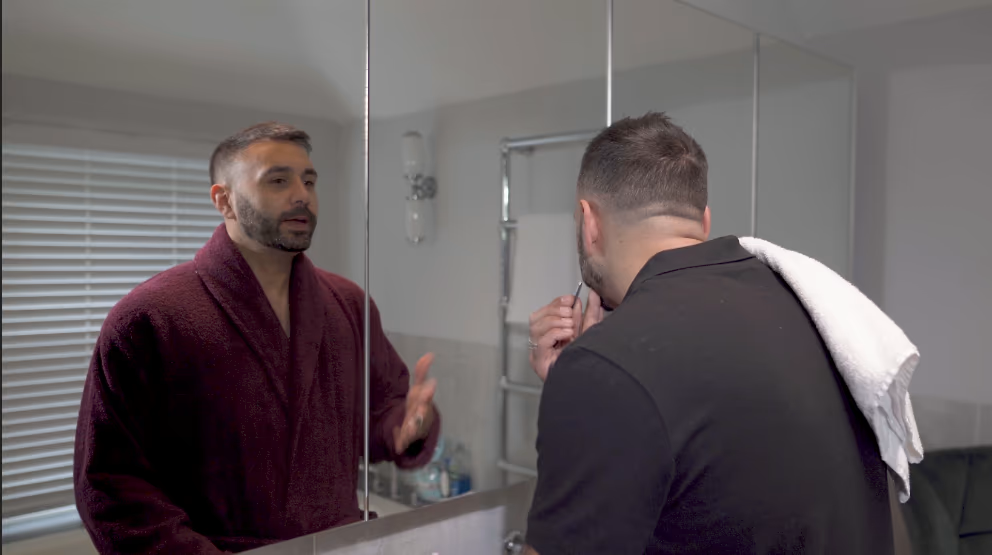
By the third music video, the goal was not to imitate either of the earlier films. Rather Be Me dealt with self-doubt, online comparison and the decision to accept yourself. Its visual language moved from dark, enclosed interiors into brighter, more open environments.
The production also introduced greenscreen, rotoscoping and compositing so two versions of Jake could appear together. A perspective-shifting mirror sequence, multiple locations and drone footage expanded the technical vocabulary again.
This is one of the biggest benefits of an ongoing creative relationship: there is a foundation to build from, but no need to repeat the same answer. An experienced music video production team can preserve what works in the collaboration while giving each track its own screen identity.
The Rather Be Me music video case study explains how those visual effects and transitions were built around the song’s movement from self-doubt towards self-acceptance.
4. Trust matters even more when the event cannot be repeated
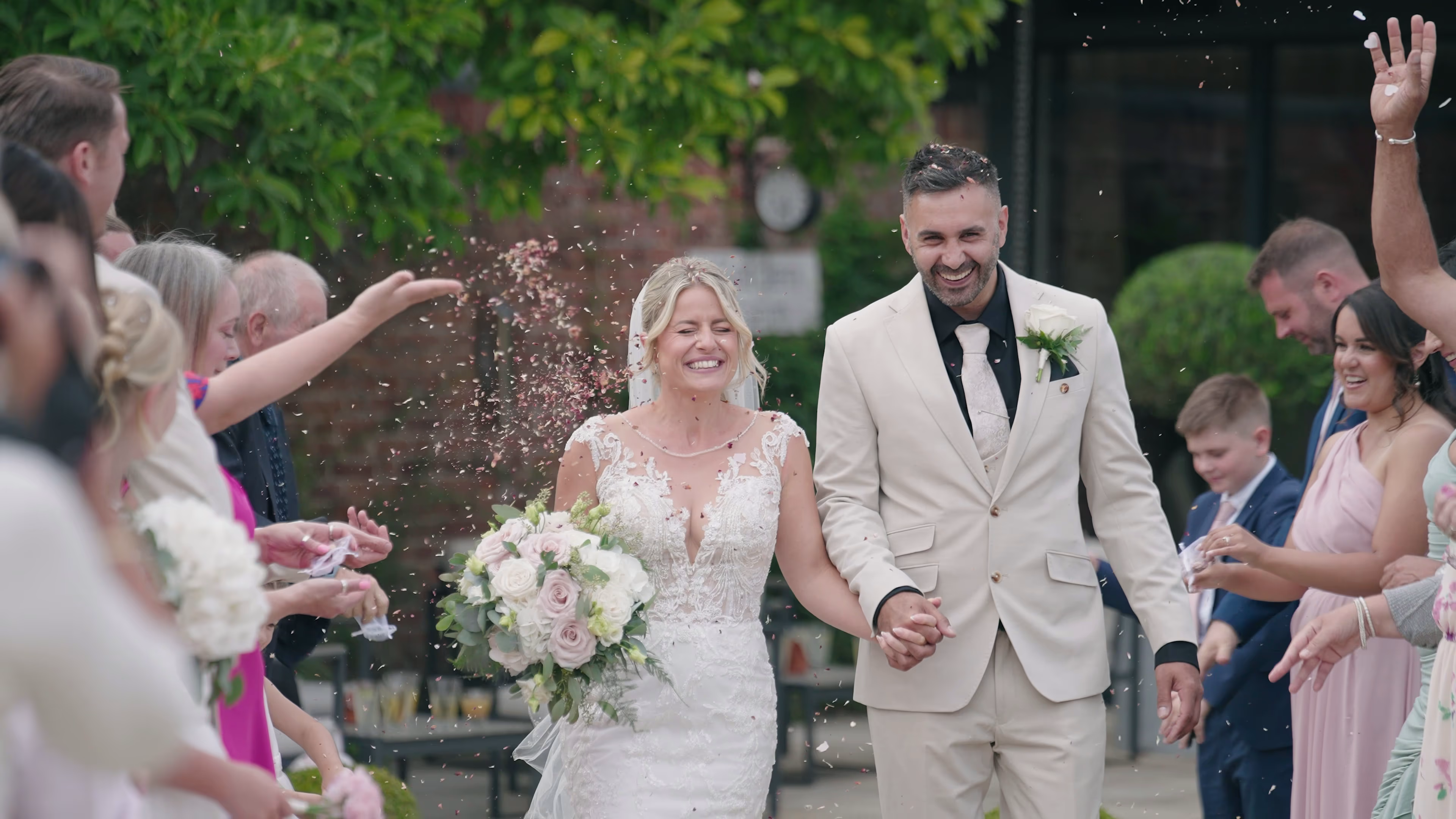
A music video can be rehearsed, reset and filmed again. A wedding cannot. When Jake and Lisa asked us to film their day at The Norfolk Mead, the existing relationship carried into a completely different kind of responsibility.
Jake already knew what it felt like to work with us and to be filmed by us. That familiarity helped the wedding coverage remain natural, while careful camera and audio planning protected the ceremony and speeches. The result included a cinematic film as well as complete edits of those important spoken moments.
Their Norfolk wedding videographer case study completes the story that King of the World had dramatised before the wedding took place.
5. A returning client still deserves a fresh brief
Continuity should never become complacency. Even when the people know one another well, every new film needs a clear purpose: who it is for, what it should communicate and where it will be watched. Locations, crew, lighting, audio and post-production choices should follow that purpose rather than being copied from the previous project.
The advantage is that these questions can be asked within an established relationship. There is less uncertainty about the process and more freedom to challenge the first idea, refine the schedule or suggest a technique that would have felt too risky on an initial commission.
That principle applies beyond music. Businesses often gain the same advantage by returning to one Essex and Suffolk videographer for interviews, events, social content and larger brand films: the production team gradually understands the people, tone and practical realities behind the organisation.
When should you use the same videographer again?
Returning to the same videographer makes sense when the first project was well organised, communication felt clear and the finished film understood what mattered to you. It is especially useful when several films need to feel related, when people are nervous on camera, or when the production team will need to work independently within a familiar brand or environment.
It should not mean accepting the same creative treatment every time. Ask how the next film will move forward, what will be learned from the earlier work and which parts of the process should change. The relationship is valuable because it supports better decisions—not because it removes the need to make them.
Explore all three Jake Aldridge music videos and the wedding film, or talk to The Camera Guys about building a longer-term video partnership.