Documentary vs Editorial Wedding Photography: What’s the Difference?
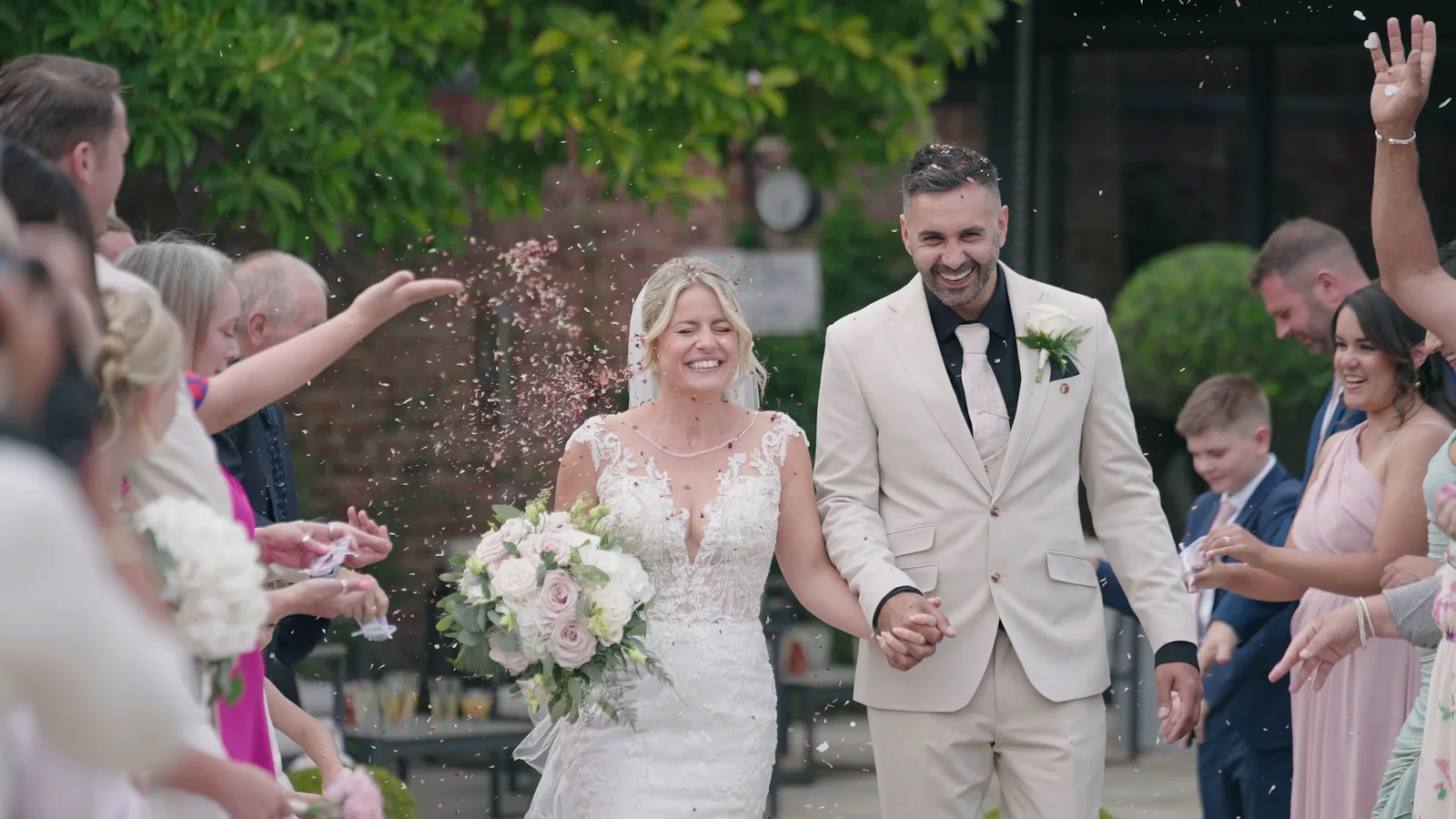
One photograph catches your dad laughing halfway through a speech. Another shows the two of you on a staircase, with the light, position and sweep of your outfits carefully arranged.
You might love both. They were simply made in different ways.
Documentary wedding photography follows events as they happen, with minimal intervention. Editorial wedding photography takes more inspiration from fashion and magazine portraits, using deliberate direction to shape the photograph.
The choice is not between meaningful photographs and beautiful ones. Either approach can give you both. The useful question is how much of your wedding you want to spend being directed, and what you want the finished collection to contain.
When choosing a wedding photographer, look beyond the label to the way they actually work.
Documentary: letting the moment happen
Documentary wedding photography, also described as reportage or photojournalistic coverage, is built around observation. The photographer follows the people and activity rather than routinely asking everyone to stop and do something for the camera.
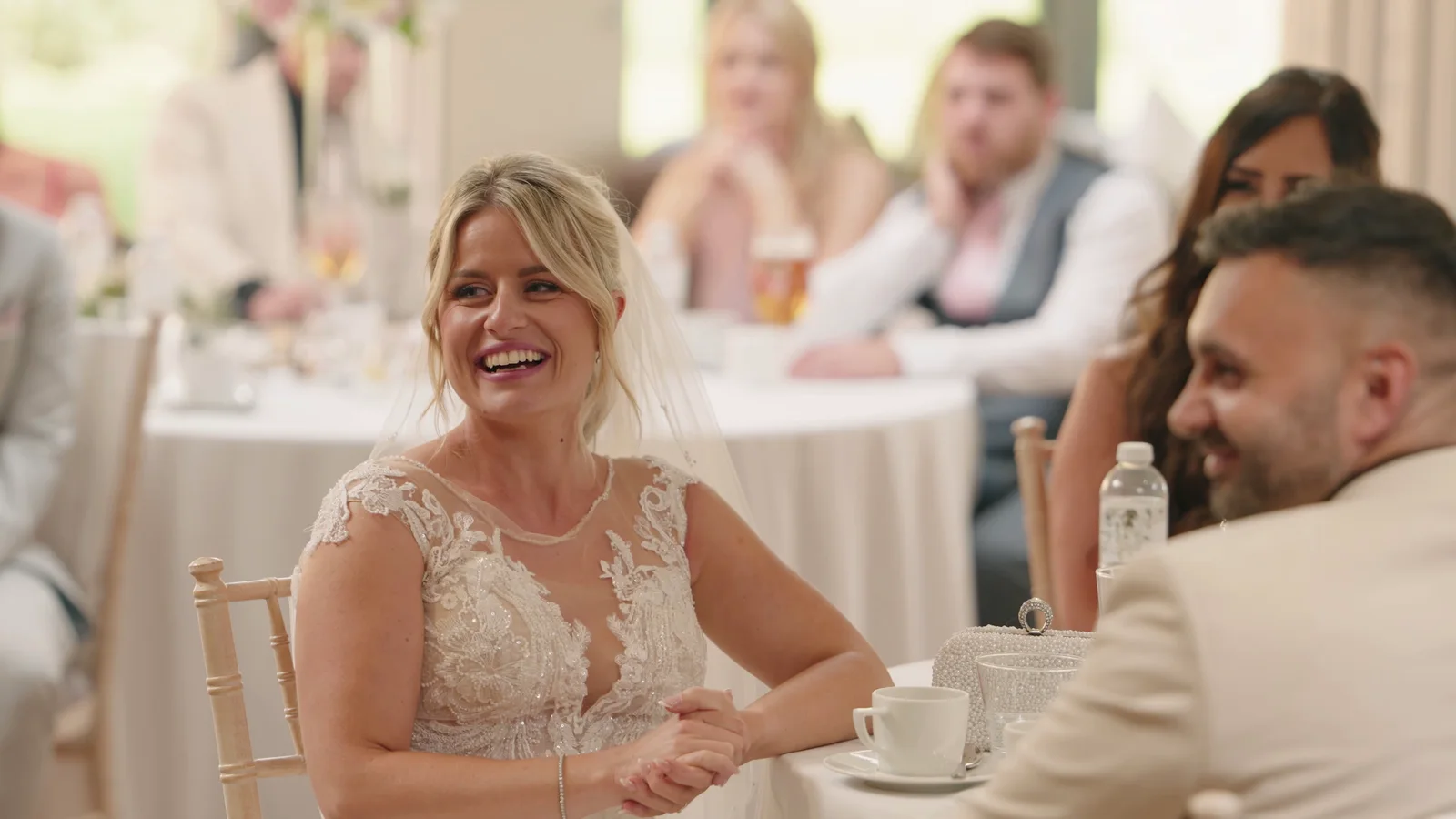
Think of a friend helping with a fastening, two guests finding each other after years apart, or someone trying not to laugh during the ceremony. The photograph comes from noticing what is happening, not setting up the reaction.
That does not make it a matter of wandering around and hoping. Choosing a position, anticipating an expression and finding a clear view through a busy room all take attention. The photographer still composes the picture; they are not usually arranging the people within it.
Nor does being unobtrusive mean refusing to speak to anyone. A photographer can be friendly and put guests at ease without directing their conversations. The aim is to let people get on with the wedding, rather than constantly remind them that it is being photographed.
Editorial: giving the photograph more direction
In a wedding context, editorial usually describes a more deliberately styled approach, particularly to portraits. The photographer might choose a background, position you in the light, adjust the way you are standing and ask you to repeat a movement.
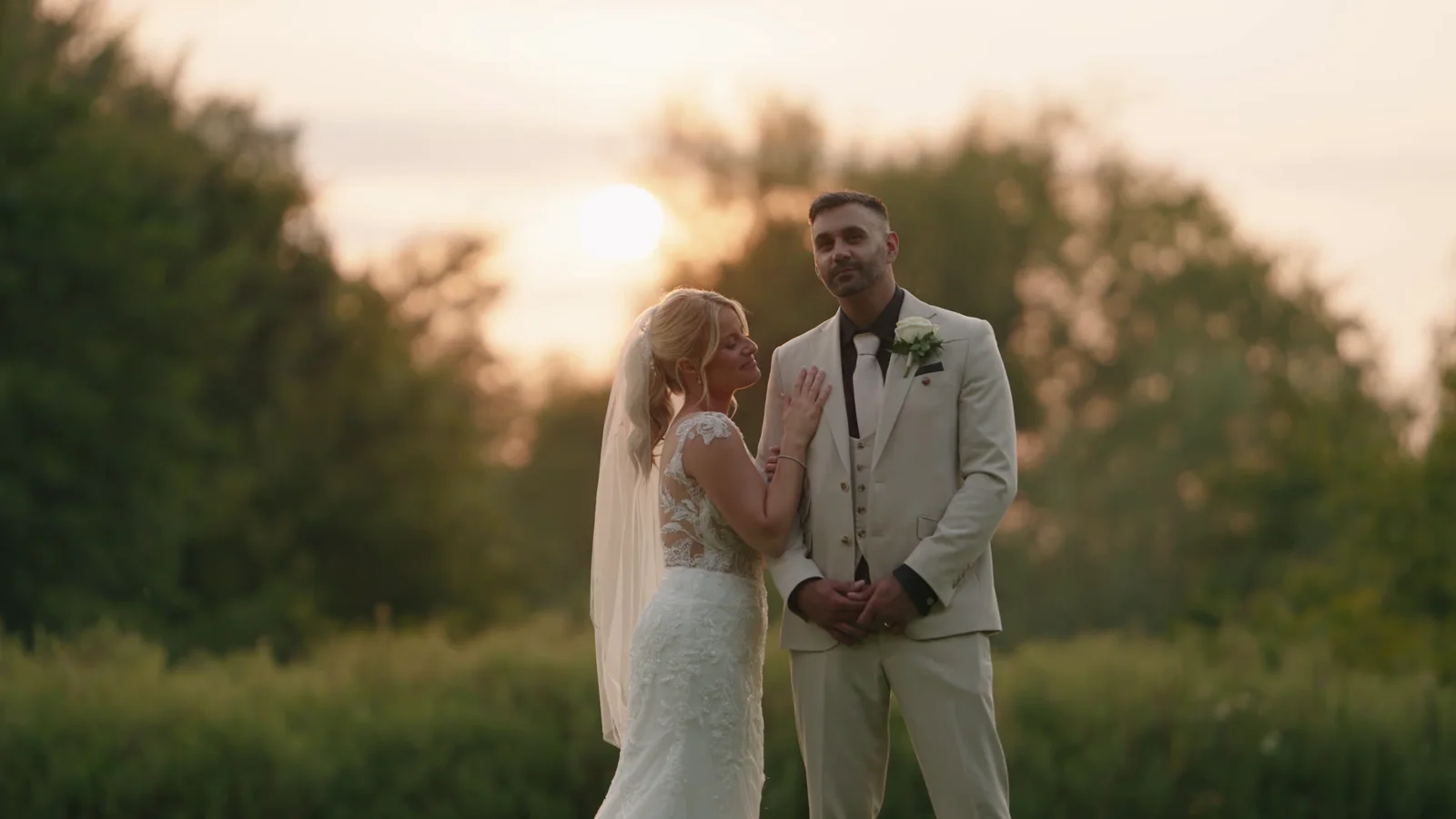
Imagine a portrait beside a window. A small turn of the shoulders, a different hand position or moving a veil can change the composition. The result may look effortless, even though someone has carefully guided it.
Editorial does not have to mean stern expressions, extravagant venues or pretending to be someone else. It can be playful, understated or romantic. You can laugh genuinely during a directed portrait; the fact that the photographer chose the location does not make the laughter false.
The important distinction is that some decisions are being made for the photograph. Ask what those decisions involve, rather than assuming that every image with a polished finish required an elaborate production.
Where you will notice the difference: your time
Picture the interval between your ceremony and being called in for dinner. You would like some photographs together, a few family groups and enough time to talk to the people who have come to celebrate.
How that time is divided matters more than whether a package says "documentary", "editorial" or "a blend of both".
For a portrait you particularly like, ask: "How did you make this, and how much time would something similar need at our wedding?"
A photograph made just outside the reception room and one taken across the grounds after a lighting setup are different requests. Allow for getting there, arranging clothing and returning, not only the moment the shutter is pressed. Ask for an indoor alternative too, rather than letting a favourite outdoor reference become the whole plan.
There is no universal portrait-session length that suits every couple. Agree what you want to attempt and how much time you are comfortable giving it. You might prefer one short session, or enjoy making room for something more involved.
Then protect the parts of the day you do not want interrupted. A plan full of portrait requests leaves fewer opportunities for the same photographer to observe your guests.
Photography and film need one workable plan
With a videographer involved, discuss how you will share that time. A still portrait and a moving sequence may need different direction, so do not assume both teams can independently use the same small gap.
Our guide to booking photography and videography together explains why the people and responsibilities matter more than simply having one supplier. Whether you book one team or two, give everyone the same priorities.
A wedding highlight film can include portraits as well as events and reactions. Agree what the filmmaker needs without automatically turning every photography location into a second, separate filming session.
You can still have family photographs
Wanting documentary coverage does not mean you have to give up a photograph with your grandparents. Equally, booking someone whose portfolio features editorial portraits does not mean the speeches and dancefloor should go unrecorded.
Ask which parts of the day they direct and which they observe. A mainly documentary booking can include an agreed set of formal groups; those particular photographs are simply arranged rather than candid.
Write down the combinations that genuinely matter to you, then ask how they fit the schedule. Nominate someone who knows the guests to help gather people, and explain sensitive family arrangements privately.
A photograph of a particular group is worth requesting explicitly. Leaving everything to chance is not a reliable way to bring several specific people into the same frame.
"We're awkward in front of a camera"
That is a useful thing to tell a photographer, but it does not automatically settle the choice of style.
Think about what makes you uncomfortable. Is it being watched? Not knowing where to look? Having to repeat a romantic gesture while your friends stand nearby? Each concern suggests a different way to make portraits more manageable.
You might prefer minimal attention and very little direction. Alternatively, a clear instruction about where to stand could be more reassuring than being told to "just act natural".
Ask the photographer to talk you through a typical portrait session. Would they give you an action, adjust a pose or mostly let you interact? What happens when something feels uncomfortable?
The answer should help you imagine being there. Our questions to ask your wedding photographer cover that conversation alongside coverage, delivery and the practical details of booking.
The editing style is a separate choice
A black-and-white photograph is not automatically documentary. A warm, soft colour palette is not automatically editorial. Those describe aspects of the finished appearance, not whether the moment was observed or directed.
Look separately at the photographer's use of colour, contrast and retouching. Do you like the way skin tones, clothing and indoor light are handled? Would you enjoy a whole gallery with that finish, rather than just one striking image?
Lighting is another separate consideration. Both approaches can use available light or flash; the presence of a flash does not tell you whether anyone was posed. Ask to see evening work and dark indoor ceremonies as well as outdoor portraits.
Choose an existing body of work you enjoy, and discuss any specific concerns before booking. Asking a photographer to reproduce a completely different portfolio is a less useful starting point than finding someone whose photographs already appeal to you.
Look at the photographs between the portraits
A handful of favourites can show what a photographer is capable of. A complete wedding gallery gives you a better basis for discussing what your own coverage might look like.
Follow the day beyond the couple portraits. Are the guests present throughout the story? Do the pictures show relationships and reactions? Can you see how the photographer works when the setting is crowded, the light changes or nobody is looking towards the camera?
Ask to see galleries with circumstances reasonably close to yours, shared with the couples' permission. A summer garden wedding cannot answer every question about an indoor winter celebration.
For an example from our own work, Rhea and Ben's wedding gallery includes preparations, an outdoor ceremony, group photographs, couple portraits, guest interactions, speeches and the evening reception. Browsing those sections gives you more to consider than a selection of portraits alone.
When discussing a favourite portfolio image, also ask whether it came from a real wedding or a styled shoot. A separately organised shoot can demonstrate creative ability, but find out how the photographer would achieve a similar result within your actual timetable.
The style label does not set the price
Compare what is being offered: the photographer, hours of coverage, any second photographer, editing and finished products. Do not assume documentary means less work or editorial automatically means a higher price.
Our UK wedding photography cost guide explains the scope to compare. For your booking, request a wedding-specific quote rather than judging the package by a style description alone.
You do not have to choose one approach for the whole day
You could leave the ceremony and reception largely uninterrupted, arrange the family photographs you want and make time for a few more deliberately composed portraits. Those choices can belong to the same wedding.
Rather than requesting a fixed percentage of each style, describe your priorities. For example:
We'd like most of the photographs to show us enjoying the day with our guests. We also want a few family groups and some portraits together, with enough guidance that we don't feel lost. We'd prefer not to repeat moments from the ceremony or speeches for the camera.
That is an example brief, not the right answer for everyone. You might happily give more time to portraits, or prefer even less interruption. Say so, and ask whether the photographer's working method fits.
Our wedding photography at The Camera Guys Weddings puts the emphasis on real people, genuine interactions and photographs that feel like the couple. Bring examples of pictures you like, but also tell us what you would and would not enjoy doing to make them.
Share your plans with our wedding team, including your date, venue and the balance you have in mind. The photographs matter, and so does being able to enjoy the day they come from.