Photography and Videography Together: Is It Better to Book One Team?
You have arranged the location, made your team available and finally found a day everyone can do. Getting the photographs and video made during the same visit sounds sensible.
Often, it is. Booking one company can bring the preparation, people and creative decisions into one conversation. It is particularly useful when both formats need the same location, contributors or event.
The important distinction is between booking one company and asking one person to do everything.
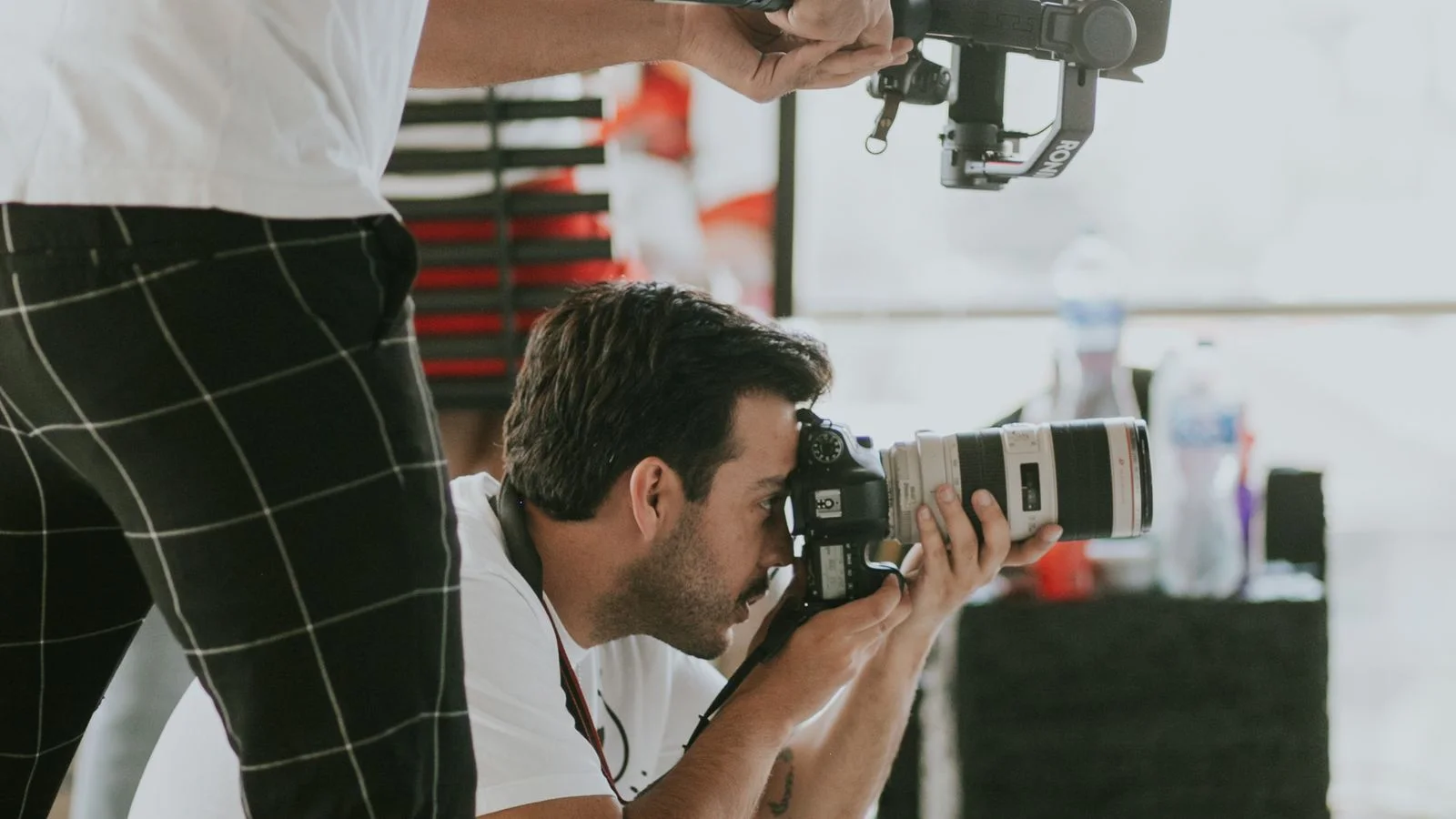
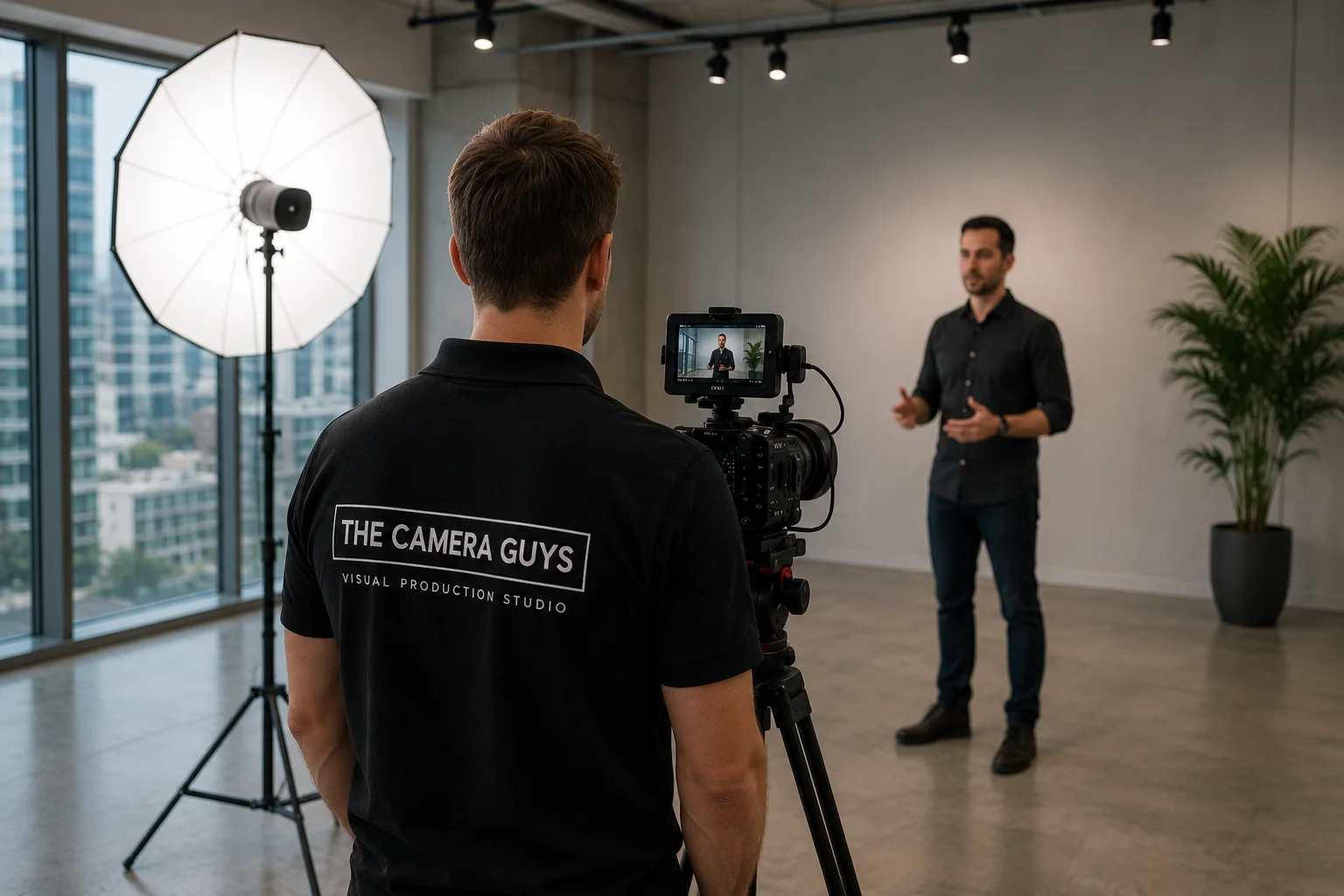
A combined booking can involve a photographer and videographer working alongside each other, or one person handling a carefully planned mix. Neither arrangement is automatically right for every job. The question is whether it gives both your photography and video production the attention they need.
One team does not have to mean one camera operator
Ask who will actually attend and what each person will do. A package described as "photo and video coverage" does not tell you whether that means two dedicated professionals or someone switching between the two.
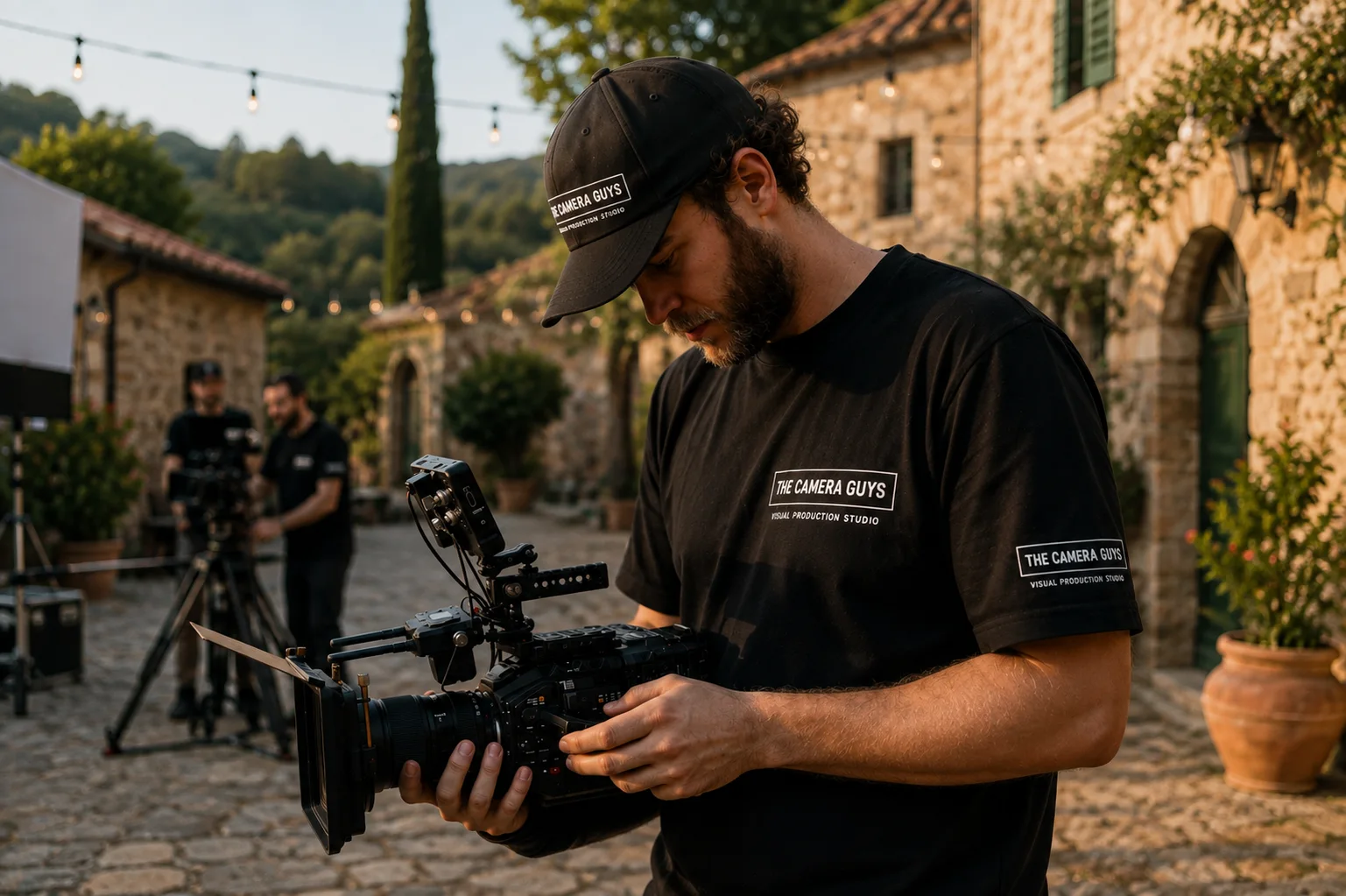
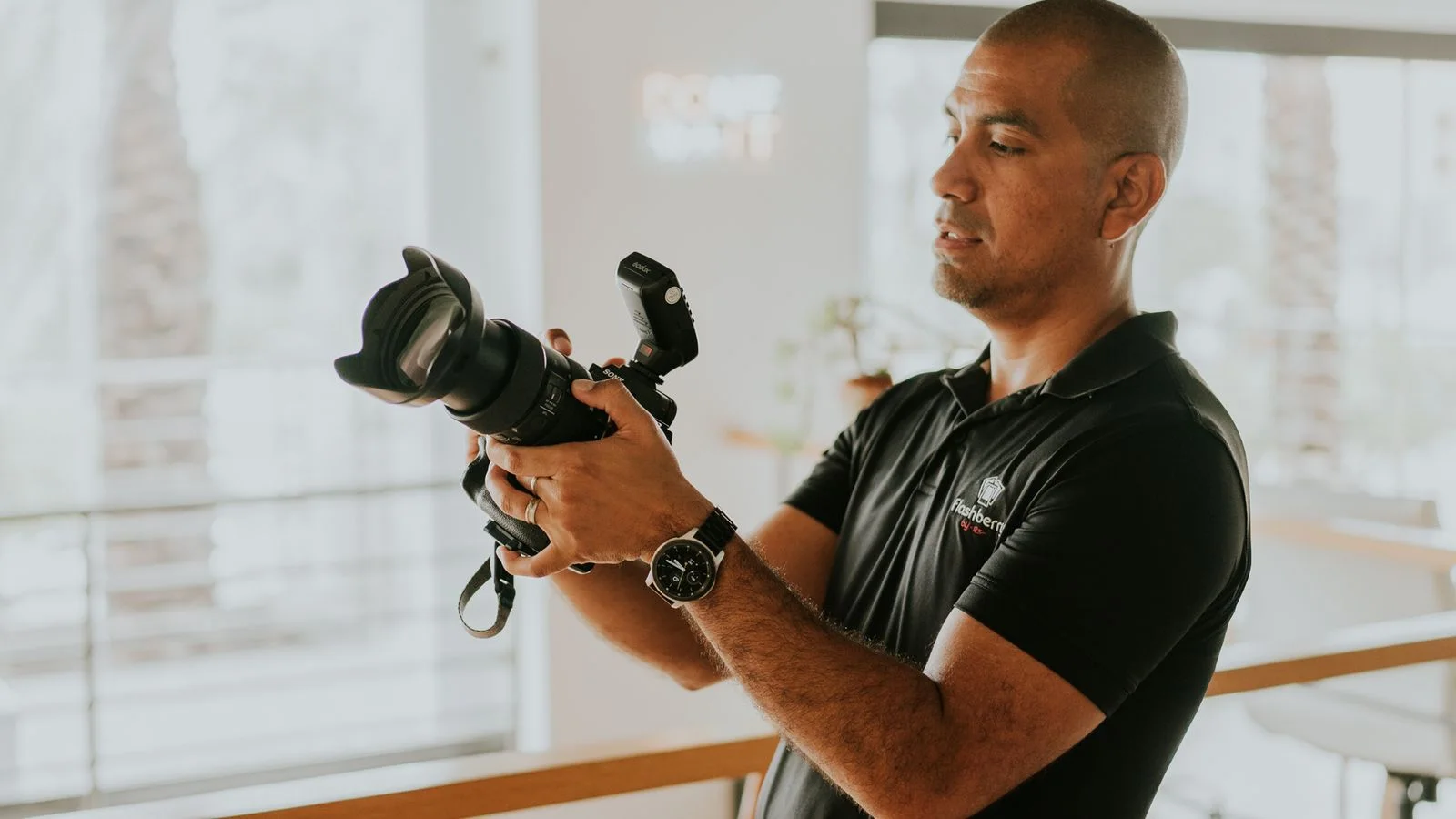
There are situations where a single operator makes sense. For our property photography and videography, we usually work with one operator, filming first and taking the photographs afterwards. The work is arranged in sequence rather than relying on both happening at once.
Compare that with an awards presentation. You might want an uninterrupted film of the announcement, photographs of the winner approaching the stage and reactions around the room. Those requests compete for attention at the same moment.
An experienced professional can work in both disciplines. That does not mean every brief gives them enough time to do both. Ask what is prioritised during an overlap and what coverage the proposed setup can realistically provide.
The useful saving is often in the preparation
Imagine a business commissioning staff portraits, workplace photographs and a short recruitment film. The same people, rooms, uniforms and brand decisions appear across the brief.
Planning those requirements together could mean one room reservation, one set of staff instructions and one contact gathering approvals. It could also avoid asking a colleague to return on another day for a photograph that could have been scheduled around their interview.
That benefit depends on someone taking responsibility for the whole shoot. Confirm who keeps the schedule current, briefs the crew and tells you what your organisation needs to arrange. One supplier can still create confusion when nobody owns those tasks.
The creative planning can be shared, too. Show the team where the content will appear, including website layouts and campaign examples. Our guide to planning a brand photography shoot explains why the intended crops and placements belong in the brief.
Photographs and films can feel related through their locations, styling and colour without needing to repeat exactly the same compositions.
A combined brief in practice: Hive Kids
For our Hive Kids summer camp shoot, a photographer and videographer attended for a full day. The brief included photographs and footage of the activities, interviews with children and instructors, and staff headshots for the website.
The portraits had a different purpose from the activity films, while the interviews added voices and explanations. Bringing those needs into the same booking gave each format a clear role.
That is the useful starting point for your own project: not "how much extra content can we squeeze in?", but "which photographs and films do we actually need?"

Sharing a shoot does not mean filming everything simultaneously
A combined schedule should make room for work that can happen together and work that needs separate attention. This belongs in pre-production, before people start arriving for their appointments.
Consider an interview followed by a portrait. A workable plan might give the videographer time for the conversation, then let the photographer adjust the position and lighting for the still images. The contributor is already there, but the portrait still needs its own time.
Now consider a repeatable product demonstration. The team might film the movement first, then repeat a particular stage for photographs. Explain anything that cannot safely be repeated before that sequence is scheduled.
For live activity, agree positions and responsibilities instead. Neither a speaker nor an award winner should be expected to wait while two crews negotiate their next shot.
Sound, light and space need a shared plan
During an interview, spoken photography instructions, shutter sounds or equipment being moved nearby can interfere with the recording. Decide when the room needs to be quiet and who is responsible for monitoring the sound. Our guide to professional audio explains why recording conditions matter, rather than assuming every interruption can be removed later.
Lighting needs a conversation as well. A flash-lit portrait setup and a filmed interview may need separate takes or adjustments; sharing a room does not guarantee one lighting arrangement will suit both.
Check that the space can accommodate the people and equipment without blocking access or putting one camera in the other's view. These are coordination questions whether the crew wears the same company name or not.
Look at both portfolios before choosing the convenient option
A film you love does not tell you whether you will like the photographs. A beautiful portrait collection does not demonstrate clear interview sound or a well-edited story.
Ask for complete examples of both, preferably from comparable assignments. Look at the consistency of the image set and watch the film from beginning to end. Find out which work represents the people proposed for your booking, and who will edit each format.
Our guides to choosing a commercial photographer and choosing a video production company cover those checks in more detail.
Separate suppliers may be the better fit when you already have a photographer you trust, want a particular filmmaking style or need specialist work the combined team does not offer. There is no reason to give up a strong creative fit simply to receive one invoice.
Introduce separate suppliers before the shoot. Give them the same brief and timetable, and agree who resolves competing requests. A shared company is one way to organise cooperation, not the only way.
Is it cheaper to book photography and videography together?
It can be, but compare the actual work rather than the package heading.
A shared visit may reduce duplicated travel, location hire or preparation. Those savings do not make the photography, filming or editing disappear. Additional people, different lighting setups and more finished versions still need to be accounted for.
Ask each supplier to explain the crew, attendance, preparation, finished files and editing included in the total. A low combined price might be suitable for a modest brief; it might also describe considerably less coverage than two separate quotes.
Our photography and video production pricing provides a starting point for business shoots. Request a quote for the complete assignment, including travel, specialist requirements and any applicable VAT. Do not assume a general filming rate includes every photograph and edited video you have in mind.
The useful saving is removing duplicated work, not leaving essential work unassigned.
One shoot can still have two delivery dates
Decide what you need to receive before deciding that a combined package meets the brief.
For photography, confirm the number of selected images, the editing or retouching included, required crops and file sizes, and who chooses the final selection.
For video, agree the films and approximate lengths, landscape or vertical versions, captions, graphics and review allowance. Our explanation of video post-production covers the work between filming and finished delivery.
Then give each item a deadline. For example, a proposed event booking might need a small approved photograph selection for a next-day announcement, with the full gallery and edited film later. State that requirement when requesting the quote rather than assuming everything can be turned around together.
Clarify the agreed uses of both formats, who handles contributor and location permissions, and whether the team may share the work publicly. Ask about file backup, retention and contingency arrangements if someone becomes unavailable. A shared booking should make those responsibilities easier to find, not leave them implied.
What about booking wedding photography and video together?
The same principles apply, with an extra consideration: you want to enjoy the wedding, not spend it managing two sets of creative instructions.
Ask how the photographer and filmmaker will share ceremony positions, family photographs and time with the two of you. One might direct a portrait while the other works alongside them, then allow a brief movement for the film. Agree how much time that needs rather than automatically booking two separate portrait sessions.
Check preparations at different addresses carefully. Sending a photographer to one partner and a videographer to the other does not provide both formats at both locations. Decide which coverage matters before adding people.
A videographer is not automatically a second photographer. Our guide to whether you need two wedding photographers looks specifically at the still-photography coverage another person would add.
Be precise about the finished films, too. A wedding highlight film is not the same as a complete ceremony or speeches edit. Confirm the gallery and film deliverables separately, even when they sit inside one package.
For a wedding-specific quotation, contact our wedding photography and film team with your date, venues and rough timetable, rather than applying commercial shoot rates to the day.
Choose the arrangement that makes the work possible
Booking one team is worth considering when you like both its photography and films, the proposed crew can cover the brief, and someone takes responsibility for coordinating the work.
Choose separate specialists when their work suits you better, then give them the information and time to collaborate. Consider one person for both disciplines when the sequence and scope genuinely allow it.
A useful question to ask any supplier is:
Looking at our timetable, where can photography and video share the setup, and where do they need separate people or time?
The answer tells you more than a promise that everything will be "seamless".
Send us the photographs and films you need, along with the location and any fixed timings. We can work through the overlaps and propose a combined shoot around them, rather than ask you to fit the brief into a ready-made package.