
Why Professional Audio Matters More Than You Think
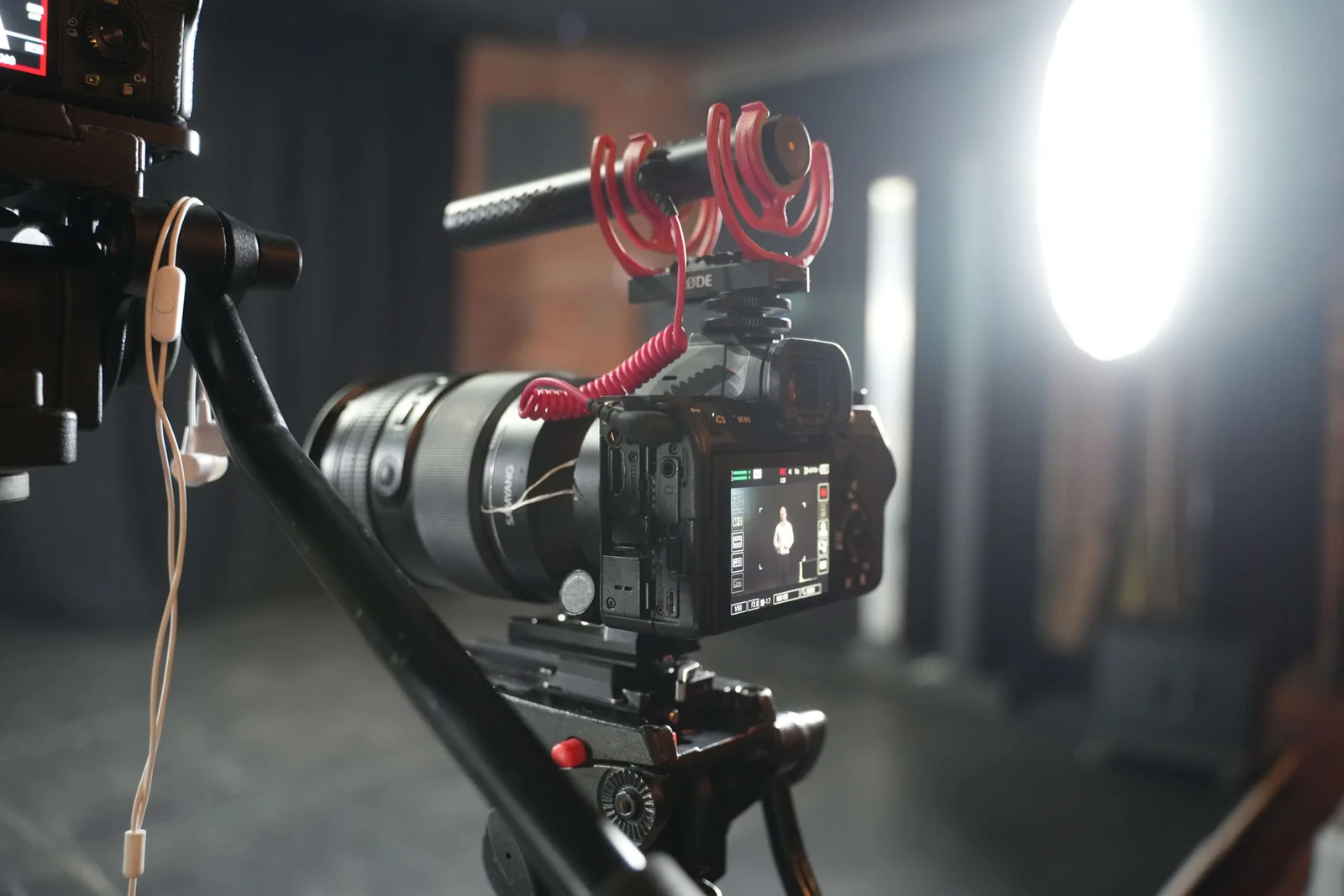
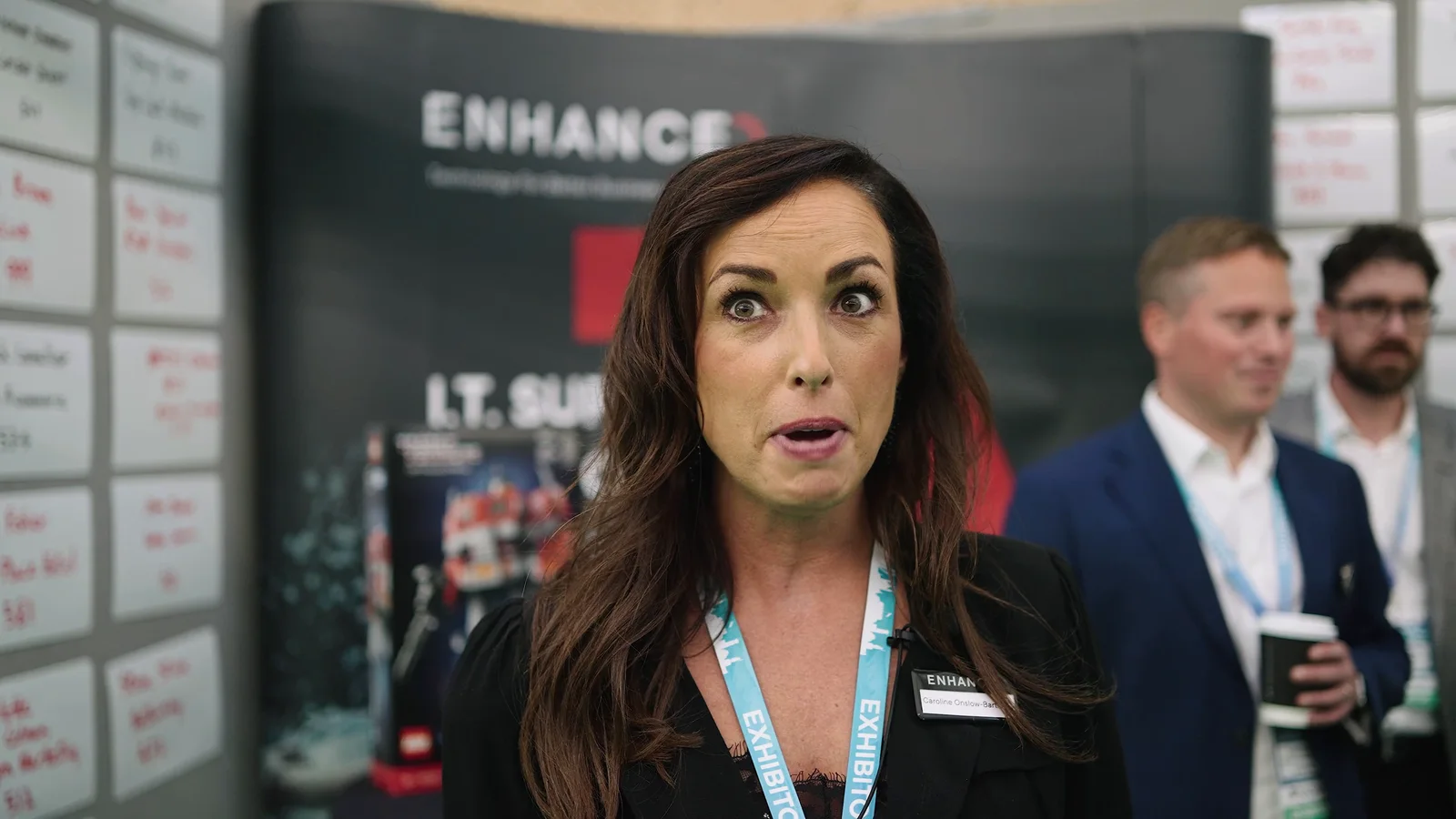
A beautifully lit interview is not much use if you have to strain to hear the person speaking. The framing can be right, the setting impressive and the answer worth listening to, yet a distant voice or a microphone brushing against a jacket can get in the way of all three.
Professional audio is about making the message easy to follow. That means recording voices clearly, keeping distracting noise under control and giving speech, music and atmosphere the right balance in the finished film.
For a corporate video, that might mean hearing a customer's explanation without the meeting room getting in the way. For an event recording, it means capturing the question as well as the answer. Neither is something to leave until the pictures have been filmed.
The best-looking room is not always the best-sounding room
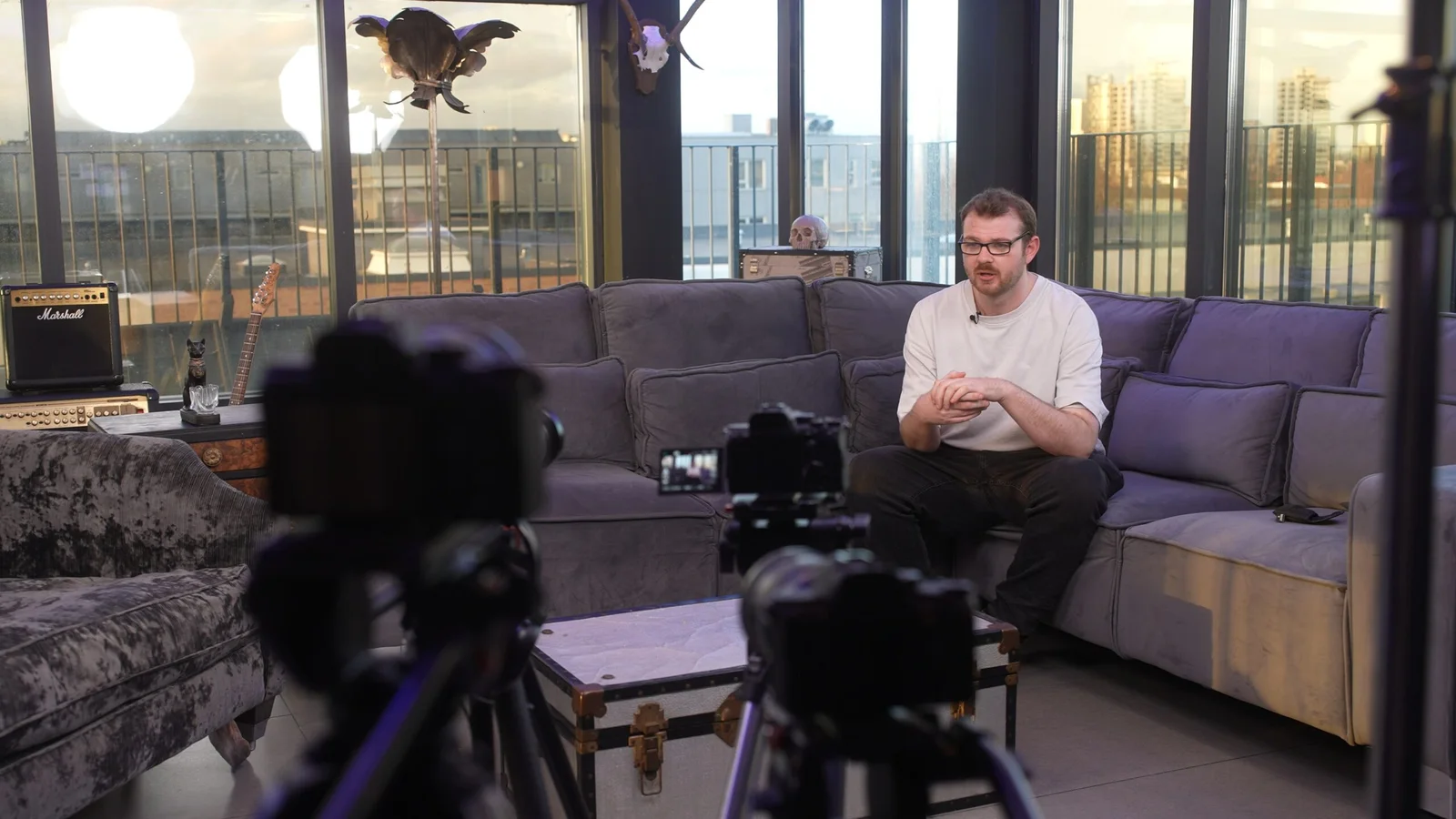
Picture a glass-walled meeting room with a clean background and plenty of daylight. It looks ideal for an interview. Then someone speaks, and their voice bounces around the hard surfaces. Add the ventilation system and conversations outside, and the location becomes less appealing.
Before choosing where to film, stop and listen. Traffic, refrigeration, lifts and nearby activity can all become part of the recording. It is also worth checking when those sounds occur: a room that is quiet during a morning recce might sit beside a busy lunch area later in the day.
Sometimes the answer is another room. Sometimes it is moving away from a reflective wall, adding suitable sound-absorbing materials or scheduling around a predictable interruption. A non-essential noise source might be switched off temporarily, but only where safe and agreed with the people responsible for the location.
These decisions belong in pre-production, alongside the shot list and schedule. Allowing time to find a workable setting is more useful than discovering its limitations after the contributor has left.
Microphone position matters more than prestige
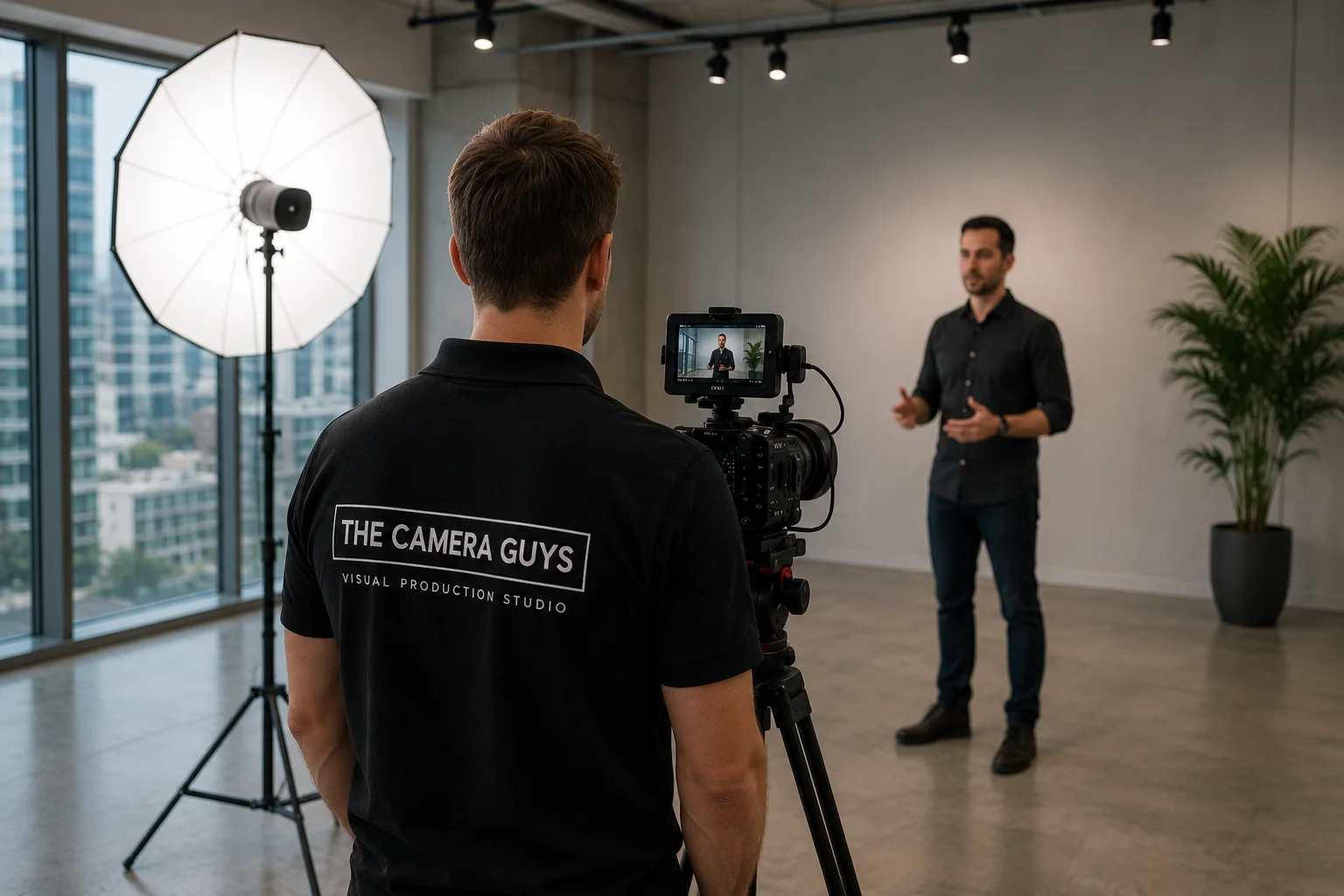
A suitable microphone in the right place will usually do more for an interview than a more expensive one left too far away. Distance affects how much of the voice you capture compared with the surrounding room.
A lavalier, the small microphone clipped to clothing, can suit interviews and people who need to move. Its position needs testing, particularly around jewellery, collars and fabrics that might rub against it. A boom microphone can keep the microphone out of shot while staying close to the speaker, provided the framing and movement allow it.
A handheld microphone can be a practical choice for event interviews. A microphone mounted on the camera has its uses too, but a camera several metres from the subject is rarely the best place to capture clear interview speech.
There is no single microphone for every situation. Choose around the people, their movement, the location and what can appear on screen. Outdoors, appropriate wind protection is part of that decision, not something to improvise once gusts start interrupting the recording.
Someone needs to be listening
An audio meter tells you that a signal is arriving. It does not tell you whether a necklace is tapping against the microphone or whether you are recording the wrong person clearly.
Listening through headphones during the recording helps catch those problems while they can still be put right. A successful test at the start is not enough when a contributor shifts in their chair, loosens a jacket or turns towards someone beside them.
Sound checks should also reflect the real delivery. A quiet "one, two" does not tell you what will happen when a speaker laughs, raises their voice or demonstrates a noisy product.
Check the whole recording chain, not just the final meter. Distortion can begin in a microphone, wireless system or input stage before the signal reaches the recorder. Turning down an already distorted signal does not make it clean again.
When an interruption covers an important sentence, another take is often the simplest solution. That only remains an option while someone is listening and the contributor is still available.
Live events leave less room for mistakes
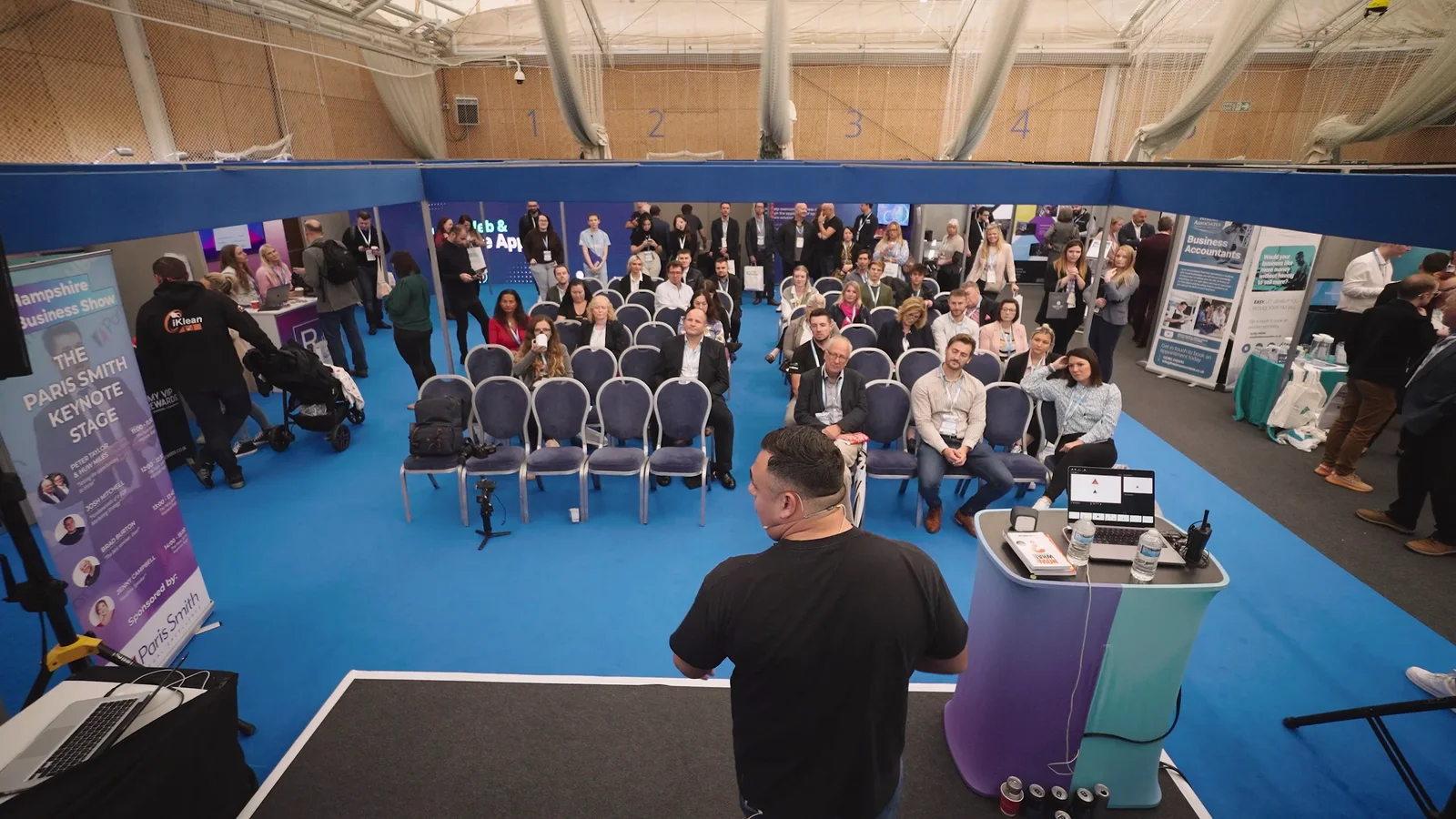
An interview answer can often be repeated. A live speech, panel exchange or spontaneous audience reaction usually cannot. That changes how event videography needs to be planned.
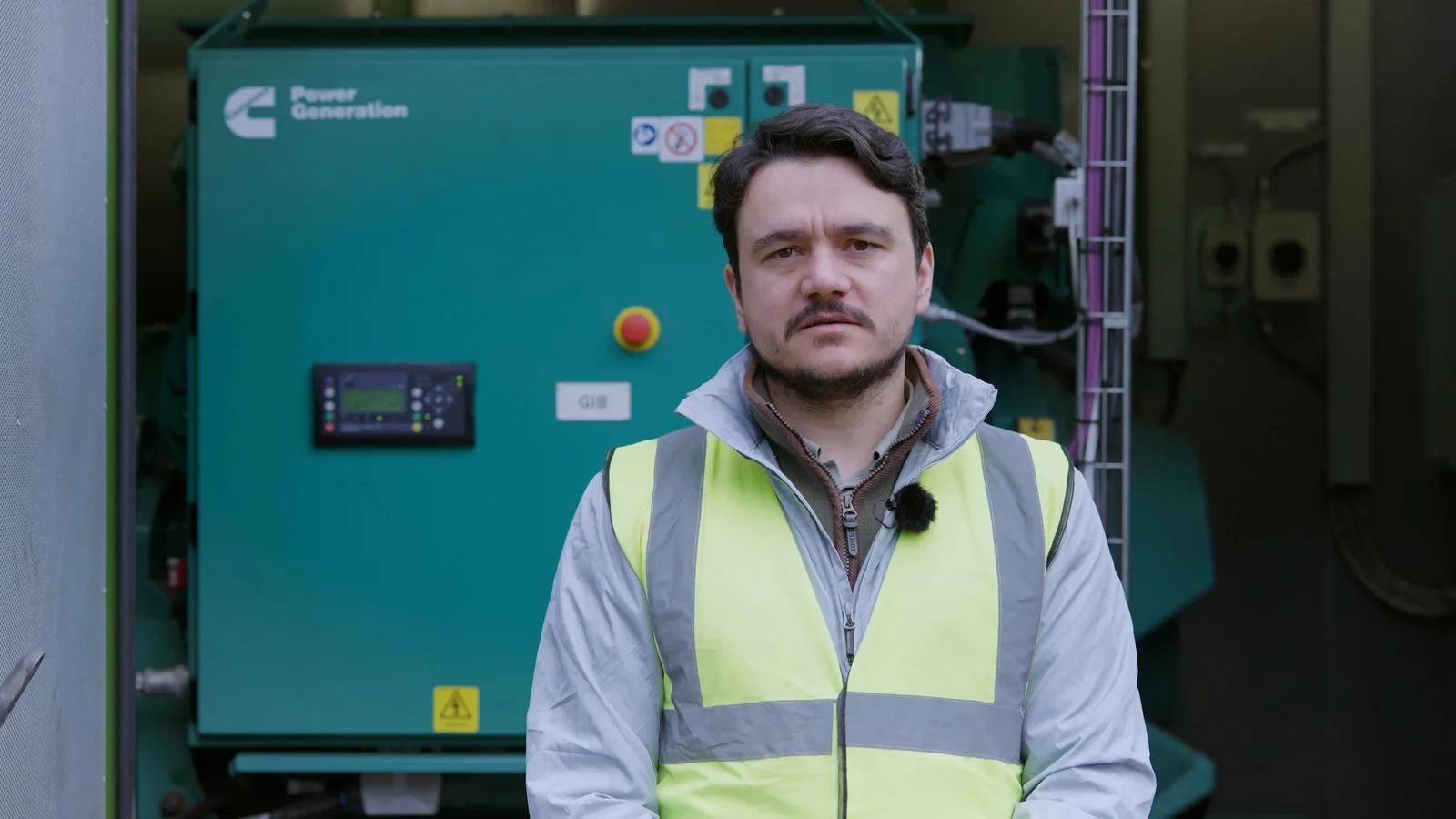
Agree how every speaker will be recorded, who is responsible for the microphones and how audience questions will be handled. A clear recording of the answer is less useful when the question is inaudible. Several people sharing one distant microphone will also be harder to balance than a properly planned setup.
Where the venue has a sound system, speak to its technician in advance. Confirm the available feed, connections, levels and wireless arrangements, then test the recording. Do not assume that sound working through the room's loudspeakers means it is also reaching the video recorder correctly.
Backup options should address a specific risk. A separate recorder can protect against some recording-device failures; a second microphone can offer an alternative when the first has a problem. A lower-level safety track may help with certain level errors, but not with distortion already present in the signal being copied.
None of these replaces monitoring. Batteries, recording media, labelled tracks and a reliable way to synchronise separate recordings still matter. The aim is a usable record of the event, not simply a collection of files afterwards.
What can actually be fixed in post-production?
Quite a lot, provided there is a usable recording to work with.
Dialogue editing can choose cleaner takes, smooth transitions and balance speakers. Equalisation adjusts the tonal balance; compression can control differences between quieter and louder passages. Targeted restoration can reduce certain noises or make damaged sections less distracting.
The important distinction is between improving a recording and assuming it can be rescued. Heavy noise reduction can leave a voice sounding watery or unnatural. Severe distortion or competing sound may obscure words that cannot be recovered reliably. The result needs listening to, not just processing through a preset.
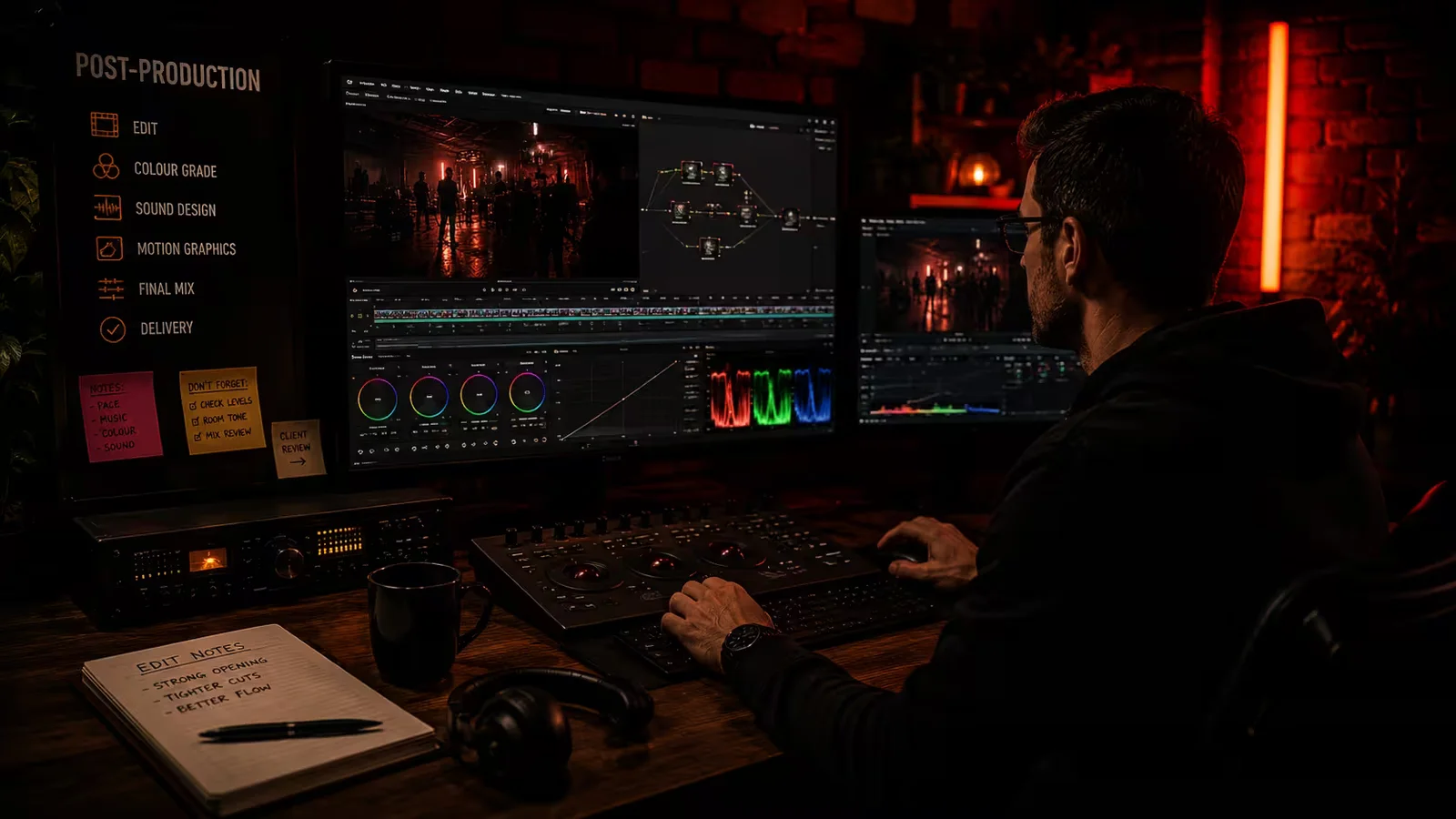
Our guide to video post-production explains how that work fits alongside editing, colour, graphics and delivery. Sound finishing deserves time in the schedule, but it should not become the contingency plan for avoidable recording problems.
A real example from a workshop film
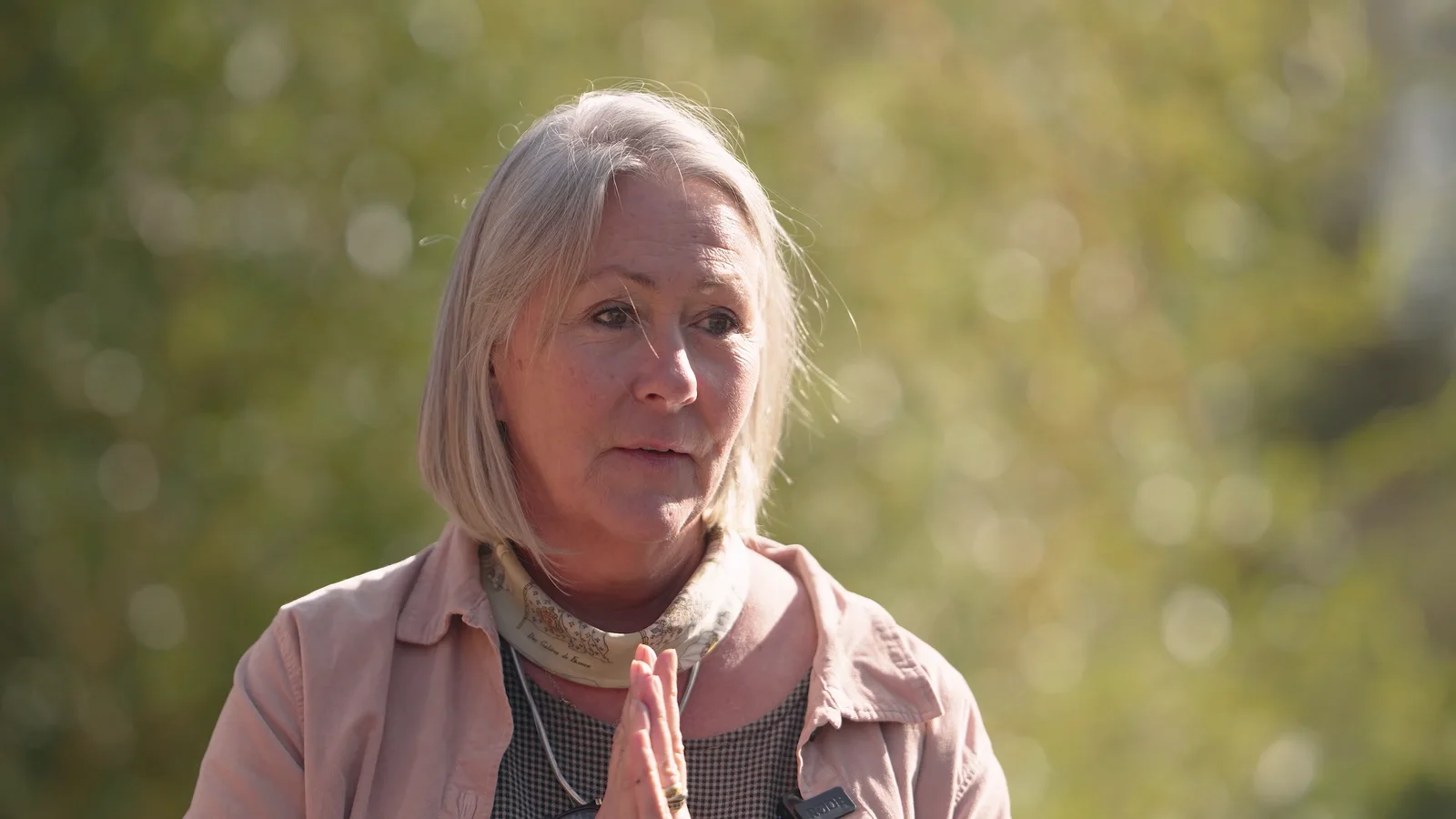
Our Beth Chatto workshop filming project included a contribution that needed substantial restoration because the speaker had not been adequately mic'd. The post-production work made the recording usable.
That is a useful example of both the value and the limits of audio repair. The work helped on that occasion; it would be a mistake to assume the same outcome for every difficult recording. Planning the microphone arrangement remains the better starting point.

A soundtrack needs more than clear dialogue
Clean speech is the priority in an interview-led film, but removing every trace of the location is not necessarily the goal. A little atmosphere can help a scene feel natural.
Room tone is a recording of the space without the intended dialogue or action. It gives the editor material to bridge gaps between takes, rather than cutting abruptly from a voice and its background into complete silence. Capture it in the same setup, with the room in a comparable state.
Other sounds deserve attention too: tools in use, applause, footsteps or the click of a product being opened. Recorded deliberately, these details can connect supporting shots to the place and activity on screen. Library effects can help, but should not misrepresent how a real product or process sounds.
Music needs room of its own without competing with the message. A track that suits an opening montage might be too busy beneath a detailed explanation. Its level and arrangement should follow the film, easing back for speech and coming forward where appropriate.
Check the music licence against every intended use, including website publishing, social media, paid advertising or event playback where relevant. Agree that before building an edit tightly around a particular track.
Listen where your audience will listen
Review the final export, not just the edit inside the software. Check that speech stays clear, contributors feel reasonably consistent in volume, and music does not suddenly overwhelm a quieter voice.
Headphones can help reveal small problems, while laptop and phone speakers offer another useful check for online films. A conference presentation or broadcast delivery may have its own requirements, so those should be agreed rather than assuming one mix and export will suit everything.
Captions belong in the delivery plan as well. They support viewers who are deaf or hard of hearing and people watching without sound. Review names, numbers and specialist terms, and include meaningful non-speech information where needed. Captions and good audio serve different needs; one is not a substitute for the other.
Make audio part of the brief
You do not need to specify microphone models when commissioning a film. You do need to explain who will speak, where filming will happen, whether people will move and which moments cannot be repeated.
The crew should fit those demands. A controlled interview may be manageable for one experienced videographer. Several moving contributors or a busy live production may justify a dedicated sound recordist. The decision should come from the job, rather than assuming every shoot needs either the smallest or the largest possible crew.
When choosing a video production company, ask how sound will be recorded, monitored and finished. Listen to complete examples with spoken contributions, not only a showreel cut to music.
At The Camera Guys, audio is considered alongside the filming and edit. Tell us about your production, including the location, speakers and how the finished video will be used, and we can work out an approach that gives the sound the attention it needs.