
How to Find Work as a Freelance Videographer in the UK
There is a big difference between being good with a camera and getting booked to use it.
You can have a brilliant showreel, an expensive camera and plenty of experience, then find yourself with a completely empty diary. Meanwhile, somebody with a fairly modest kit list is working four days a week. That does not necessarily mean they are a better filmmaker. They may simply have better relationships, a clearer offer and a reputation for being easy to work with.
I see both sides of this. I run The Camera Guys, but I also do a lot of freelance work for other people. At the same time, we bring freelance videographers, photographers, editors and other specialists onto our own productions. So I know how different it feels to be the person looking for the next booking and the person trying to find reliable crew for a job.
This is what I would focus on if I were trying to build a steadier flow of freelance videography work in the UK.
They may simply have better relationships, a clearer offer and a reputation for being easy to work with.
Why the busiest freelancer isn’t always the best-equipped one
First, work out which sort of work you actually want
People often use freelance videographer to describe two quite different businesses.
Crew on somebody else’s production
An agency, producer, production company or in-house marketing team has the client and the brief. You bring the skill, and sometimes the kit.
- Camera operator
- Second shooter
- Interviews
- Editor
- Full kit & operator
They want to knowCan you fit into an existing workflow?
Your own direct clients
A business, event organiser or company comes to you. Now you are not just the camera operator.
- Selling the job
- Writing the brief
- Producing
- Filming & editing
- Feedback
- Chasing payment
They want to knowCan you solve a problem without making their life complicated?
In one, you are hired as part of somebody else’s production. An agency, producer, production company or in-house marketing team has the client and the brief. They need a camera operator, a second shooter, someone to handle interviews, an editor or a person who can turn up with a complete filming kit and get the job done.
In the other, you find the client yourself. A business wants a promotional film, an event organiser wants coverage, or a company needs regular social content. Now you are not just the camera operator. You may also be selling the job, helping write the brief, producing, filming, editing, handling feedback and chasing payment.
Neither route is inherently better. They can work extremely well together. But the way you find the work is different.
A producer looking for freelance crew wants to know whether you can fit into an existing workflow. A direct client usually wants to know whether you can solve a problem for them without making their life complicated.
If you make both groups read the same generic pitch about your passion for cinematography, you are making their decision harder than it needs to be.
Make yourself easy to book before you start contacting people
Before sending another email or posting that you are available for work, look at what someone sees when they click on your name.
They should be able to answer a few practical questions quickly:
- Where are you based, and how far will you travel?
- What do you actually shoot: interviews, corporate content, events, documentaries, music, weddings or something else?
- Can you work as a camera operator within an existing crew, or do you mainly offer complete video production?
- What equipment can you supply, if the job requires it?
- Where can they see examples of work you personally shot or edited?
- How do they contact you?
You do not need a complicated website. A clean page with a short introduction, a handful of relevant projects and contact details can do the job. LinkedIn can help, too, provided it is obvious what you offer and where you work.
I would rather see three genuinely relevant examples than a two-minute montage of beautiful shots that tells me nothing about what you were responsible for.

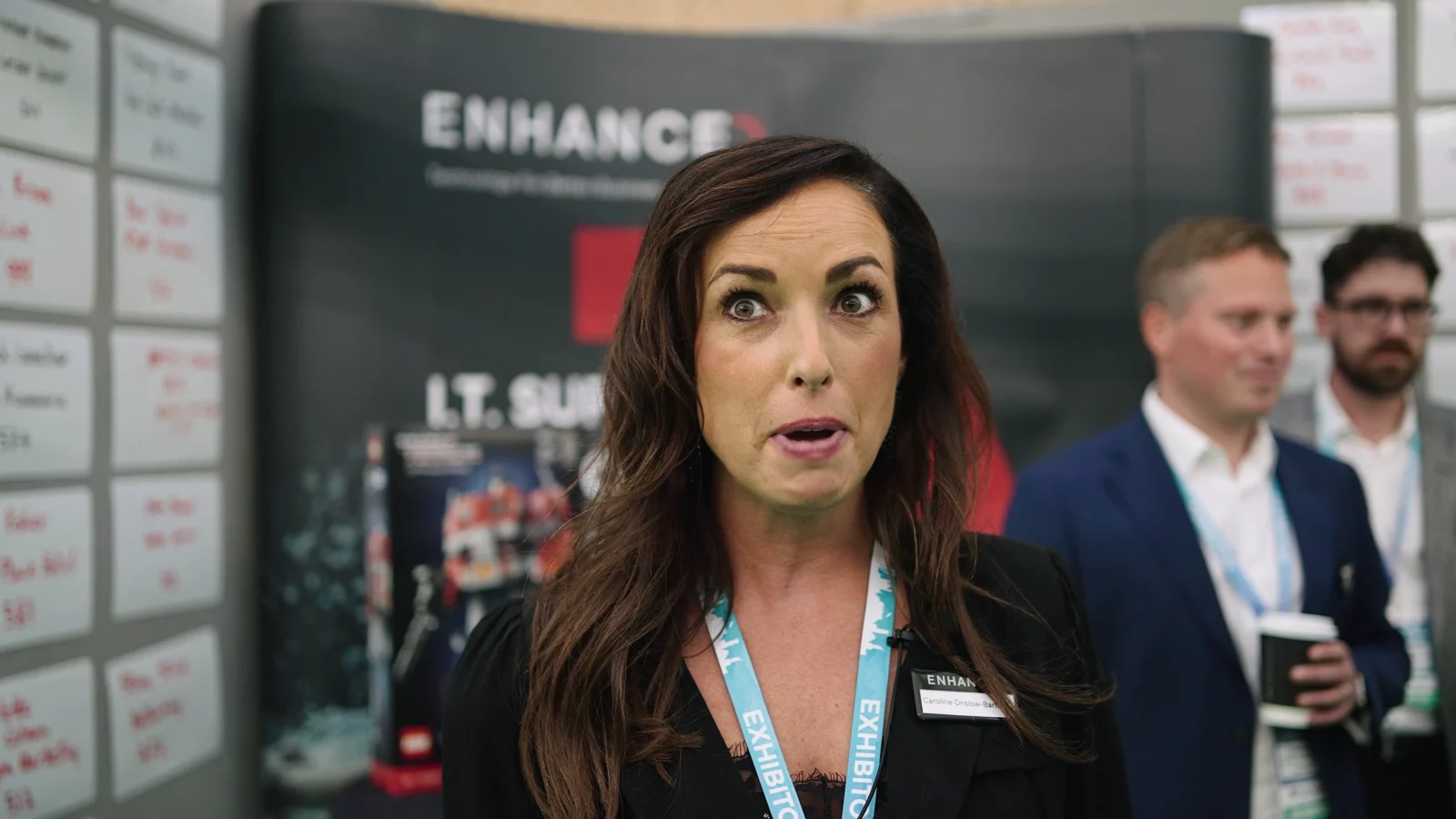
For instance, if you want to get booked to film corporate interviews, show an actual interview. Let the producer hear the sound, see the lighting and judge whether you can make a normal office look good. If you want event work, show what you can capture when people are moving, lighting is awkward and nothing can be repeated.
If a project involved a larger crew, credit your actual role. There is nothing wrong with having been the second camera operator or assistant. Claiming the entire production as your own is a much bigger problem.
The route many people overlook: work for other production companies
This is where I would spend a good chunk of my time, particularly when building a freelance diary.
Production companies do not necessarily need another business to take over their projects. Sometimes they just need another dependable person. Someone is double-booked. A client wants two cameras rather than one. There are simultaneous events in different locations. An editor is overloaded. A producer needs someone local instead of sending a crew halfway across the country.
Five everyday reasons a production company needs one more person
- Double-bookedTwo jobs land on the same day.
- Two camerasThe client wants a second angle.
- Two places at onceSimultaneous events in different locations.
- Edit backlogAn editor is overloaded.
- Local crewSomeone nearby, instead of a crew sent halfway across the country.
None of these needs another business to take over the project. They need a dependable person.
That is a genuine opportunity for freelancers.
Find companies already making the type of work you want to shoot. Look beyond the big London agencies. Smaller regional production companies, corporate video businesses, events suppliers, livestreaming teams and creative agencies often have changing crew requirements.
Search for companies by type of production and geography, not just “videographer jobs”. A production company in Cambridge might need somebody in Suffolk next week. An agency in London might need a local operator in Colchester for a two-hour interview. You will not always find those bookings on a public job board.
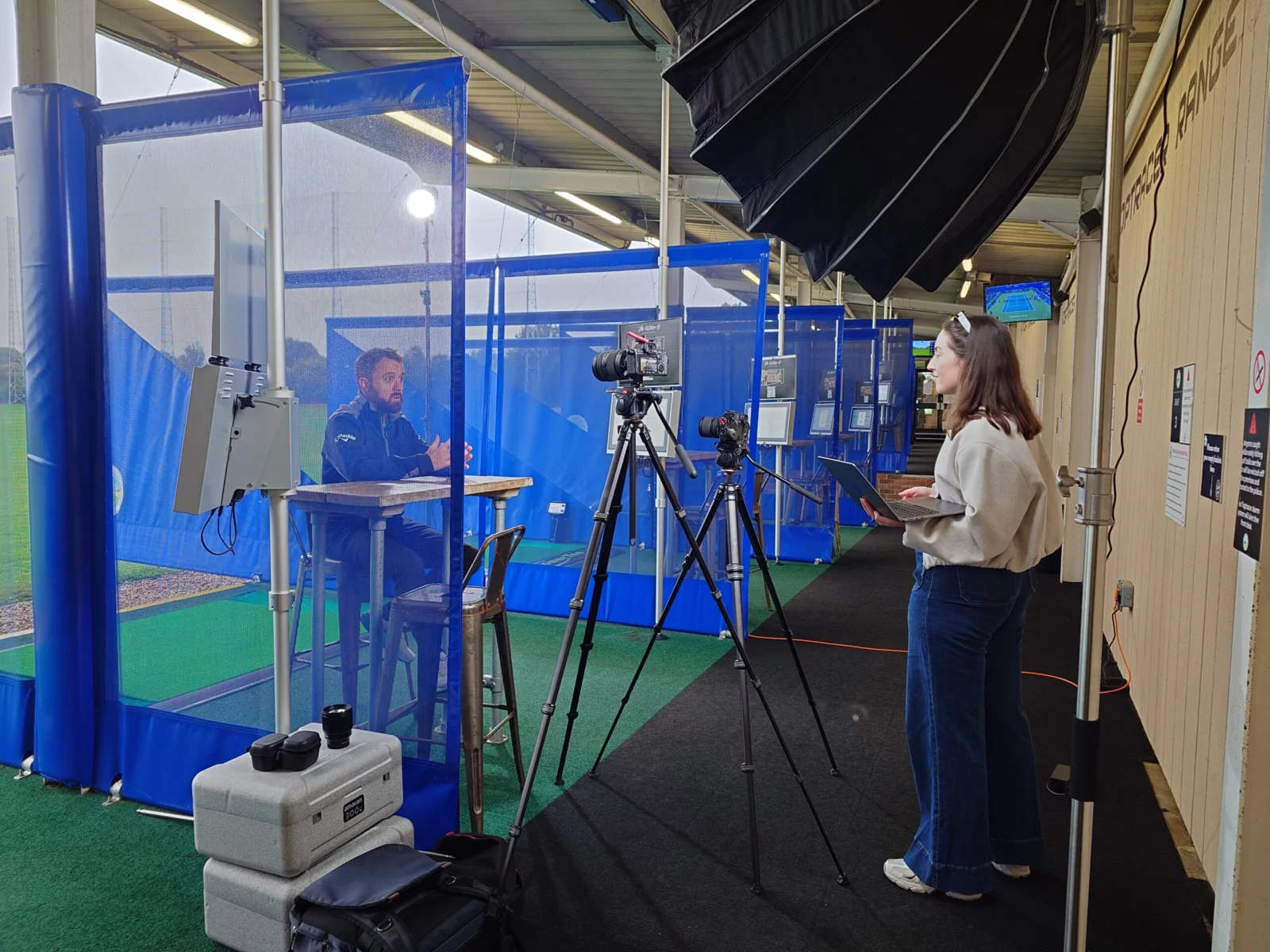
We have an example of this arrangement on our camera operator and crew hire page, including an agency-commissioned corporate shoot. It illustrates the point: sometimes the work is about fitting into someone else’s brief, rather than owning the entire client project.
How I would approach a producer
Don’t send a 600-word biography. Make it relevant and easy to respond to.
Subject: Freelance videographer / camera operator – Essex and Suffolk
Hi [Name],
I came across your work on [specific project or type of production]. I’m a freelance videographer based in [location], working on [relevant types of shoots].
If you ever need an extra camera operator or local filming support in [areas], I’d be happy to be considered.
Here are a couple of relevant examples: [link] and [link]. I can provide [accurate kit / sound / lighting details] and work to an existing brief and footage specification.
No need to reply unless it’s useful, but I’d be glad to send over availability and rates when something comes up.
Thanks, [Name]
That’s it. Personalise it properly. The producer should be able to see why you contacted them, what you can do and where your work lives.
Not every message will get a reply. Some people already have a full crew list. Others may save your details and contact you months later. A polite, relevant introduction can be useful without becoming a stream of nagging follow-ups.
If you’re doing outbound email or direct messages, follow the UK’s marketing and privacy rules. The ICO’s guidance on business-to-business marketing explains why contacting a limited company is not always treated the same as emailing a sole trader.
Where to look for freelance videography jobs
I would treat job platforms as one source, not the entire strategy.
LinkedIn is useful for finding producers, production managers, creative agencies and people posting requests for crew. Search for terms like freelance camera operator, videographer, shooter/editor, video producer and camera assistant, then look at the people and companies behind the listings.
ProductionBase lists UK film, television and commercial production roles. The Dots is another place to look for creative and freelance opportunities. Check the actual requirements, locations, costs of membership where applicable and whether each opportunity suits your experience.
Local film and media communities, professional groups, production meet-ups and former colleagues can be just as useful. A photographer may be asked for video. A sound recordist might know a producer who needs an operator. An editor may be asked if they know someone who can film additional material.
The point is not to join every platform on the internet. It is to become known by people who regularly commission the sort of work you can actually deliver.
And be careful with jobs advertised as “great exposure”. You still have travel, equipment, insurance and living costs. Not every opportunity is worth accepting just because it involves a camera.
Getting booked once is good. Getting invited back is better.
When we’re considering freelance crew at The Camera Guys, the showreel matters. But so do the things a showreel can’t tell us.
Will the person read the brief? Can they show up prepared and on time? Are they friendly with clients and contributors? Can they stay calm when the schedule changes? Will their footage arrive in the agreed format, properly organised and without a surprise technical issue for the editor?
Those things matter because bringing another person onto a shoot is a decision about trust, not just image quality.
A few habits are worth developing early:
Know the job
- Confirm the details. Location, call time, parking, access, contact person, shooting format, sound requirements, deliverables and who is directing.
- Don’t guess at the technical spec. Ask about frame rate, resolution, codecs, colour profile, audio and media handover if they haven’t been supplied.
- Be honest about what you can cover. If the job needs a separate sound recordist or a second operator, say so before the shoot.
Protect the relationship
- Look after the client’s relationship with the company that booked you. If you’re there as their crew, don’t use the day to pitch your own services to their client.
Finish properly
- Finish the handover properly. Agree who backs up the footage, how files will be transferred, how long you retain copies and when the producer can expect them.
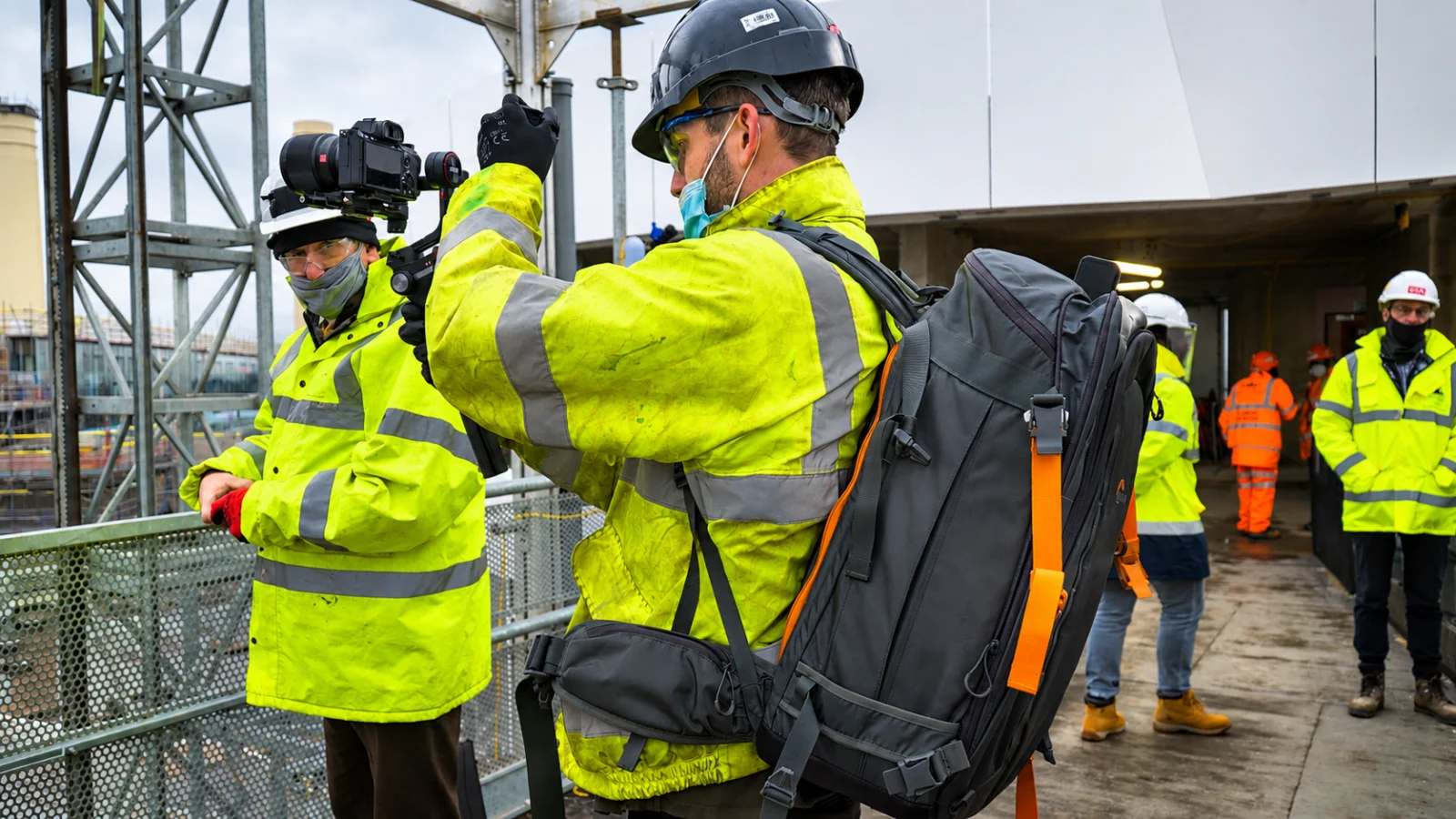
You don’t need to be everyone’s best mate. You need to be somebody they feel comfortable putting in front of a client again.
That also means respecting confidentiality. If you’re working under an agency’s name or on a project with an NDA, don’t assume you can immediately put the footage on Instagram or add it to your showreel. Agree what you can share and how the work can be credited.
Bringing another person onto a shoot is a decision about trust, not just image quality.
Want your own clients? Sell the result, not the camera
Finding direct clients is a different exercise.
A marketing manager probably isn’t searching for somebody who owns a particular lens. They need a staff recruitment film, a convincing customer testimonial, footage for a product launch or enough short content to cover the next few weeks.
Start by choosing the kind of work you can explain clearly. “I make videos” could mean almost anything. “I film and edit clear, professional interviews and customer stories for businesses in Essex and Suffolk” tells someone much more.
“I make videos.”
“I film and edit clear, professional interviews and customer stories for businesses in Essex and Suffolk.”
Then show them what the finished work is for. What problem did the project address? What did the client receive? Where could they use it? That is more persuasive than a list of specifications.
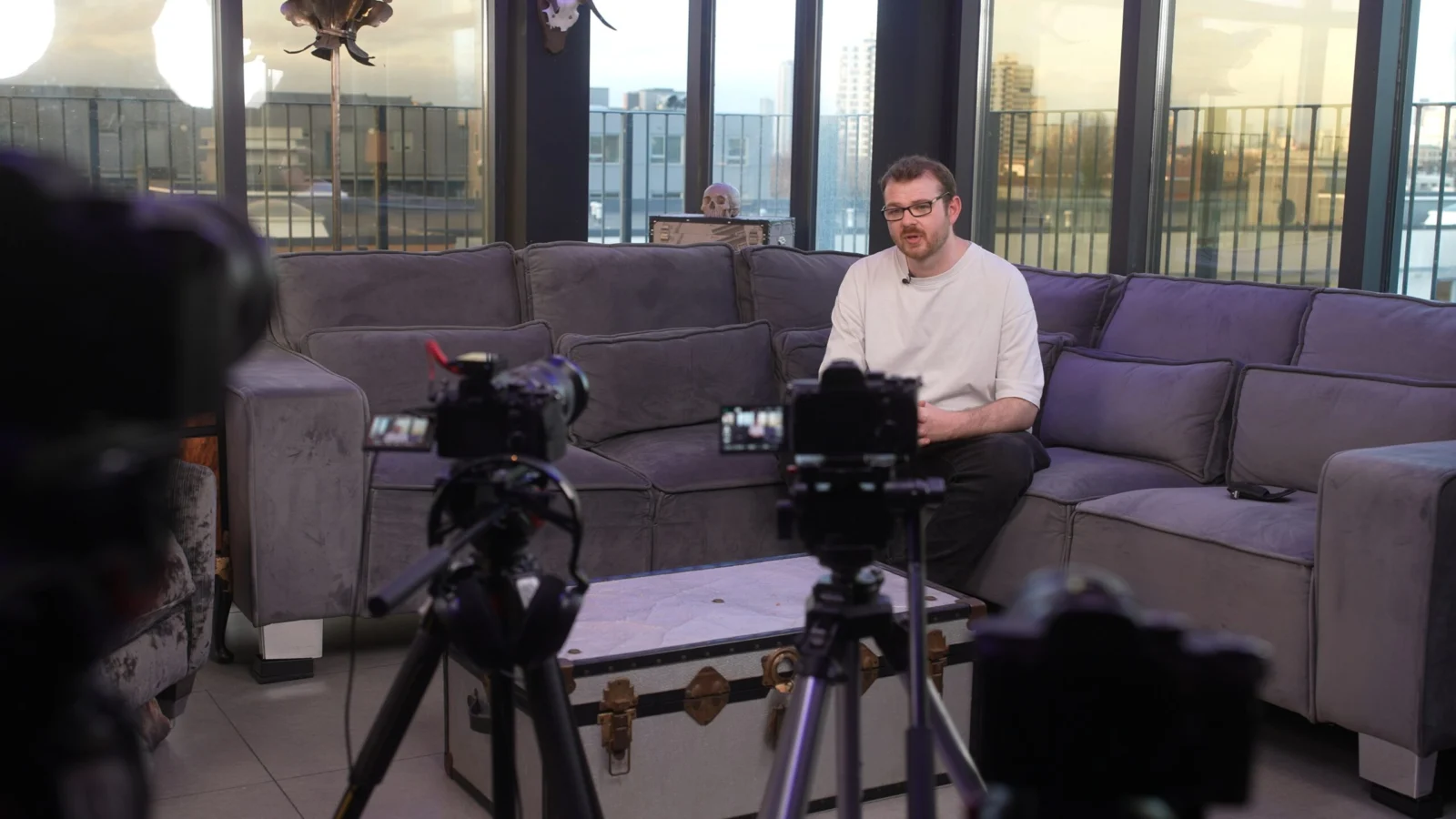
Our own portfolio uses individual projects to show the types of work we’ve delivered. A freelancer doesn’t need dozens of case studies, but giving context to a few strong examples helps potential clients picture what they would get.
For local work, a simple website that makes your location and service clear is useful. So is being discoverable on Google, keeping an active and credible LinkedIn profile, and maintaining relationships with people who have already booked you. Ask satisfied clients for permission to share the film and for a review or introduction when appropriate.
I wouldn’t spend all day posting “available for work” graphics. Share actual finished pieces, thoughtful behind-the-scenes material, examples of difficult problems you’ve solved and the types of assignments you’re taking on. Give somebody a reason to remember you when a brief lands.
A better way to contact a prospective client
If you find a business that could genuinely benefit from your services, don’t tell them their current videos are rubbish. Show that you understand their business and suggest a realistic use for video.
A short introduction might point to an upcoming event, a new service or a team that would benefit from filmed interviews, then link to one closely related example of your work. Avoid promising results you can’t substantiate. One relevant message is more useful than a huge generic mailing list.
Existing clients are often overlooked. If you’ve filmed an event for somebody, ask whether they have another one planned. If you’ve made a recruitment video, they may need staff interviews or updated material later. That is a much easier conversation than constantly starting from zero.
Don’t win the booking by losing money
Early on, it can be tempting to say yes to anything. But a full diary is not much use if the work leaves you exhausted and underpaid.
Be clear about what your rate includes. A crew day rate might cover your time only, or it might include a basic camera package. Travel, parking, accommodation, specialist equipment, editing and extra hours can change the economics substantially. Confirm the working day, overtime, cancellation terms, payment deadline and deliverables before the booking.
A freelance crew rate
- Your time Always
- Basic camera package Sometimes
- Travel & parking Agree it
- Specialist kit Agree it
- Editing & extra hours Agree it
A production company’s client quote
- Planning Included
- Equipment & travel Included
- Insurance Included
- Project management Included
- Editing & revisions Included
- Contingency Included
- Responsibility for the finished film Included
- Working day
- Overtime
- Cancellation terms
- Payment deadline
- Deliverables
- What the rate includes
Freelance camera-operator pay is also not the same thing as the amount a production company charges its end client. The company’s quote may cover planning, equipment, travel, insurance, project management, editing, revisions, contingency and responsibility for the finished production. Our separate guide to videographer pricing explains that client-facing side.
For UK industry benchmarks, check the relevant Bectu ratecards. They cover different roles and production sectors, so don’t assume a film or TV camera rate automatically applies to every small corporate shoot. Use the relevant guidance to inform a sensible negotiation, alongside your experience, location, equipment and the actual scope.
Get agreements in writing, even when the relationship is friendly. Keep records of invoices and expenses. If you’re starting to trade for yourself, check HMRC’s sole-trader guidance and any insurance or other requirements relevant to your work.
There is no shame in turning down a booking that isn’t viable. Just be professional about it.
If I needed more freelance bookings next month, here’s where I’d start
I wouldn’t buy another camera and hope it brings work in.
- Tighten the portfolioTwo or three relevant projects, your role, where you’re based, how to get in touch.
- Make a shortlistProduction companies, agencies and people you could genuinely help.
- Contact individuallyTrack who you’ve spoken to. Follow up only where it makes sense.
- Reconnect & sharePast colleagues and clients, useful listings, one or two pieces of proof.
- Track what worksSpend more time on the relationships that actually bring paid work.
I’d spend the first few days tightening my portfolio around the bookings I actually want. Two or three relevant projects, a clear description of my role, where I’m based and a straightforward contact method.
Then I’d make a shortlist of production companies, agencies and people I could genuinely help. Not hundreds of random names. People whose work I understand, with a good reason to consider me. I’d contact them individually, keeping track of who I’d spoken to and following up thoughtfully only where appropriate.
Alongside that, I’d reconnect with previous colleagues and clients, check useful freelance listings, and share one or two pieces of work that prove what I can deliver. I’d leave time to do the admin too: rates, insurance, invoicing, terms, backups and a tidy workflow for handing over footage.
Finally, I’d keep track of where real enquiries come from. If most of the paying jobs arrive through three producers who already know me, I’d spend more time maintaining those relationships and less time trying to go viral.
None of that guarantees a fully booked month. But it gives the effort some direction, rather than endlessly refreshing job boards.
Can you work freelance for a production company and still have your own business?
Absolutely. The two can sit side by side, provided you’re clear about each relationship and any contractual restrictions.
On one day you may be hired as a camera operator under another production company’s brief. On another day, a client may book you directly to handle a complete film. The important things are knowing whose client it is, who is directing the work, what you’ve agreed to deliver and how the footage can be used.
That’s how we look at freelance collaboration at The Camera Guys, too. We plan and manage our productions, while bringing in trusted freelance specialists when a project needs additional people or particular expertise. The people on a shoot don’t all have to be permanent employees for the production to be properly led, coordinated and accounted for by one company.
If you’re a videographer, photographer, editor or another production specialist interested in working with us, take a look at our freelance opportunities and crew application page. We’re building a network of dependable people across East Anglia, London and the wider UK. Assignments are offered when suitable work comes up, and joining the network doesn’t guarantee bookings.
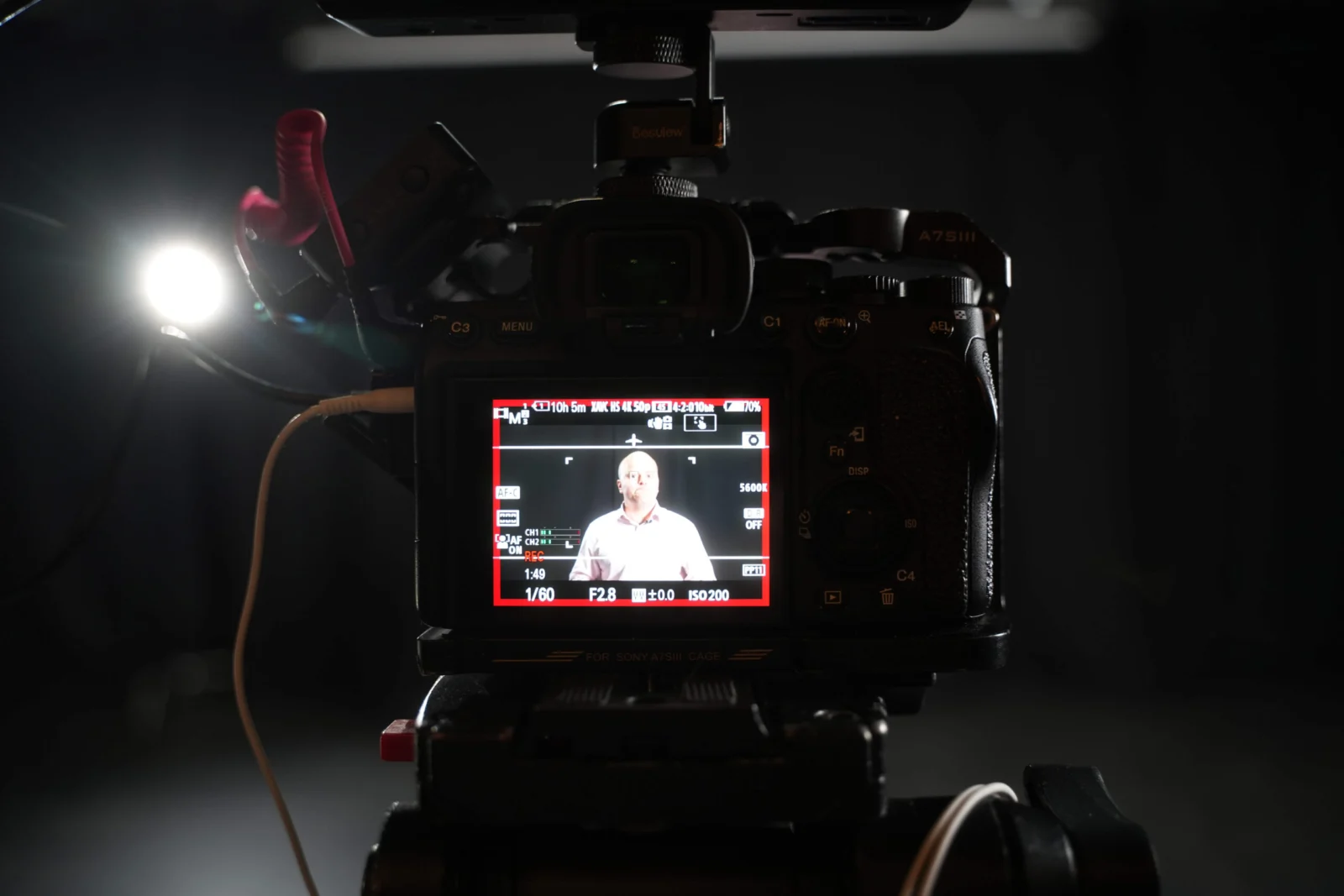
Videographer, photographer or editor? Work with The Camera Guys.
We bring trusted freelance specialists onto productions across East Anglia, London and the wider UK when a project needs them.
Apply to the crew networkAssignments are offered when suitable work comes up. Joining doesn’t guarantee bookings.
A few questions I hear from people starting out
How do I find freelance videography work with little experience?
Start with honest, relevant examples of what you can do. You may need to build a small portfolio through your own projects, clearly agreed collaborations or junior crew roles. Approach people for work that fits your present abilities rather than overstating your experience. Being a good assistant or second camera operator is a perfectly respectable way into production.
Do I need to own professional camera equipment?
Not always. Some productions supply their own kit and hire operators for their skills. Others expect an operator to bring an agreed camera, audio and lighting package. Be precise about what you own, what you can hire and what would be an additional cost. Never claim to have equipment you cannot supply.
Is freelancing for agencies better than getting direct clients?
It depends on the work you enjoy and the responsibilities you want. Agency and production-company bookings can let you concentrate more on filming or editing within a team. Direct clients may offer more control over the project, but also bring sales, planning, revisions and client management. A mix can help, especially if you protect each client’s relationship and respect confidentiality.
The bit that lasts longer than a showreel
Finding freelance videography work takes more than one good film. You need to be visible to the right people, make it obvious how you can help and follow through when somebody gives you the booking.
Good work gets noticed. Being reliable, straightforward and genuinely helpful is what gives people a reason to call you again.