Separate promotional coverage from the record of the talks
For a highlights film, an editor needs variety: people arriving, a sense of place, activity, reactions and selected spoken contributions. A full presentation needs consistent coverage from beginning to end, with intelligible sound throughout.
Those demands can overlap during a live event. If an important speaker is on stage while a useful interaction is happening elsewhere, the production plan needs to establish the priority. A second camera angle does not automatically mean there is a second operator available to follow a different activity.
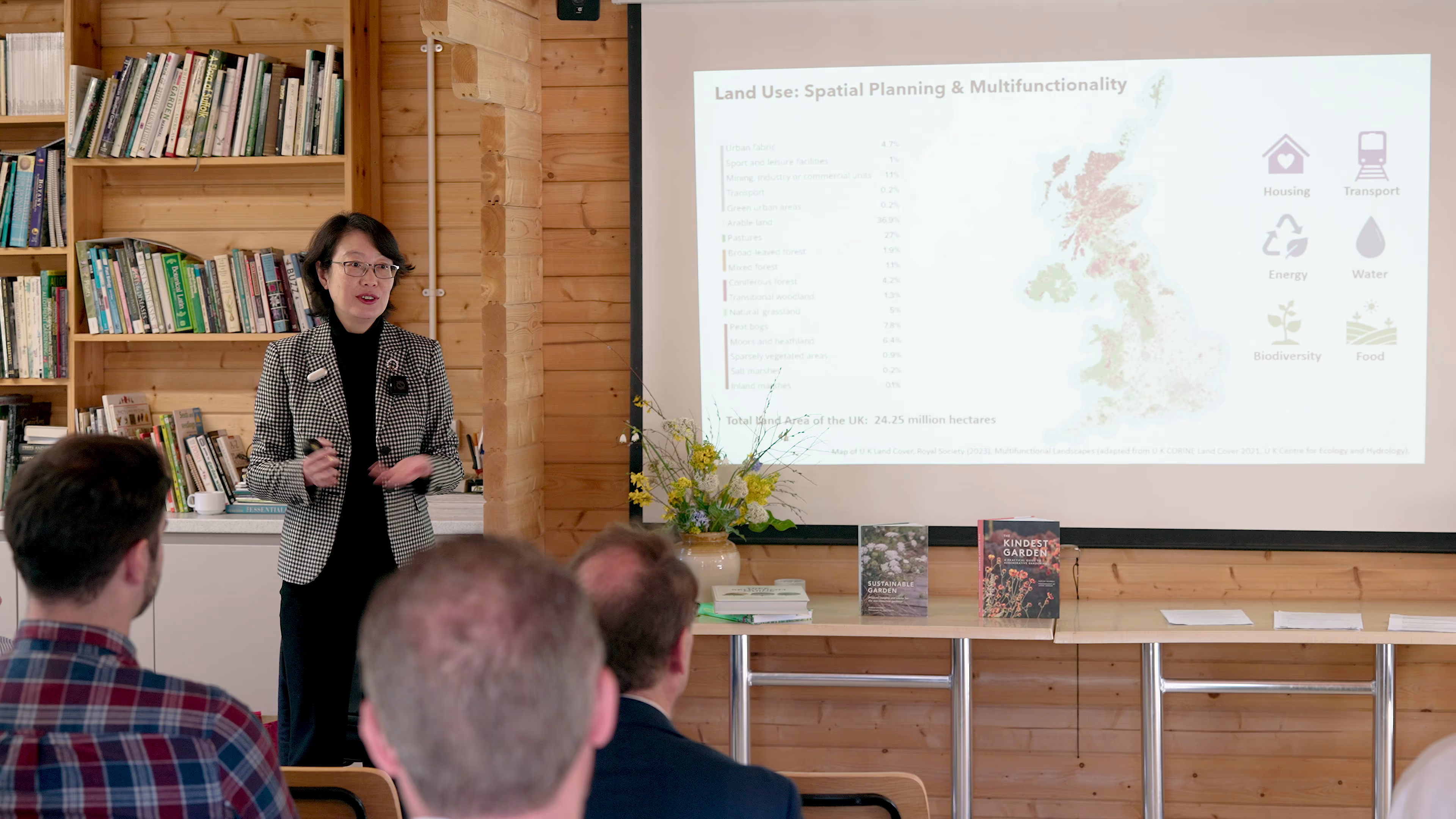
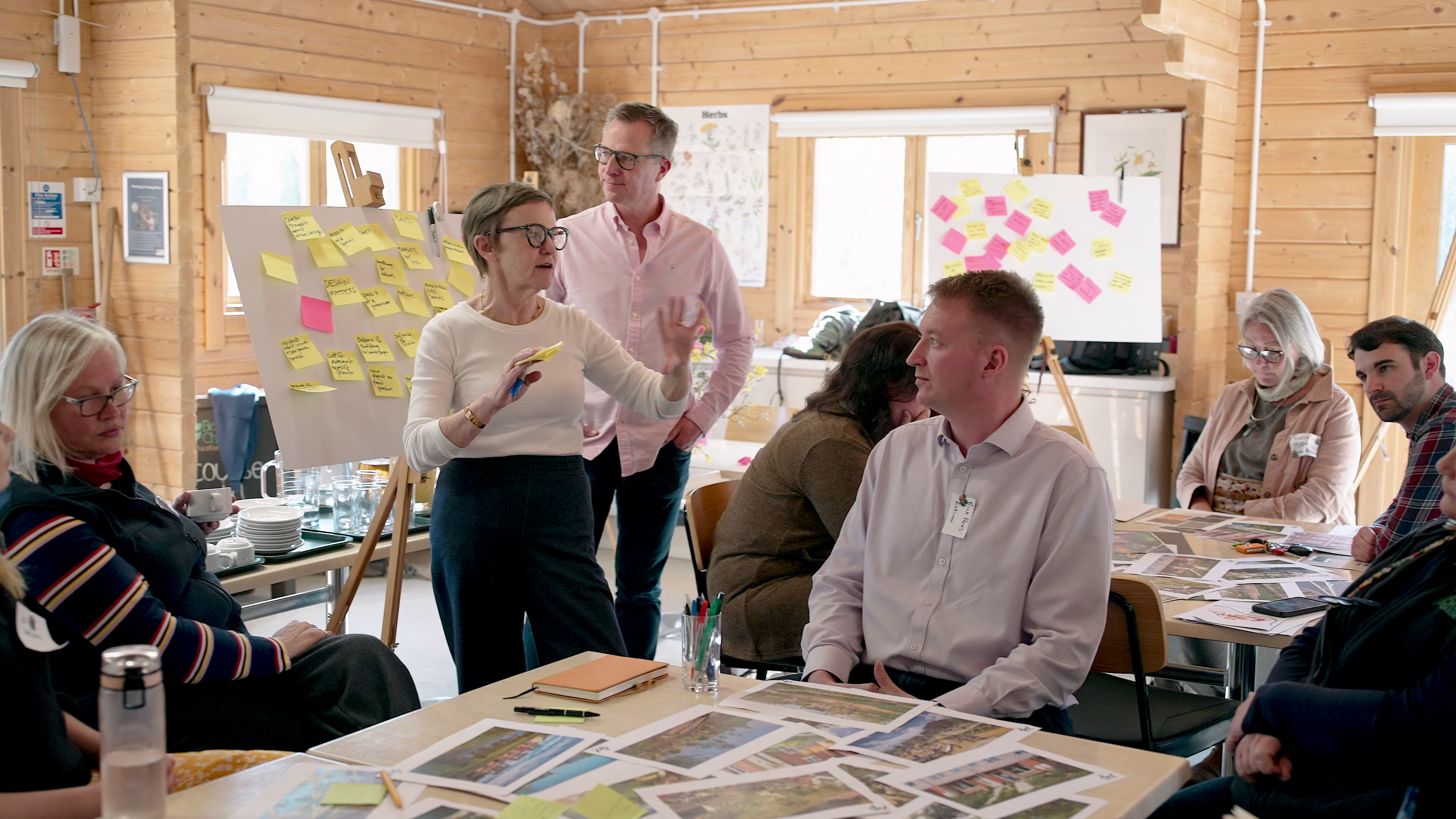
At the Beth Chatto workshop, the deliverables included fully edited multi-camera guest-speaker content alongside promotional films. When briefing workshop and event filming, specify which sessions must be recorded in full and which need only contribute to the overview.
Make space for participant interviews
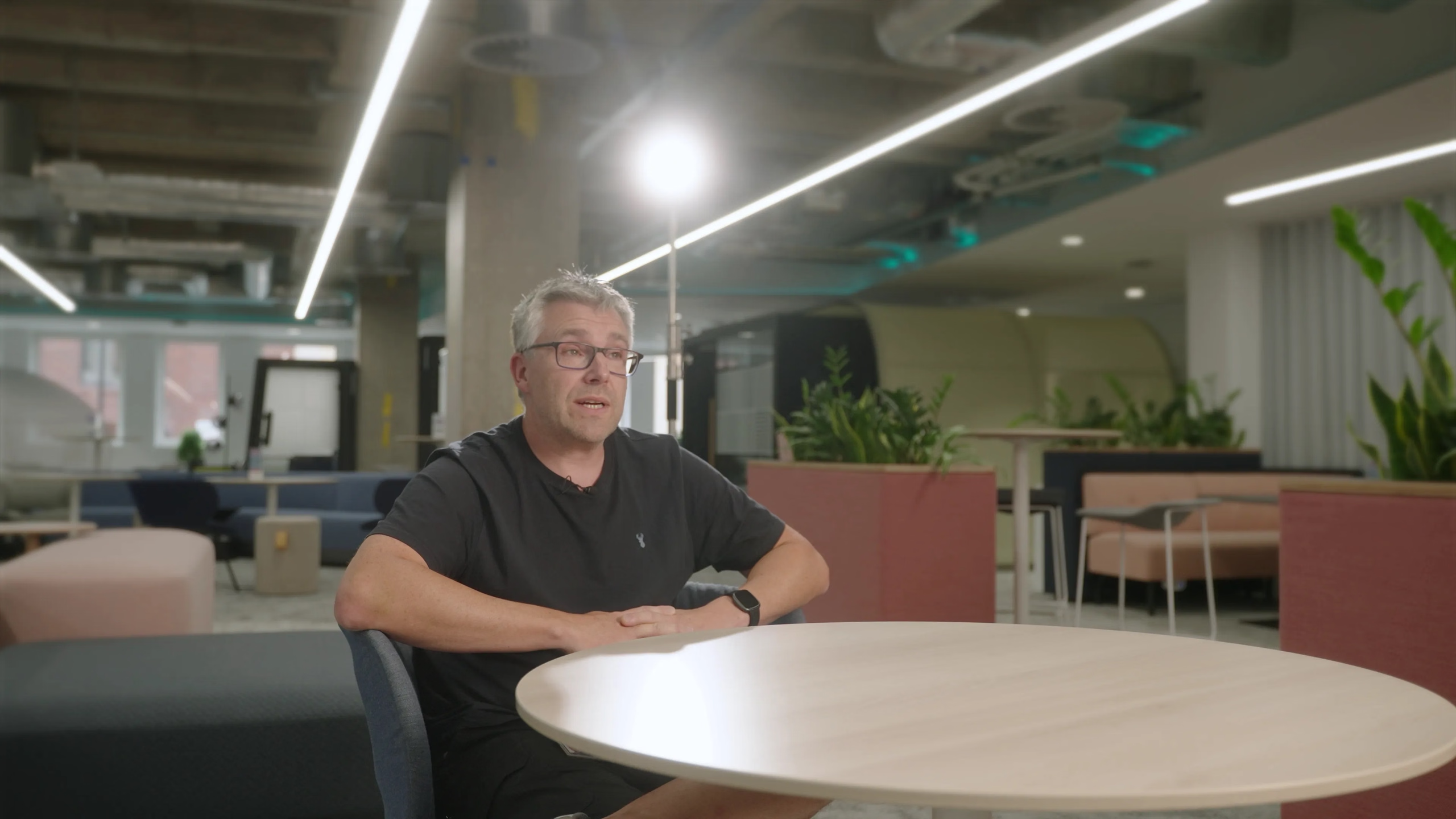
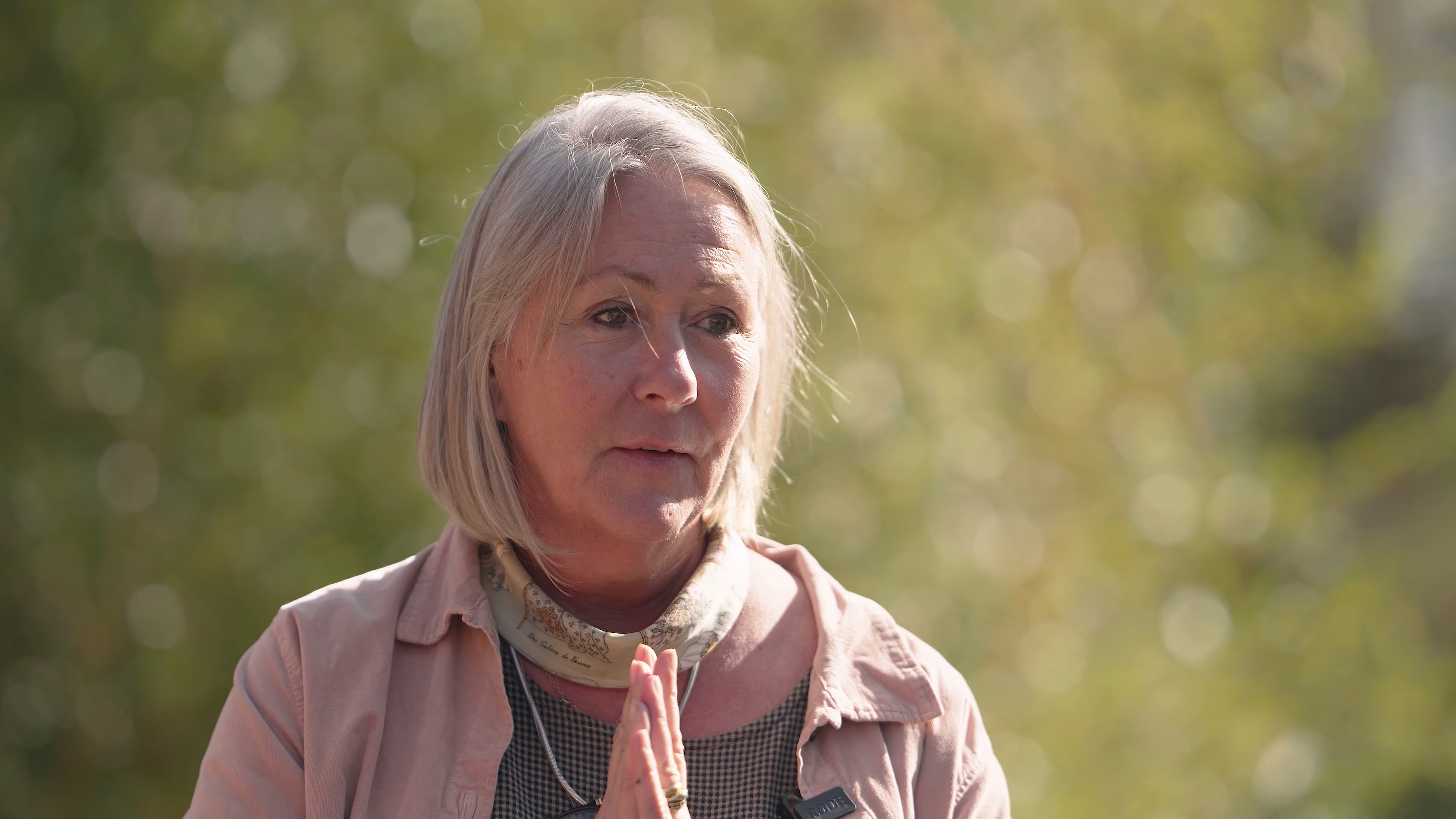
Ten interview clips were part of this project’s final package. Participant contributions need an opportunity in the schedule: a suitable place to talk, someone available to answer and enough time to record a complete thought.
For your own event, identify likely contributors in advance and agree how they will be approached. A break can offer a useful window, but it may also be the only time available for room changes, location footage or speaker preparation.
Keep questions focused on experience. What stood out? Which idea will the participant take back to their work? A short, specific answer is often more useful than a general statement that the day was enjoyable. Ask for an answer that makes sense without the interviewer’s question being heard.
Plan a realistic schedule for the crew you have
Our Beth Chatto shoot used one videographer for six hours. That is a fact about this production, rather than a universal allowance for a workshop package. Another venue, running order or interview requirement could call for a different plan.
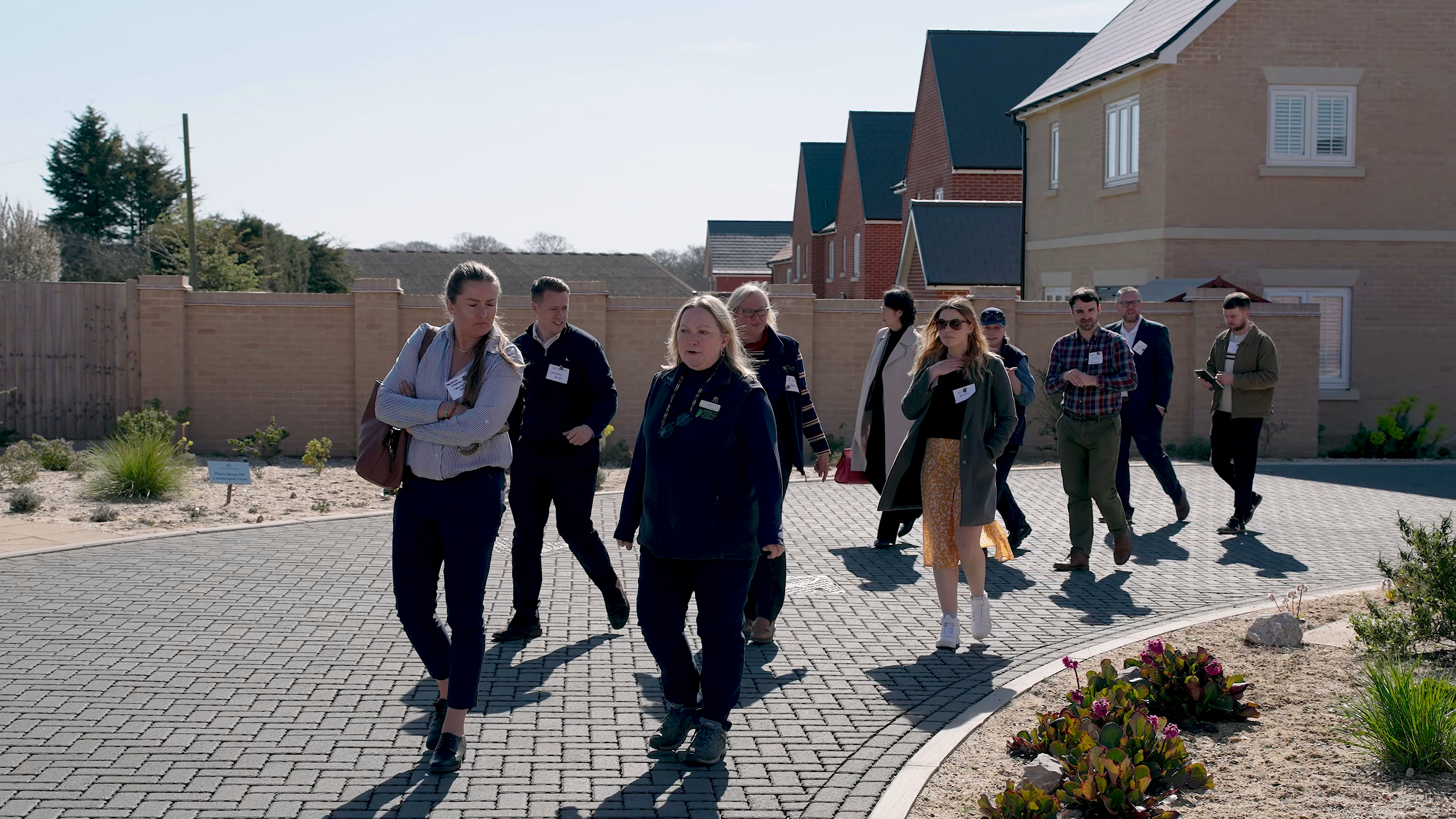
Share the programme and any travel between locations before the shoot. Mark the moments that cannot be repeated, and distinguish them from details that can be filmed when the programme allows.
A useful briefing document names the essential sessions, interview opportunities and supporting scenes. It should also explain who can help locate participants and confirm changes to the running order. Our videographer services can then be scoped around what is practical to cover.
Treat audio as part of the event plan
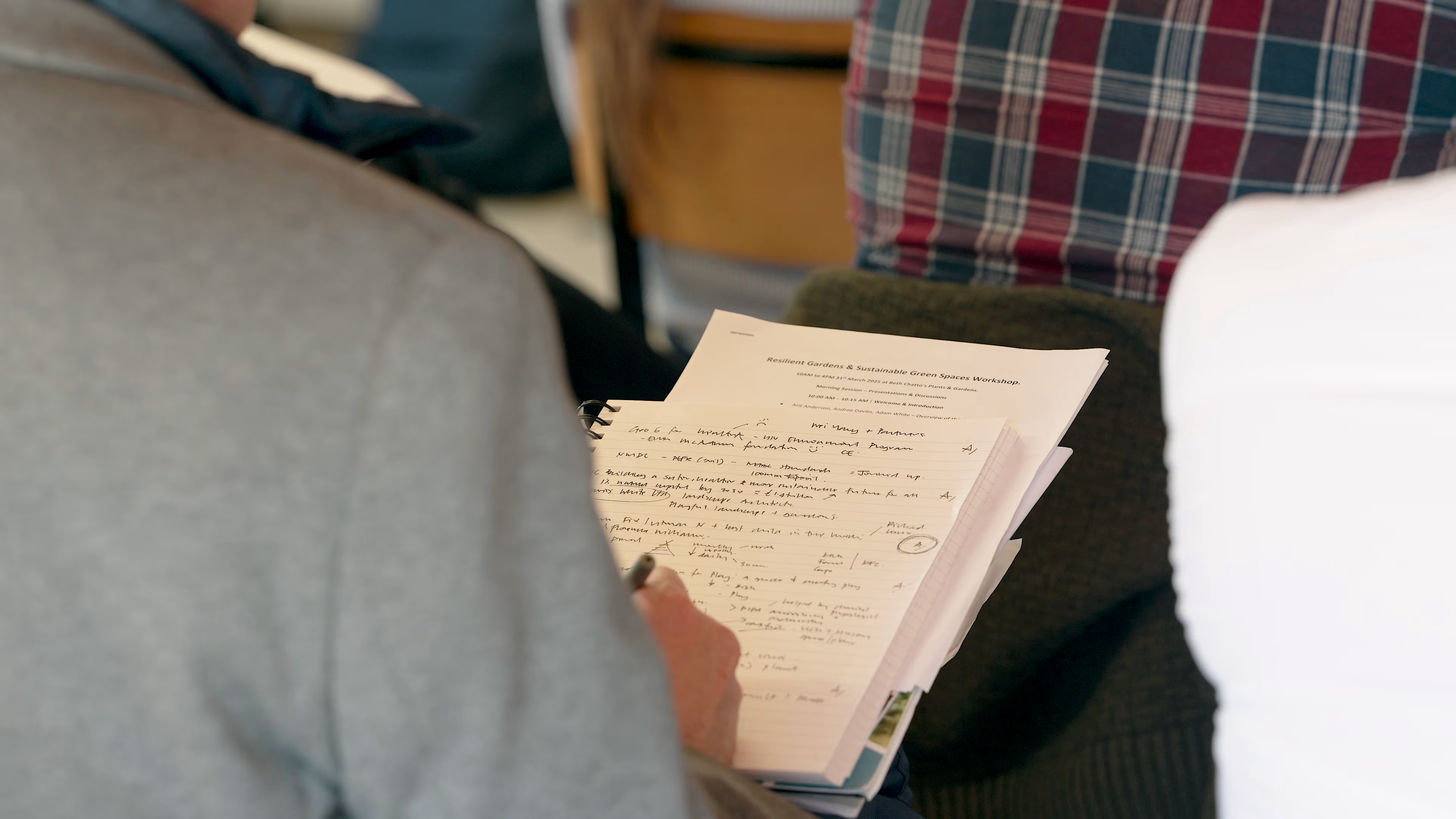
Multi-camera pictures still depend on usable dialogue. Confirm how each speaker will be recorded, who is responsible for microphones and whether there is time to check the sound before the session starts. Audience questions may need their own arrangement.
One contribution in the Beth Chatto material required substantial restoration because the speaker had not been adequately mic’d. The post-production work made the recording usable, but it also shows why audio deserves attention before filming begins.
Include sound checks and any available backup recording in the production discussion. Restoration can improve a difficult recording, but it cannot be assumed to recover every missing word or remove every distraction.
Edit the highlights around ideas, not just the timetable
The order of a live programme is designed for people in the room. An online audience may need a different introduction, a faster explanation of the subject and clearer connections between speakers.
On this project, the edit involved rearranging material, reducing pauses and filler, and selecting supporting visuals around the spoken content. The aim was a concise narrative that retained what the contributors meant.
When reviewing a highlights cut, ask whether an unfamiliar viewer can understand the central question and follow the transitions. Keep the longer speaker versions for the detail that cannot fit comfortably into a short introduction. This balance is also useful in corporate video production, where different audiences may need different levels of explanation.
Allow for the finishing work across the whole series
A package of films needs consistent speaker names, lower-thirds, titles and colour. Confirm spellings and job titles with the client team, then leave time to check each exported version.
The Beth Chatto films also used natural ambience and birdsong, with a custom music remix and edit to fit the structure. Sound can connect a presentation to its setting, provided it leaves the dialogue easy to hear.
Finally, agree how the files will be delivered and labelled. We supplied this collection through Google Drive. A clear distinction between the main film, teaser, speaker content and interview clips helps the receiving team find the version they need.
Use a deliverables list as the starting point
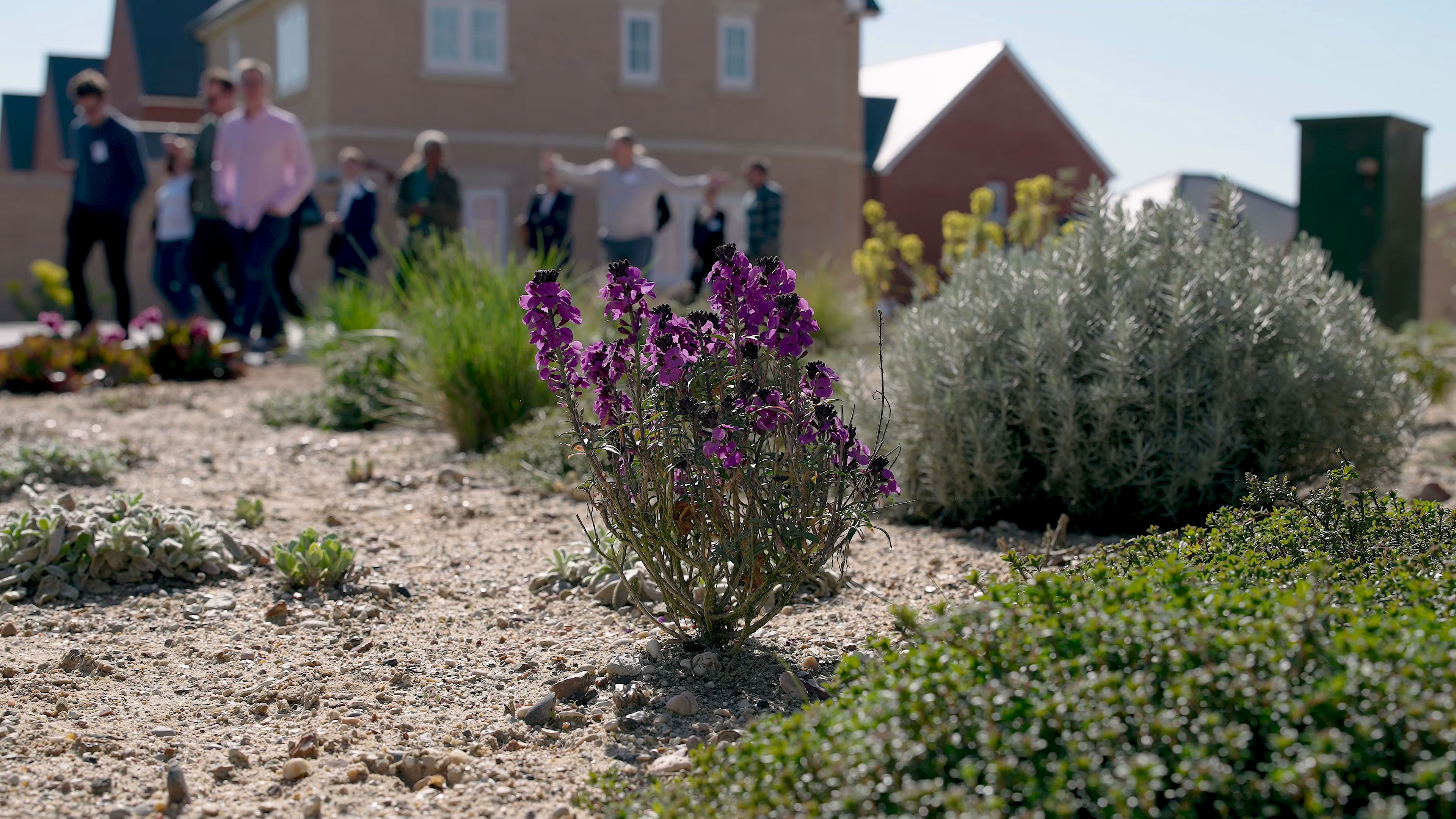
For this job, the list was a main promotional film, a 30-second teaser, fully edited multi-camera workshop speaker content and ten participant interviews. Each format had a purpose, and each added a requirement to the shoot or the edit.
See the finished promotional film and production story in our Davies White and Beth Chatto Gardens event-film case study. If you are organising a workshop or conference in Colchester or elsewhere in Essex, send us the programme and the films you want to take away.