How to Choose a Video Production Company
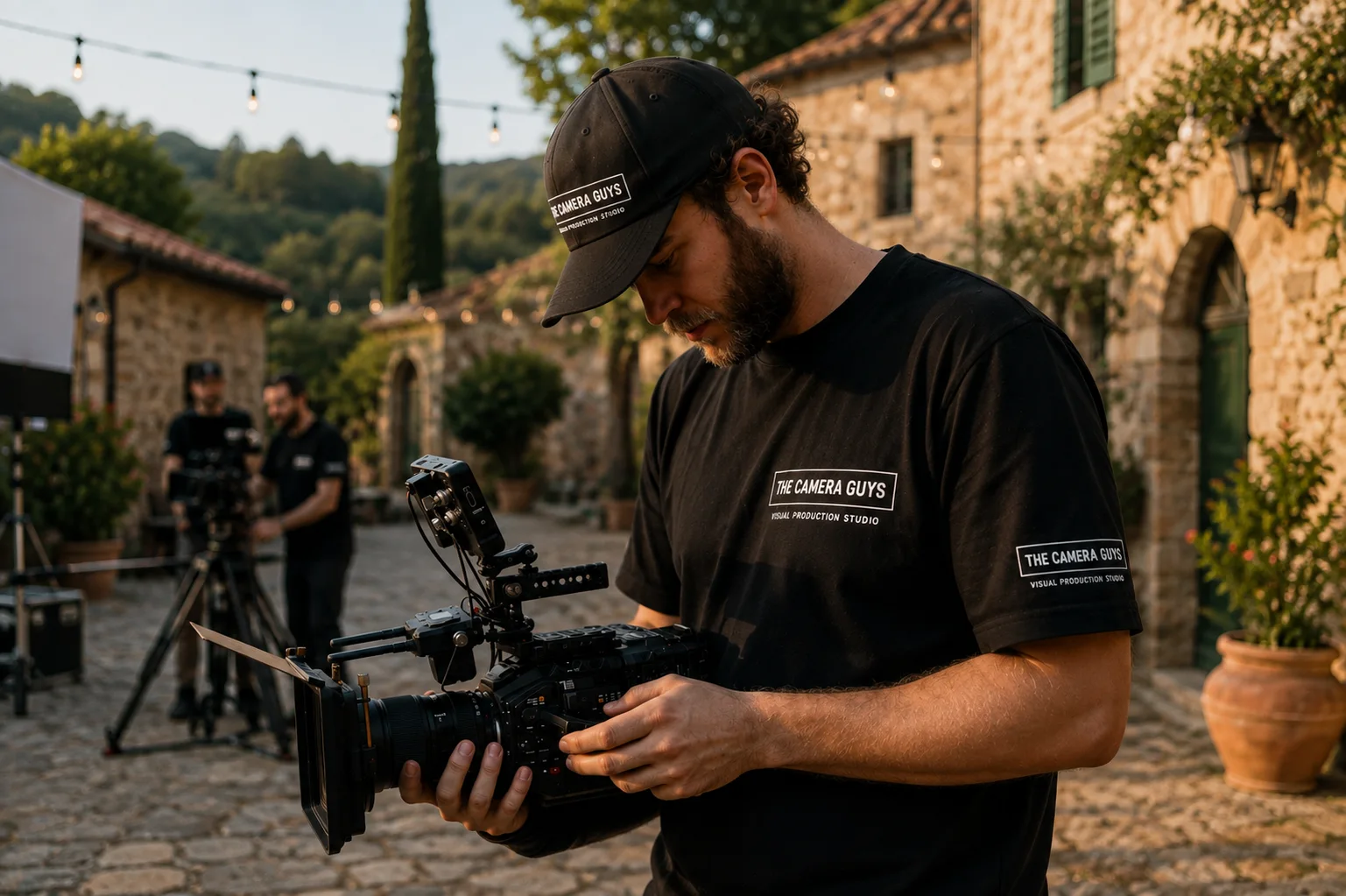
A good showreel can put a video production company on your shortlist. Choosing who to work with takes a little more investigation.
You need to know whether the team can understand your business, work comfortably with the people appearing on camera and deliver the films you need within the agreed budget. Beautiful pictures matter, but so do clear communication and a well-organised shoot.
Start with relevant finished work. Then find out who would make your video, how they would prepare for it and exactly what their proposal includes. The right choice is not necessarily the largest company or the lowest quote. It is the team whose work and approach fit your project.
Here are nine things to check before you book.
1. Be clear about what your video needs to achieve
You do not need a finished script before approaching a production company. You do need to explain why you are making the video.
For example, "we need a recruitment video" leaves plenty open to interpretation. "We want prospective employees to understand the day-to-day work before they apply" gives the conversation a useful starting point. It suggests who the audience is and what the film should help them understand.
Explain where the video will appear, your deadline and any practical constraints. Share a budget range when you have one, so the company can recommend an approach you could realistically commission.
Then pay attention to the questions you are asked. Does the conversation explore your audience and message, or move straight to filming dates and equipment?
Our guide to writing a video production brief covers the information worth gathering. Treat the brief as the start of a discussion, not a test you have to pass before asking for help.
2. Watch complete films, not just the showreel
A showreel lets you see a range of work quickly. It does not tell you whether a company can sustain a story, explain a service or make an interview interesting from beginning to end.
Choose a few finished films to watch properly. Can you follow the message without someone explaining the brief first? Are voices clear? Does the music support the content rather than overwhelm it? Do the pictures show something useful, or simply look attractive?
Look for work that resembles what you need. A spectacular outdoor montage tells you less about filming interviews in your office than a well-made business film does.
When browsing a video production portfolio, consider the whole film rather than just the opening shots or the names of the clients involved.
3. Ask why their previous experience is relevant
A company does not have to have filmed your exact type of business before. It should be able to explain which previous projects involved similar challenges.
That might mean interviewing people who are not used to cameras, showing a technical process clearly or filming around a busy workplace. Ask what the client needed and why the team chose that particular approach.
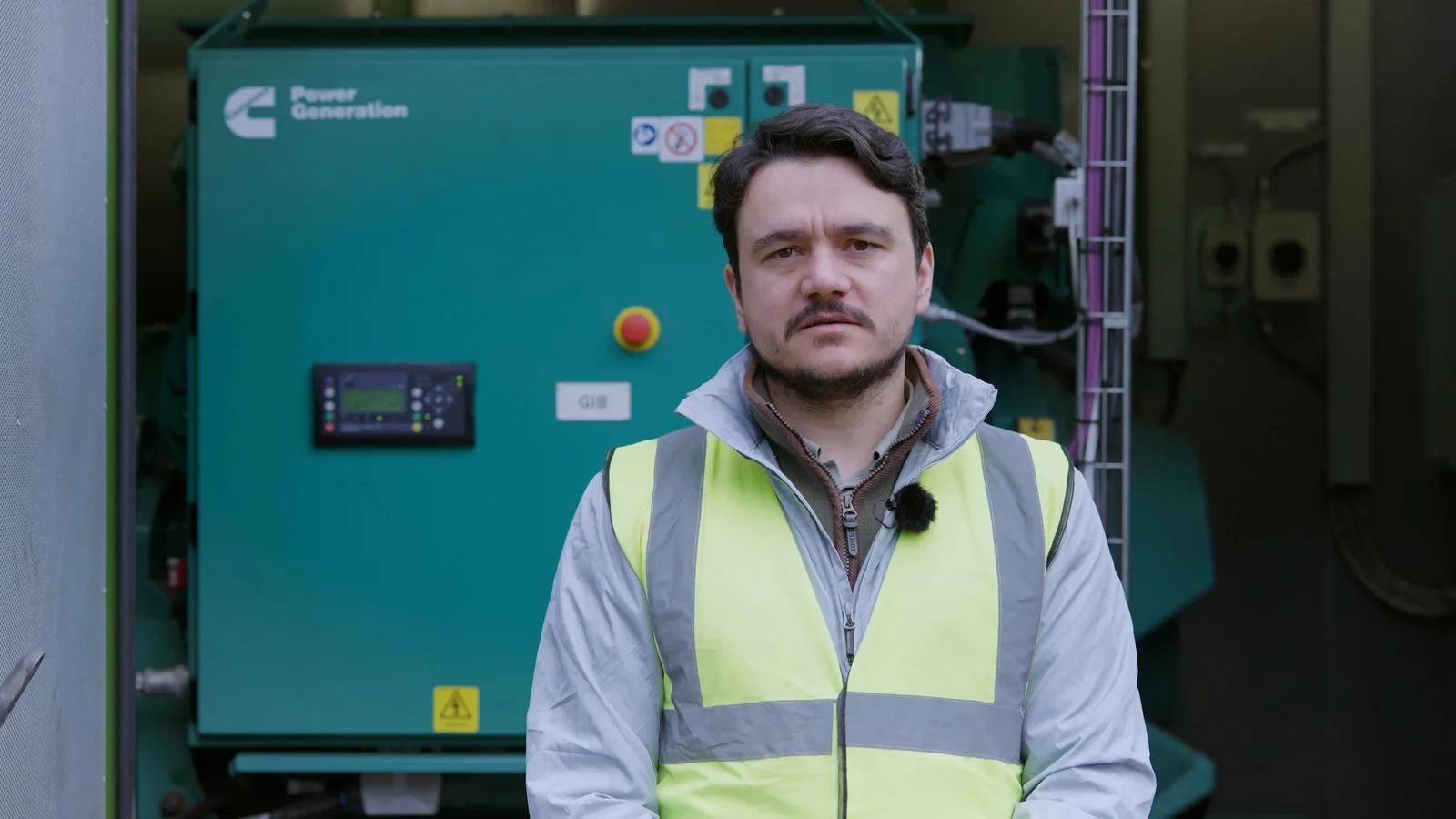
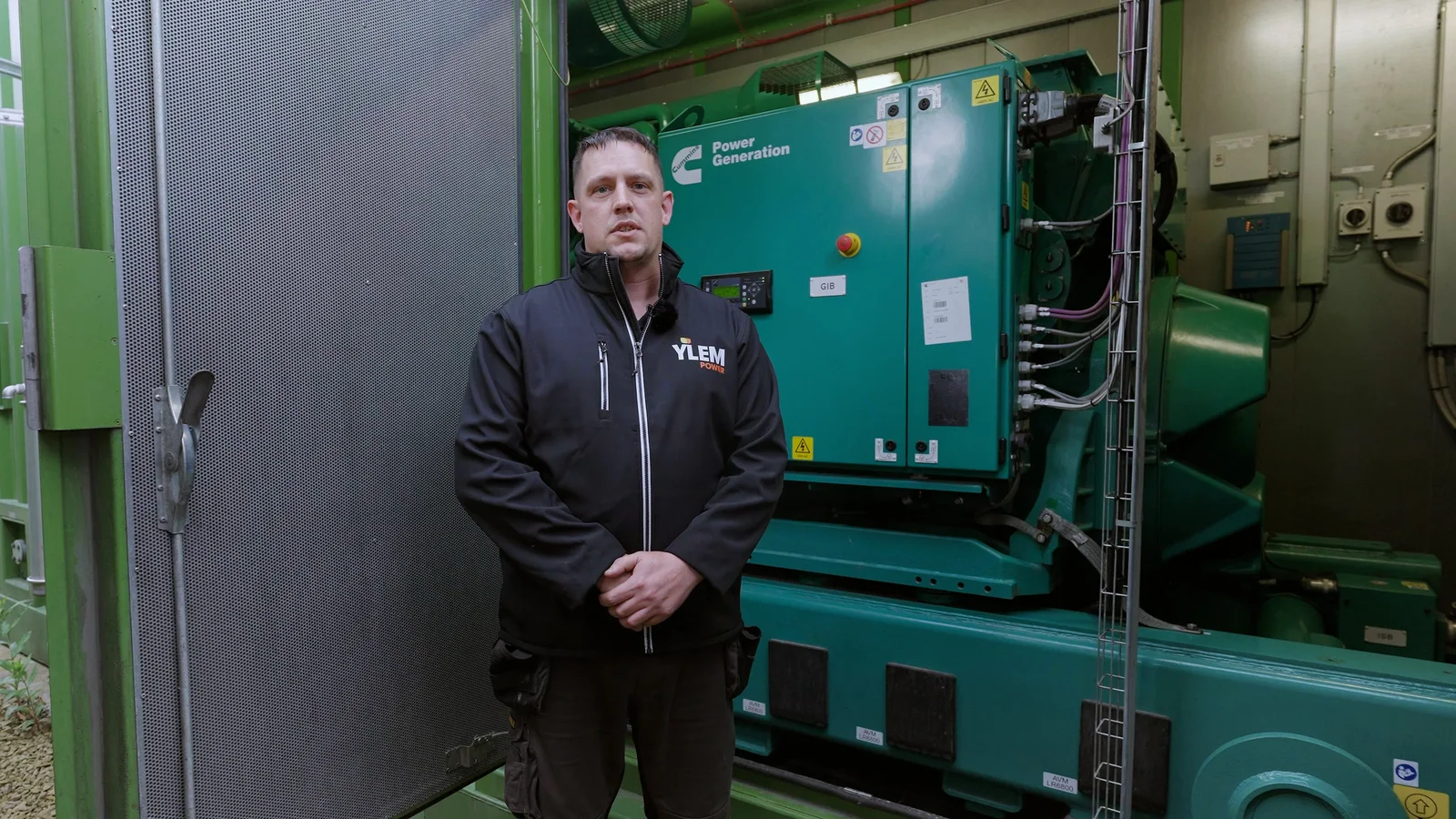
Our YLEM Terra Firma case study, for example, brings together customer testimony, YLEM's expertise and footage of the working site. It is a relevant example for a business looking to explain a technical service through the people delivering and using it.
Our Essex Sport Juniors project had a different brief: five individual activity videos and an overall promotional edit, with filming completed by one videographer within half a day.
Those projects are useful for different reasons. Ask a shortlisted company to make that connection to your brief, rather than simply sending its most impressive-looking work.
4. Find out who would actually work on your project
Ask who would be your main contact, who would lead the shoot and who would edit the footage. Where a portfolio includes work by several teams, ask which examples best represent the people proposed for your project.
A company using freelance crew is not automatically a concern. What matters is how those people are selected, briefed and managed, and who remains responsible for the result. Ask what happens if an assigned crew member becomes unavailable.
It is also worth speaking to the person who will direct your interviews. Would your colleagues feel comfortable asking them questions or admitting they are nervous?
Crew size should follow the work. One experienced operator may suit a controlled interview, while simultaneous activity in different rooms may need additional coverage. Our guide to how many camera operators you need explains the distinction.
Choosing between an individual and a larger team? Our production company versus freelance videographer guide looks at the practical differences without assuming one is always better.
5. Look closely at the preparation, not just the filming day
Ask the company to walk you through what would happen between accepting the quote and arriving on location.
Who develops the outline or interview questions? Who organises contributors? When do you approve the key messages? What will your team need to supply, and by when?
Discuss the location too. For an office interview, that could mean finding a quiet room, checking access and allowing enough time to set up before your colleague arrives. For a working site, ask how filming would fit around normal operations.
Preparation should also include the people appearing on camera. A useful question is: "How would you help someone who has never been filmed before?"
Not every project needs an elaborate storyboard or a word-for-word script. The plan should be detailed enough to make the shoot workable, without adding paperwork for its own sake. Our explanation of what a video production company does sets out the responsibilities worth discussing.
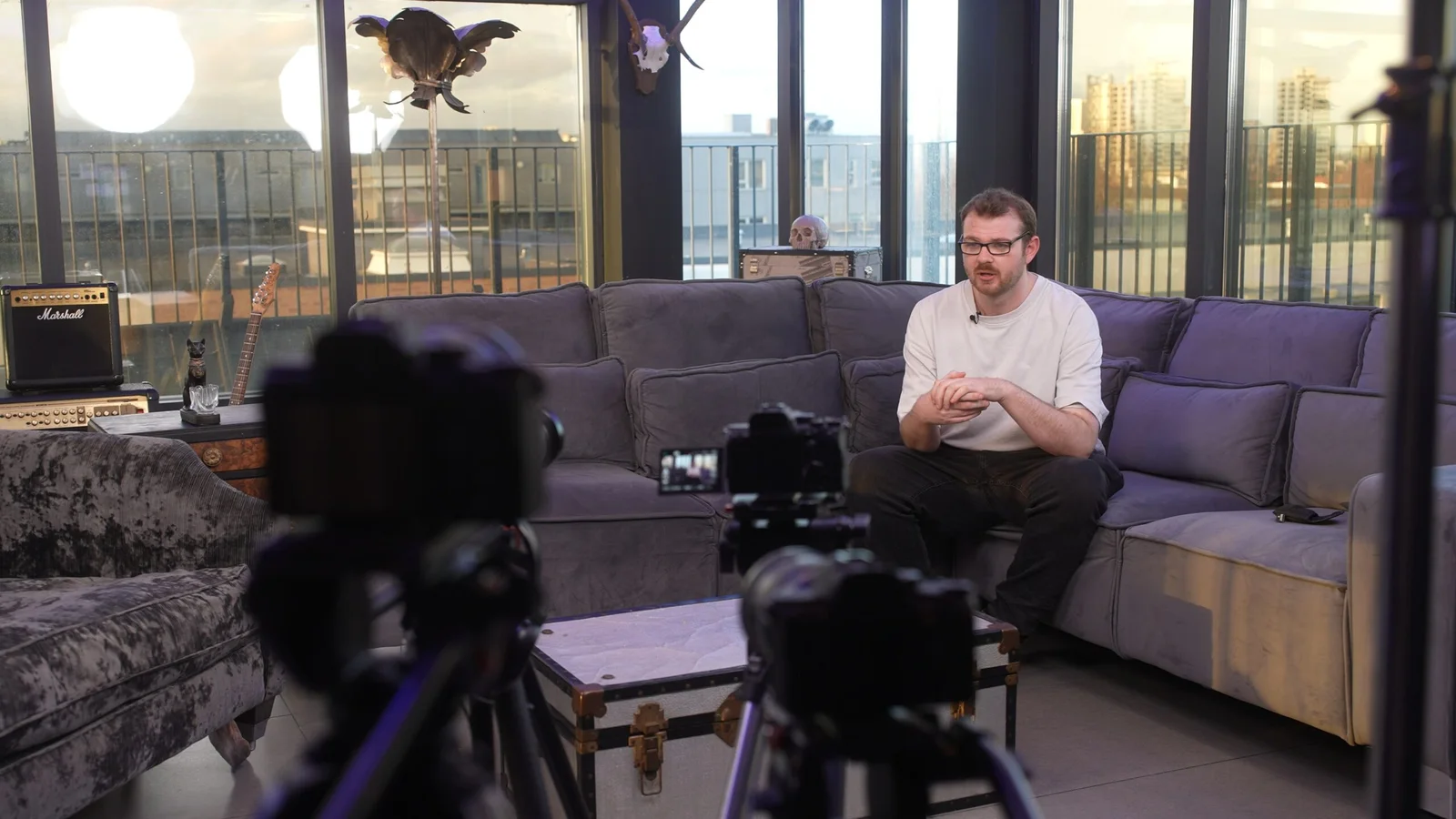
6. Ask how they will protect the footage you cannot afford to lose
Equipment matters, but a list of camera models is not a production plan.
Talk about the parts of your project that would be difficult to repeat. A live presentation, a customer available for one morning or a process happening only once all deserve specific attention.
Ask how speech will be recorded and checked, how essential moments will be covered, and how files will be copied and backed up. Discuss contingency arrangements for equipment problems, illness or a location becoming unavailable.
The answers should fit the job. You are looking for a practical explanation, not a claim that nothing could ever go wrong.
Where your venue or organisation has insurance, access or documentation requirements, raise them before booking. Give the company a chance to confirm what it can provide and identify anything that needs arranging separately.
7. Agree how editing, feedback and deadlines will work
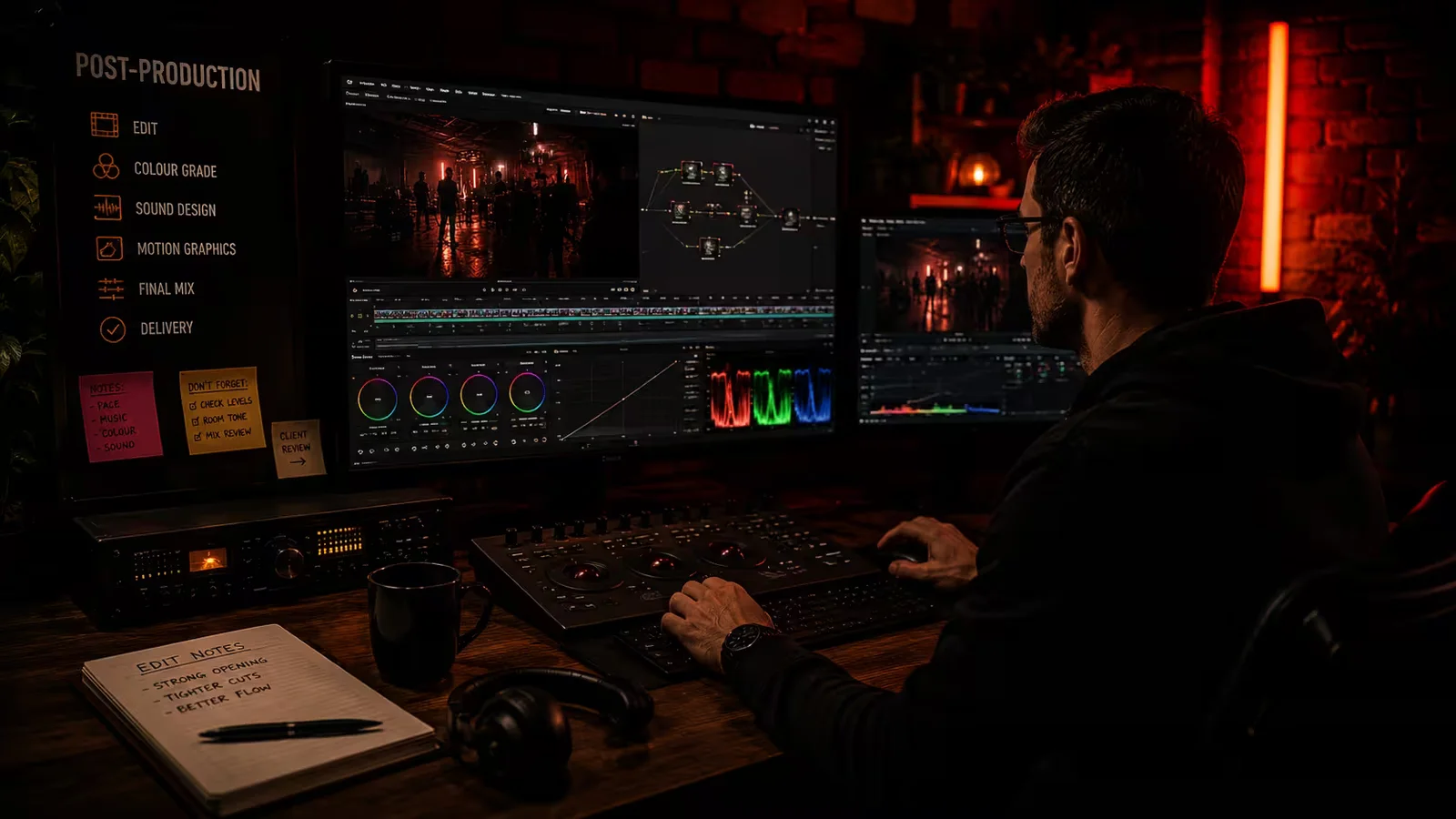
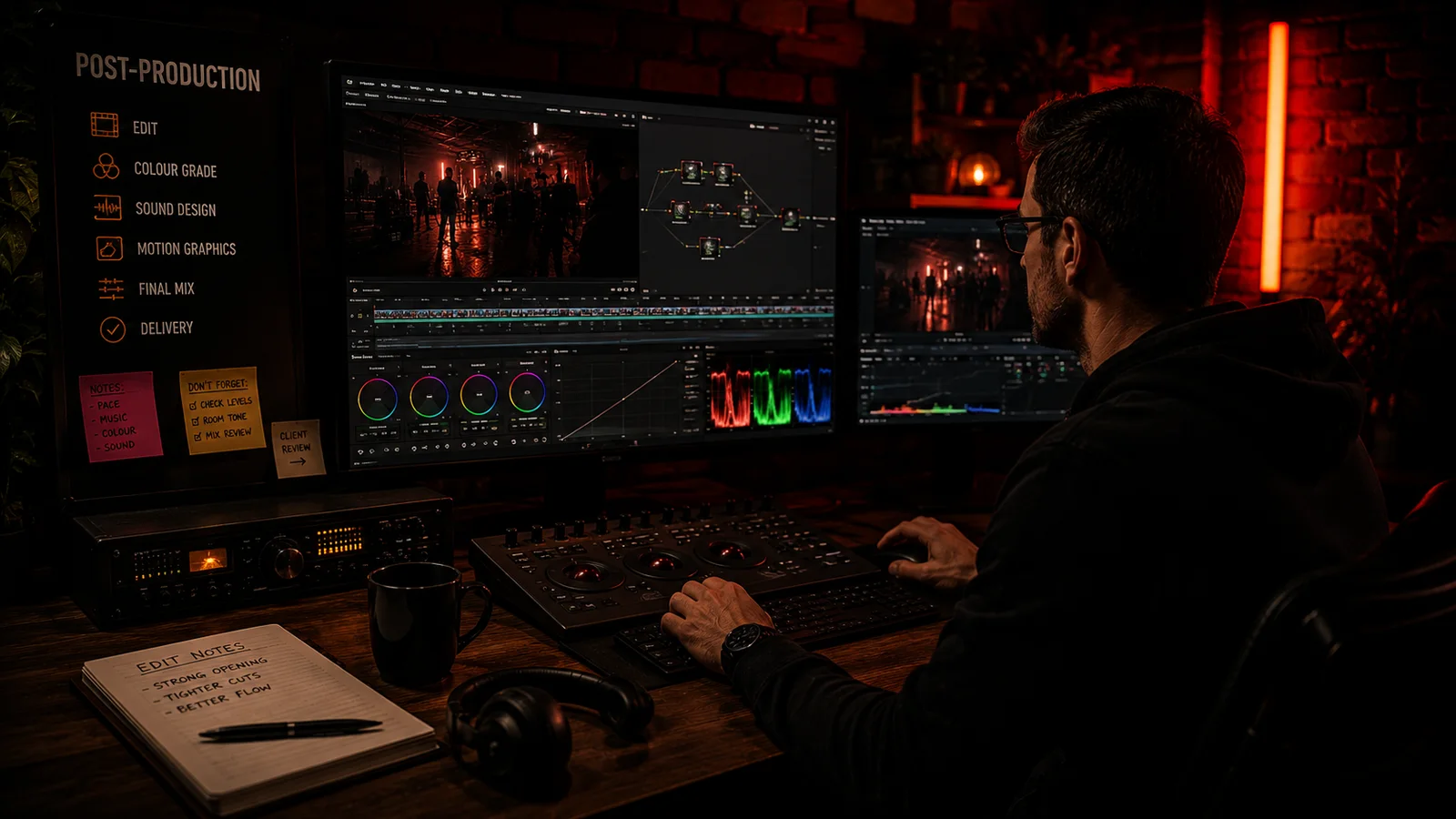
Do not stop at confirming the filming date. Ask when you will see the first edit, how feedback will be collected and when the approved files will be delivered.
Clarify how many review rounds are included and what counts as a change to the original brief. Shortening an answer is a different request from adding another interview or making an extra film.
On your side, choose one person to collect feedback and return an agreed set of comments. Resolve conflicting opinions internally rather than asking the editor to decide which department to follow.
Be equally clear about what the deadline means. A video needed for an event may require delivery ahead of the event itself, leaving time to test it on the playback system.
Our guide to how long video production takes explains how preparation, filming and review fit together. Ask the company to show where your approvals sit in its proposed schedule.
8. Confirm the final files, usage and future access
Get specific about what will arrive at the end of the project.
For example, your agreed delivery might be one website film, two shorter vertical versions and caption files. That is much clearer than "a company video with social content". State which versions you need rather than assuming every format is included.
Ask the company to set out the agreed ownership or licence for the finished work, and confirm that music and other third-party material are suitable for your intended uses. Mention paid advertising or other planned uses during the briefing conversation.
Distinguish finished video files from the original recordings and editable project files. Ask which are included, whether additional handover costs apply and how long the company will retain the material.
Also agree who handles contributor and location permissions, any confidentiality requirements, and whether the company may show the work in its portfolio. These are points to settle in writing, not assumptions to discover after delivery.
9. Compare quotes against the same scope
A lower quote is not automatically poor value, and a higher quote is not automatically more professional. First check whether the proposals describe the same job.
Use a simple comparison like this:
| Area | What to compare |
|---|---|
| Preparation | Brief development, scripting, interview planning, scheduling and client responsibilities. |
| Filming | Crew roles, booked hours, setup time, locations and equipment. |
| Editing | Editing allowance, sound, colour, graphics and music. |
| Final delivery | Number of films, approximate lengths, formats, captions and agreed handover dates. |
| Feedback | Included review rounds, approval points and how additional changes are charged. |
| Usage and handover | Agreed uses, third-party assets, source-file delivery and retention arrangements. |
| Total and terms | Travel, specialist extras, VAT where applicable, payment stages and cancellation or postponement terms. |
One supplier may have included planning and several finished edits. Another may have quoted only for filming. Neither figure means much until you know what your team would still need to arrange or pay for.
Ask about anything unspecified rather than treating an omission as an inclusion. When the total is above your budget, ask which parts of the production could be simplified and what the trade-offs would be.
Our guide to video production costs in the UK explains the main components of a project budget. You can also check our video production pricing for a starting point before requesting a quote for your own brief.
Warning signs worth following up
An imperfect first proposal does not necessarily rule a company out. However, pause when important questions continue to go unanswered:
- You cannot see relevant finished work or establish who would be responsible for your production.
- Deliverables, review allowances and potential additional costs remain vague, or verbal promises never appear in the written proposal.
- The company guarantees views, enquiries or sales without explaining the publishing plan, measurement or assumptions behind the claim.
Ask for clarification. What matters is whether the response gives you enough information to make a confident decision.
Choose a team you understand and trust
Before booking, you should be able to explain what you are buying, who is making it, what your team needs to do and when the finished work will arrive.
Apply those questions to us too. Explore our corporate video production work, then tell us about your audience, intended use, deadline and budget. We can discuss a suitable approach and set out the proposed work in a clear quote.
Talk to The Camera Guys about your video project.