
How to Write a Video Production Brief
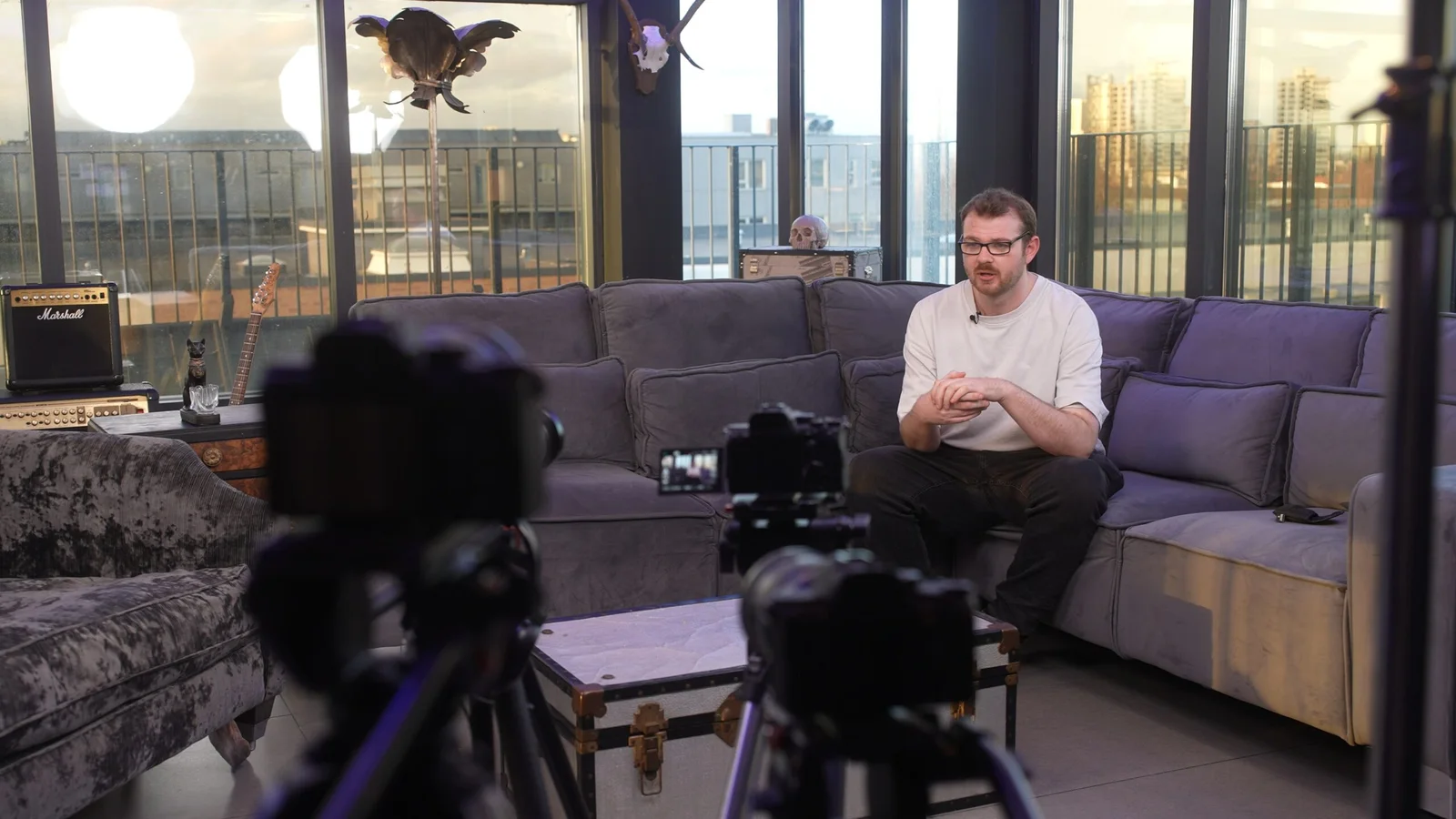
A good video production brief should make the project easier to understand, not make it look more complicated than it is.
You do not need to know which camera should be used, what lens would suit the location or whether an interview should be filmed on two cameras. You do not even need to arrive with a finished script. Those decisions can be worked out with the production team.
What is useful is the context behind the job: who needs to watch the film, what they need to understand, what you want them to do next, what has to be included and what practical constraints could shape the production.
That is enough to turn “we need a video” into a conversation that can actually be scoped.
If you are still deciding what kind of film you need, our complete guide to corporate video production is a useful companion to this article.
Start with the change you want, not the video you think you need
A surprisingly common brief begins with something like:
We need a two-minute company video for our website.
That tells a production company almost nothing about the reason for making it.
Two minutes may turn out to be right. A company film may also be exactly what is needed. But neither decision makes much sense until the communication problem is clear.
A more useful starting point might be:
Prospective customers understand the service once they speak to our sales team, but the website does not explain it clearly. We want a film that shows the process, introduces the people behind it and gives suitable prospects enough confidence to enquire.
Now there is something to design around.
The film has an audience, a problem to solve and a desired next step. Runtime, interview style, locations, graphics and supporting footage can all be discussed in relation to that purpose.
This is also why a brief should not become a technical shopping list. “Film this on a cinema camera with a gimbal and drone” is much less useful than explaining that you need to show the scale of a site, follow a process through several areas and create versions for your website and LinkedIn.
Our job is to work out the production approach from the result you need. On our corporate video production page, the brief is deliberately the first stage of the process — before the shoot plan, cameras or edit.
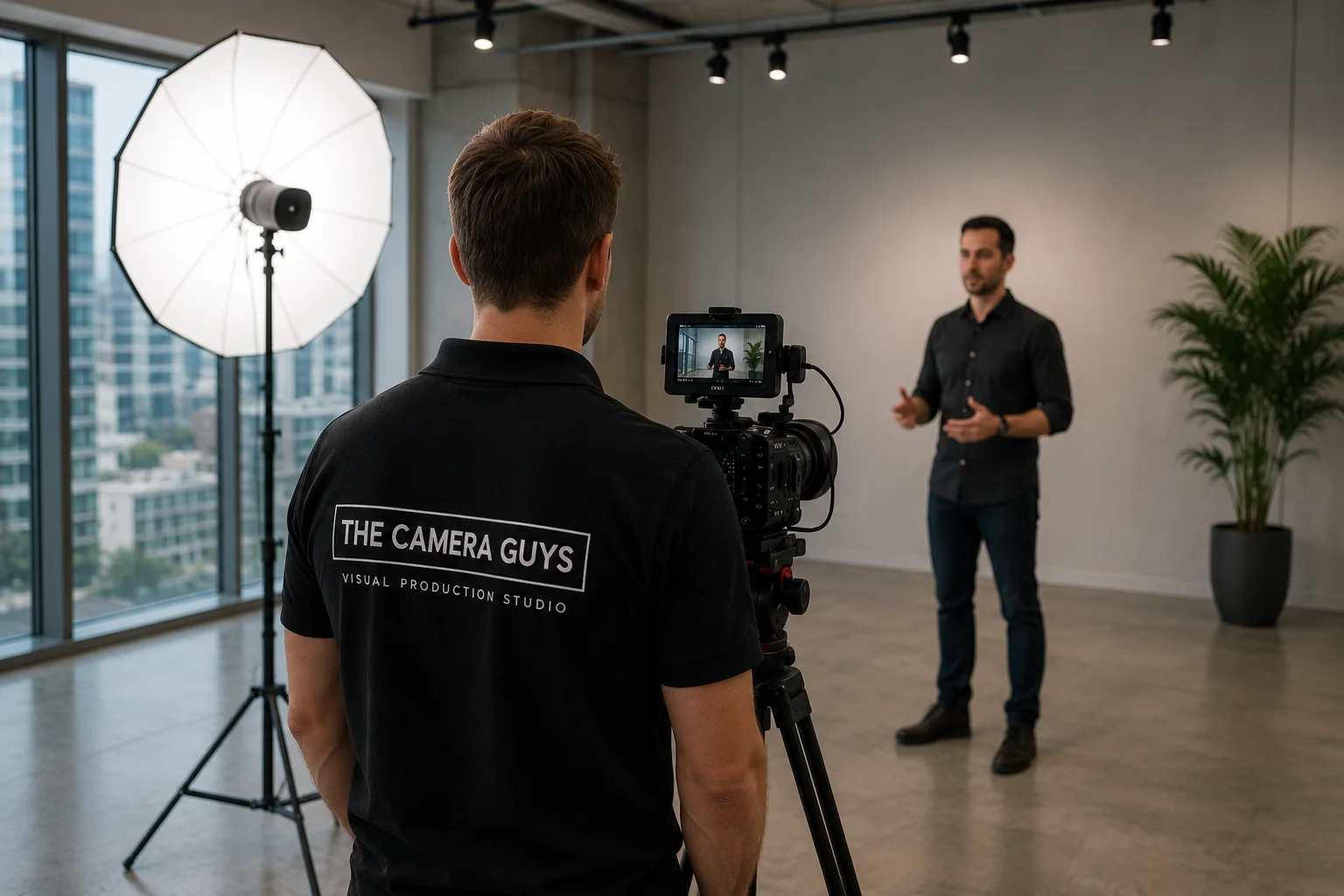

The information that actually helps
A useful video brief can often fit on one or two pages. Bigger projects may need supporting documents, but length is not the goal. Clarity is.
| Include this | What we actually need to know |
|---|---|
| Background | What is happening in the business or organisation that has created the need for the film? |
| Objective | What should be different after the right person watches it? |
| Audience | Who is the film for, and what do they already know or believe? |
| Key message | What absolutely needs to be understood? |
| Next action | What should the viewer do after watching? |
| Deliverables | What actual films, edits, aspect ratios, captions or versions are needed? |
| Where it will be used | Website, LinkedIn, YouTube, paid advertising, exhibition screen, internal platform, sales presentation, etc. |
| People | Who might appear and how available or comfortable are they? |
| Locations | Where could filming happen, and what access, noise or safety issues matter? |
| Brand / compliance | Required wording, approved claims, logos, legal restrictions or things that must not appear. |
| Timing | When does the finished content genuinely need to be ready, and why? |
| Budget | A confirmed figure, sensible range or request for scalable options. |
| Approvals | Who can approve the concept, facts and final edit? |
You do not need a perfect answer in every box. “Not yet decided” is more useful than a confident guess that later becomes a constraint.

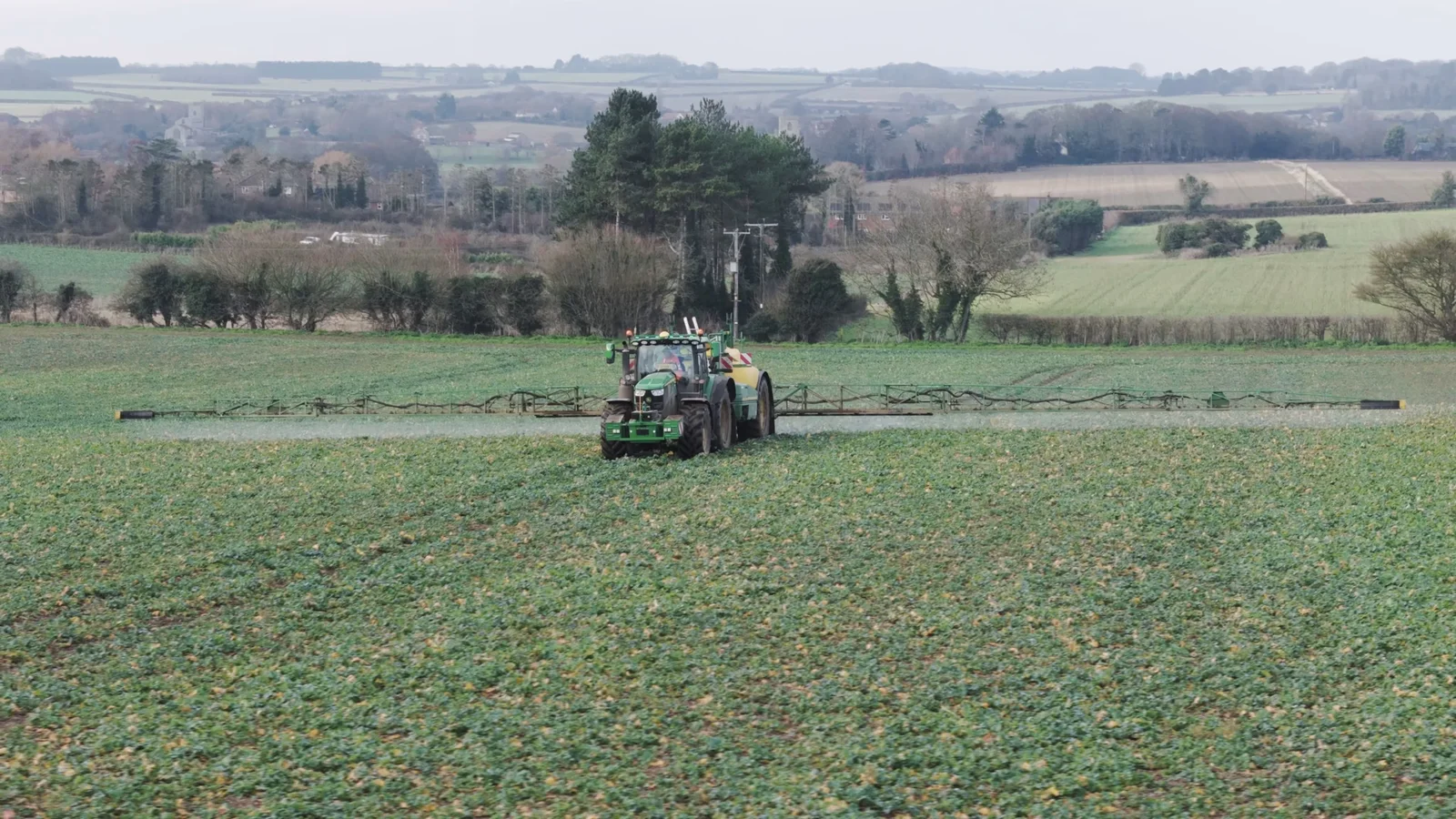
Describe the audience like a person, not a demographic
“Business owners aged 30–60” is technically an audience description, but it does not tell us much about how the film should communicate.
A better brief explains what the viewer already knows and what is preventing them from taking the next step.
For example:
- operations managers who already understand the industry but need evidence that your process can handle their volume;
- parents comparing local activity venues who want to see what a day there actually feels like;
- prospective employees who have read the job advert but do not yet understand the culture or day-to-day role;
- existing staff who need to follow the same procedure consistently.
These are very different viewing situations, even if some of the same production techniques could be used.
For recruitment work, our guide to using recruitment video to attract better candidates goes further into the questions candidates actually need answered. If the film is built around a customer story, the considerations are different again; see our guide to filming professional customer testimonials.
Tell us the deliverables, not simply “a video”
One of the most useful things a client can put in a brief is where the content needs to end up.
A single 16:9 website film is one job. A website film, three vertical social edits, captioned versions, a silent exhibition loop and individual interview clips is a different job — even if all of it can be captured on the same filming day.
This is worth deciding early because it affects how scenes are framed and what needs to be recorded.
For example, the Southwold Maize Maze project was planned around far more than one hero film. Six hours of filming with one videographer produced a main attraction film, a separate café-and-walks film, drone footage and dozens of activity-led edits — more than 100 usable pieces of content in total.
The important lesson is not that every business should ask for 100 videos. It is that the intended outputs should influence the filming plan before the camera comes out of the bag.
If social media is part of the plan, it is also worth thinking about format before filming. Our articles on why video works on social media and whether businesses should film vertically or horizontally explain why simply cropping the same finished film into every shape is not always the best approach.
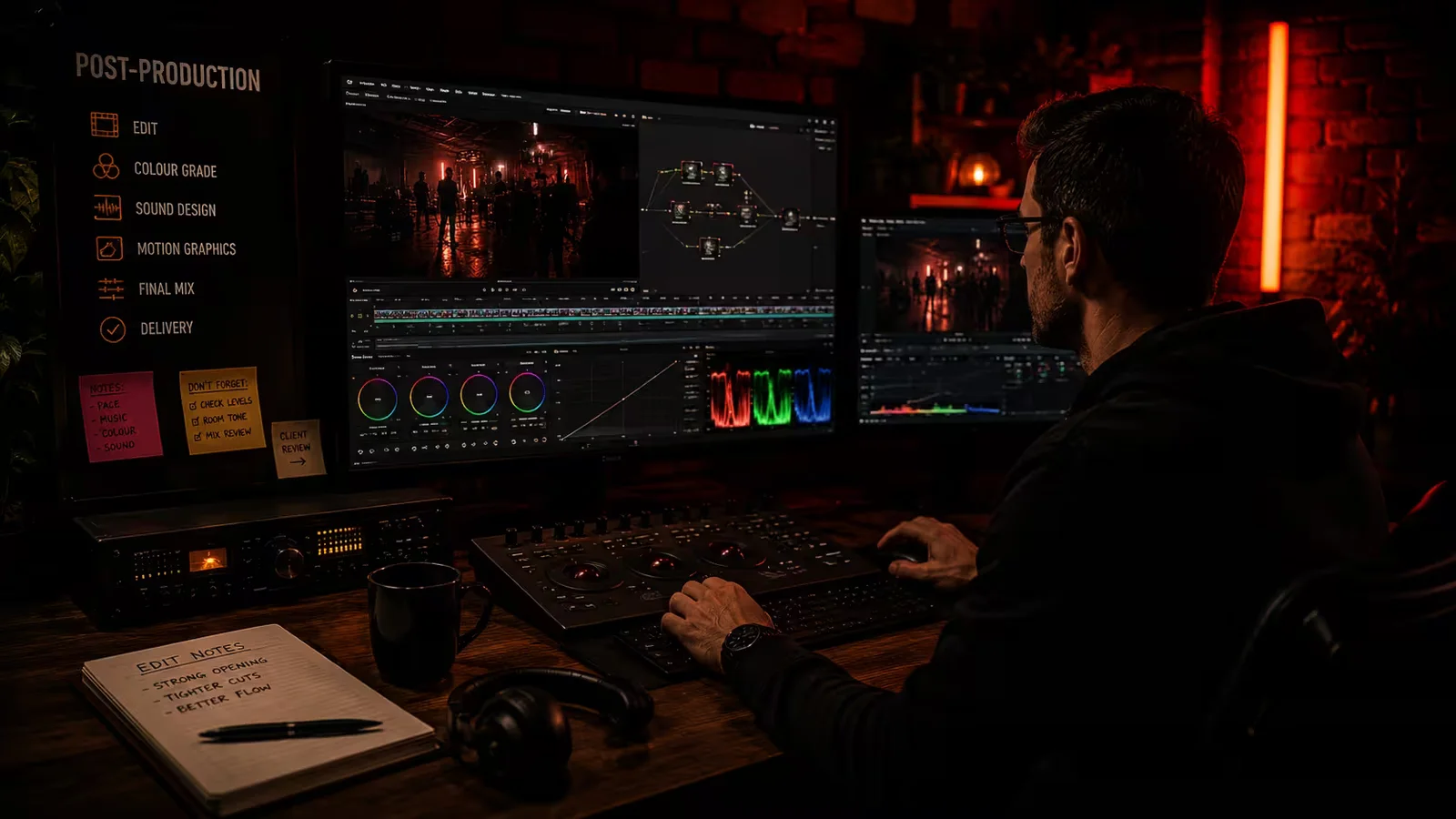

Give us the non-negotiables — and leave the rest open
A strong brief separates things that must happen from things that are preferences.
Non-negotiables might include:
- an approved product name or regulated statement;
- a contributor who has to appear;
- a launch date;
- a location that demonstrates the process;
- a specific call to action;
- brand colours or logo use;
- accessibility requirements;
- a list of outputs already committed to a campaign.
Preferences might include a certain pace, a reference film you like, an idea for an opening shot or a rough runtime.
That distinction gives the production company room to solve problems instead of simply reproducing a preconceived treatment.
Reference films can be helpful, but add a sentence explaining why you like each one. “We like how naturally the employees speak” is actionable. “Make ours like this” is not, especially if the reference has a completely different budget, location or purpose.
Terms such as “cinematic”, “premium” and “dynamic” also mean different things to different people. Describe the effect you want instead: calm and reassuring, technically credible, warm and human, energetic, understated, direct, playful or authoritative.
Script, interview or something in between?
You do not need to decide this before sending the brief, but it helps to explain what kind of information has to be communicated.
If certain wording must be exact, say so. That can point towards a script, teleprompter or carefully approved voiceover. If the value of the film lies in somebody describing their own experience, a prepared interview may be more appropriate.
Many corporate films use both.
The Root-Power Coryton BESS project is a good example of why the communication requirement matters. Later project updates contained detailed information that needed to be delivered clearly and directly to camera, so a professional teleprompter was used. The same production also needed interviews, extensive industrial B-roll and drone footage to show the site itself.
That does not mean “technical project = teleprompter”. It demonstrates why the brief should explain what has to be communicated accurately, rather than prescribing the filming tool.
Our guide to scripted vs unscripted corporate video looks at that decision in more detail.
Locations matter before the filming day
If you already know where filming could happen, give the production company as much practical information as you can.
Useful details include:
- whether the space is owned, hired or controlled by somebody else;
- whether customers or members of the public will be present;
- normal operating hours;
- when machinery, demonstrations or staff activity actually happen;
- loading and parking arrangements;
- security or induction requirements;
- PPE;
- confidentiality restrictions;
- rooms that are especially noisy or reverberant;
- whether signage, screens or paperwork contain sensitive information;
- areas where filming is prohibited;
- weather dependencies for exterior work.
You do not have to solve all of those issues in the brief. You simply need to surface them early enough for the production team to plan around them.
This is particularly important for industrial and operational filming. The Coryton project, for example, involved an active energy site where the later visit had substantial continuous industrial noise. The finished films still needed clear dialogue, so location audio had to be treated as a genuine production requirement rather than something to think about afterwards.
The same principle applies in quieter offices. A beautiful glass meeting room beside a busy corridor may look better in a recce photograph than it sounds with two people talking inside it.
Budget is useful information, not a test
A budget does not need to be presented as a challenge for the production company to “use all of it”. It tells us what scale of solution is realistic.
If you know the available figure or range, include it. We can then recommend a way of spending it where it has the most effect.
If you genuinely do not know what the job should cost, say that and describe the required result. Ask for one sensible recommendation or scalable options rather than hiding a known ceiling.
For our own work, filming and editing are scoped separately. Our video production pricing page shows the current starting rates and explains how filming time, editing, travel and additional requirements are built into a quote.
A useful brief could therefore say:
We have around £2,000–£3,000 available and would rather prioritise one strong main film plus a few useful social edits than spread the budget across lots of weak versions.
That is much easier to respond to than either “money is no object” or “tell us your cheapest package”.
Put the real deadline in the brief
“ASAP” is rarely useful.
If the film is for a conference on 18 November, say that. Better still, explain when the approved file needs to be handed to the event team for testing. If the campaign launches on a Monday, the final review should not be scheduled for Sunday night.
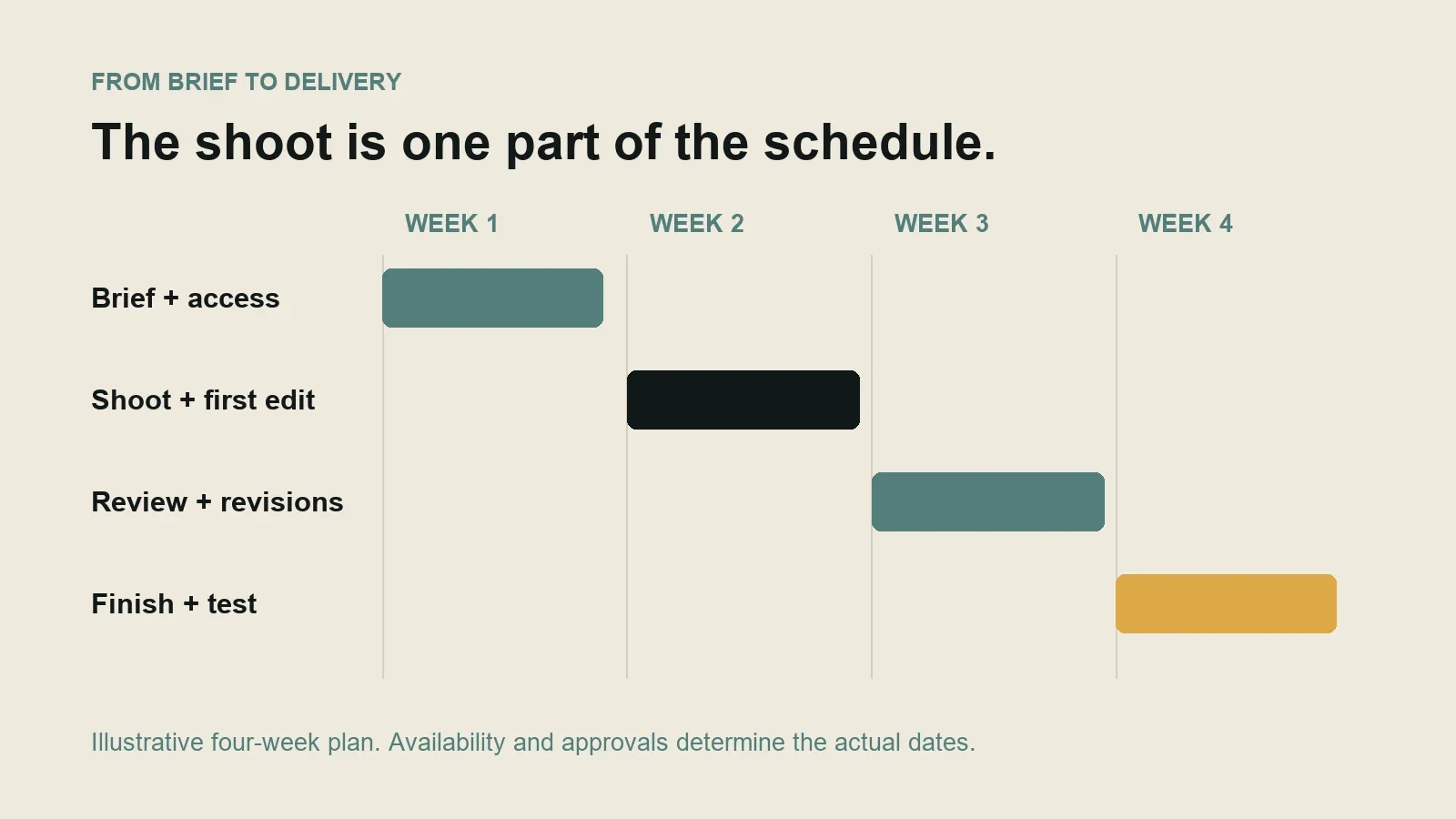
The production schedule has to include more than the filming day: planning, contributor availability, media handling, editing, feedback, finishing and final exports all take place around it.
Our guide to how long professional video production takes explains why a one-day shoot and a one-day project are not the same thing.
Approvals are often the hidden part of the schedule. If marketing, legal, a technical director and an external partner all need to sign off the film, put them in the brief and nominate one person to return the combined feedback.
A copyable video production brief
You can use the structure below as a starting point. Delete anything irrelevant and mark unknown decisions for discussion rather than filling them with guesses.
Project background
Organisation:
Who are you, and what does the production company need to understand about the business?
Why this project exists:
What has happened or changed that means you need video now?
Objective and audience
Primary objective:
What result should the film support?
Primary audience:
Who needs to watch it? What do they already understand? What questions, concerns or misconceptions do they have?
Desired viewer action:
What should the right viewer do after watching?
Message
The one thing viewers must understand:
If they remember only one point, what should it be?
Supporting points:
What evidence, examples or information would help?
Required wording / claims:
Anything that must be stated exactly or approved by a particular person?
Deliverables and use
Primary film:
For example: website company film, recruitment film, project update, case study or customer story.
Additional versions:
For example: vertical social clips, shorter cutdowns, silent exhibition loop, captions, clean version, separate interviews or alternative calls to action.
Where the content will be used:
Website, LinkedIn, Instagram, YouTube, paid advertising, exhibition, sales presentations, internal platform, etc.
People and locations
Potential contributors:
Who might appear and why are they relevant?
Locations:
Where could filming take place?
Practical considerations:
Access, opening hours, noise, safety, inductions, customer activity, confidential information, permissions, parking, weather, demonstrations or products that need to be ready.
Style and brand
Tone:
How should the finished film feel?
References:
Links to useful examples, with a note explaining what you like about each.
Brand assets / restrictions:
Logos, fonts, colours, language rules, required disclaimers or anything that must not appear.
Schedule and budget
Required final delivery date:
And why that date matters.
Possible filming dates:
If known.
Budget / range:
Or ask for scalable recommendations if genuinely undecided.
Approval
Project lead:
Who is the main contact?
Approvers:
Who needs to approve facts, brand, legal wording or the final film?
Feedback process:
Who will combine comments into one agreed response?
What a good brief does not need to contain
You do not need to write a storyboard because you think a production company expects one. You do not need to choose a lens, specify a camera brand or design your own lighting setup. You do not need to decide whether every interview should be filmed on one, two or three cameras.
You also do not need to solve every creative question before contacting somebody.
A useful brief gives enough information for those questions to be asked intelligently.
That is the difference between a brief and a production plan.
The brief says what the project needs to achieve and what constraints matter. The production plan turns that into interview questions, scripts where needed, schedules, shot priorities, locations, equipment and an editing approach.
If the film needs supporting footage but you are not sure what that should include, our guide to what B-roll is and why it matters explains how those images support interviews and voiceover without asking the client to write an exhaustive shot list themselves.
Send a rough brief if that is all you have
A brief does not have to arrive as a polished document.
If you have a business problem, an audience, an important date and a rough idea of what the film needs to achieve, that is enough to start a useful conversation. Questions from the production team are not evidence that the brief has failed. They are part of developing the project.
Sometimes the best next step is to simplify the idea. Sometimes one filming day can be planned to create far more useful content than originally expected. Sometimes a proposed two-minute film should really become three separate pieces because the audiences or purposes are different.
That is exactly what the briefing stage is for.
If you are planning a business film, take a look at our corporate video production service, browse recent work or send us your rough brief. It does not need to be finished before we see it.