
Recruitment Videos: How to Attract Better Candidates
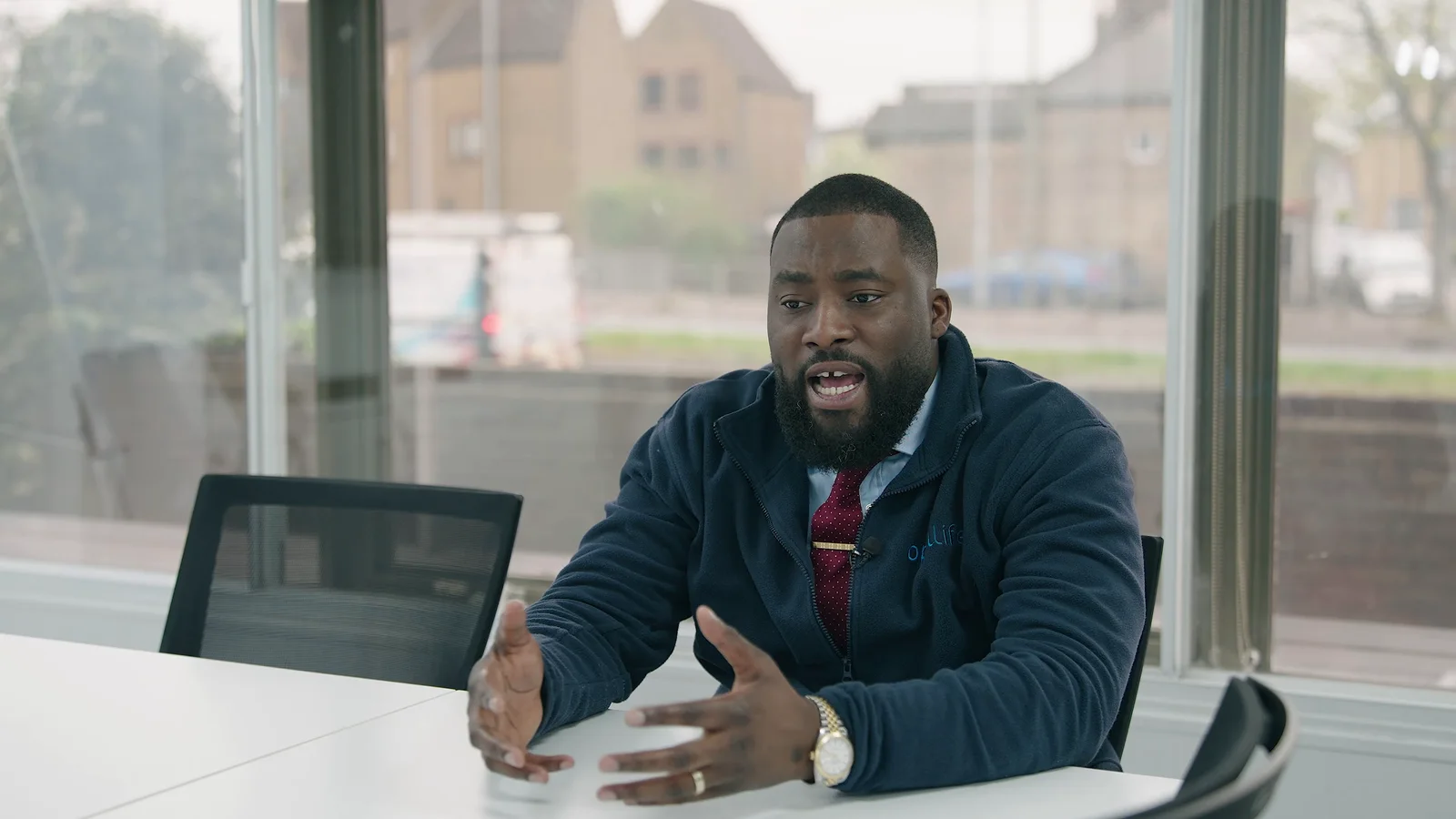
A candidate watches your recruitment video. They like the building, the music and the friendly faces. But could they explain what the job involves, who they would work with or what their first few months might look like?
That is the difference between a film that makes an employer look appealing and one that helps somebody decide whether to apply.
The aim is not simply a bigger pile of applications. It is to give people a useful, honest picture of the opportunity. A recruitment video can introduce the colleagues, working environment and everyday decisions that are difficult to convey in a job description. It should also leave room for someone to decide that the role is not for them.
Work out what candidates are missing
Before choosing interviewees or filming locations, ask the hiring team where the current recruitment process loses its way.
Perhaps applicants misunderstand how much customer contact the role involves. Perhaps experienced people dismiss it because the job title sounds more junior than the work. Or perhaps candidates reach interview without realising that regular travel is part of the position.
Each problem suggests a different film. The first needs a believable view of customer conversations; the second needs evidence of responsibility; the third needs clarity about the working pattern.
Define suitability through relevant skills, interests and the actual requirements of the job, not whether somebody resembles the existing team. Acas's recruitment guidance is a useful starting point for the wider fair-recruitment process.
Be realistic about what video can address. Unclear information is a communication problem. Uncompetitive terms or a cumbersome application process need attention in their own right. A polished film is not a substitute for fixing those things.
A company introduction and a vacancy film do different jobs
An employer overview introduces the organisation: its work, people and reasons someone might consider joining. It can sit on the main careers page and support several recruitment campaigns. Our guide to creating a company profile video covers the broader organisation story, although a recruitment version should prioritise prospective employees rather than customers.
A role-specific film goes closer. It might follow a technician through a routine inspection, show how a customer-support team handles an enquiry, or explain how responsibility develops during a training programme. Its job is to answer the questions attached to a particular vacancy or group of similar roles.
An employee story offers another angle: how somebody joined, what they found difficult and what they have learnt. That can support either type of film, but one person's experience should not become a promise about everyone's future.
Choose the format around the information gap. You do not need all three simply because they are available.
Give the work something concrete to look like
A recruitment film needs footage of the job, not just footage of the workplace.
For a customer-support role, that could mean following an enquiry from the initial conversation through to a colleague checking information and resolving it. Use a demonstration account and invented customer details, rather than exposing a real person's records. The sequence can explain the task without pretending that every conversation is effortless.
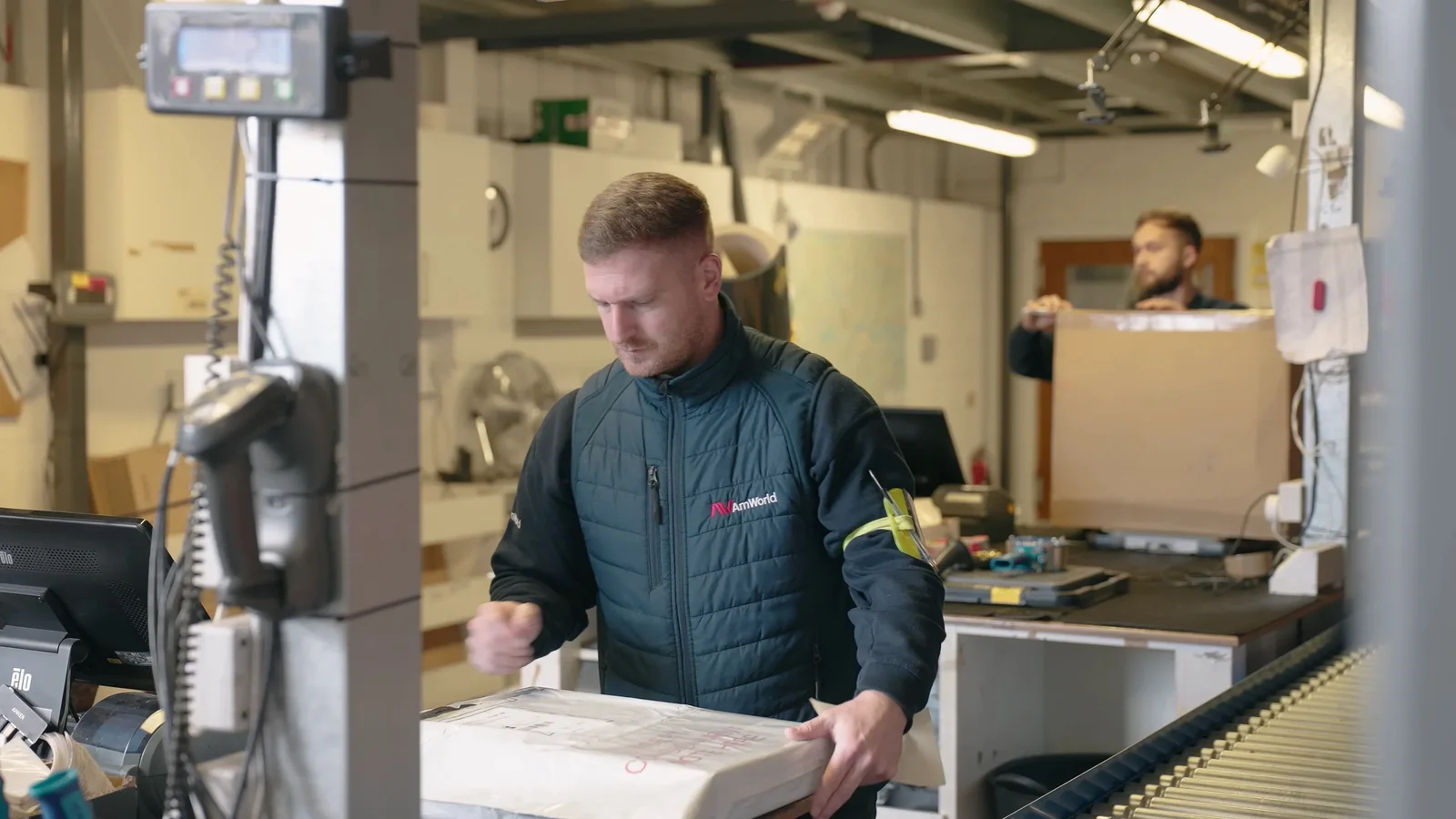
For a warehouse role, the useful detail might be a handover, an accuracy check or the way a supervisor helps someone learn a process. A sweeping view of the building establishes the setting; it cannot explain those relationships by itself.
These are filming ideas, not descriptions of specific client projects. The right scenes come from asking employees what applicants tend to misunderstand.
Give contributors a familiar activity with a clear purpose rather than asking them to stand together and look busy. Our guide to natural corporate interviews and supporting footage explores that approach. The supporting footage, often called B-roll, should add information to the interview rather than merely cover the gaps between answers.
Tidying a desk or repeating a safe action for another camera angle is different from inventing a working practice. Keep that distinction clear throughout the shoot.

Let employees explain the parts a job advert cannot
The managing director does not need to answer every question. Someone currently doing the job can describe the pace and decisions involved; a recent starter can remember what was unfamiliar; a manager can explain how work is allocated and support is provided.
Choose people with relevant perspectives, not just those who are most confident in presentations. A quieter colleague with a specific example may contribute more than an enthusiastic speaker repeating the company values.
Share the topics beforehand, but avoid distributing a script of compliments. Start with something easy to recall: "Talk me through the last task you finished." Then ask what made it straightforward or difficult, who was involved and what happened next.
Follow-up questions do much of the useful work. When somebody says, "The training was good," ask, "What did you practise, and who helped you when you first tried it?" When they mention responsibility, ask for a decision they can now make that they could not make when they joined.
A revealing closing question is: "What would you have liked somebody to explain before your first day?" Leave space for the answer, even when it introduces something more complicated than the original talking points.
The conversational approach in our customer testimonial filming guide is useful here too: prepare the subject, listen properly and do not feed people the praise you hope to hear.

Make the attractive claims specific
"Flexible working" needs an explanation. Does it mean adjustable start times, a particular home-working arrangement or flexibility that depends on the team? The film and the vacancy information should describe the same arrangement.
"Career progression" deserves similar care. An employee can describe the route they took, the support they received and how long it took them. That is more informative than suggesting everyone will follow an identical path.
Do not leave practical realities until the candidate has already invested time in applying. Explain relevant shift patterns, travel, on-site work or busy periods clearly, with the full terms available alongside the film. Showing a demanding aspect of the work does not require making it look unpleasant; show how people handle it and what support genuinely exists.
Keep social scenes in proportion. A team lunch can be part of working life, but it should not imply that joining after-work activities is a condition of belonging.
Before filming, explain participation and intended use to employees, including public channels and paid advertising where relevant. Give them a contact for questions or changing circumstances and a way to raise concerns privately. Agree permissions through the organisation's process rather than assuming employment makes everybody available for a marketing shoot. Our approach to responsible production sets out how we think about contributors and fair representation.
Plan around a working day, not an imaginary empty building
Interviews need time and a space where people can be heard. A glass meeting room beside reception may look suitable but make concentration and clean recording difficult. Listen to the room, allow for microphone and lighting setup, and avoid booking contributors so tightly that one delayed meeting disrupts everything.
Keep the interview location separate from noisier activity when necessary. You can record the explanation somewhere quieter and then film the relevant work. Our professional audio guide explains why getting usable speech on location matters more than hoping to rescue it afterwards.
Identify any short windows for filming a handover, team briefing or process before building the rest of the schedule. Agree safety arrangements and areas that must stay off camera with the site contact. Do not ask someone to omit protective equipment or interrupt an essential procedure for a cleaner shot.
Our corporate shoot preparation guide covers the practical coordination. Where the careers campaign also needs portraits and workplace photographs, include those in the brief and plan the photography rather than assuming every video setup automatically produces the right still images.
What a useful recruitment-film brief looks like
This is an illustrative starting point, not a client case study or a fixed production package:
The recruitment problem: Applicants for our customer-support vacancies do not understand how much problem-solving the job involves.
What the film should explain: How an enquiry moves through the team, what a new starter learns and when they can ask for help.
People and scenes: A colleague in the role, a recent starter and their team leader; a demonstration enquiry, a handover and an example of supported learning.
Finished content: One role-page film, plus two short extracts answering different candidate questions. Agree the lengths and formats around their intended placements.
Next step: Read the current vacancy details and application instructions on the role page.
Review: The hiring lead checks accuracy, the featured team checks the working reality, and one project owner consolidates feedback.
That gives a production team something useful to shape. It also exposes unanswered questions before filming, such as whether the advertised training is consistently available or whether the team can demonstrate the process without showing confidential information.
For the wider commissioning process, our complete corporate video production guide explains how the brief connects to filming, approvals and delivery.
Edit for the applicant, then put the film where it helps
Begin with something relevant to the role: a task, a useful employee observation or a clear explanation of the opportunity. There is no obligation to open with the company's history and a lengthy logo animation.
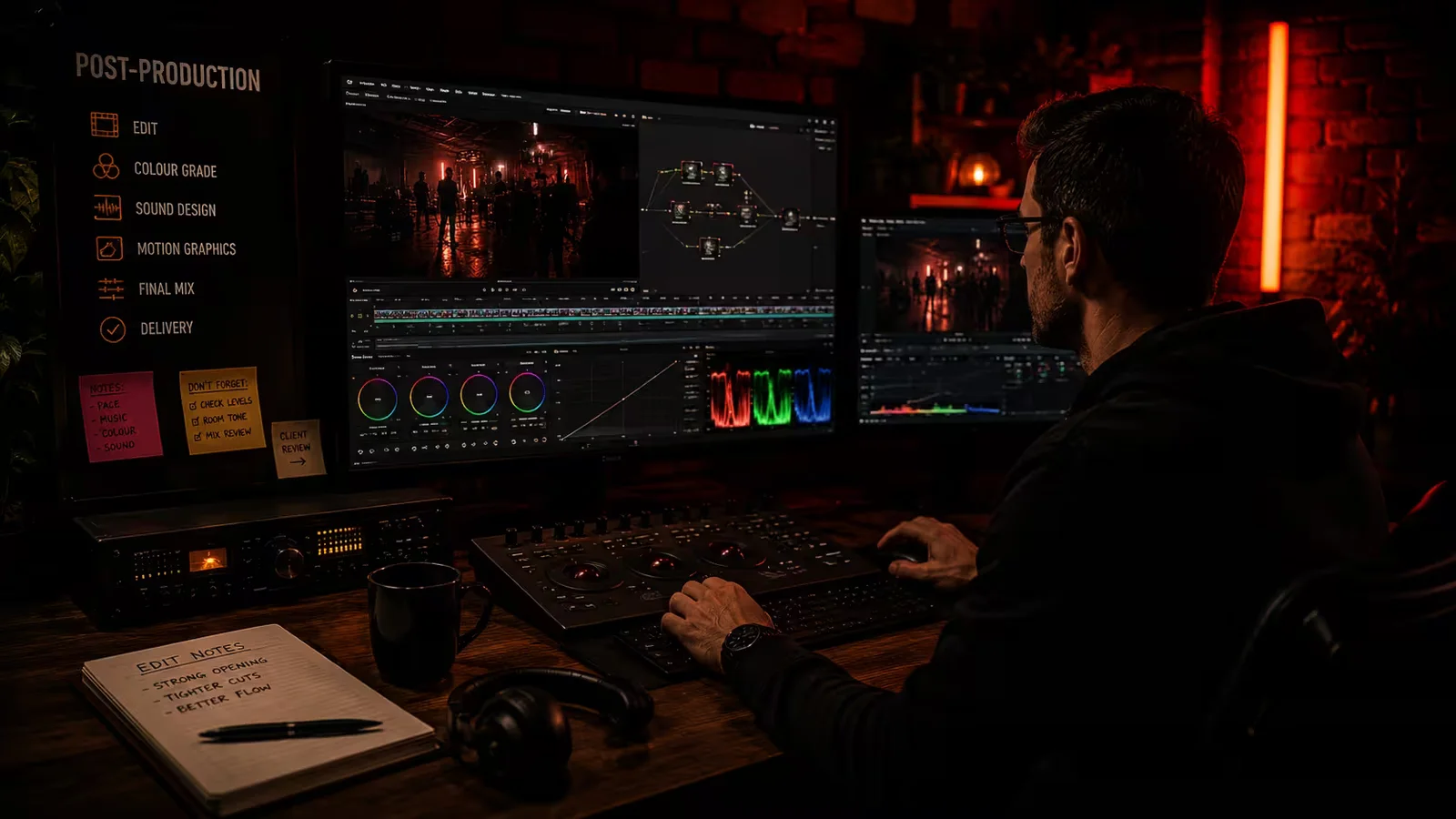
Keep the most informative answers, remove repetition and preserve the meaning of what people said. An employee describing one supportive manager should not be edited into an organisation-wide guarantee. The post-production process is where those decisions become a coherent film, not merely a shorter recording.
There is no single correct recruitment-video length. Someone browsing a social feed and someone studying a vacancy page are doing different things. A brief introduction can lead to a fuller role film; separate extracts can answer questions about training or working patterns without repeating the same trailer.
Plan accessibility with those versions. Provide checked captions for speech and meaningful sound, make essential visual information available through speech or description, and publish an accessible transcript. Use a player people can operate with a keyboard. W3C's guidance on accessible video covers the different elements; captions alone are not the whole job.
Put the film beside the information needed to act: the role, location, pay, working arrangements and application route. Keep those details available as page text rather than requiring everyone to watch. A social extract should lead to the relevant vacancy or careers page, not leave the viewer searching the main website.
Assign somebody to keep the campaign current. When a vacancy closes, a policy changes or an employee's role changes, check the film, captions, page copy and short versions together. Separating changeable details from the longer-lived story can make updates easier, without hiding important terms.
Scope the production around useful content
Several employees in one location may need a very different schedule from a film covering several sites or shifts. Interviews, access, supporting footage, graphics, captions and separately edited versions all affect the work involved.
Agree the priority film first, then add versions with a clear purpose. One shoot may provide material for several edits, but those edits still need planning, assembly, checking and approval. Do not assume that a short final video means a short filming session, or that filming time includes all the editing.
Our production pricing separates on-location work from editing, with travel and agreed extras considered in the quote. A useful budget conversation starts with the people, places and finished content required, rather than a price per minute of video.
Judge the result beyond the view count
Decide what improvement would look like before publishing. For a role-specific campaign, track both completed applications and how many meet the same agreed job-related criteria. Keep the definition consistent enough for the comparison to mean something.
Consider an illustrative example: one campaign receives 100 applications, with 20 meeting the criteria. Another receives 60 applications, with 18 meeting them. The proportion has increased from 20% to 30%, but the absolute number has fallen. Neither percentage nor volume tells the whole story on its own.
Do not attribute that change automatically to the video. Pay, advertising spend, recruitment channels, timing and changes to the vacancy may also have changed. Likewise, fewer applications are not automatically evidence of successful self-selection; check that the campaign is reaching people and the application process is working.
Ask candidates what the film clarified and new starters whether the job matched the picture they were given. That feedback can identify a missing explanation even when the view count looks healthy.
A useful starting point for your own film is the question applicants keep asking after reading the job advert. Bring that question, the vacancy details and the team's perspective to a conversation about a recruitment video. We can help turn the answers into a film that gives people a clearer reason to apply.