
How to Choose a Commercial Photographer
Booking a photographer for your business should leave you with photographs you can actually use: a team portrait that fits your website, product images that show the details, or event coverage that includes the people you needed to capture.
Before booking, look for someone whose work you like, who understands what you need and who can explain how they will deliver it. You don't need to know which camera they use to have that conversation.
Here's what to look for when choosing a commercial photographer, and what to agree before the shoot.
1. Match the photographer to the job
Start by describing what needs photographing. New staff portraits, a range of products and a busy conference are different briefs, even when the photographs are all intended for the same company website.
Look for relevant experience rather than assuming that someone who takes excellent photographs in one setting will be equally comfortable in another. For product photography, ask to see similar materials, finishes or types of product. For property photography, look at how they photograph complete spaces, not just attractive details.
Explain the style you have in mind too. Do you want clean, consistent catalogue images, relaxed photographs of people at work, or something more deliberately styled for a campaign? Share a few examples and explain what you like about them.
Our guide to commercial and lifestyle photography explains those approaches. You may need a mixture rather than choosing one for everything.
2. Look beyond the best few images
Once a portfolio catches your attention, ask to see a broader selection from a relevant job, where the client has allowed it to be shared.
For team portraits, look across the whole group. Are the lighting, backgrounds and editing consistent? For products, can you see the finish and important details clearly? For an event, look for a useful mix of speakers, guests, interactions and the venue.
Try to imagine using the collection yourself. Would it give your marketing team enough variety, or would you be choosing between several versions of almost the same photograph?
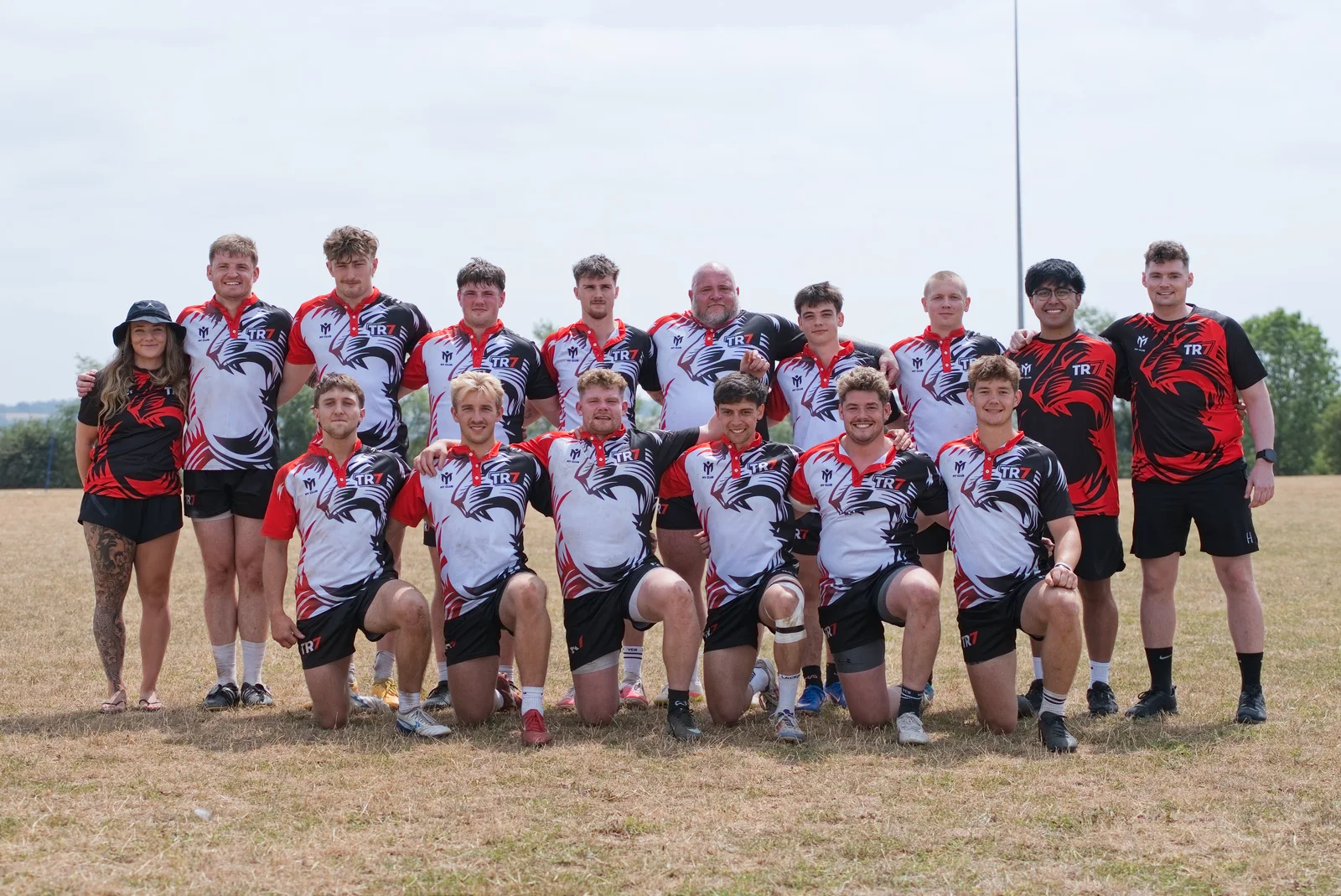
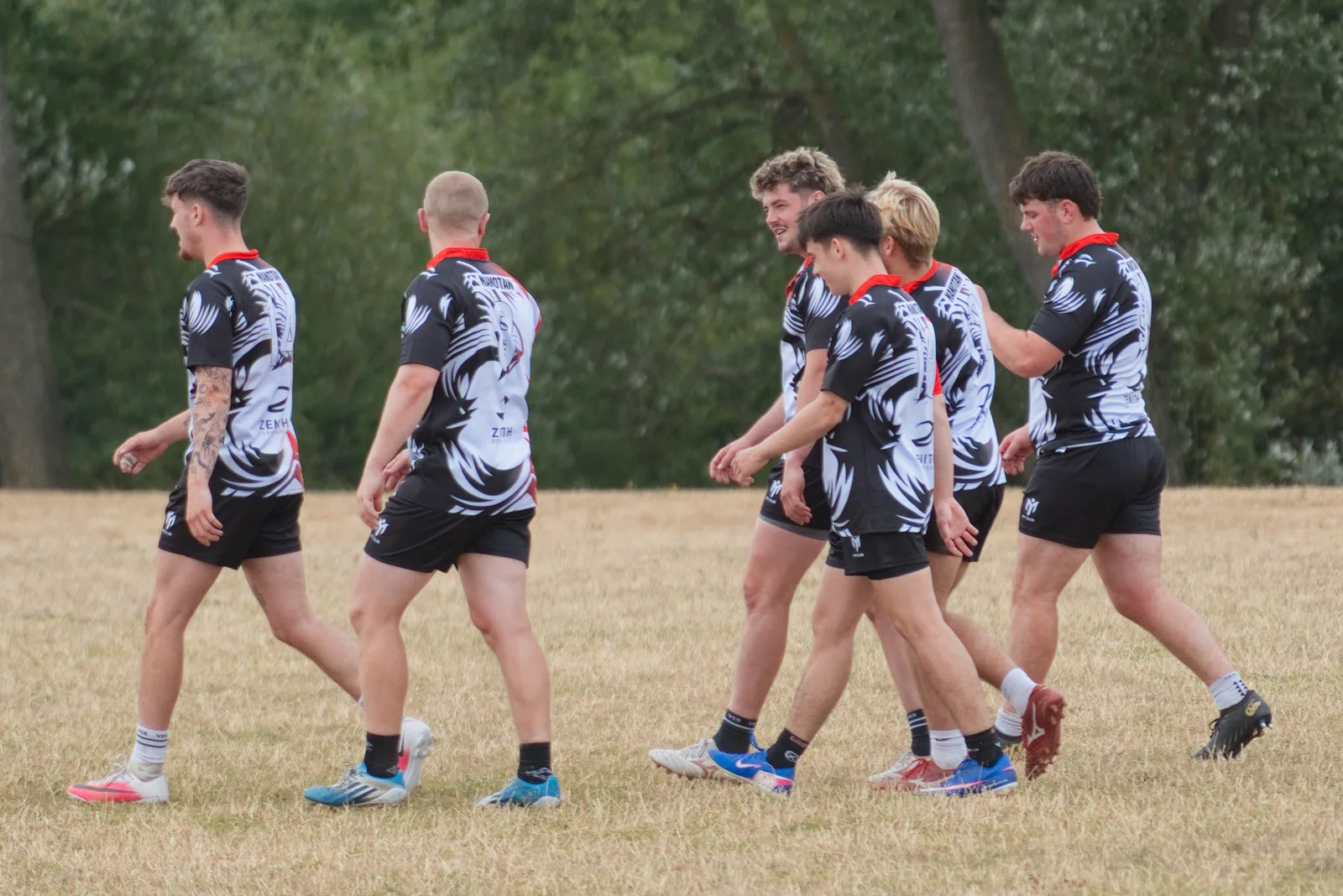
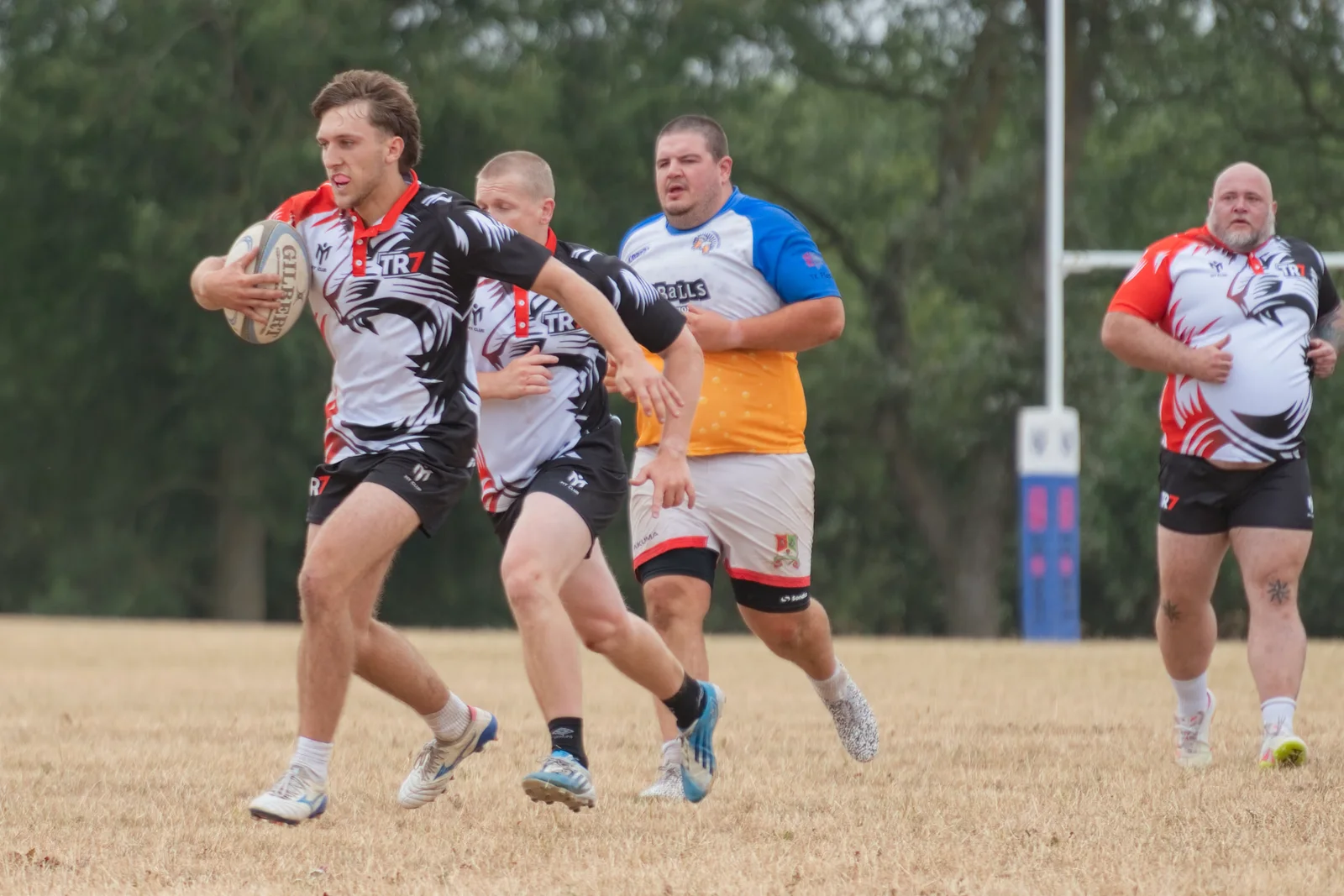
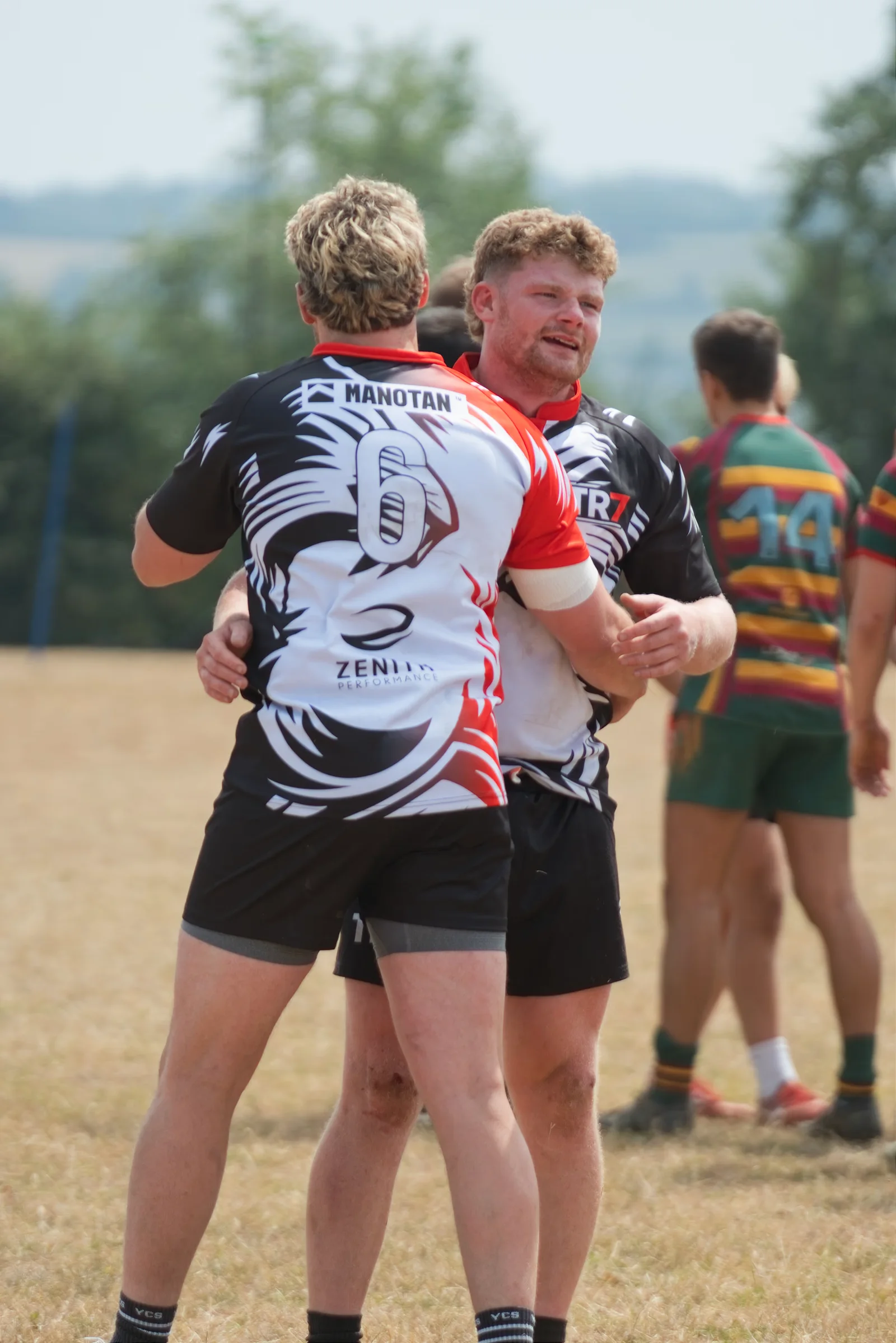
Our TR7 photography at Hamplified includes team photographs, match action and moments between games. It is one example of covering different parts of a brief rather than relying on a single standout image.
Ask what the photographer personally handled on any project you discuss, particularly when you are booking through a larger team.
3. Show them where the photographs will be used
Don't stop at saying the images are "for the website". Show the photographer the pages or layouts you need to fill.
A wide homepage banner with a heading on the left needs a different composition from a tightly cropped profile picture. A photograph that works in a brochure may need a separate version for a vertical social post. Plan those options before the shoot rather than hoping everything will crop neatly afterwards.
You don't need a finished design for every image. A few screenshots, brand guidelines and a list of likely uses are enough to start the discussion.
Ask how the photographer would turn those requirements into a shot list. Our guide to planning a brand photography shoot will help you work out which images you need first and which would be useful additions.
4. Meet the person who will be photographing your team
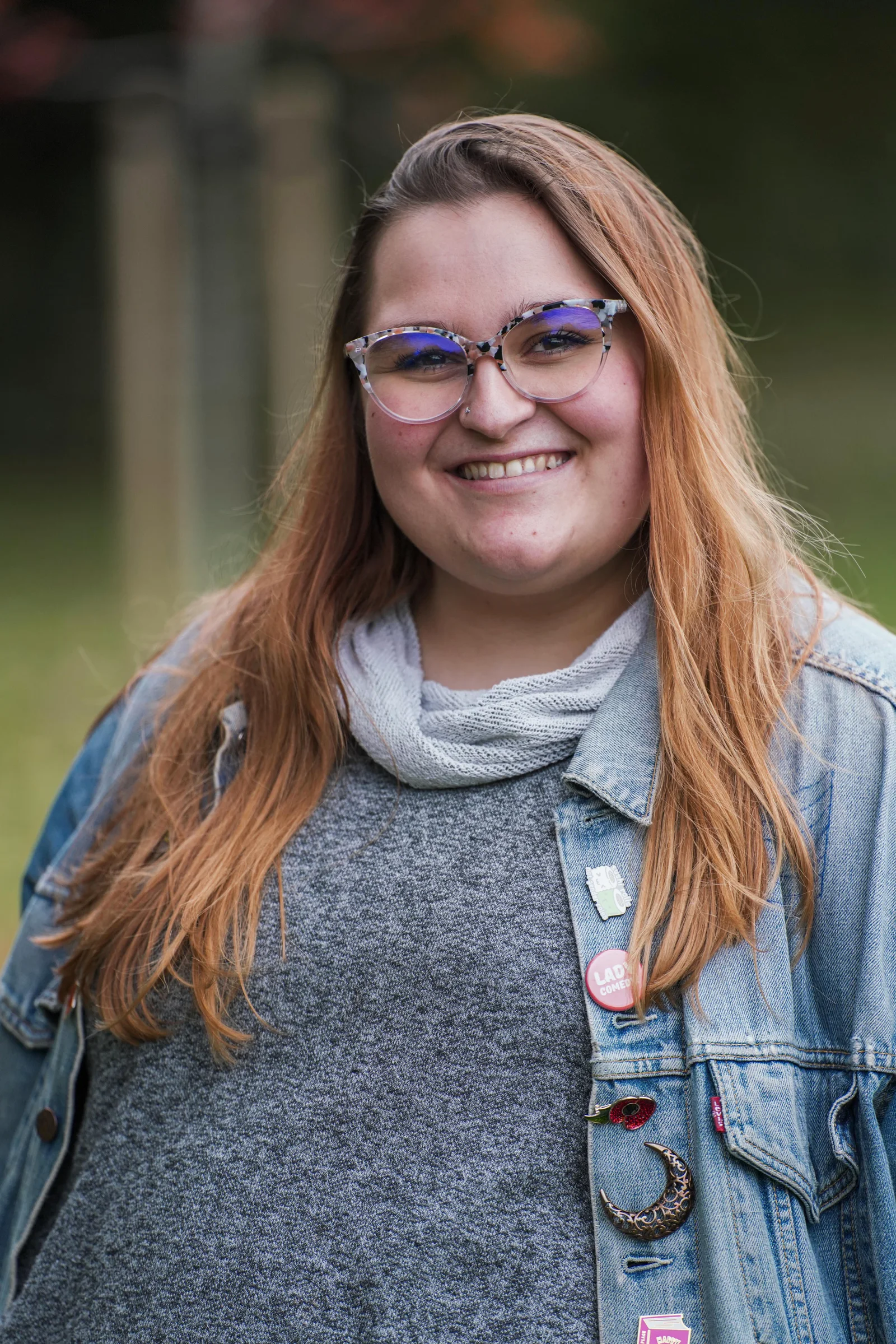
For portraits and workplace photography, ask who will actually attend and how they work with people who aren't comfortable in front of a camera.
You want someone who can give clear direction without making the session feel like a performance. Ask how they would organise a group of employees, help someone settle into a portrait and keep things moving around the working day.
Use the first conversation to judge how they communicate. Do they listen? Can they explain their suggestions? Do they ask about the people involved, rather than only the equipment and location?
Read reviews for comments about organisation and the experience of the shoot, not just praise for the finished photographs. Our article on what a corporate photographer does explains the work around the camera as well as behind it.
5. Ask how the shoot will work
Talk through the real conditions at your location. Perhaps the office is small, the workshop needs to remain operational or the managing director is only available for fifteen minutes.
Ask what the photographer needs from you and how much time to allow for setting up, moving between rooms and photographing each subject. Agree who will organise staff, prepare products and approve any changes on the day.
For outdoor work, discuss what happens if the weather changes. For an event that cannot be repeated, ask about spare equipment and what happens if the booked photographer becomes unavailable. Check any venue insurance requirements before confirming the booking.
The arrangements should fit the job. A small headshot session doesn't need a huge production plan, but both sides should know what they are responsible for.
Our guide to preparing for a corporate photography shoot covers the practical jobs to sort before the photographer arrives.
6. Compare the whole quote, not just the hourly rate
Send each photographer the same outline so you can compare their proposals fairly.
Check what the price includes: preparation, photography time, the number of finished images, editing, usage rights and delivery. Ask about travel, studio hire, assistants and any other expenses, including VAT where applicable.
For example, a lower quote for an hour on location might suit you perfectly if you only need a few portraits. It is a different proposition if you also need several product setups and extensive retouching. Ask what can realistically be completed within the proposed time.
Clarify how extra images, additional editing and overtime are charged. Check payment dates and what happens if you need to postpone or cancel.
Share your budget range too. Ask which parts of the brief can be achieved within it and what would need to change.
You can see our current photography pricing on the professional photography page, then request a quote for your particular shoot.
7. Agree image selection, editing and delivery
Before booking, establish whether the photographer selects the finished images or sends you a gallery to choose from. Confirm how many edited photographs are included and whether further selections cost extra.
Ask what "editing" covers. Adjusting colour and exposure is not the same request as removing a complicated background or retouching every product label. Show examples of the finish you expect and get the required work included in the quote.
Agree a delivery date that leaves time for your own review. If you need a small selection for an immediate press release, mention it before the shoot rather than after everyone has packed away.
Tell the photographer which file sizes and formats your designer, website or printer needs. Ask whether delivery covers finished images only or any original camera files as well.
Finally, check how the images are backed up and how long they will remain available. Download the finished collection and keep your own organised backup; don't treat a gallery link as your only copy.
8. Check how you can use the photographs
Paying for a shoot does not automatically transfer copyright to your business. In the UK, a commissioned photographer will usually retain copyright unless a different arrangement is agreed in writing.
That is separate from the permission you have to use the images. A licence sets out that permission, so ask for it to cover the uses you have discussed: your website, social channels, paid adverts, brochures, packaging or press activity, as relevant.
Mention any other businesses that need to use the photographs, such as retailers, sponsors or project partners. Check for limits on duration or territory, and ask what happens if your plans change later. Keep the agreed terms with the image library.
Also agree who is arranging any necessary permissions for the people or locations involved. For confidential work or an unreleased product, make clear whether and when the photographer may share images in their own portfolio.
9. Need video as well? Discuss it before booking
Mention any video requirements when you first enquire, even if the photography is the main job.
Ask whether one person can realistically cover both within the available time or whether the work needs separate operators. If a keynote needs filming continuously while guests are photographed elsewhere, those jobs cannot both depend on one person being in the same place.
For our Root-Power shoot at Denby, the crew included a videographer and a photographer. Photography was part of the planned coverage, rather than something to squeeze in between filming.
Discuss the schedule and responsibilities together so you know which photographs and films the booking will deliver.
Talk to us about your photography
Choose a photographer whose relevant work gives you confidence and whose proposal makes sense for your project. You should know who is coming, what needs preparing and what you will receive afterwards.
At The Camera Guys, we provide photography for businesses, products, properties and events across Suffolk, Essex and throughout the UK. Explore our photography and video portfolio for examples of our work.
Send us an outline of what needs photographing, the location, your deadline and where you plan to use the images. We will help you work out a practical approach.