
Commercial Photography vs Lifestyle Photography: What’s the Difference?
Picture two photographs of the same coffee cup. In one, it sits against a plain background, with the shape, glaze and handle clearly visible. In the other, someone holds it across a café table while talking to a friend.
The first concentrates on the object. The second puts it into a moment you can imagine being part of. Both could have been commissioned to sell exactly the same cup.
Commercial photography describes what the image is for. Lifestyle photography describes how the subject is shown.
That is why the terms overlap. A lifestyle photograph used in an advertising campaign is also commercial photography. You do not necessarily need to choose between them; you need to decide what your customers should see and understand.
Commercial photography is not one particular look
Commercial photography is created or licensed for a business purpose, such as promoting a product, presenting a service or supporting a company's communications. It can appear on websites, packaging, adverts, brochures and social channels.
It includes the clean studio images associated with product photography, but it is much broader than that. A restaurant interior, a team portrait, a fashion campaign and photographs of a working factory can all serve commercial purposes.
The word does not tell you whether the result should look formal, colourful, understated or spontaneous. That comes from the brief.
For a professional services business, for example, a consistent set of portraits might help visitors identify the team. Photographs of those people discussing plans or demonstrating their work could explain what the business actually does. Both belong in a commercial image library. Our guide to what a corporate photographer does explores that wider role.
Lifestyle photography shows the experience around the subject
Lifestyle photography presents people, products or services in a recognisable situation. Rather than isolating everything from its surroundings, it uses the setting and activity to help tell the story.
Imagine a jacket being worn on a walk, a baker preparing the morning's bread or a family sharing a meal. The context becomes part of what the photograph communicates.
It does not have to show a person's face. Hands using a product can provide that human connection while keeping attention on the object.
Nor does lifestyle automatically mean commercial. A relaxed family session commissioned for a personal album can use a lifestyle approach without advertising anything. The style and the intended use remain separate questions.
What does your customer need to see?
The useful comparison is often between showing the subject clearly and showing it in context, rather than between commercial and lifestyle photography.
Consider an imaginary café commissioning photographs for a new website and menu. Its image list could look like this:
| Where the image will appear | What the photograph needs to do | An approach to consider |
|---|---|---|
| Menu or online ordering page | Make individual items easy to identify and compare. | Consistent product photographs with clear views of the food and drink. |
| Website introduction | Give someone a sense of visiting. | A wider scene showing the space, service and people enjoying it. |
| About page | Introduce the people and work behind the business. | Staff portraits alongside photographs of preparation and service. |
| Seasonal promotion | Present a particular offer without losing the café's character. | A styled scene featuring the relevant products, with room for the campaign message. |
Every photograph in that example has a commercial purpose. Some use a lifestyle approach; others prioritise a clean, direct view.
The balance should follow the customer's questions. A beautiful scene will not help someone compare three products when the differences are hidden. Equally, a collection of isolated objects may say very little about the experience of visiting a business.
This is a useful starting point when planning a brand photography shoot: identify the jobs the images need to do before deciding how they should look.
A real example: product clarity for Social Shakes
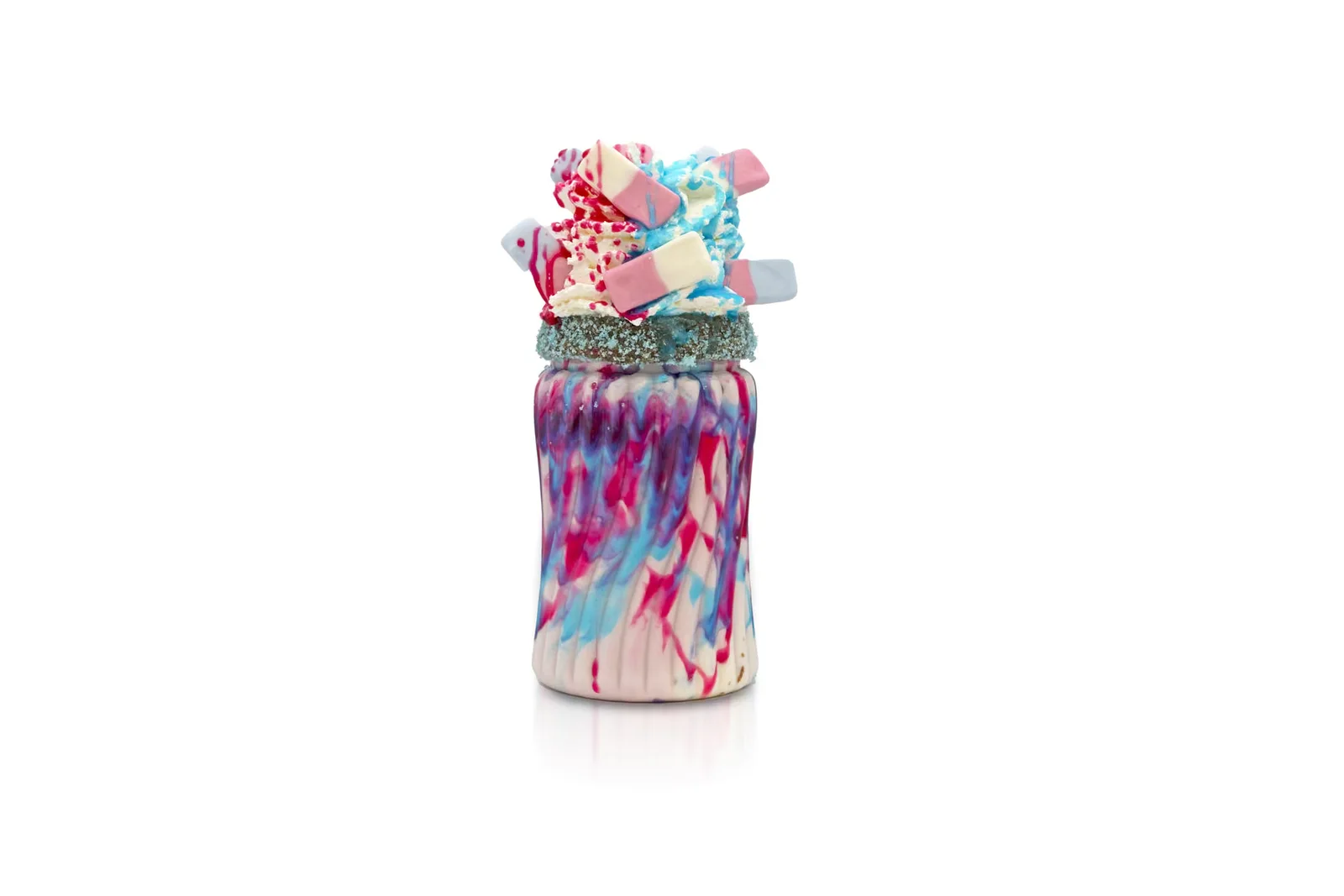
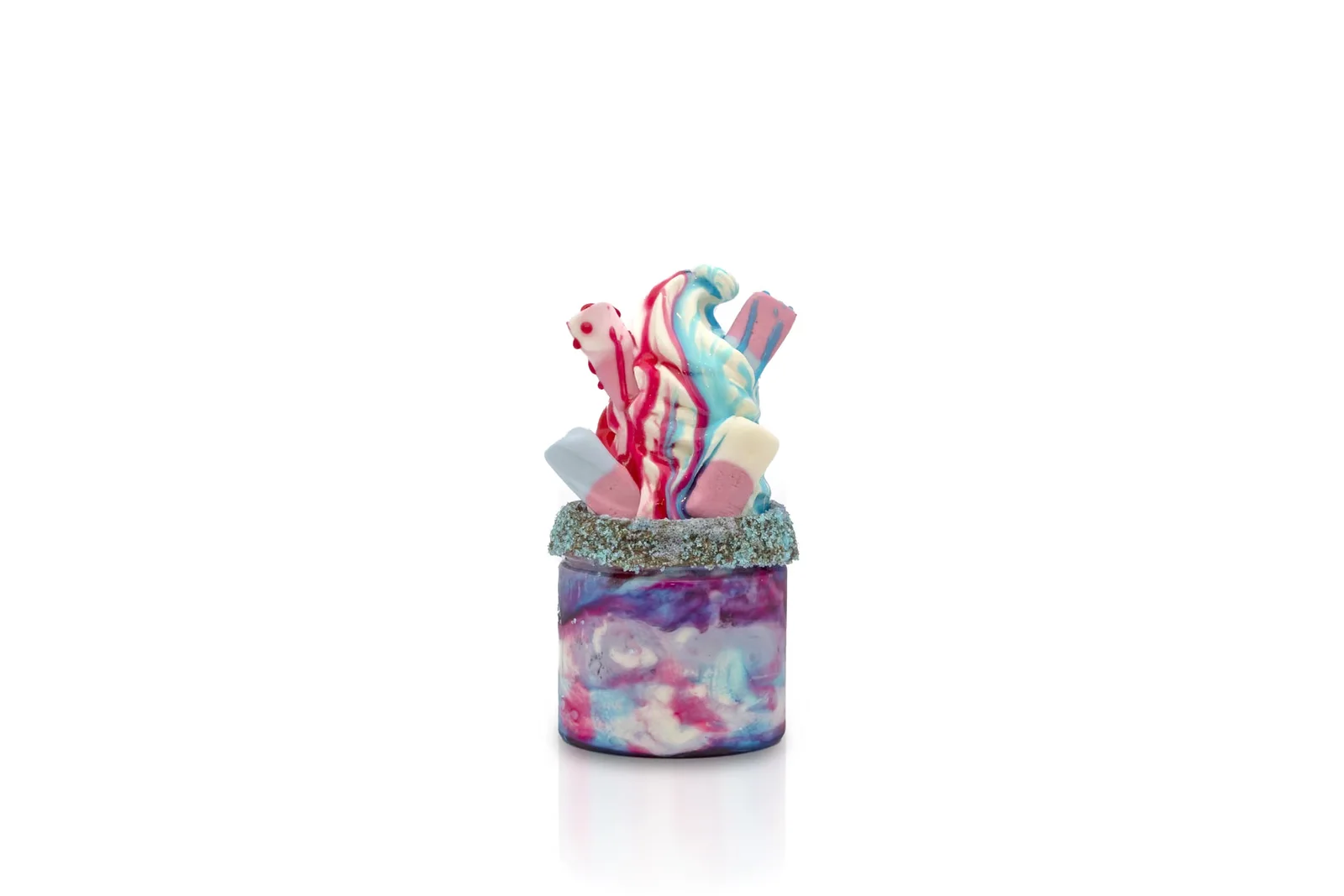
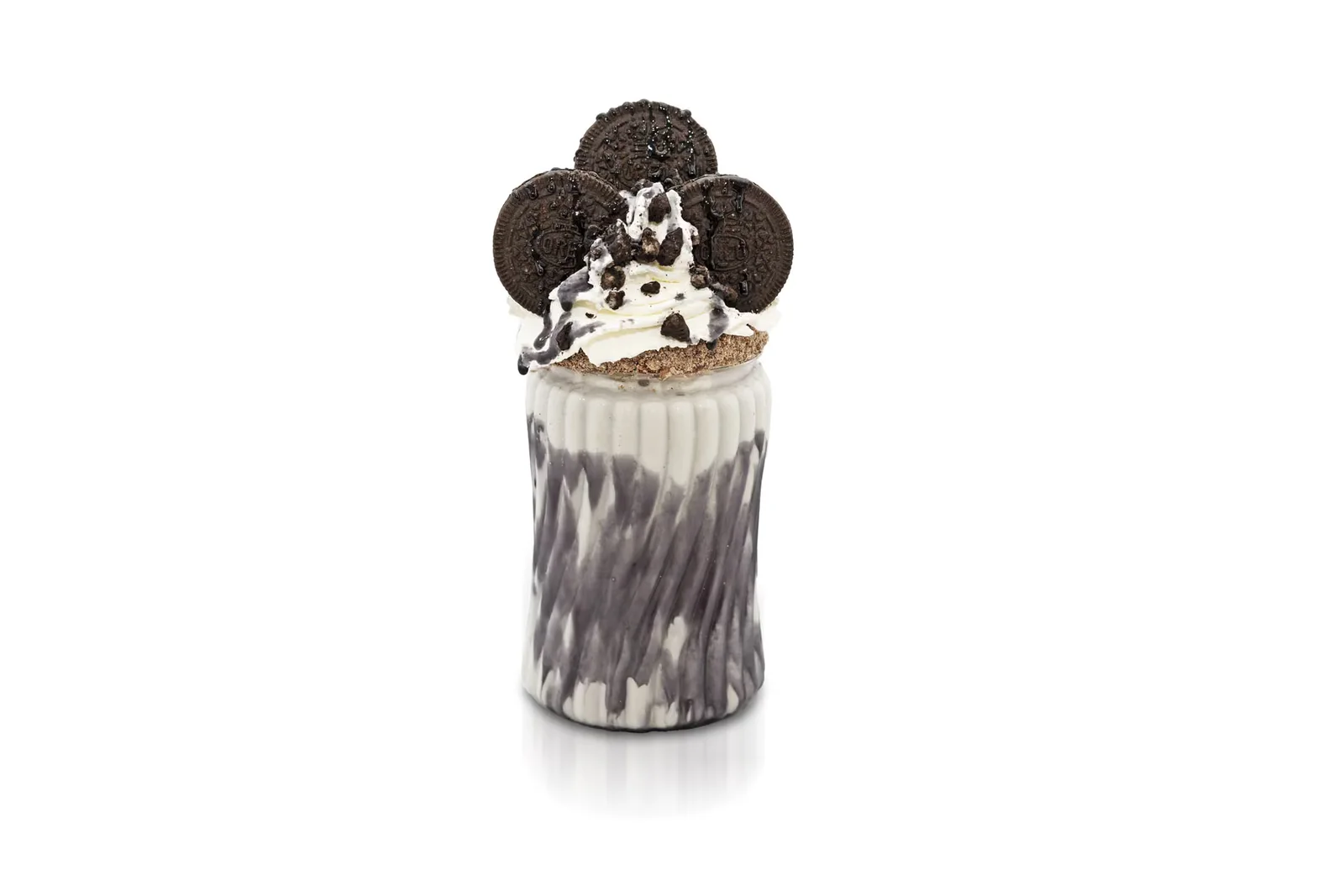
Our Social Shakes photography project included a library of around 500 product photographs developed across the collaboration. The shakes and desserts were photographed on a bright white set, with consistent lighting and a mixture of front views, overheads, groups and details.
That approach gave the toppings, sauces and colours space to stand out. The wider project also included promotional films showing the store, preparation and customer experience; those were separate video deliverables, not a reason to make every menu photograph a busy scene.
The lesson is not that every business needs hundreds of images. It is that consistency and clear product information can matter more than making every photograph a completely different composition.
Natural-looking does not mean unplanned
A lifestyle image can feel spontaneous while being carefully arranged. The photographer might choose the location, adjust the light, position the product and guide an action several times before capturing the frame that works.
That is different from documenting an event without directing what happens. Neither approach is inherently better, but they create different expectations for the shoot.
For a workplace scene, give people something real to do. Ask a colleague to explain a drawing, demonstrate a tool or talk through a sample. That gives their hands, posture and attention a reason to be where they are, rather than asking everyone to look busy around an empty laptop.
Leave room for conversation and genuine reactions within that setup. Direction should help people feel comfortable, not make them act out a version of the business that does not exist.
Our advice on preparing for a corporate photography shoot covers the practical side: making people available, preparing spaces and giving the photographer useful information before arrival.
The setting should explain something, not compete with it
For the café example, a crowded table might communicate a sociable afternoon. It could also hide the drink the advert is meant to feature. A hand placed naturally around a cup might cover the only branding that identifies the product.
These are decisions to make while composing the photograph, not simply problems to leave for editing.
Choose the details you need the viewer to notice. That might be the size of a bag when someone carries it, the way a piece of furniture fits into a room or the tools used to provide a service. Include enough surroundings to make the point, without assuming more props mean a stronger photograph.
The same principle applies to styling. Ask whether the clothing, environment and activity belong to the people you want to reach. A small independent workshop does not have to pretend to be a glass-fronted corporate headquarters to look professional.
Plan the layout as well as the photograph
Before the shoot, show the photographer where the images need to fit. A wide website header, a portrait advert and a square product tile are different compositions, not just different file sizes.
In a wide scene with a customer on the left and a product on the right, a narrow crop might remove the relationship that makes the photograph useful. Capture a deliberate portrait alternative rather than assume that every landscape image will work everywhere.
For images carrying text, identify where the words will sit. A quieter area of background may be more useful than filling every part of the frame with detail.
Keep colour and finish coherent across the set, too. Product photographs and lifestyle scenes can look related without using identical backgrounds. Agree how far the editing should go, especially where colour, texture or a product feature affects what the customer thinks they are buying.
Before adding to an existing collection, check what is still accurate. Our guide to updating your business photography explains when changed products, people or premises make older images less useful.
Is lifestyle photography more expensive?
Not necessarily. The label alone does not describe the work involved.
Consider a relaxed portrait in an available office and a campaign involving several models, hired rooms and wardrobe changes. Both could have a lifestyle look, but their production requirements are very different.
The same applies to product-only photography. A straightforward item and a highly reflective object needing careful lighting and detailed retouching are not equivalent assignments just because both will appear against a plain background.
Compare the proposed preparation, people, locations, setups, finished image quantity and editing. Ask which costs are included and which depend on the final brief. Our photography and production pricing provides a starting point; the quote should describe your particular shoot.
Combining approaches in one booking can be sensible when the location and people overlap. It still needs time for lighting changes, product preparation and different scenes. A longer shot list is not automatically achievable within the same booking.
Agree how the photographs will be used
Describe the intended uses before booking: your website, social accounts, paid advertising, print, packaging or material supplied to retailers and partners. Confirm the licence or other agreed rights rather than assuming that paying for the shoot settles every possible future use.
For photographs involving people or locations, agree who will organise the relevant permissions and explain the planned use to participants. A natural-looking image still belongs to a professional commission when it is being made for your campaign.
Also confirm what will be delivered, who selects the images, the level of retouching and the delivery date. These details matter whichever visual approach you choose.
You do not need to arrive with the right label
When choosing a commercial photographer, look for relevant complete image sets, not just one striking photograph. Ask how they would approach your products, people and actual locations.
A brief such as "we need clear photographs of the range, plus images showing customers using it" is more useful than trying to decide whether to tick a box marked commercial or lifestyle.
Our photography services cover people, products, workplaces and brand imagery. Start with what your customers need to understand, then choose the mix that makes it visible.
Send us the pages, products or campaign you are planning, along with any reference images and deadline. That gives us something concrete to build the shoot around.