Give photography and video their own jobs
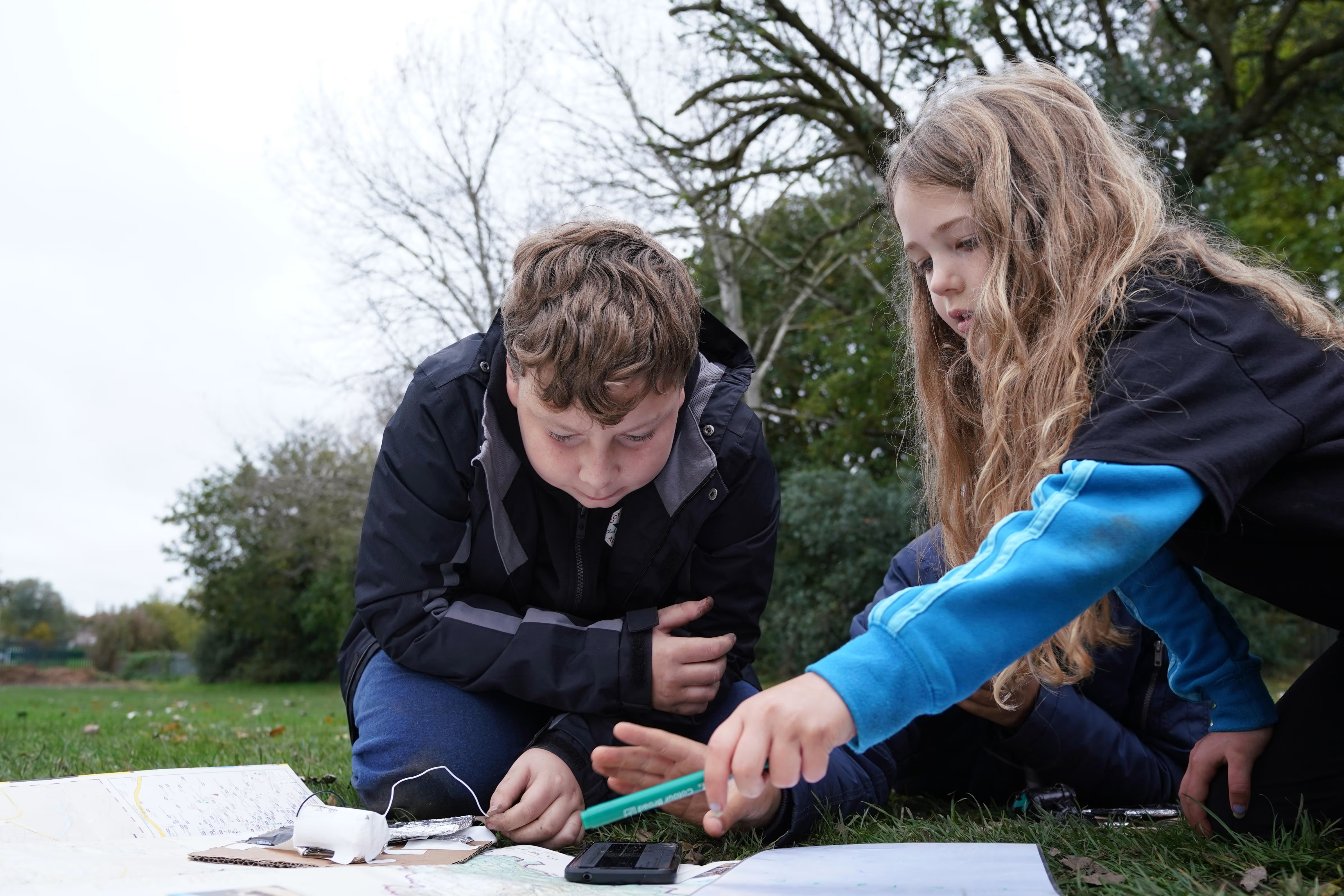
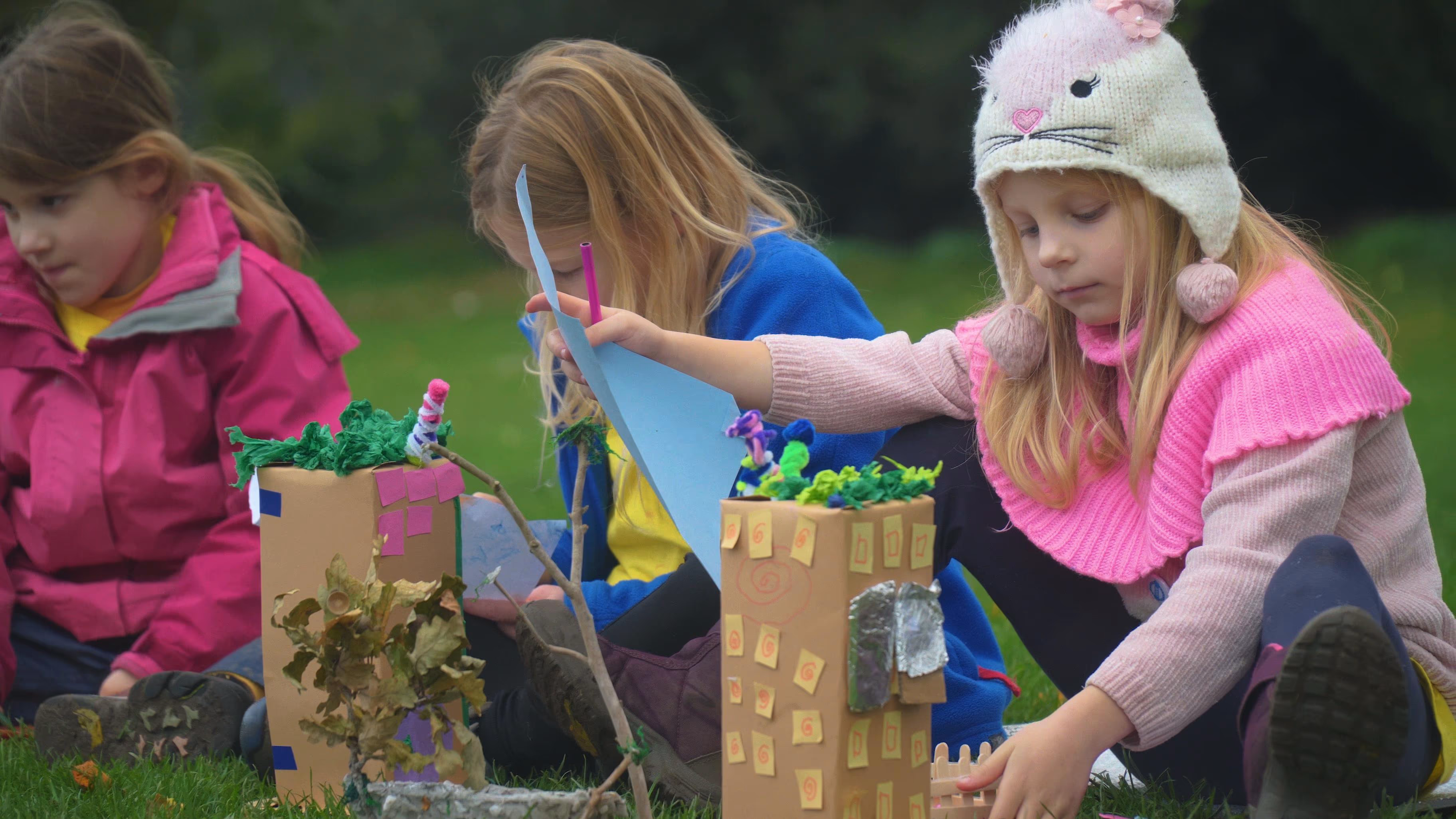
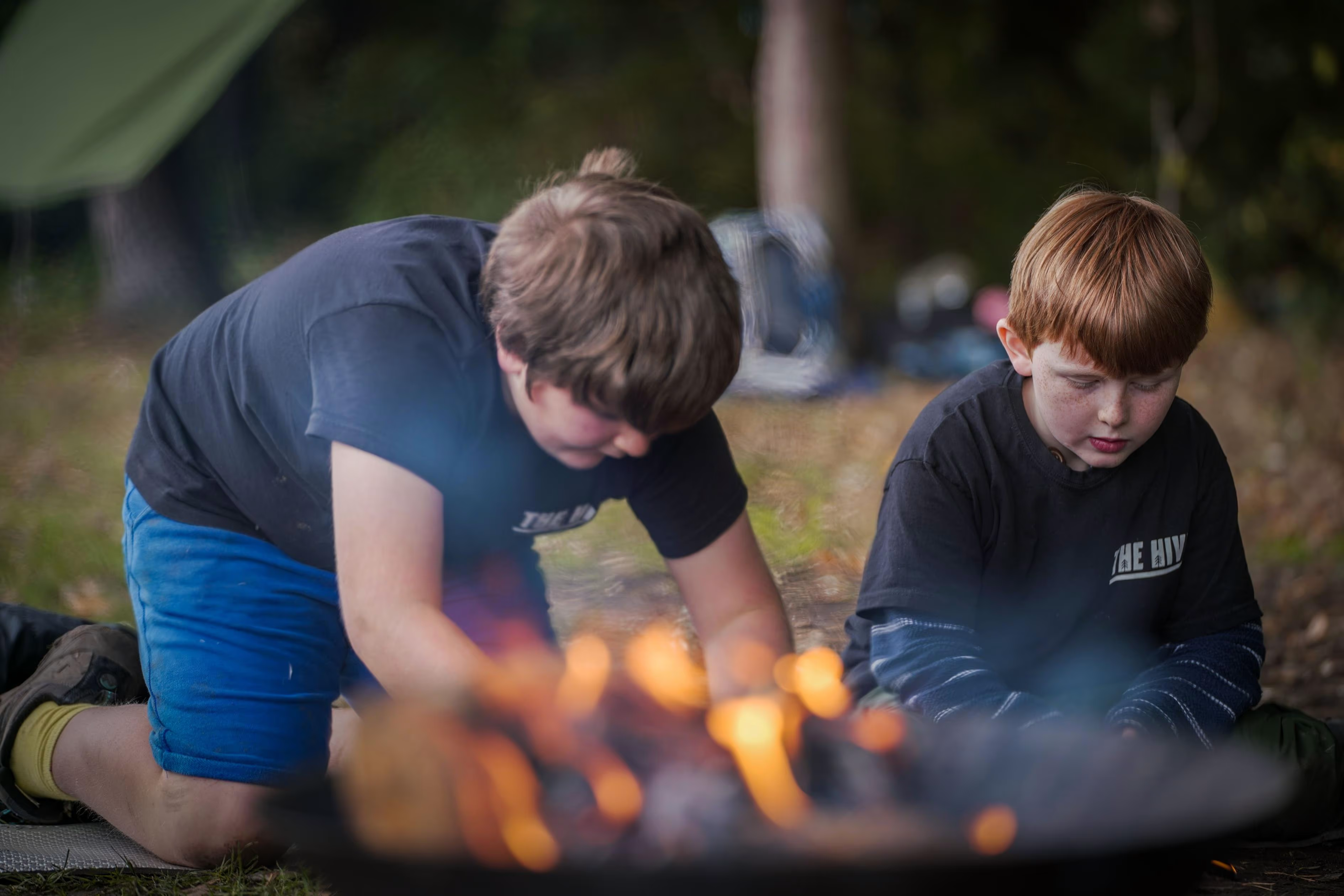
Our Hive booking included a dedicated photographer and a videographer. Both covered the activities happening through the day, so the project could draw on still moments as well as movement.
The difference matters when planning. A photograph needs to communicate as a single image. A filmed sequence can show an action developing, connect several views and make room for speech. Asking for both is a clearer brief than expecting every photograph to be extracted from a finished video.
For another camp or organisation, begin by listing the photographs the website needs and the subjects the films need to cover. Our professional photography services can be planned alongside filming, with the crew chosen around the coverage required.
Let the activity and the interviews answer different questions
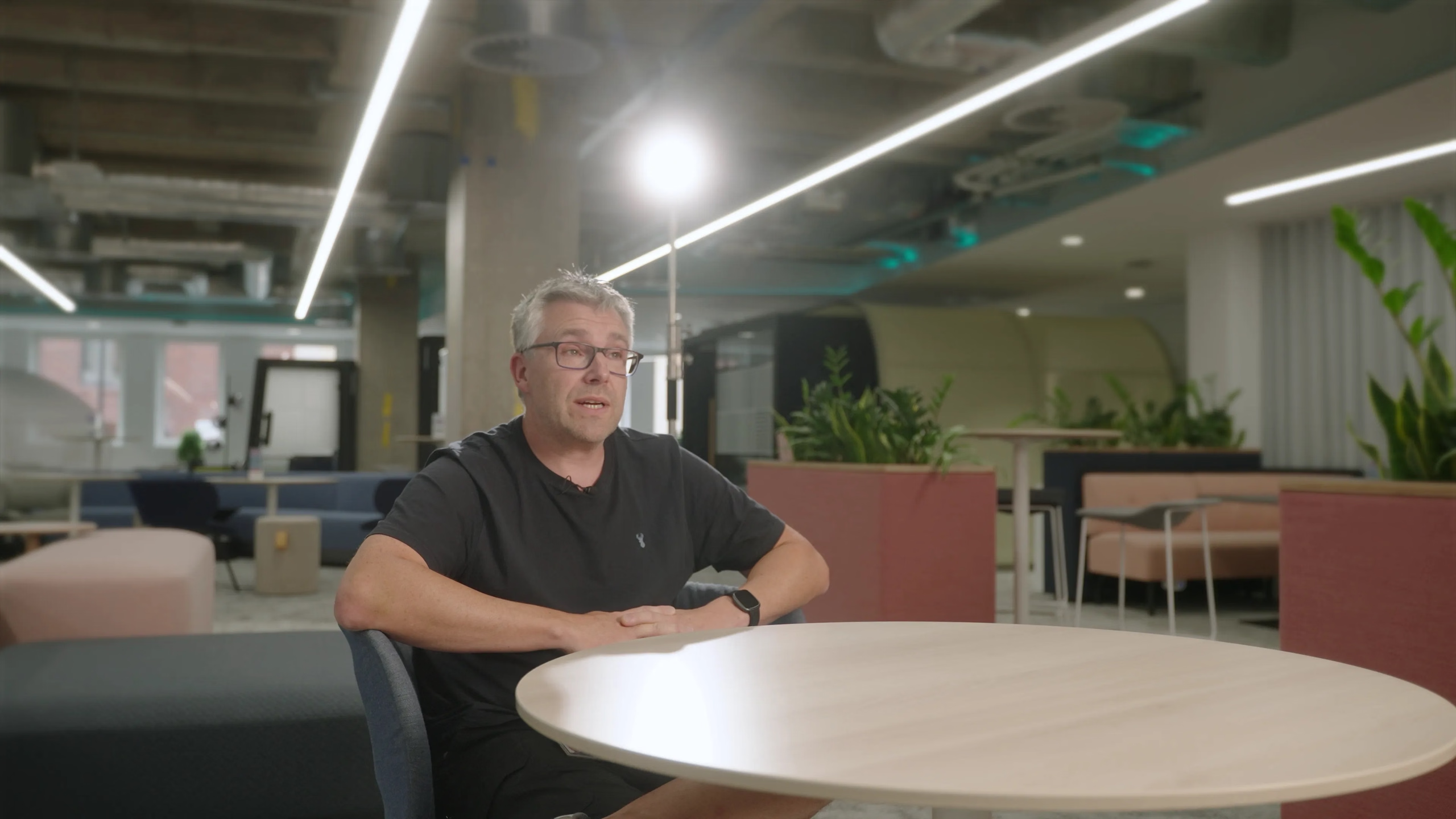
At The Hive, we recorded interview and testimonial-style clips with the children and with the activity instructors. The children’s contributions brought in the participant perspective; the instructors added their own explanations and experiences.
Activity coverage answers a visual question: what is happening here? A conversation creates space for what someone thinks about it. Keeping those roles in mind helps prevent a promotional film from carrying every part of the brief at once.
For a future shoot, we would recommend preparing open questions and allowing contributors to respond in their own words. The finished Hive examples can speak for themselves in the Hive Kids summer camp photography and video case study.
Include staff portraits in the website brief
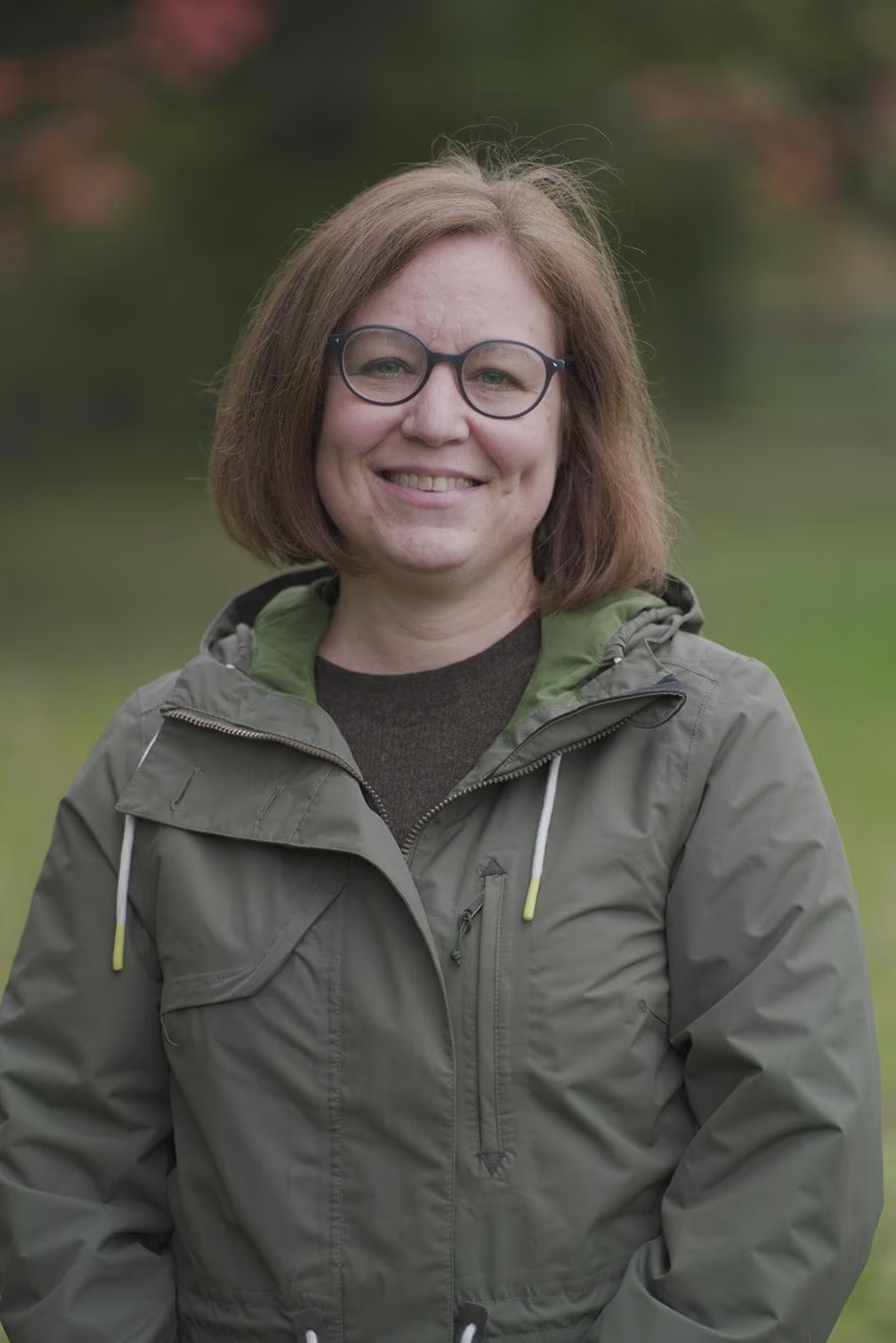
Staff headshots were an explicit part of the Hive Kids booking. They served a separate website need alongside the coverage of workshops and the interviews.
It is easy to focus a filming brief on the busiest activities and overlook the quieter images a website also needs. A team page may require individual portraits even when the main campaign is built around action. The supplied Hive photographs show both sides of that requirement.
For a similar project, agree which team members need portraits, how the images will be displayed and when people can step away from their work. Those practical questions help make headshots a planned part of the day.
Define the finished pieces before filming
We produced multiple finished videos for Hive Kids alongside the photography. The case study brings together selected activity films and interview clips so you can see how the different formats work.
When commissioning a comparable project, define the intended films and interview pieces before filming. A main activity film, a participant interview and a staff-led explanation may need different material and different editing decisions. They should each have a place in the brief.
This is part of corporate video production planning: connecting the organisation’s communication needs with a realistic set of finished pieces. It also makes reviews easier because each edit can be judged against its own purpose.
Separate the shoot day from the delivery schedule
For this project, one full day describes our attendance at the camp. It does not describe the time required to complete the whole production.
Photography selection and finishing, video editing and the review process belong in the delivery plan. A booking that captures several kinds of material still needs post-production time appropriate to the agreed outputs.
For a future shoot, confirm both the date of filming and when each finished item is needed. Our photography and videography pricing guide is a starting point for discussing scope, while a project-specific quote can reflect the actual crew, coverage and editing requirements.
A useful brief begins with the whole picture
The lesson we take from Hive Kids is straightforward: several related content needs can be considered together. We photographed and filmed the activities, recorded children’s and instructors’ voices, and created staff portraits for the website. Those were complementary parts of the booking, each serving a different purpose.
If you are planning something similar, bring your website image needs into the same conversation as your film ideas. Identify the activities that matter, the people you would like to hear from and any team photographs that need updating. Then agree what is realistic within the available shoot time.
Watch the finished examples and explore the photographs in our Hive Kids project portfolio, or tell us about your photography and video brief.