
Free Photoshoots: Are TFP Shoots Worth It for Models and Photographers?
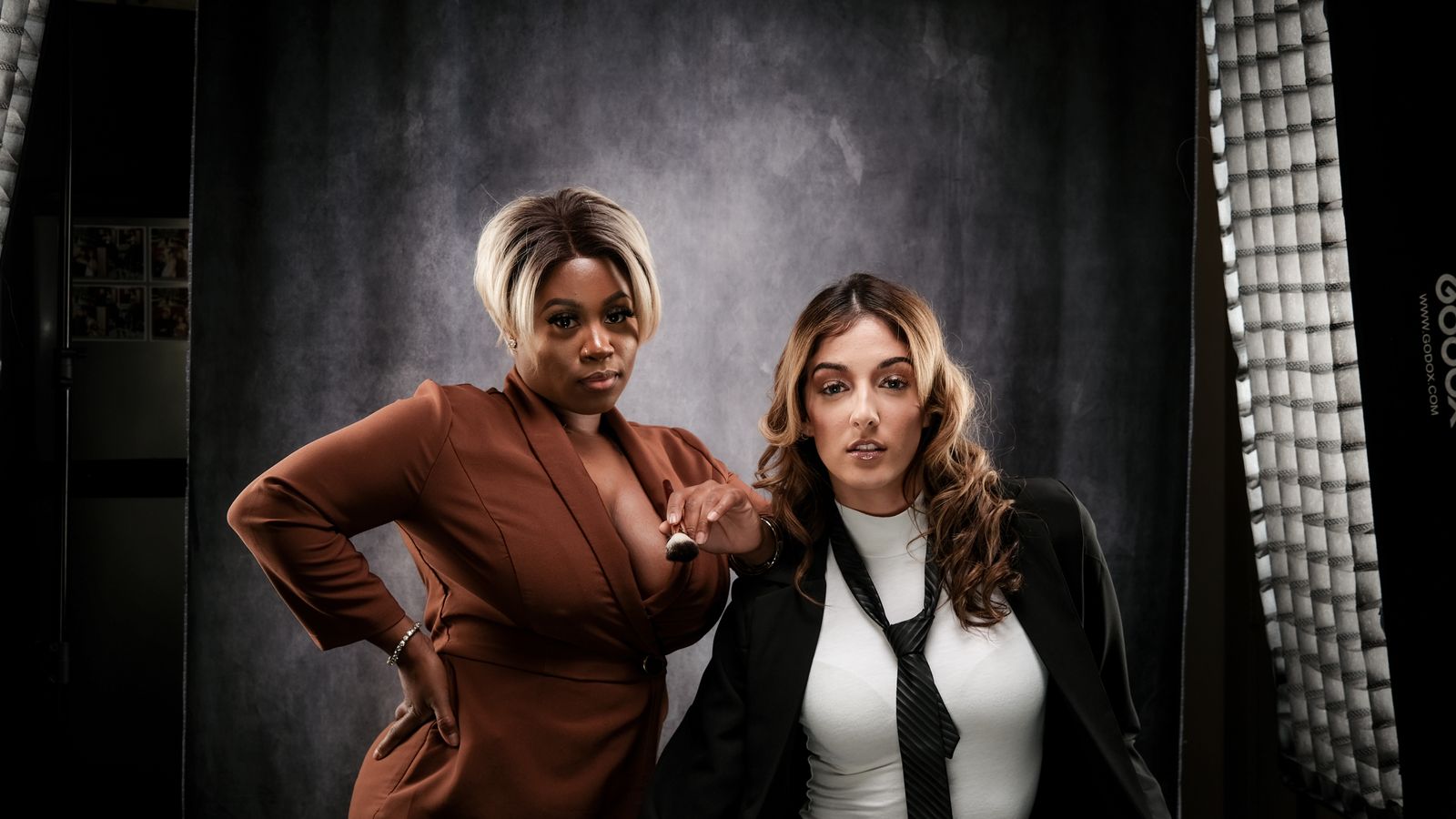
Free photoshoots, usually called TFP shoots, can be well worth it for both models and photographers, as long as both sides want the same kind of images, the terms are agreed in writing beforehand, and safety comes first. Done well, a TFP shoot builds a portfolio, tests new ideas and grows your contacts without anyone paying. Done badly, it wastes a day, produces images nobody can use, or puts someone in an uncomfortable or unsafe position.
This guide is for both sides of the camera. It covers what TFP actually means, when it’s worth doing, when it isn’t, how to agree usage rights and releases, and the safety checks every model should make before saying yes.
What are TFP free photoshoots?
TFP stands for “time for prints” (some people say “time for pictures”). Nobody pays anybody. The model gives their time, and the photographer gives their time, skills and edited images. Model agencies often call a similar arrangement a “test shoot”, where a new model is sent to work with a photographer to build their book.
The “prints” part is a hangover from film days. Today it means digital files, usually a set number of edited images delivered online, which both people can use to promote themselves.
Other people often join in on the same terms: make-up artists, hair stylists, wardrobe stylists and designers all use TFP to build portfolios. That can make the results much stronger, but it also means more people need to agree on the terms.
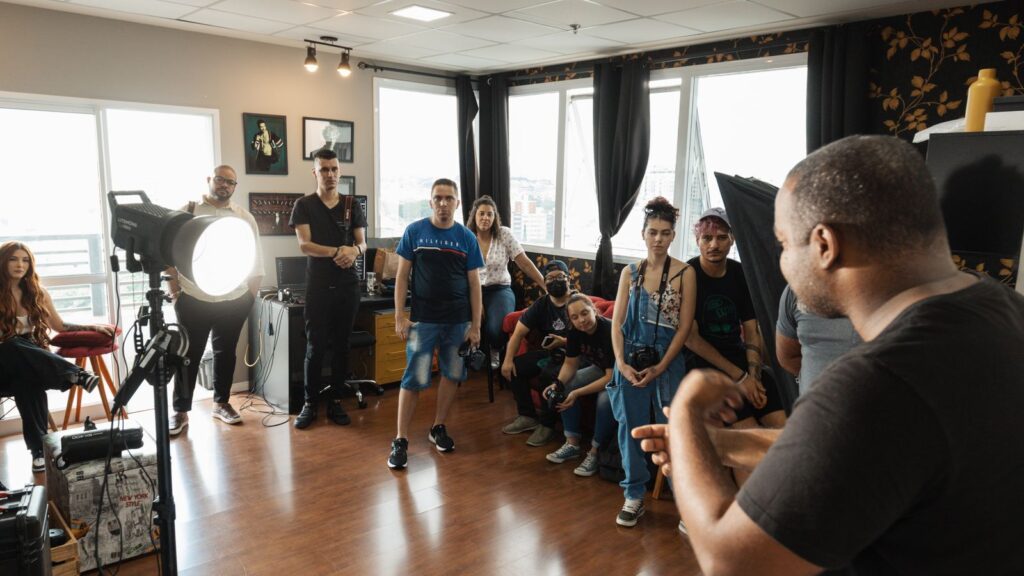
Are TFP shoots worth it? The honest pros and cons
There’s no single answer, because it depends on where you are in your career and what you want out of the day.
| Why it can be worth it | The catches | |
|---|---|---|
| For models | Builds a portfolio without paying for a shoot; practice in front of the camera; a chance to try new looks and styles | Quality varies hugely; images can arrive late or not at all; you don’t control how they’re used unless it’s agreed in writing |
| For photographers | Freedom to test lighting, kit and ideas; portfolio pieces in a style you want to be hired for; working with new people | Time spent editing for no fee; no-shows; models who expect paid-level retouching or dozens of edits |
| For both | Contacts and collaborators who may refer you later; creative work without a client brief | Mismatched expectations are the most common cause of fall-outs |
When a TFP shoot makes sense
- You’re new and need a starting portfolio, or you’re moving into a new genre (say, from weddings into fashion).
- Both people bring something the other genuinely needs, such as a photographer with strong lighting skills and a model with experience in a style the photographer wants to show.
- There’s a clear concept that will produce images you’d actually put in a portfolio.
- You’ve seen each other’s recent work and you like it.
When it probably isn’t worth it
- One side is clearly getting far more value than the other. If a brand wants images it will use to sell products, that’s a commercial job and should be paid.
- The other person’s portfolio doesn’t match the look you want. A free shoot that produces images you won’t use is still a cost: your time.
- The terms are vague, or someone refuses to put them in writing.
- Anything about the shoot makes you uneasy. Trust that feeling.
Agree the terms before the shoot
Most TFP disputes come down to things nobody said out loud. A short written agreement, even a simple one sent by email and confirmed by both people, prevents almost all of them. It should cover:
- The concept. Mood board, location, number of looks and wardrobe. Anything outside this is off the table unless everyone agrees on the day.
- How many images, and when. The number of edited images, the resolution and format, and the delivery date and method.
- Retouching. What level of editing the photographer will do, and whether the model can request changes.
- Usage. Where each person can use the images (portfolio, website, social media, competitions, agency book) and what needs extra permission, such as selling prints, stock libraries, magazine submissions or anything for a brand.
- Credit. How everyone is named or tagged when the images are posted.
- Removal. What happens if someone later wants an image taken down.
- Agency sign-off. If a model is signed to an agency, the agency may need to approve the shoot.
Usage rights and model releases explained
This is the part people get wrong most often, so it’s worth being clear.
Who owns the copyright?
In the UK, the photographer who takes a photo generally owns the copyright by default, unless they’re taking it as part of their job for an employer or they’ve signed it over in writing. A TFP shoot doesn’t change that. The model’s rights to use the images come from whatever you’ve both agreed, which is why the written agreement matters so much.
What a model release does
A model release is a written agreement in which the person in the photos gives permission for the images to be used for agreed purposes. England and Wales has no specific image-rights law, but a photo of an identifiable living person can count as personal data under UK GDPR, so getting clear, written consent is good practice. A release doesn’t transfer copyright; it covers permission to use someone’s likeness.
A release becomes essential if the images might be used commercially. Stock libraries such as Adobe Stock, for example, require a signed model release whenever someone in the image could reasonably be identified. Advertising and promotional use generally needs one too.
For a TFP shoot, the release should match the agreed usage. A model who has agreed to portfolio and social media use hasn’t agreed to their face appearing in an advert, and a good release makes that obvious to everyone.
Safety advice for models
Most photographers offering TFP shoots are genuine creatives who want good portfolio images. A small number aren’t, and “free photoshoot” offers are sometimes used to get people alone. These checks cost nothing and protect you:
- Check their work and references. Look at recent, consistent work under their own name, and ask to speak to models they’ve worked with. Contact those models directly rather than relying on screenshots.
- Bring a chaperone. Agree in advance that a friend or family member will come and stay for the whole shoot. A genuine photographer won’t object. If they refuse, don’t go.
- Choose the location carefully. For a first shoot with someone new, pick a studio or a public location. Avoid going alone to a private home or hotel room.
- Tell someone where you’ll be. Share the address, times and the photographer’s details with someone you trust, and agree a time to check in.
- Arrange your own travel. Get to and from the shoot independently so you can leave whenever you want.
- Stick to the agreed concept. Wardrobe and style should match what was agreed in writing. Pressure on the day to change the concept, especially towards less clothing, is a reason to stop.
- Protect your personal information. Don’t send identity documents or personal details to someone you can’t confirm is genuine.
- You can leave at any time. You don’t owe anyone a finished shoot. Keep the messages and the agreement in case you need them later.
If a model is under 18, a parent or guardian should agree to the shoot, see the terms and be there on the day. Professional agencies take this seriously: reputable agencies set out chaperone rules for younger models as a matter of course.
Tips for photographers offering free photoshoots
- Be easy to check. Keep an up-to-date portfolio under your real name and offer references from models you’ve worked with.
- Welcome chaperones. Say so in your first message. It reassures models and protects you too.
- Send a mood board and agreement first. It shows you’re organised and stops misunderstandings before they start.
- Deliver what you promised, when you promised. Your reputation in TFP circles travels fast, in both directions.
- Know when to stop doing TFP. Once your portfolio shows what you want to be hired for, free shoots should become occasional creative projects, not your default.
From free photoshoots to paid work
TFP is a stepping stone. What turns it into paid work is reliability: turning up prepared, communicating clearly, delivering on time and treating everyone on set with respect. Those are exactly the qualities production companies look for when they bring in freelance crew.
At The Camera Guys we work with freelance photographers, videographers, editors and other crew on assignments across Suffolk, Essex and beyond. If you’re building towards paid work, take a look at our current freelance opportunities, which explain how our crew network works. Our guide on how to find freelance videographer work in the UK is also useful for photographers moving into video.
For commercial shoots, we cast through agencies and local casting, and every model and extra signs a release matching the agreed usage. You can see how we handle that on our models and extras page, and the kind of work we produce on our fashion photography page. Please note we don’t offer free shoots, and joining our crew network doesn’t guarantee work.
Frequently asked questions
What does TFP mean in photography?
TFP stands for “time for prints” or “time for pictures”. It’s an unpaid shoot where the model and photographer exchange their time for images they can both use in their portfolios.
Can a photographer sell TFP photos?
Only if that’s been agreed. The photographer usually owns the copyright, but using a model’s likeness commercially, such as selling to stock libraries or brands, should only happen with the model’s written consent through a model release.
Is it safe to do a free photoshoot with a stranger?
It can be, with precautions. Check their work and references, bring a chaperone, start in a studio or public place, tell someone where you are and arrange your own travel. If a photographer objects to any of that, don’t go.
How many photos should I get from a TFP shoot?
There’s no standard number. Agree the number of edited images, the delivery date and the format in writing before the shoot so nobody is disappointed.
Do I need a contract for a TFP shoot?
It isn’t a legal requirement, but a short written agreement covering concept, usage, credit, delivery and releases is strongly recommended. It protects both people and prevents most disputes.