
What Is a Podcast? And Why So Many UK Businesses Are Starting One
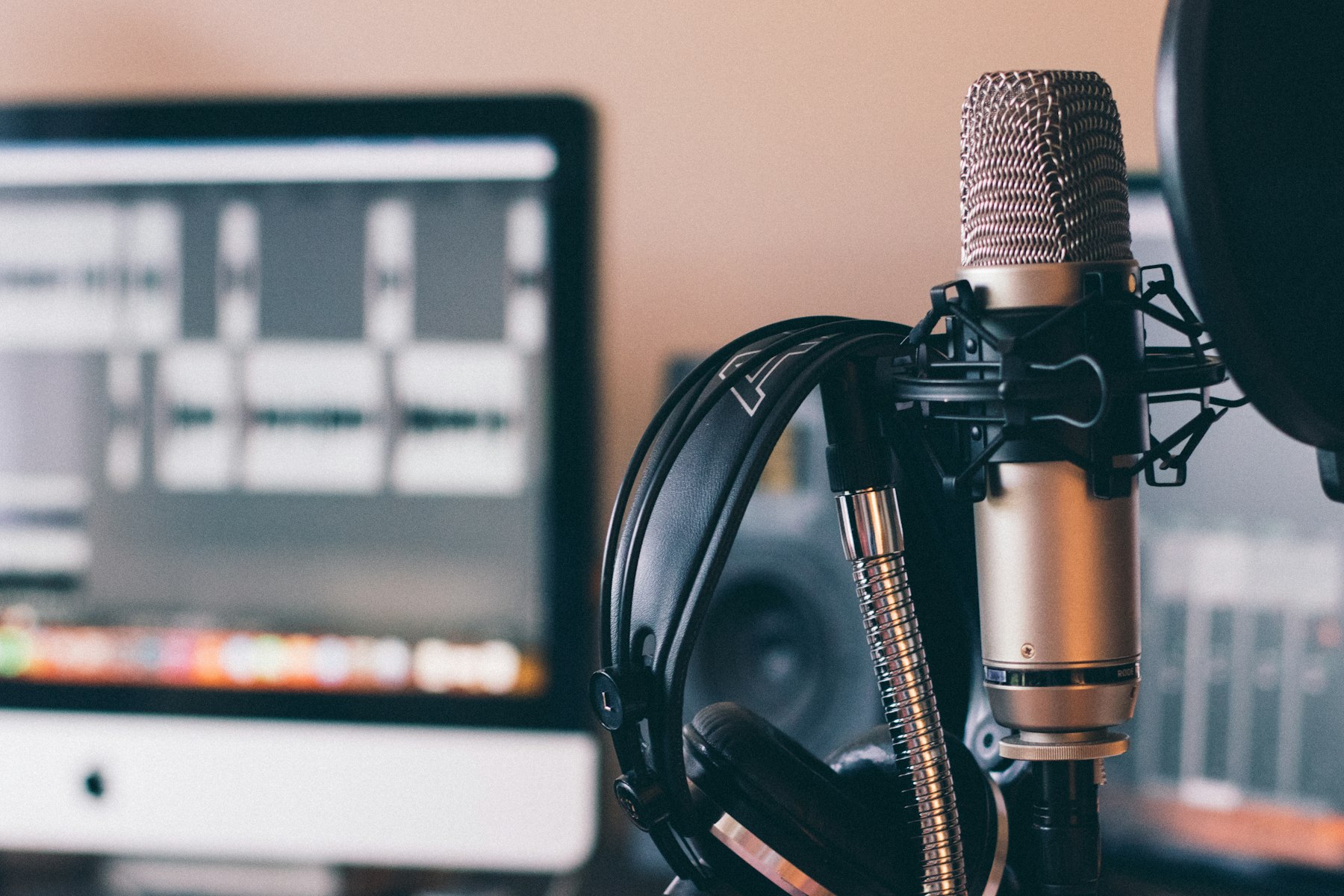
What is a podcast? A podcast is a series of audio or video episodes, published online, that people can stream or download and listen to whenever they like. Listeners usually follow a show in an app such as Apple Podcasts, Spotify or YouTube, and new episodes appear automatically when they’re released. Unlike live radio, a podcast is on demand: you choose what to hear, and when.
Podcasts have grown from a niche hobby into a mainstream medium, and they’re no longer just for broadcasters and comedians. This guide explains how podcasts work, the main formats, and why so many UK businesses now see a podcast as a sensible way to build trust with the people they want to reach.
What is a podcast, exactly?
At its simplest, a podcast is a show made up of episodes. Each episode is a recording, usually a conversation, interview, story or solo talk, and the series has a consistent theme, host or format that gives listeners a reason to come back.
Behind the scenes, most podcasts are distributed through an RSS feed. That’s a web address, provided by a podcast hosting service, which lists every episode along with its title, description and audio file. Podcast apps check that feed and update automatically, which is why your new episodes appear for followers without them having to search for you.
The word itself is British. Journalist Ben Hammersley used “podcasting” in an article for The Guardian in February 2004, combining “iPod” and “broadcast”. By the end of 2005 the New Oxford American Dictionary had named “podcast” its word of the year. You don’t need an iPod, of course: today almost everyone listens on a smartphone.
How do people listen to podcasts?
Listeners find and play podcasts through apps and platforms. The most common include:
- Apple Podcasts, built into iPhones and iPads.
- Spotify, which carries both audio and video podcasts alongside music.
- YouTube, now a major home for podcasts, particularly filmed ones.
- BBC Sounds, home to the BBC’s own podcasts and radio.
- Other podcast apps such as Pocket Casts and Amazon Music.
People listen while commuting, driving, exercising, cooking or working. That’s a big part of the appeal: a podcast fits around the listener’s day rather than demanding their full attention on a screen.
How popular are podcasts in the UK?
Ofcom, the UK communications regulator, reported in 2025 that over a fifth of UK adults listen to podcasts each week. Weekly listening was highest among people aged 25 to 44 (around three in ten) and lowest among those aged 65 and over, and smartphones were the most common device for listening. The most popular subjects were entertainment, news and current affairs, comedy, and discussion shows.
Ofcom’s research has also found that regular listeners value being able to listen whenever suits them. For a business, that matters: your audience chooses to spend time with you, often for half an hour or more at a time.
Types of podcast format
There’s no single right way to make a podcast. These are the formats you’ll come across most often:
| Format | What it involves | Works well for |
|---|---|---|
| Interview | A host talks to a different guest each episode | Building industry relationships and showcasing expertise |
| Co-hosted conversation | Two or more regular hosts discuss topics | Personality-led shows with a loyal following |
| Solo or expert | One host shares knowledge or opinion | Thought leadership and how-to content |
| Panel | Several guests debate a theme | Events, sector news and big questions |
| Narrative or documentary | A scripted, edited story told over one or more episodes | Brand stories, history and investigations |
| Internal | Episodes made for staff rather than the public | Internal communications, training and culture |
Audio podcast or video podcast?
Podcasts started as audio, and audio-only shows are still cheaper and quicker to make. But video podcasts have become very common, partly because YouTube and Spotify both support them and partly because short clips from a filmed episode work so well on social media.
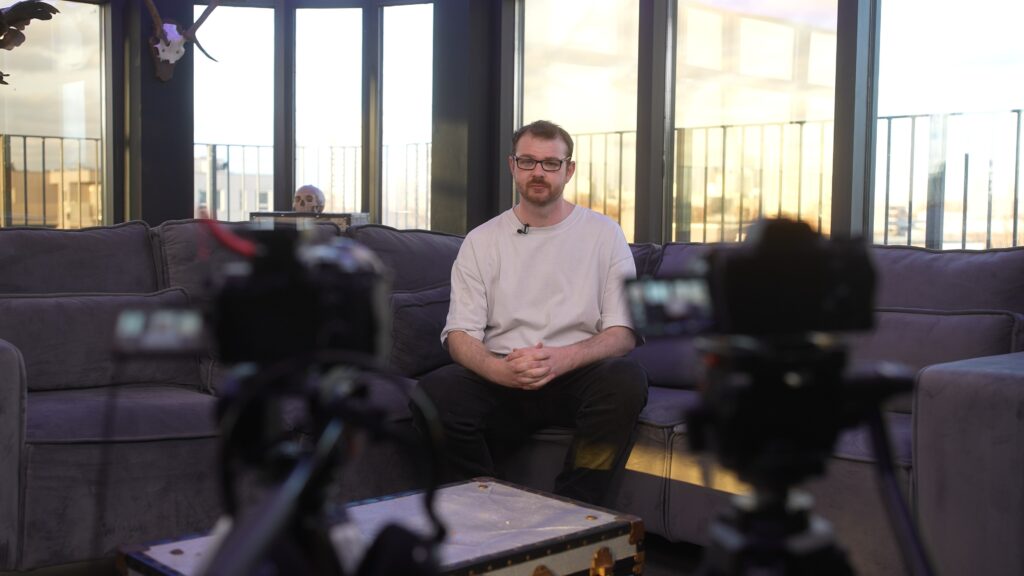
A video podcast usually means filming the conversation with two or more cameras, so the edit can cut between a wide shot and close-ups of each speaker. You then publish the full episode on YouTube, the audio version to podcast apps, and short vertical clips to Instagram, TikTok and LinkedIn. One recording session can give you weeks of content.
Why are so many UK businesses starting a podcast?
A business podcast isn’t about chasing celebrity download figures. It’s about reaching the right people and giving them a reason to trust you. The main reasons businesses start one are:
- Trust and familiarity. Listeners spend real time hearing your team think and talk. By the time they get in touch, they feel they know you.
- Showing expertise. A podcast is a natural place to explain what you know, answer common questions and share opinions.
- Relationship building. Inviting clients, partners and industry figures as guests is one of the easiest ways to start a conversation with someone you’d like to work with.
- Content for everywhere else. Each episode can be turned into short videos, quotes, blog posts and newsletter content.
- Internal communication. Some organisations use private podcasts to keep staff informed in a format people will actually listen to.
- Accessibility. Audio is easy to take in on the move, and transcripts and subtitles make it accessible to more people.
The catch is consistency. A podcast builds an audience over time, so it works best when you commit to a regular schedule and a clear theme rather than recording a few episodes and stopping.
What do you need to start a podcast?
- A clear idea: who the show is for, what it’s about and why they should listen.
- A format and name that make the show easy to understand at a glance.
- Decent microphones and a quiet room with soft furnishings to reduce echo. Listeners forgive average pictures far more readily than bad sound.
- Cameras and lighting if you’re making a video podcast.
- Editing to tighten the conversation, clean up the audio and add intros and music you have the rights to use.
- A podcast host to create your RSS feed and send episodes to the apps, plus a YouTube channel for video.
- A plan to promote it, using clips, guests’ own audiences and your existing channels.
Thinking about a podcast for your business?
We film and produce podcasts for businesses across Suffolk, Essex, Cambridgeshire, Norfolk, Hertfordshire and London. Our video podcast production service covers multi-camera filming, sound and editing, and we can turn each episode into short clips with our social and short-form video editing. If you’d rather record yourself, we offer audio equipment hire and sound editing and audio clean-up. Take a look at our pricing or get in touch to talk it through.
Frequently asked questions
What is the difference between a podcast and radio?
Radio is broadcast live on a schedule, while a podcast is on demand: listeners choose episodes and play them whenever they like. Some radio shows are also released as podcasts afterwards.
Do you need special equipment to listen to a podcast?
No. Any smartphone, tablet or computer will do. Most people use a free app such as Apple Podcasts, Spotify, YouTube or BBC Sounds.
Is a podcast free to listen to?
Most podcasts are free, often supported by advertising or sponsorship. Some shows offer bonus or ad-free episodes through a paid subscription.
How long should a podcast episode be?
There’s no set rule. Choose a length that suits the format and your audience, and keep it consistent. A tightly edited 20-minute episode is better than a rambling hour.
Can a podcast help a small business?
Yes, if it’s aimed at the right audience and made consistently. A podcast helps people get to know and trust your business, and each episode can supply content for your website and social channels.