
How to Find Work as a Video Editor: A Practical Guide
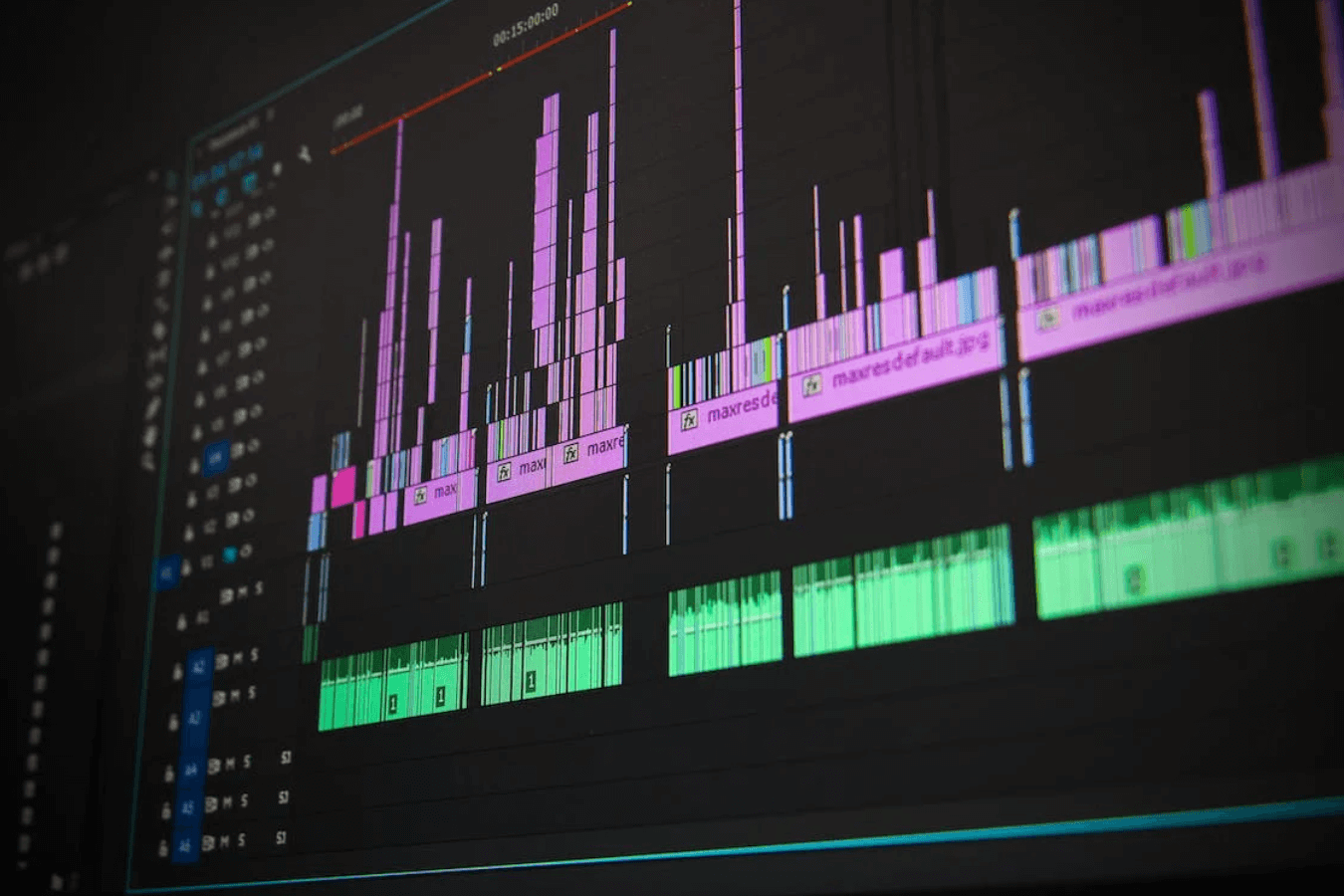
To find work as a video editor, make it easy for someone to see three things: the kind of video you can improve, evidence that you can finish it, and what working with you will involve. A polished showreel helps, but a relevant complete edit and a clear offer often answer more of a client’s questions.
This guide covers freelance editing and employed roles, including where to look, how to use sites such as Fiverr and Upwork, what to put in a portfolio and how to turn a first project into repeat work. You do not need to master every style before you start. You do need to be honest about what you can deliver.
Decide what kind of editing work you want
“Video editor” covers very different briefs. Cutting a weekly YouTube episode, shaping an interview into a business film and creating a set of vertical clips require different examples and workflows. Choose one starting offer that fits your skills and the people you can realistically reach.
- Interview and business films: finding the story in spoken material, selecting supporting footage and making the message clear.
- Creator and podcast content: maintaining a recognisable style across regular episodes, managing multiple cameras and producing shorter extracts.
- Social content: building a clear opening, readable captions and versions suited to the agreed channels.
- Agency and production support: organising footage, assembling cuts, addressing feedback and handing over tidy projects.
Our corporate video production work shows the range of purposes a business film can serve. Pick a purpose you understand, then show how your editing supports it. “I turn recorded expert interviews into clear two-minute business stories” tells a potential client more than “I am a passionate editor who uses Premiere Pro”.
For employment, also search for assistant editor, junior editor, post-production assistant, content editor and video producer. Read each description carefully: some roles include filming, animation or managing an entire content schedule. If filming is your main interest, use our guide to finding work as a videographer.
Production teams may need you to work in a particular editing application and version, use lower-resolution proxy files, reconnect media or hand over a project another editor can open. Ask about their workflow and show the parts you can already handle.
Build a small portfolio that proves you can finish a film
Start with three relevant examples rather than a long collection of unrelated work. Include at least one complete piece: someone commissioning an interview film needs to hear the dialogue and follow the story, not just see attractive shots cut to music.
- A story edit: turn a conversation or interview into a coherent beginning, middle and ending. Show that you can make decisions about what to leave out.
- A longer piece: demonstrate consistent pacing, understandable dialogue and a style that holds together beyond a short reel.
- A set of adaptations: show how the same material becomes a shorter cut or a vertical version, with reframing and captions that remain readable.
Choose examples that fit your intended offer; these are useful portfolio exercises, not compulsory genres. Add a few lines to each: the brief, intended audience, your exact contribution, the material supplied and the deliverables. State when you edited footage filmed by someone else. If you also handled sound, graphics or colour, say so accurately.
If you have no client work, use your own footage, collaborate with a willing filmmaker or use material with permission for that purpose. Label practice projects clearly and check the rights to footage, music and portfolio publication. A mock advertisement should never imply that the featured brand commissioned you.
Keep the viewing experience simple. Put your strongest relevant film first, make contact details obvious and check playback on a phone. Keep confidential work private unless you have permission to show it.
Show that you understand what the edit is for
Our video editing examples show three different demands: Sony × AMWORLD uses an interview and supporting footage to tell a business story; RIDI’s performance of Creep brings together three camera angles; and Stoic Performance’s presenter-led films use a consistent treatment across a series. Each needs a different kind of editing judgement.
Make that thinking visible in your portfolio. Explain why a particular answer opens the film, how you maintained continuity between camera angles or how you kept a series consistent. Our interview videography page gives more context for spoken stories. For adaptation work, look at the deliverables involved in social media video production. A client needs an editor who can understand the message as well as operate the software.
Where to find video editing work
Use a mix of direct relationships and public opportunities. Choose one or two channels to work on consistently, then judge them by the relevance of the conversations they produce.
Fiverr: offer a defined editing service
Fiverr’s video editing marketplace suits a service you can describe with clear limits. Build your offer around a recognisable outcome, such as an interview edit or a podcast extract, and show a matching example.
Specify the maximum source footage, finished duration, number of versions, captions, graphics, delivery time and revision rounds. Explain what the buyer must supply before work starts. “Unlimited editing” creates uncertainty for both sides. Fiverr’s guide to creating a Gig explains the current setup process.
Upwork: respond to a specific brief
On Upwork, look for briefs that match work you can demonstrate. A useful proposal starts with the client’s actual task, links one relevant example and asks a question that affects the scope. Avoid sending the same software list to every client.
Check the proposal process and required Connects before applying. Budget for the cost of applications as well as platform fees, and be selective about poorly specified projects.
PeoplePerHour: combine offers and project proposals
PeoplePerHour provides routes through packaged Offers and proposals for posted projects. Match your examples to the brief and confirm what is included before accepting. Read its current payment and project process so you understand how an agreed proposal, funding and delivery fit together.
LinkedIn and production job boards
Use LinkedIn’s UK video editor jobs search for employed and contract opportunities, including adjacent job titles. Tailor your CV and portfolio order to each role. If the employer mainly makes interviews, lead with an interview edit.
The Talent Manager is another route for television and production roles. Its freelancer membership information explains the Basic option and paid upgrades. Check whether the work matches your experience; broadcast post-production roles may require a workflow you have not yet used.
Platform fees, application allowances and membership terms can change. Check them before committing, follow each service’s communication and payment rules, and include those costs when deciding whether a project is worthwhile. A profile creates a place to be assessed; it does not guarantee enquiries.
Approach people who already produce video
Production companies, marketing agencies, independent filmmakers and regular content creators can all have editing needs. Research their work first. Identify where your experience fits, then send a short introduction through their published contact process.
Here is a fictional example to adapt with details that are true:
Hi {name}, I am a video editor working on {type of content}. I saw your recent {specific project} and thought this example might be relevant: {portfolio link}. I handled {accurate role}, including {useful detail}. I am available from {date} for {defined support}. Do you work with freelance editors, and is there a preferred way to share my details?
For a creator, mention a real episode and the sort of editing support you can provide. Do not open by insulting their existing work. Keep any follow-up courteous and limited, and respect a request not to be contacted again.
Scope the edit before you price it
A “two-minute video” is not a complete brief. Ten minutes of organised footage and several hours of unlabelled interviews can produce the same finished duration with very different workloads. Ask these questions before agreeing a fee:
- What is the film for, who will watch it and where will it be published?
- How much source material is there, in what formats, and how will it be transferred?
- Is there a script or selected interview transcript, or does the story need to be found in the edit?
- Which graphics, captions, music, sound work and colour work are required?
- How many final films, lengths, aspect ratios and language versions are needed?
- Who approves the work, how many review rounds are included and when is feedback due?
- Are project files, long-term storage or later changes part of the handover?
A clear example scope might be: one interview film up to two minutes, from up to 45 minutes of supplied footage, plus one vertical extract, English captions and two consolidated review rounds. The quote should also explain what is excluded and how additional work is agreed. This is an illustration, not a suggested market price.
Where possible, inspect a representative source clip and the supplied folder or transcript structure before promising turnaround. A sample can reveal poor audio, unfamiliar formats or missing media while there is still time to agree a workable plan.
Allow for ingest, organisation, editing, sound, revisions, exports, checks and communication. Set payment stages and delivery expectations in writing. A rush deadline or substantial change to the agreed story should trigger a discussion about time and cost.
Use a small paid trial to establish fit
When a new client wants to test the working relationship, suggest a limited paid assignment with an agreed outcome. One short extract can reveal how you interpret a brief, handle feedback and organise delivery without either side committing to a large series.
A skills assessment should have a clear purpose and limit. Be cautious if an unknown client asks for a complete usable edit for free, repeatedly expands a test or asks you to pay to unlock work. Upwork’s guidance on recognising suspicious offers includes practical warning signs. Do not share client footage or upload it to third-party tools without the necessary permission.
Make clients comfortable booking you again
Agree a file structure and naming convention, keep versions clear and ask for consolidated feedback from the person responsible for approval. If the supplied material creates a problem, explain it early and offer practical options.
Watch every export before sending it. Check names, captions, dialogue, music levels, graphics, aspect ratio and the beginning and ending of the file. Deliver the formats you promised, with a concise note identifying each version.
After approval, ask for an honest testimonial and permission to show the work. If there is a recurring need, discuss a regular schedule with defined capacity and deliverables. A monthly arrangement needs the same clear limits as a single project.
Your first 30 days
Week one: choose one starting offer, assess your examples and write down the kind of client or employer you want to reach.
Week two: finish the strongest portfolio pieces, explain your contribution and prepare a short profile, CV and sample project scope.
Week three: set up one suitable platform profile and make a small number of researched applications or introductions. Track the brief, date, example sent and response.
Week four: review the evidence. If the work you want keeps asking for a skill you cannot show, build an example that addresses it. If enquiries stall at quoting, improve your questions and scope. Keep the channels that produce useful conversations.
You may not land a project within a month. The aim is to build a repeatable way to show relevant work, reach suitable people and deliver reliably. For more help with the business side of freelancing, explore the ScreenSkills freelance toolkit.