
What Is a Content Strategy? The Video-First Version That Small Businesses Can Actually Stick To
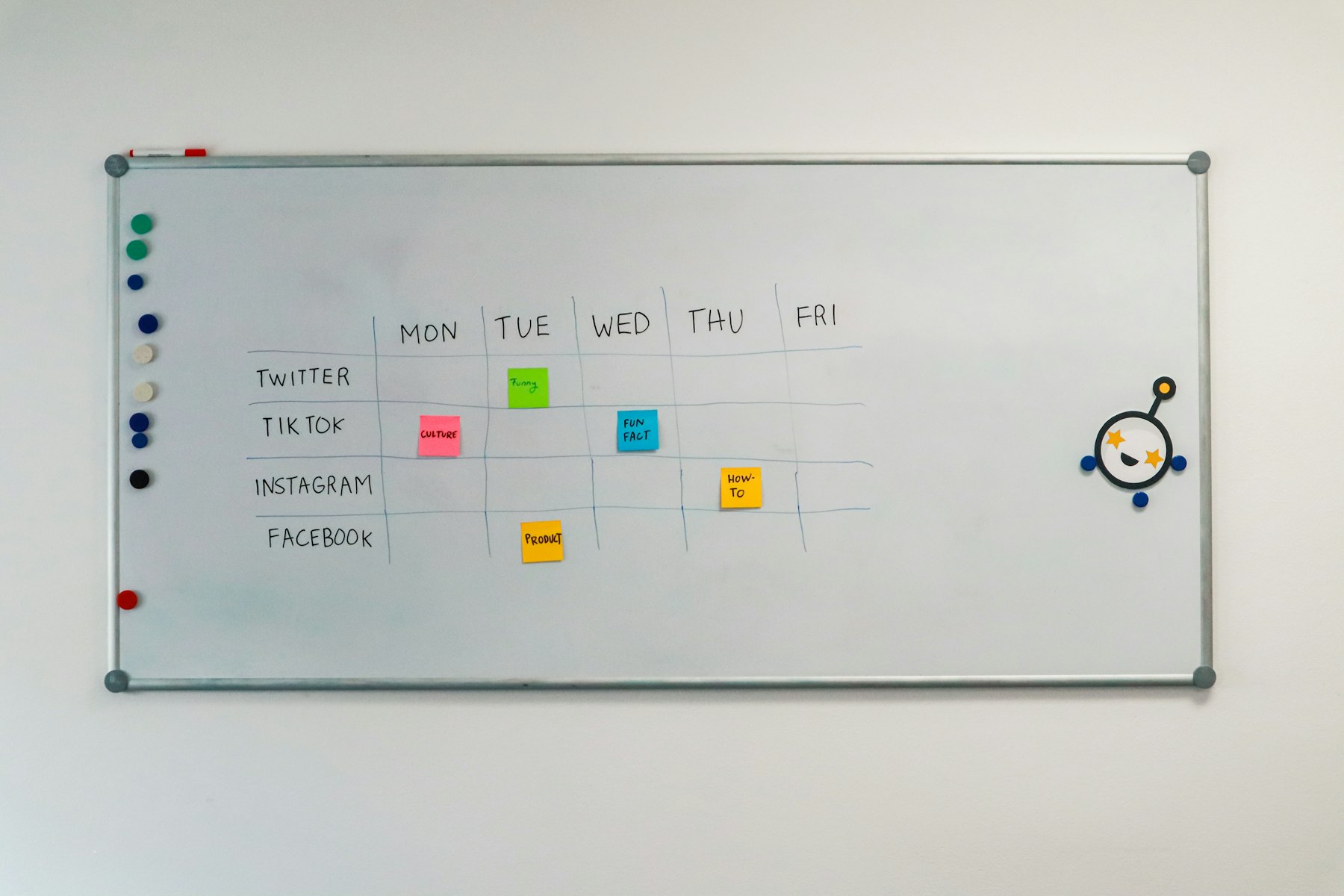
What is a content strategy? It’s a simple, written plan for what you publish, who it’s for, why you’re making it and how often it goes out, so every post, video and article is working towards a business goal rather than filling a gap in the calendar. For a small business, a good content strategy fits on one page and answers four questions: who are we talking to, what do they need to hear, where will they see it, and how will we keep it going.
We make video for businesses across Suffolk, Essex and London, and the strategies that last are rarely the clever ones. They’re the realistic ones. This guide explains what a content strategy actually involves, and shows a video-first version that a busy team can keep up week after week.
What is a content strategy, in plain English?
Think of it as the difference between posting and publishing. Posting is reactive: it’s Thursday, nothing has gone out, someone grabs a photo of the office dog. Publishing is planned: you know what you’re saying this month, you know which customers it’s for, and you’ve already got the material.
A content strategy is the thinking that sits behind that plan. It usually covers:
- Goals: what the content is meant to achieve, such as more enquiries, better candidates or fewer repetitive customer questions.
- Audience: the specific people you want to reach and the questions they ask before they buy.
- Messages: the three to five things you want to be known for.
- Formats and channels: what you’ll make (short videos, longer films, articles, photos) and where it lives.
- Workflow: who plans it, who films it, who edits it, who posts it, and when.
- Measurement: how you’ll tell whether it’s working.
Content strategy vs content plan vs content calendar
These get used interchangeably, but they’re different jobs. The strategy is the why and the who. The plan is the what: the topics and pieces you’ll produce this quarter. The calendar is the when: the dates things go live. Most small businesses start with a calendar and wonder why it falls apart. Without the strategy above it, there’s nothing to decide what deserves a slot.

Why a content strategy for small business should be video-first
Small businesses don’t have a content department. The owner, or one person with a dozen other jobs, is usually doing it. That’s exactly why video is the right starting point, not an expensive extra.
One well-planned filming session produces far more usable material than most people expect. A single interview with you or a customer can become a website video, several short social clips, quotes for graphics, stills for posts and the outline of a blog article. When you start with video and work outwards, you’re making one thing and getting many. When you start with a blank page every week, you’re making everything from scratch.
Video also does something text struggles with: it lets people see who they’d be dealing with. For service businesses in particular, that’s often the deciding factor. If you want the longer case for it, we’ve written about why video works so well on social media.
How to build a content strategy you’ll actually stick to
Here’s the process we walk clients through. It’s deliberately simple. You can do the first draft in an afternoon.
- Pick one main goal for the next three months. Not five. “More enquiries for kitchen installs in north Essex” is a goal. “Raise awareness” isn’t, because you’ll never know whether you’ve done it.
- Write down who it’s for. Describe your best recent customer. What did they worry about before they called you? What did they ask on the first phone call? Those questions are your content.
- Choose three content pillars. Pillars are the recurring themes you’ll come back to. More on these below.
- Pick one or two channels, properly. It’s better to be consistent on LinkedIn and your website than invisible on six platforms. Go where your customers already are.
- Set a rhythm you can keep on a bad week. If you can only manage two short videos a week, plan for two. Consistency beats bursts of enthusiasm.
- Batch the production. Film a month or a quarter of material in one go, rather than trying to create something every day.
- Review monthly, change quarterly. Look at what got a response, keep doing that, drop what didn’t.
Choosing your content pillars
Most small businesses can build everything around three pillars. A useful starting set looks like this:
| Pillar | What it does | Video examples |
|---|---|---|
| Help | Answers the questions customers ask before buying | Short “how does it work” explainers, FAQ clips, myth-busting |
| Proof | Shows you’ve done it well for people like them | Customer testimonials, before and after, project walkthroughs |
| People | Shows who they’d be working with | Meet-the-team clips, behind the scenes, a day on site |
If a content idea doesn’t fit one of your pillars, it probably doesn’t need to be made. That single rule saves a lot of wasted time.
A simple video-first content strategy (example month)
Here’s what a sustainable month can look like for a small service business, built from one half-day or full-day filming session:
- Week 1: one longer “help” video for the website and YouTube, plus two short clips cut from it for social.
- Week 2: a short customer testimonial clip, plus a written post pulling out the best quote.
- Week 3: a behind-the-scenes or meet-the-team clip, plus photos from the shoot.
- Week 4: an FAQ clip answering a question you were asked that month, plus a blog article built from the longer video.
Everything above comes from the same filming day. The trick is planning the shot list around your pillars before anyone turns up, which is something we’ve covered in detail in how to create a month of social media content in one filming day.

Common reasons content strategies fail (and how to avoid them)
- Too ambitious at the start. Daily posting across every platform lasts about three weeks. Start small and grow.
- No owner. If it’s “everyone’s job”, it’s no one’s. Give one person responsibility, even if others help.
- Making it fresh every time. Without batching and repurposing, content becomes a daily chore. Film once, use many times.
- Talking about yourself, not the customer. “We’re delighted to announce” rarely beats “here’s how to avoid the mistake most people make”.
- Measuring the wrong thing. Views are nice. Enquiries, calls and booked meetings are the point. Track the numbers that connect to your goal.
- Quitting too early. Content builds over months, not days. Judge it on a quarter, not a week.
How do you measure whether your content strategy is working?
Go back to your one goal. If it was enquiries, ask every new enquiry how they found you and whether they’d seen any of your videos. Check which pages people visit before they contact you. Look at which posts get comments and messages, not just likes. Over a quarter, patterns show up quickly: the topics that bring in the right people, and the ones that only entertain your existing followers.
Keep it light. A short monthly note of what went out, what got a response and what you’ll change is plenty. If you want to go further, our guide to measuring video marketing ROI goes into more detail.
Where a video production team fits in
You don’t need a production company to have a content strategy. But many small businesses find the strategy is the easy part, and the filming and editing are what stall. That’s where we help. We plan filming days around your pillars, capture enough material for weeks of posts, and handle the editing into the formats each platform needs.
Our social and short-form video editing turns raw footage into ready-to-post clips, and our video repurposing and format versions service makes sure one film works as vertical, square and widescreen cuts. If you’re putting budget behind your posts, we also produce paid social video ads. See our pricing, or tell us what you’re trying to achieve and we’ll suggest a realistic plan.
Frequently asked questions
What is a content strategy in simple terms?
It’s a plan for what content you create, who it’s for, where it goes and how it helps your business, so you publish with purpose instead of posting whatever’s to hand.
Does a small business really need a content strategy?
Yes, but it can be short. A one-page strategy with one goal, three pillars, one or two channels and a realistic rhythm is far more useful than a long document nobody reads.
How often should a small business post video?
As often as you can keep up consistently. For most small teams, one or two pieces a week is sustainable when it’s batched. We cover this in more depth in how often a business should create new video content.
What’s the difference between content strategy and content marketing?
Content marketing is the activity of creating and sharing content to attract customers. Content strategy is the planning that decides what that content should be, who it’s for and how you’ll judge whether it’s working.
Can I film content on my phone?
Absolutely, for quick, informal clips. Many businesses mix phone content with a professional filming day every month or quarter for the pieces that need to look and sound their best, such as testimonials and website videos.