Group compatible topics into one clear format
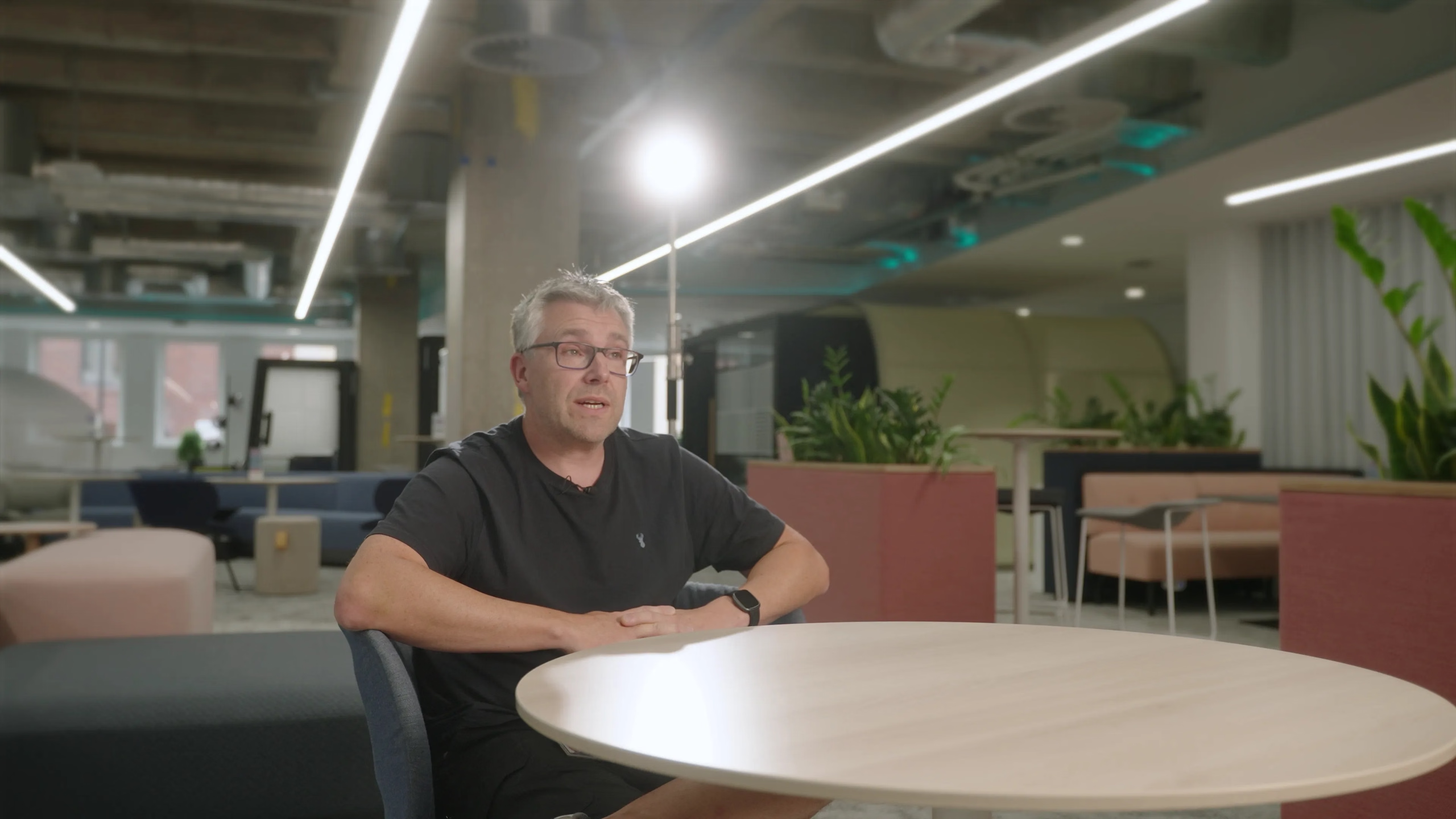
Batch filming becomes faster when the audience, visual format and presentation style are decided before the shoot. Stoic Performance used a walking-and-talking approach, with every piece delivered in the same square social-media format. That repeatable structure reduced unnecessary changes between topics.
Consistency should not make the content feel mechanical. The speaker can still vary pace, emphasis and movement, while the production keeps the technical setup predictable. Fewer avoidable resets leave more of the day available for strong delivery.
For businesses commissioning short-form video production, it helps to decide whether each planned topic belongs to the same series. If a subject needs a completely different setting, contributor or filming style, it may deserve its own production block.
Write for speech, even when the delivery is natural
Stoic Performance chose to film without a teleprompter. That suited a conversational delivery, but it did not remove the need for preparation. A clear opening, a small number of points and a definite ending make a spoken piece easier to remember and easier to edit.
Retakes are normal. People forget lines, change wording or decide that a second version sounds better. The schedule should allow for that instead of assuming every video will be completed in one take.
A simple topic outline can be enough for a confident presenter. More complex or regulated wording may benefit from a complete script. The level of preparation should match the consequences of getting the wording wrong.
Choose between natural delivery and a teleprompter
A teleprompter mounts in front of the camera lens so a presenter can read prepared copy while continuing to look directly at the audience. It can reduce forgotten lines, keep exact messages consistent and give a less confident presenter more reassurance.
It can also help when several technical videos need to be recorded in one session. Fewer restarts may allow the day to move more efficiently, although that still does not guarantee a particular number of finished videos.
Natural delivery remains the better choice for some people. Stoic Performance preferred that approach, and the conversational style suited the series. The decision should be made around the presenter rather than treated as a rule for every production.
Limit setup changes that do not add value
Every move between locations, lighting reset or audio change uses part of the filming window. Variety matters, but it should earn its place. A walking route that offers several backgrounds may create visual change without rebuilding the entire setup for each topic.
Before filming, separate the changes that support the message from changes that are merely decorative. If one group of videos needs a different background or tone, film that group together. A logical running order reduces friction and helps the presenter stay focused.
Design the editing system before multiplying the edits
Twenty-seven videos can quickly become inconsistent if every edit is designed from scratch. For Stoic Performance, we created a repeatable visual treatment using the brand colours, typography, on-screen annotations, graphic elements and progress indicators.
The template was not a shortcut around creative decisions. It was the system that allowed those decisions to be applied consistently. Viewers could recognise the videos as one series, while the editor could focus on pacing, clarity and the needs of each topic.
This is an important part of corporate social media video production: the content bank should look like a campaign, not a folder of unrelated clips.
Estimate the day using the real constraints
The length and complexity of each video, the presenter’s confidence, the number of retakes, changes made during filming, the number of setups and the complexity of the production all affect the final quantity.
Stoic Performance ultimately received 27 finished videos from approximately six hours of filming. That result shows the potential of a well-prepared batch day; it is not a universal production rate.
See the representative films and full production story in the Stoic Performance social media video production case study. If your business needs regular content, we can plan a realistic priority list and build the day around the people who will actually be on camera.