
Tips for Networking Events: What We’ve Learned From Behind the Camera
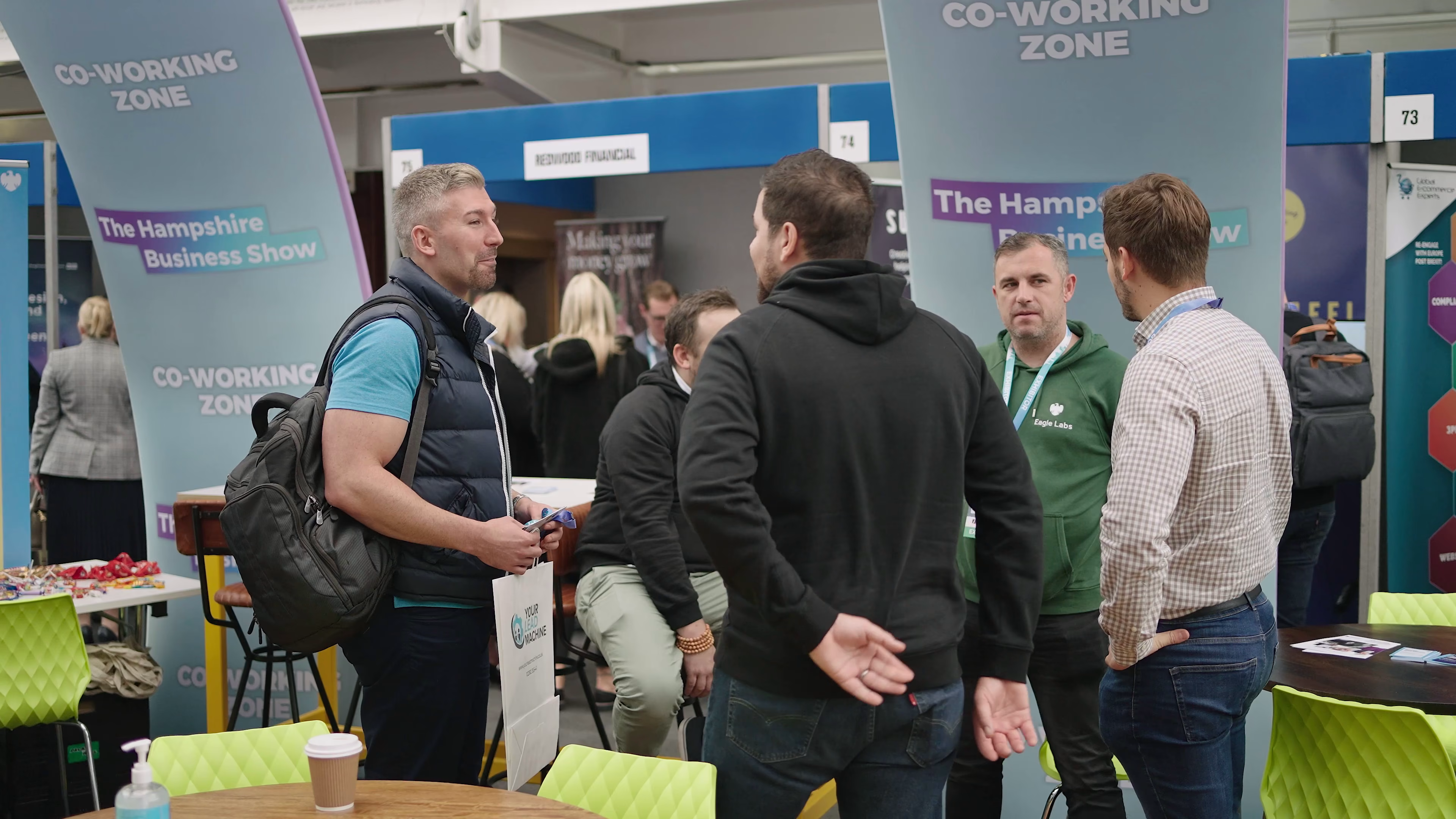
The best tips for networking events are simple: arrive early, have a short answer to “what do you do?”, listen more than you talk, and follow up within a couple of days. That’s the advice most people already know. What’s less obvious is what actually separates the people who leave with useful contacts from the people who leave with a pocket full of business cards and nothing else.
We photograph and film business events across Suffolk, Essex and London, from breakfast networking groups to conferences and awards nights. Standing at the edge of the room with a camera gives you an unusual view. You see who people gravitate towards, which conversations last, and who ends up in the photos the organiser shares afterwards. These are the patterns we notice again and again.
Before the event: how to prepare for networking
Know why you’re going
Pick one or two realistic goals before you walk in. “Meet three people in my sector”, “find a local accountant” or “say hello to the speaker” is far more useful than “network”. A clear goal makes it easier to decide who to talk to and when you can leave.
Check who’s likely to be there
Many events publish a speaker list or an attendee list on the booking page or event app. Look at it the day before. If there’s someone you’d really like to meet, look at their LinkedIn profile so you have something genuine to open with.
Practise a short, plain introduction
You’ll be asked what you do dozens of times. Have a one- or two-sentence answer that a stranger would understand straight away, ideally with who you help and how. Skip the jargon. If people ask a follow-up question, it’s working.
Sort out the practical bits
- Business cards or a QR code. Cards still get used, but plenty of people now swap details on their phones. In the LinkedIn app, tap the search bar, then the QR symbol, then “My code” to show a code someone can scan.
- A charged phone. Bring a small power bank if it’s a long day.
- Comfortable shoes. Most networking happens standing up.
- A pen. Jotting a note on the back of a card (“wants a new website in spring”) is the easiest way to remember who said what.
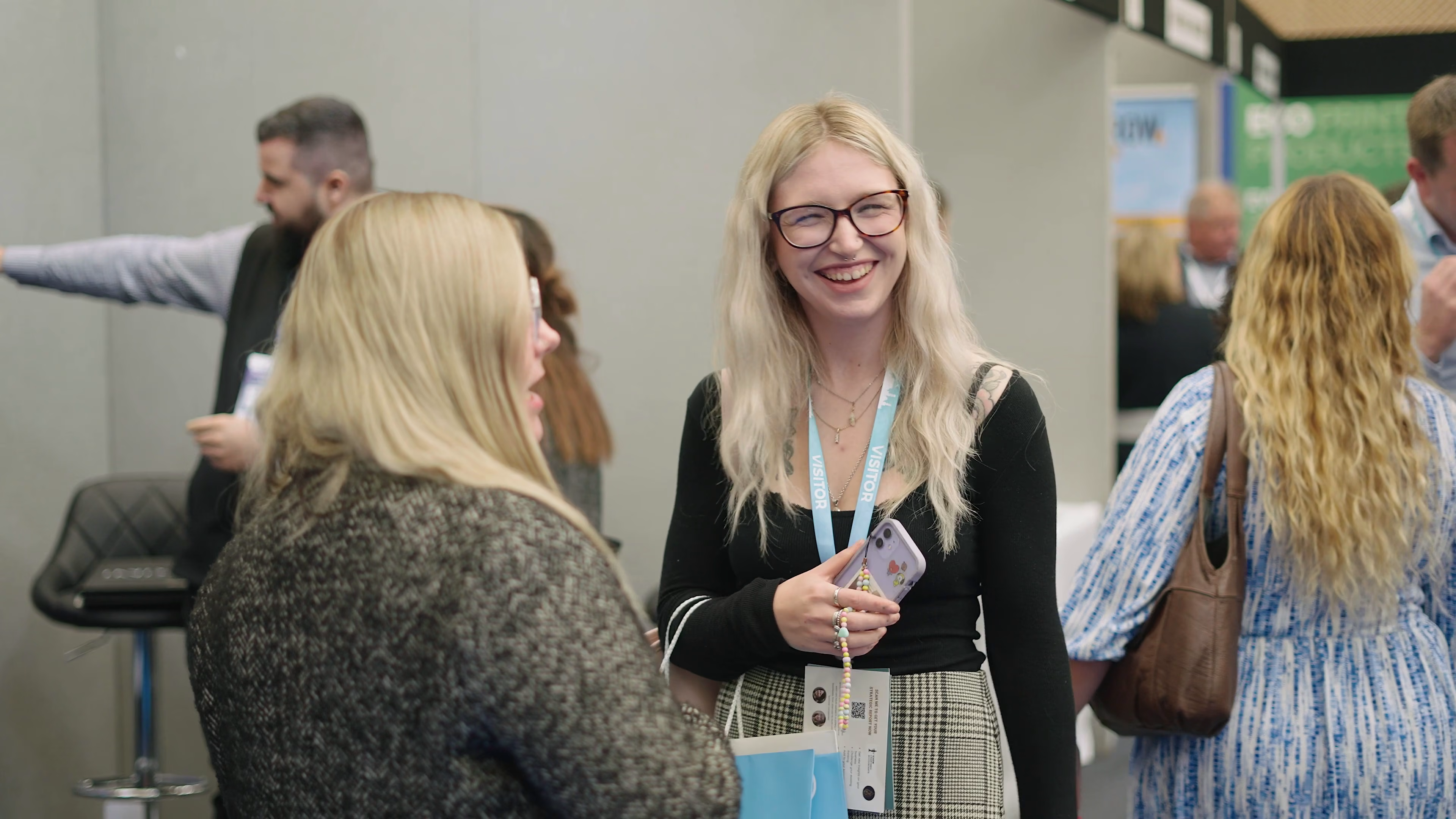
Tips for networking events once you’re in the room
Arrive early
This is the tip we’d underline. In the first 20 minutes the room is quieter, groups haven’t formed yet, and people are actively looking for someone to talk to. Arrive late and you’ll face a wall of closed circles. Organisers and hosts are also more available early on, and they’re the best people to introduce you to others.
Look for open groups
From behind the camera, body language is very easy to read. Two people facing each other squarely are having a private conversation. A group standing in a loose horseshoe, with a gap, is open to someone joining. Walk up to the gap, listen for a moment, and introduce yourself when there’s a natural pause.
Ask questions, then actually listen
The people who seem most at ease in our footage are rarely the ones talking the most. They ask good questions and look genuinely interested in the answers. Useful openers include:
- “What brought you here today?”
- “Have you been to one of these before?”
- “What are you working on at the moment?”
- “What did you think of the talk?”
Keep a free hand
Hold your drink in your left hand so your right is free (and dry) for handshakes. Avoid juggling a plate, a glass and a phone at once. It also makes you look far more relaxed in photos.
Know how to leave a conversation
Spending the whole evening with one person you like is comfortable but not much use. A polite exit is easy: “It’s been great talking to you. I’m going to grab another coffee and say hello to a few people. Shall we connect on LinkedIn?” Then do it.
Introduce other people
One of the quickest ways to be remembered is to connect two people who should meet. It costs you nothing and people remember who did them a favour.
How to look good in event photos (from the people taking them)
Most organisers hire a photographer or videographer so they can share images afterwards on LinkedIn, their website and in next year’s promotion. Those photos are free publicity if you’re in them looking engaged. A few tips from our side of the lens:
- Wear your name badge high, on the right-hand side, so it’s visible when you shake hands and readable in photos.
- Avoid busy patterns and logos you don’t want seen. Plain, mid-tone colours photograph well under most venue lighting.
- Don’t freeze when you notice the camera. Carry on talking. Natural conversation shots look far better than people stopping to grin.
- Turn slightly towards the person you’re talking to, rather than standing side by side staring at the room.
- Put the phone away. Shots of people looking down at screens rarely get used.
- Say yes to a quick group photo if the photographer asks. Those are the images that get tagged and shared.
- If you’d rather not be photographed, tell the photographer. A good one will respect that and avoid you.
After the event: following up properly
Most of the value of a networking event comes after it. A simple follow-up routine:
- Within 48 hours, connect on LinkedIn with a short personal note mentioning where you met and what you talked about.
- Send anything you promised. If you said you’d share an article or an introduction, do it first.
- Suggest a next step only where it makes sense. A coffee or a short call works better than a sales pitch.
- Look out for the organiser’s photos. If you’re tagged, comment and thank them. If there’s a good shot of you with someone you met, it’s a natural reason to get back in touch.
- Keep simple notes in your phone or CRM so you remember who people are next time.
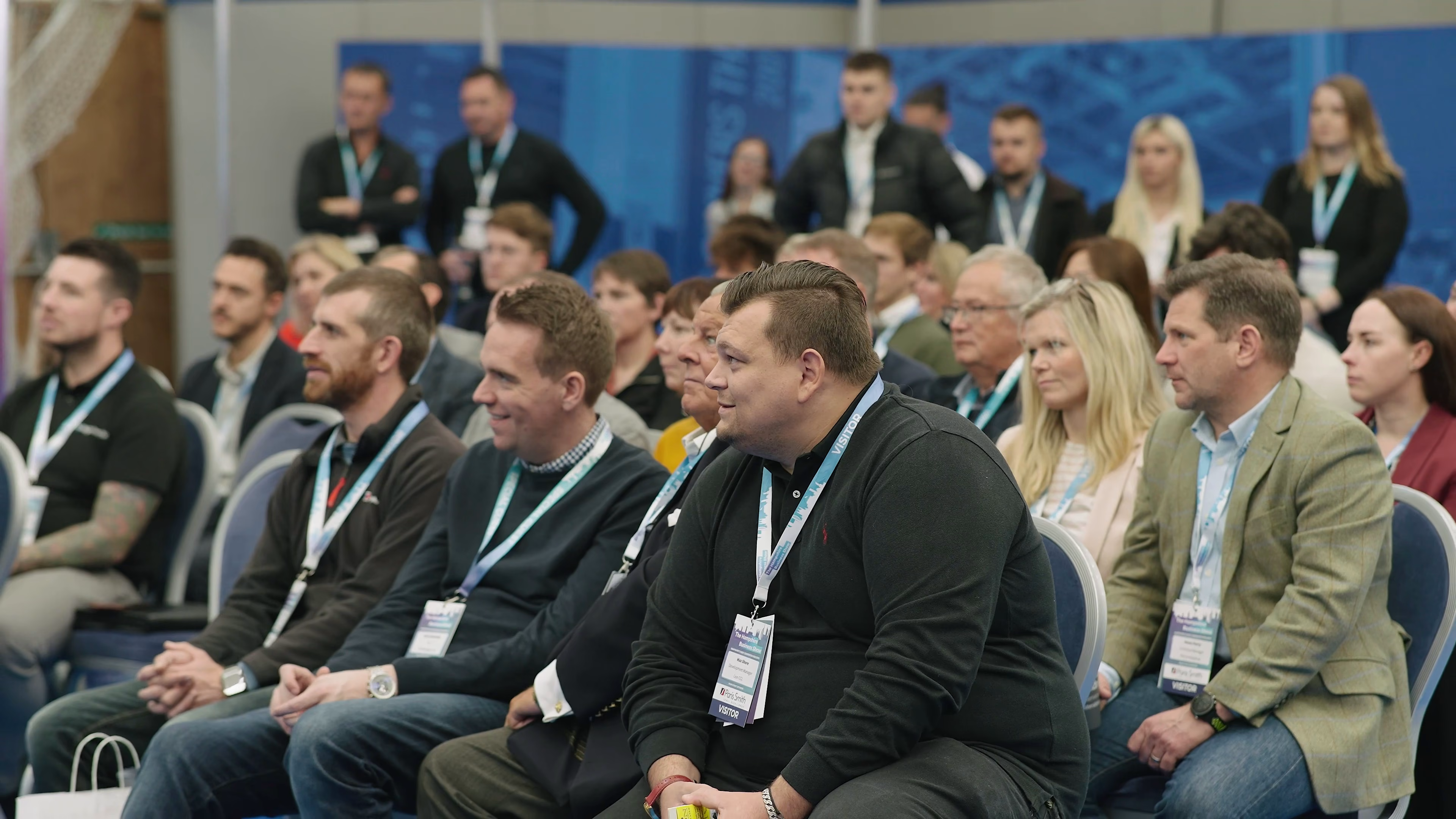
Common networking mistakes we see
| Mistake | Better approach |
|---|---|
| Standing with colleagues all night | Split up and compare notes afterwards |
| Pitching straight away | Ask questions first; let people ask what you do |
| Collecting as many cards as possible | Aim for a few proper conversations |
| Checking your phone in quiet moments | Use quiet moments to join an open group |
| Leaving straight after the talks | Stay for at least part of the informal session |
| Never following up | Send a short, personal message within two days |
Tips for networking events if you’re the organiser
If you’re running the event rather than attending it, a few things make networking much easier for your guests:
- Put names on badges in a large font, with company names underneath.
- Have hosts who introduce people, especially first-timers standing alone.
- Use high tables rather than rows of chairs for the informal part.
- Keep background music low enough that people don’t have to shout.
- Tell guests in advance that there will be photography or filming, and give people an easy way to opt out.
- Plan how you’ll use the content. Photos and short clips shared within a day or two keep the event in people’s minds and help sell the next one.
Capturing your networking event on camera
If you’re organising a networking event, conference or business breakfast, good images do a lot of work after the day: social posts, a gallery for attendees, website content and proof for future sponsors that your events are busy and worth attending. Our event photography focuses on natural, engaged conversations rather than stiff line-ups, and our event videography can turn the day into a short highlight film plus quick clips for LinkedIn.
Some organisers also add a headshot station, which gives guests a genuine reason to come along. If you want to get more mileage out of the footage, our guide on turning one event into weeks of video content is a good next read. You can check our pricing or get in touch to talk about your event.
Frequently asked questions
How do I start a conversation at a networking event?
Keep it simple. Walk up to someone standing alone or an open group, introduce yourself and ask what brought them to the event. Questions about the event itself are the easiest openers.
How long should I stay at a networking event?
Long enough to have a few proper conversations. Arriving early and staying through the first part of the informal session usually gives you the best chance.
Should I still bring business cards?
It’s worth carrying a few, as some people still prefer them, but have a digital option ready too, such as your LinkedIn QR code.
What should I wear to a networking event?
Follow the dress code if there is one, and otherwise dress one step smarter than everyday work clothes. Plain colours look best in event photos.
How soon should I follow up after networking?
Within a day or two, while the conversation is still fresh. A short, personal LinkedIn message or email is enough.