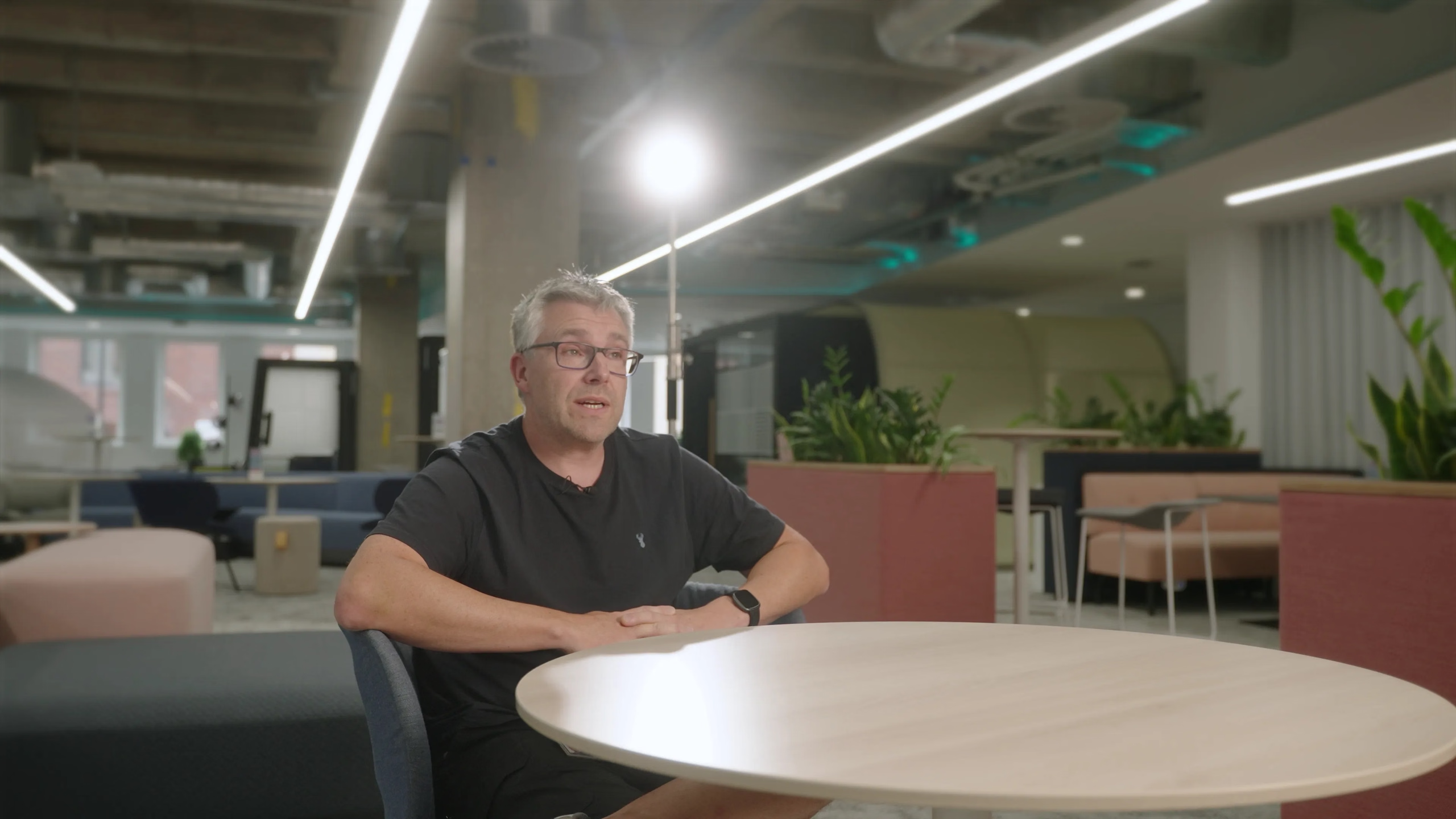
Build the schedule around movement, access and changeovers
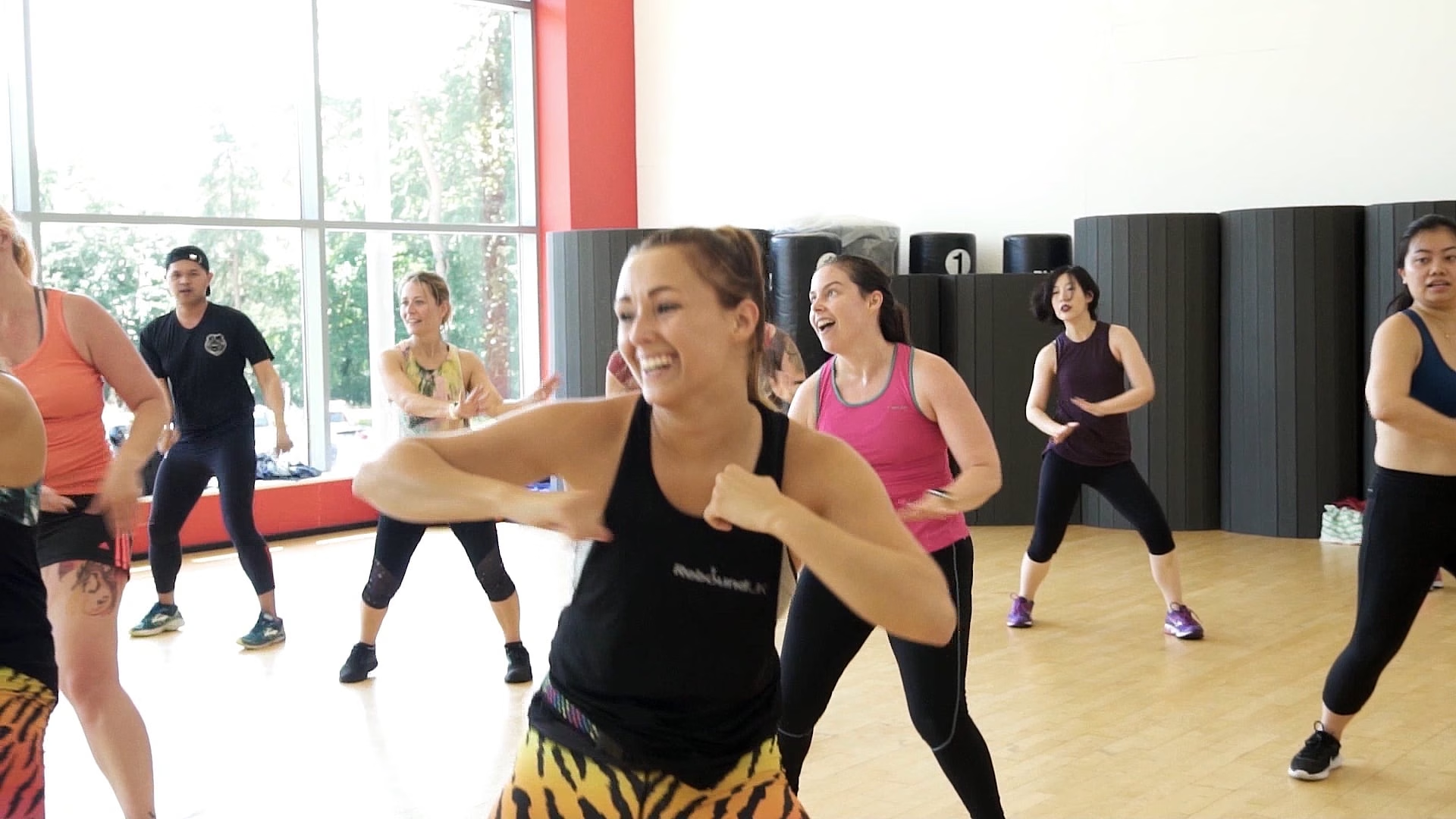
The first filming day began with Zumba and then moved across the University of Essex campus. With 20 activities to cover, small delays could accumulate quickly. The useful unit of planning was not simply “time filming”; it was the complete window from arriving at one space to being ready in the next.
A practical schedule should account for walking between locations, access to changing areas or courts, a quick conversation with the activity lead and any camera adjustment needed for a darker or brighter environment. When those transitions are visible in the plan, the filming allowance becomes much more realistic.
It also helps to put the activities in a geographical order. Crossing the same campus several times wastes minutes that could have produced another angle, a cleaner opening shot or a better ending.
Use a repeatable coverage pattern
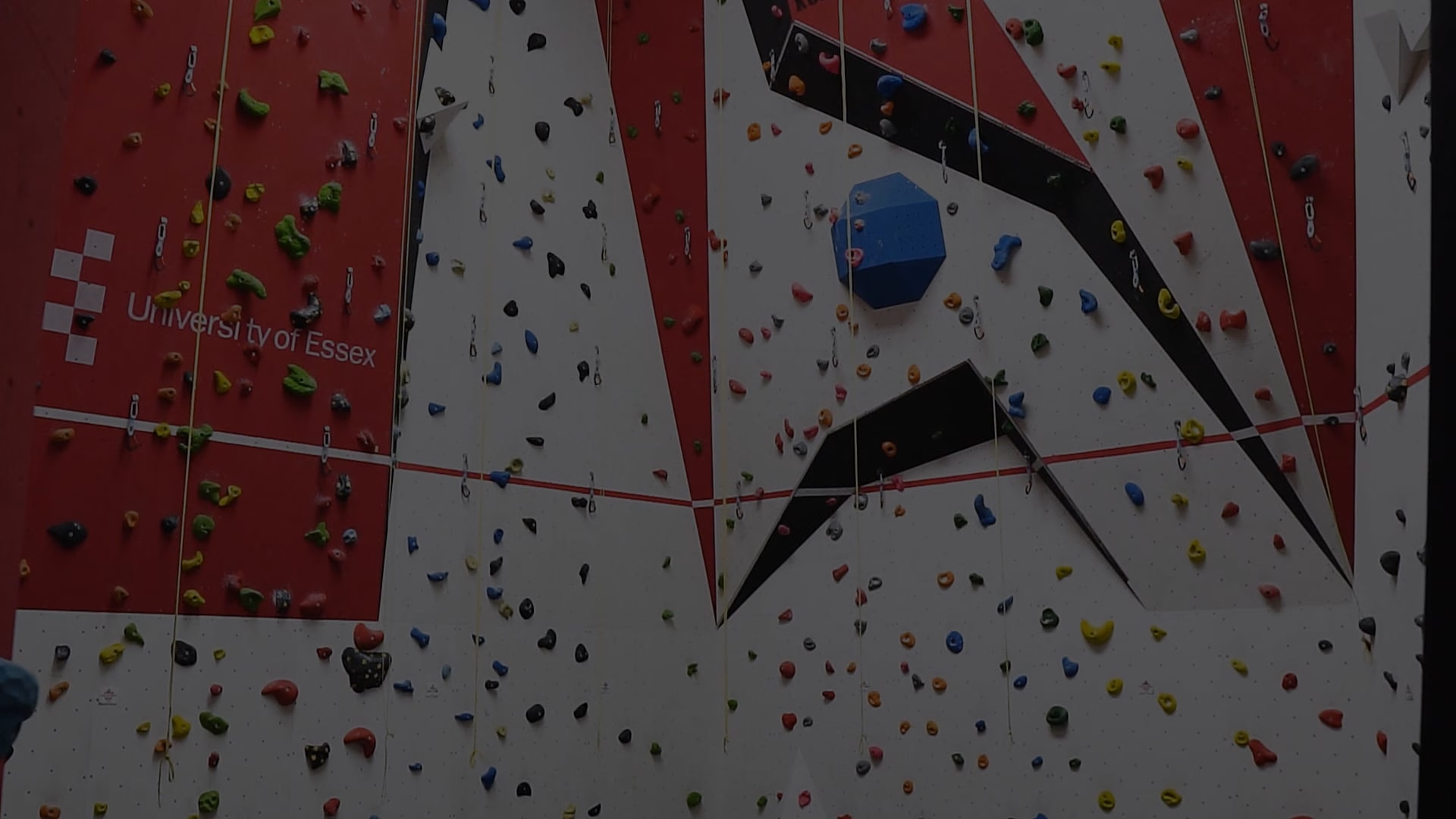
A short sports promo still needs a beginning, middle and end. For this project, each activity benefited from a simple coverage pattern: establish where it is happening, show the main action clearly, move closer to effort and expression, then capture details that make the sport recognisable.
The pattern creates speed because the videographer always knows what is still missing. It also protects the edit. A wide view alone can feel observational; close detail alone can make the location confusing. Combining scale, action and detail gives a 30–60 second film enough visual progression.
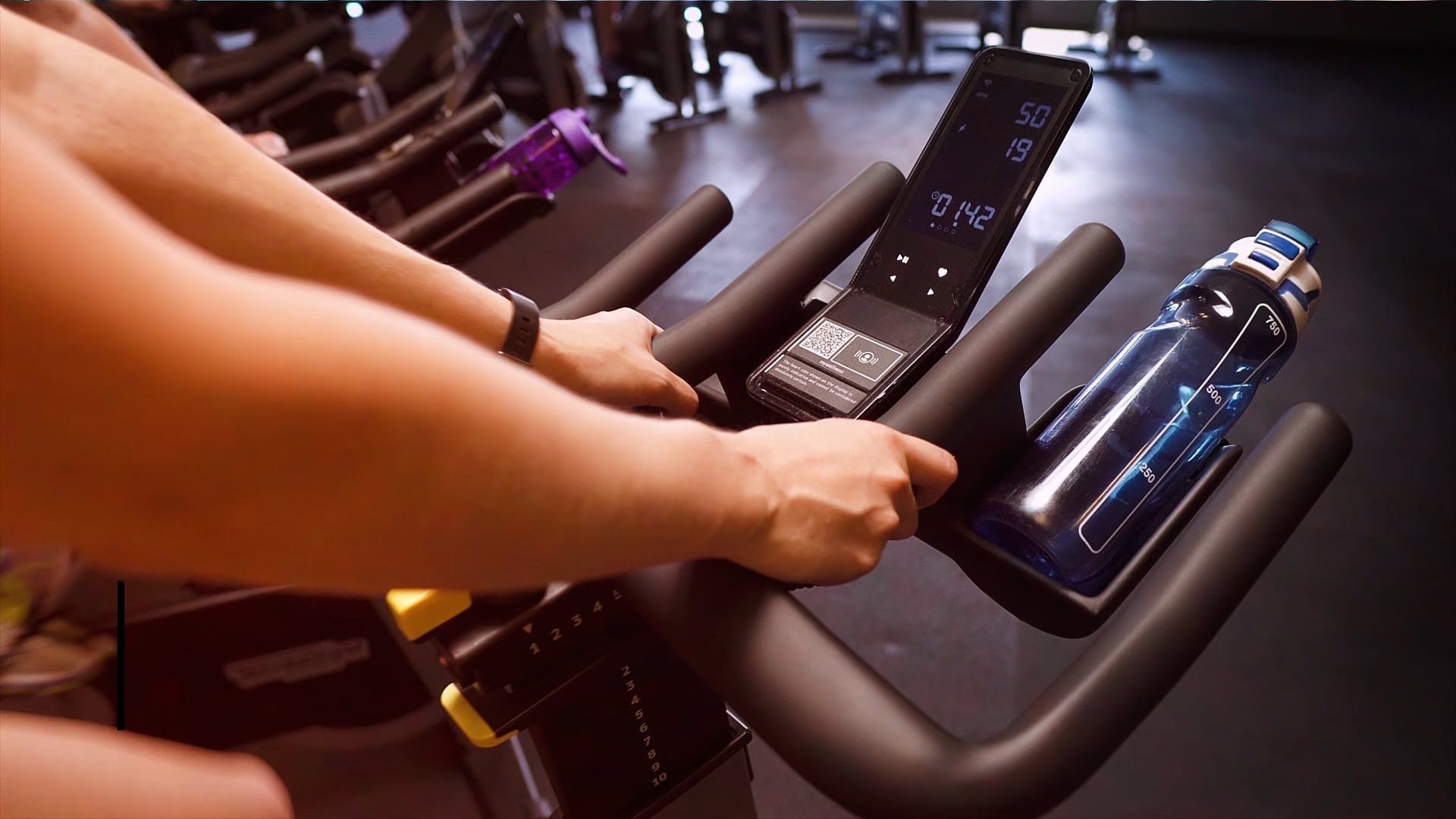
The shot list remains flexible. Indoor cycling invites different details from climbing or football, but the editorial purpose of each shot stays consistent.
Keep a single-videographer setup mobile
One videographer covered the day. A compact setup made it possible to move quickly through studios, courts, the gym and outdoor facilities without a full crew changeover at every location.
Mobility does not mean filming without a plan. The camera operator still needs to judge safe positions, protect participants’ space and anticipate where the action will move. The advantage is that decisions can be made immediately, without passing instructions through a larger team.
For organisations planning a similar project, the right crew size depends on the number of locations, whether sound is required, how much staging is involved and whether activities overlap. Our sports videography services can be scoped around the actual schedule rather than a fixed formula.
Plan for individual edits while you shoot
A content bank becomes more useful when every asset has a clear destination. Essex Sport could use a Zumba film when promoting that class, a climbing film on the relevant facility page and a basketball film around team activity. The footage did not have to wait for a broad campaign to become relevant.
That meant keeping each activity visually complete. It also meant looking for clean entrances and exits, moments with enough space for captions, and shots that could support both landscape web use and shorter social edits.
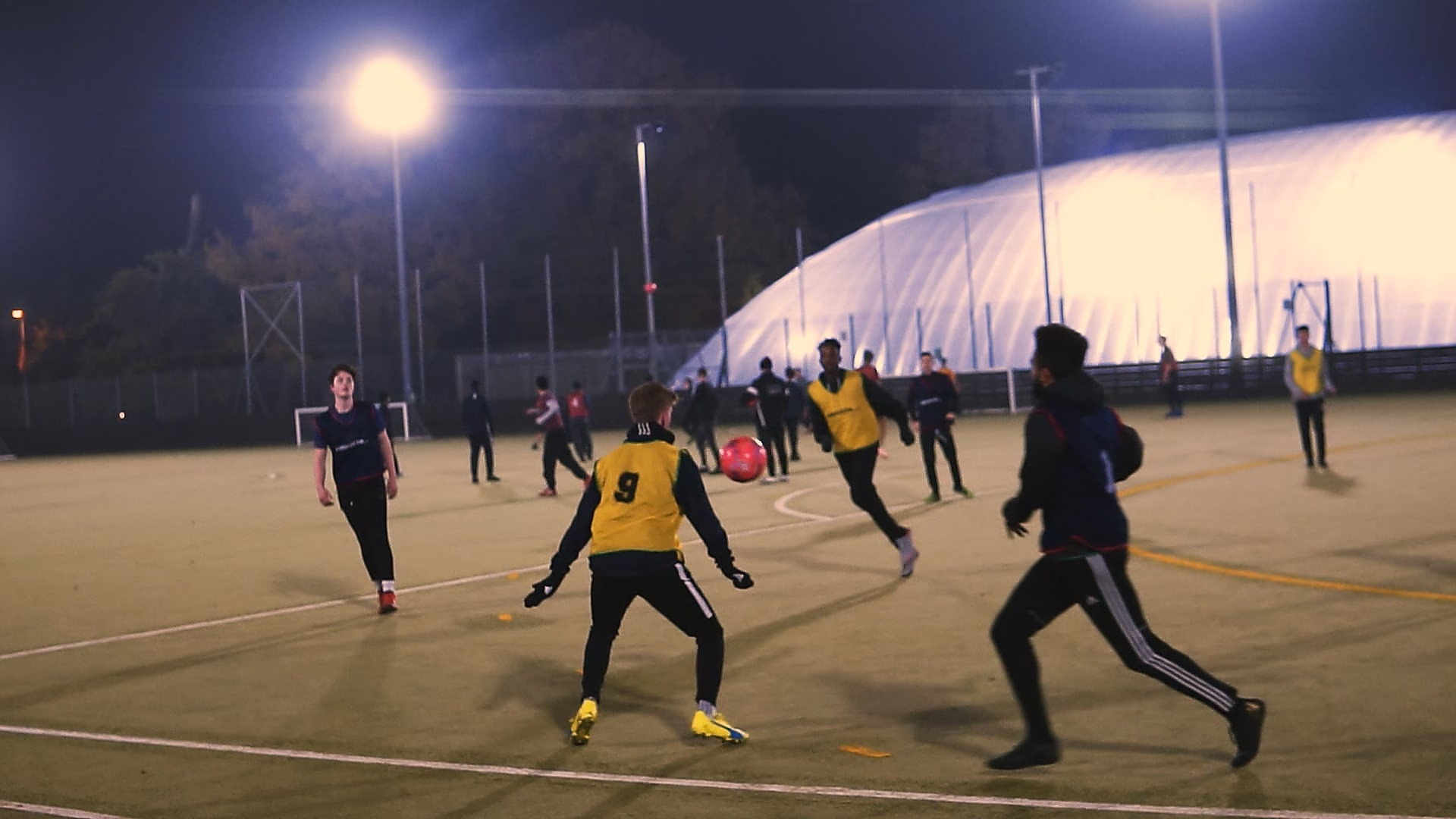
The finished delivery included one 30–60 second promo for each activity, plus an overall film that brought the range together. The same footage therefore worked at two levels: specific information and wider brand storytelling.
Treat later shoots as part of the same library
The initial project also included a separate gym induction filming day. That video was later taken down when a key participant asked to be removed. Respecting that request was more important than keeping the film online.
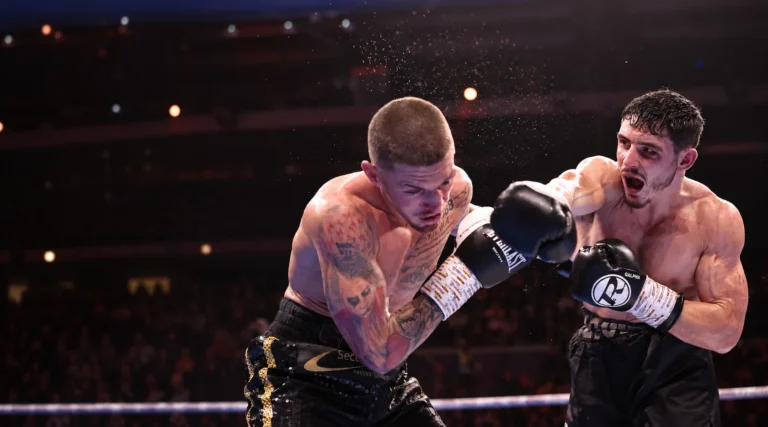
We returned on a third day to film Essex Rebels playing in the finals. Live competition needs a different camera response from a planned campus route, but the footage still expanded the same client library with timely event content.

See the finished overall film, selected activity edits and the wider production story in the Essex Sport video production case study. If your organisation has several teams, services or locations to cover, a planned filming day can create far more than one video.