Give each contributor a distinct role
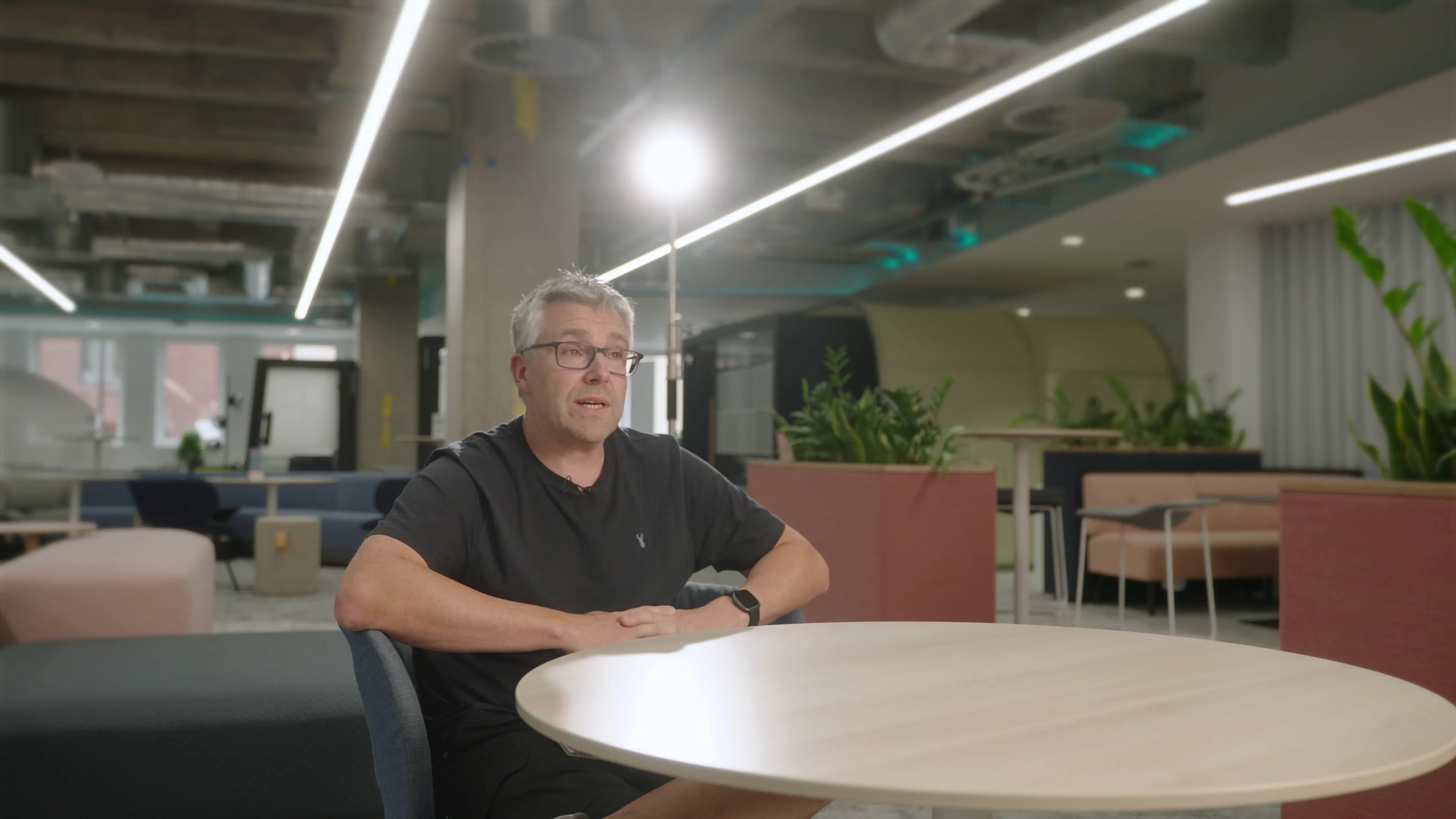
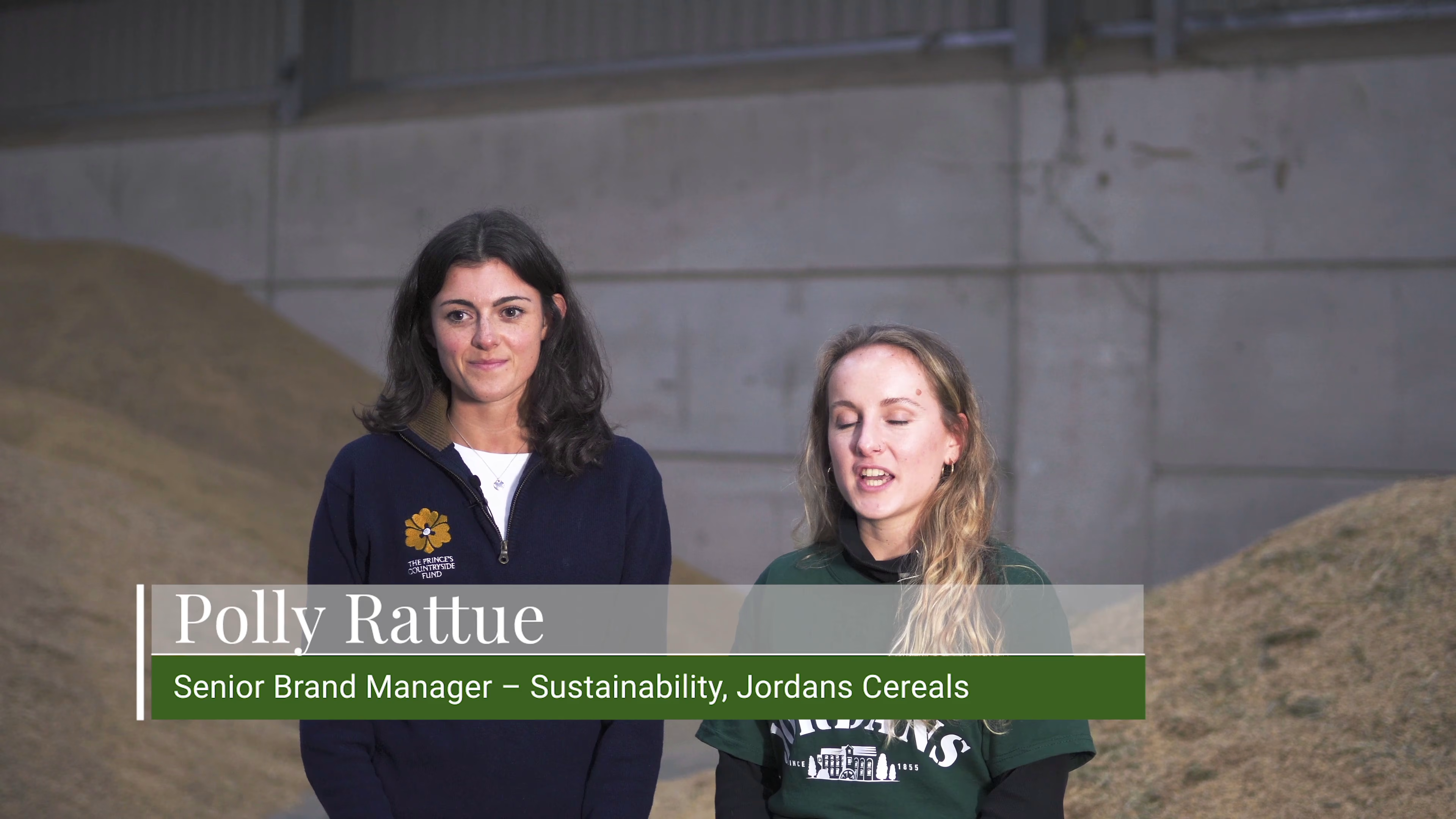
A senior representative can explain the strategic reason for a partnership. A programme manager can describe how it works. A recipient can show the lived result. When everyone answers the same broad questions, the edit becomes repetitive and the most credible material is harder to find.
Assign each interview a job before filming. Ask the charity or programme team about need and delivery, the brand partner about alignment and long-term commitment, and beneficiaries about experience, decisions and future plans.
Put beneficiaries at the centre of the proof
Partner logos establish who funded or delivered a programme, but testimony demonstrates impact. Give recipients enough time to speak in their own language rather than asking them to repeat campaign phrases.
Use open prompts about what changed, what became possible and what they will do next. Specific examples are more persuasive than general gratitude, and they give the commissioning organisations stronger evidence for future communications.
Plan one master film and several useful cut-downs
A short overview can introduce the partnership, show the setting and move between several voices. It cannot preserve every worthwhile answer. Decide in advance which interviews also need standalone edits, whether speaker excerpts will be used separately and which vertical or captioned versions are required.
This changes the way interviews are recorded. Clean openings, self-contained answers and a few concise alternatives make the footage easier to publish outside the main film.
Film the programme as evidence, not decoration
Event B-roll should support what contributors say. If an interview mentions mentoring, access to specialists or learning in the field, capture those interactions as complete sequences rather than unrelated smiling shots.
At the bursary event, presentations, informal conversations, an outdoor agricultural tour and working-site details gave the claims visible context. Wide, medium and close views let the editor move from the scale of the day to individual reactions without losing continuity.
Protect the live agenda
Speakers, arrivals and group visits may happen once. Build the interview timetable around those non-repeatable moments, and prepare the interview area before the contributor arrives. A small crew needs a clear priority list so it does not miss the programme while chasing optional shots.
Ask the organiser for the real running order, not only the public agenda. Note who can move, which sessions may overrun, where noise will increase and when key people must leave.
Make both brands visible without making the film feel branded
Use signage, clothing, presentation materials and natural references to establish the organisations. Avoid repeating logos so frequently that the story feels like an advert detached from the people in it.
Brand review should focus on factual accuracy, correct names and balance. It should not iron out every individual phrase. The human voice is one of the main reasons a partnership case study can earn trust.
Record clean, reusable answers
Keep interview backgrounds relevant but quiet enough for clear speech. Use close microphones, monitor throughout and record room tone. Ask contributors to include the subject in their answer where necessary, because a standalone testimonial cannot rely on the question being heard.
Allow brief pauses between ideas. Those gaps help the editor shorten an answer without making it sound rushed and create cleaner extracts for social or internal use.
A practical corporate partnership filming checklist
- Define the shared outcome. Agree what the collaboration should make possible.
- Map each voice. Give partners, programme staff and recipients different narrative roles.
- List every deliverable. Plan the overview, testimonials, speaker clips and social edits together.
- Protect the agenda. Identify moments that cannot be repeated and build around them.
- Capture visual proof. Film the activities and relationships described in the interviews.
- Review facts and balance. Confirm names, titles, programme details and partner visibility.
- Preserve natural language. Let recipients sound like people, not campaign copy.
See the completed approach in our Prince’s Countryside Fund Sustainable Agriculture Bursary case study. For a partnership, programme or beneficiary story of your own, explore our corporate video-production services, browse our video portfolio or send us your brief.