 WATCH THE POWER-ZERO DENBY POTTERY FILM ON VIMEO ↗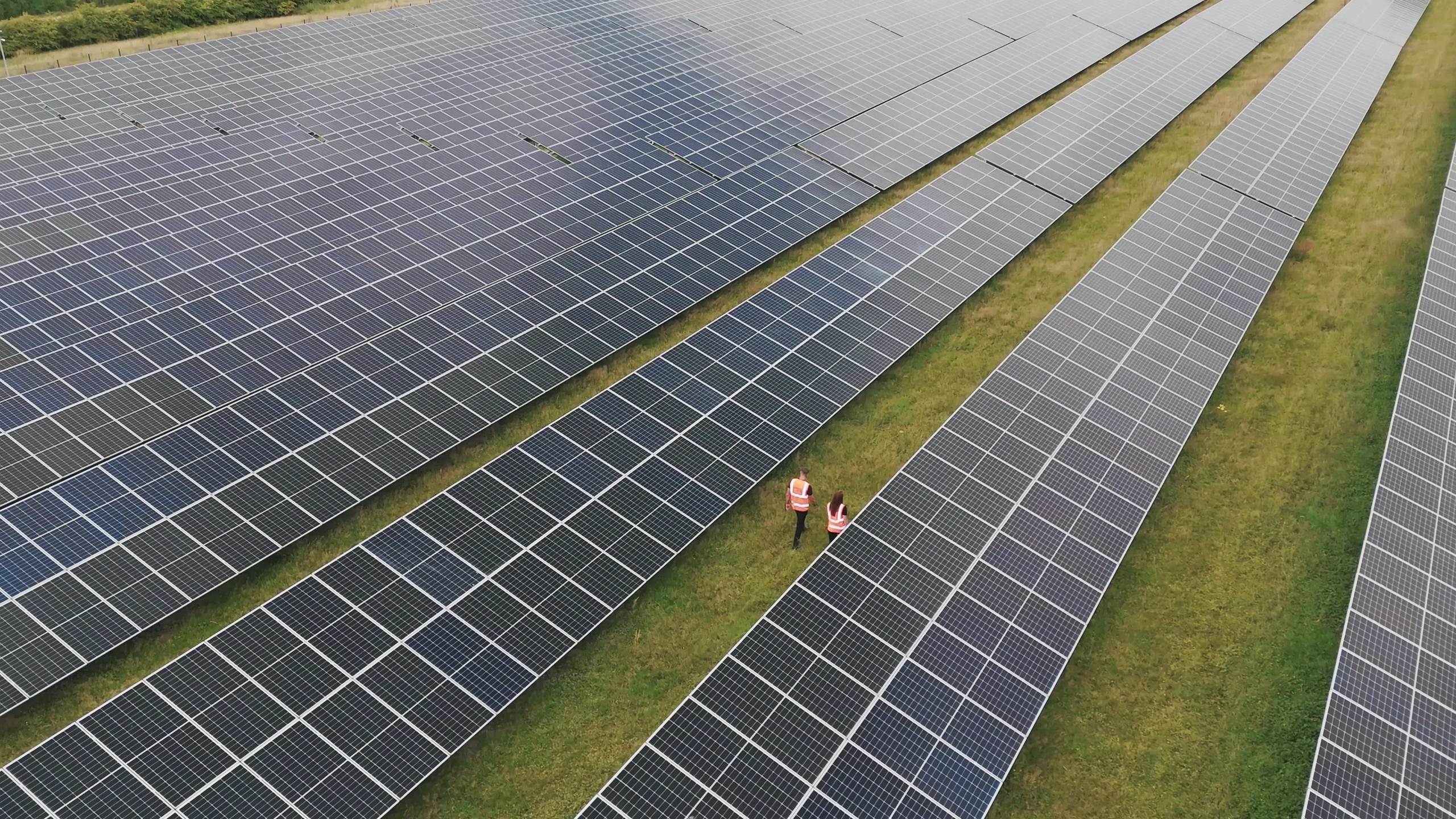
Build one schedule for video and photography
A combined crew should work from one production plan. Mark the interview windows, restricted factory areas, best outdoor light, operational demonstrations and any periods when machinery or staff will not be available.
Give the photographer independent tasks during video setup and sound checks, then bring both disciplines together for moments that cannot be repeated. This avoids asking contributors to perform the same walkthrough several times while still producing genuinely different still and motion coverage.
Give the customer and supplier different jobs in the story
The commissioning company can explain the brief, design and delivery. The customer can describe the original need, operational reality and why the solution matters. Those perspectives should complement one another rather than repeat the same marketing language.
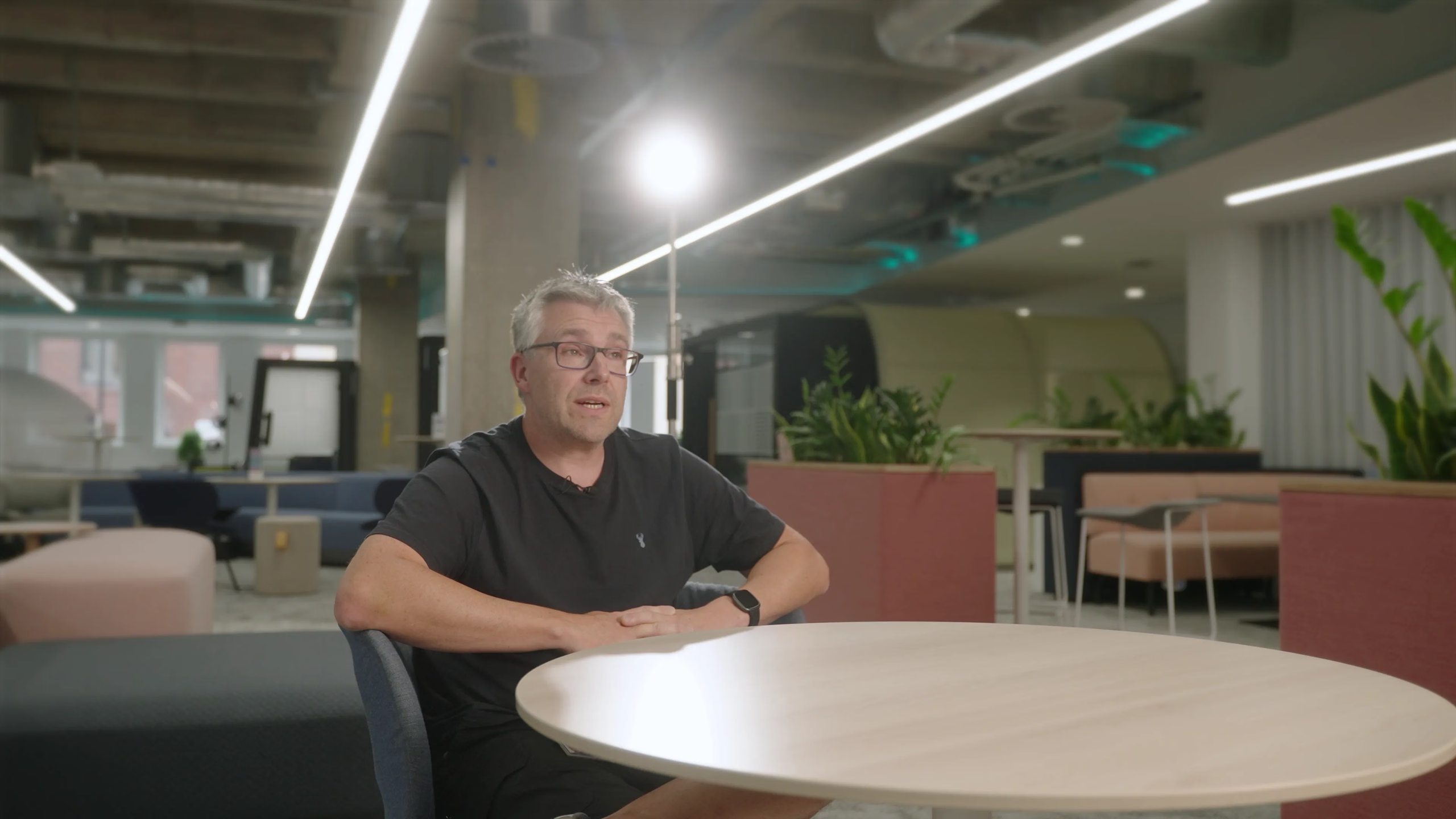
For the Power-Zero film, Sophie Lamb represented the delivery team while Denby Pottery Operations Director Dean Barlow grounded the story in the manufacturer’s experience. That structure made the film a customer case study instead of a long corporate introduction.
Scout for sound as carefully as for pictures
Industrial locations are full of ventilation, motors, vehicles, alarms and hard reflective surfaces. A visually impressive position may be unusable for speech. Identify quieter interview options, understand when machinery can pause and keep a backup position available.
Use close microphones and monitor continuously. Record room tone and machinery separately so the edit can retain the character of the environment without allowing it to overwhelm the speakers.
Turn factory activity into sequences
Random cutaways make editing harder. Film processes as connected actions: materials arriving, machinery operating, hands finishing a piece, quality checks, products displayed and the wider site around them. Wide, medium and close views give the editor control over pace and explanation.
Denby’s production environment offered both automated machinery and skilled hand-finishing. Capturing both helped communicate scale while keeping people central to the story.
Use aerial coverage to explain relationships
Drone images are most valuable when they answer a spatial question. At Denby, aerial views showed the ground-mounted solar array in relation to the factory and surrounding land. That made the size and position of the installation immediately understandable.
Confirm permissions, weather limits and safe operating areas before the day. Aerial filming should support the narrative, not become a separate spectacle that delays the core interviews.
Make a shot list for the future uses of the stills
Photography should cover more than frames that resemble the finished film. Plan horizontal website banners, portrait crops, team images, editorial details, clean infrastructure views and photographs with space for text. Ask where the client expects to publish them and build those formats into the brief.
A coordinated library can support the case-study page, press activity, social posts, presentations and internal communications long after the main film has launched.
Protect time for the interview
Busy locations tempt production teams to keep collecting B-roll until the contributor window becomes rushed. Set a firm point when cameras, lights and sound must be ready. Allow time for a conversational warm-up and for answers to be repeated more concisely when required.
Technical accuracy matters, but the speaker still needs to sound like a person rather than a brochure. Questions should draw out decisions, challenges and practical results in language the intended audience can follow.
A practical one-day case-study checklist
- Define the proof. List what the film must demonstrate, not only what it should say.
- Assign the voices. Give the supplier and customer distinct perspectives.
- Confirm access. Check inductions, escorts, operational restrictions and release permissions.
- Design one timetable. Coordinate video, photography, interviews and aerial work.
- Plan visual sequences. Capture complete processes at several shot sizes.
- Protect sound. Scout noise, choose backups and monitor every answer.
- Plan the asset library. Include crops and formats for future marketing uses.
See how these decisions came together in our Power-Zero Denby Pottery video and photography case study. For a similar production, explore our corporate video-production services or send us your project brief.