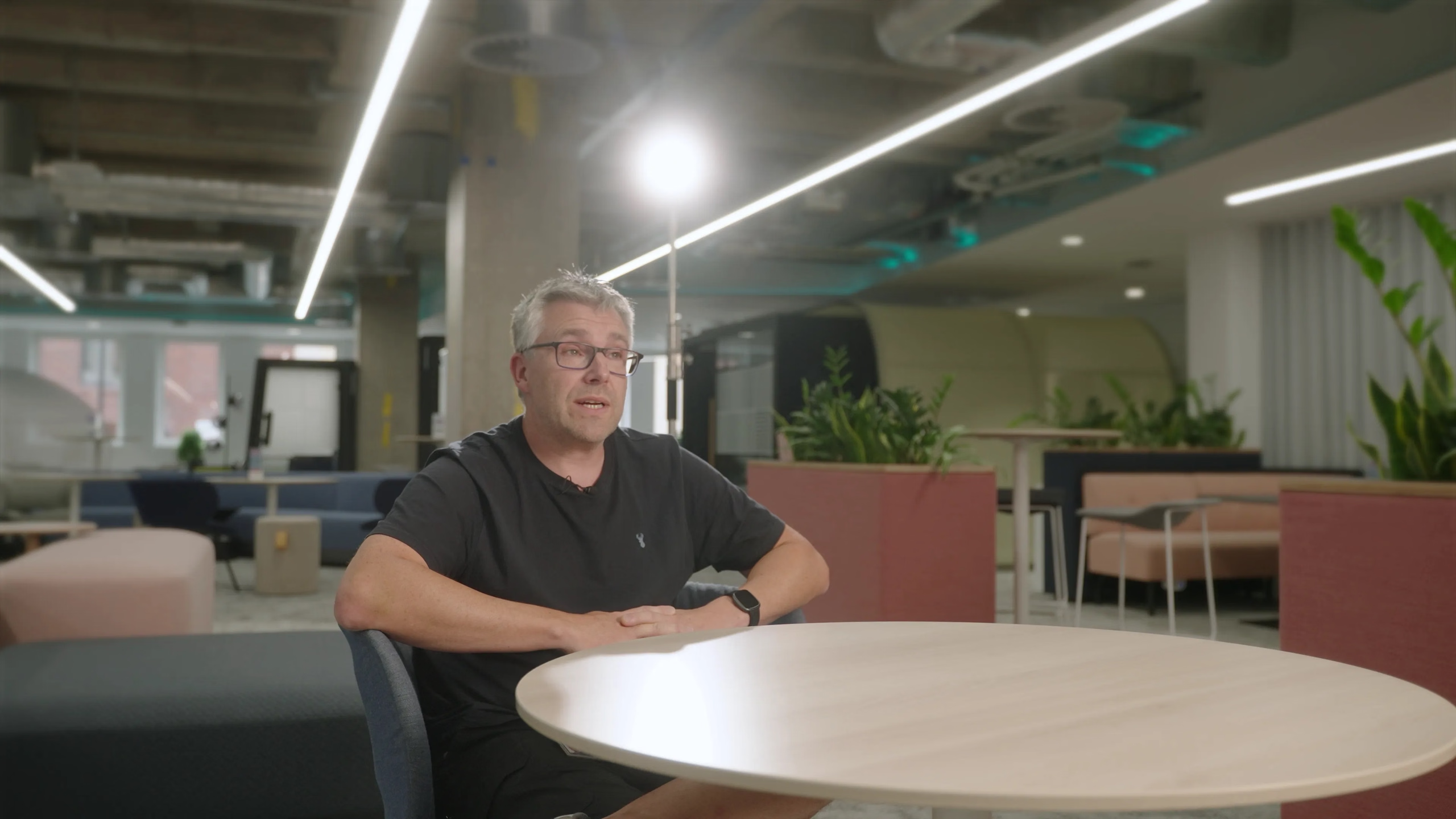
Ask for examples that have a visible context
Prepare prompts that invite an explanation in the contributor’s own words. What did the business need? How does the service fit into the working day? Which example would make that easiest for someone outside the company to understand?
A useful follow-up is often a request for detail: who is involved, where does it happen and what does the task look like? These questions help reveal potential supporting scenes as well as stronger interview answers.
Avoid writing the customer’s praise for them. Allow time for the person to think, finish a thought and explain unfamiliar terms. Specificity gives an editor more to work with than a series of broad endorsements.
Turn each topic into practical B-roll coverage
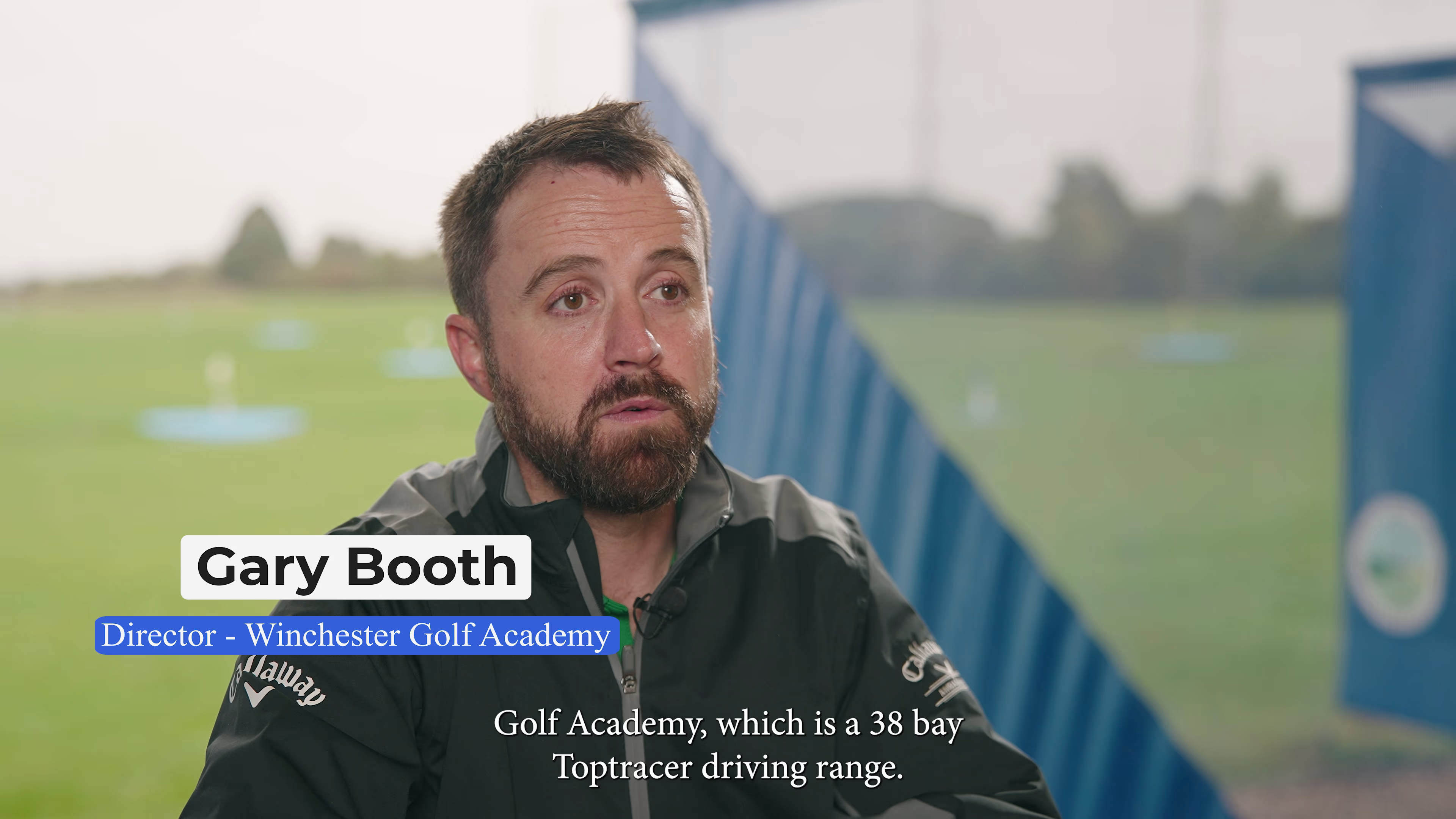
B-roll is the footage shown alongside the main interview. Plan it against the subjects being discussed. If a conversation concerns communication within a workplace, a relevant activity might be a member of staff using a phone or working at a customer-facing desk.
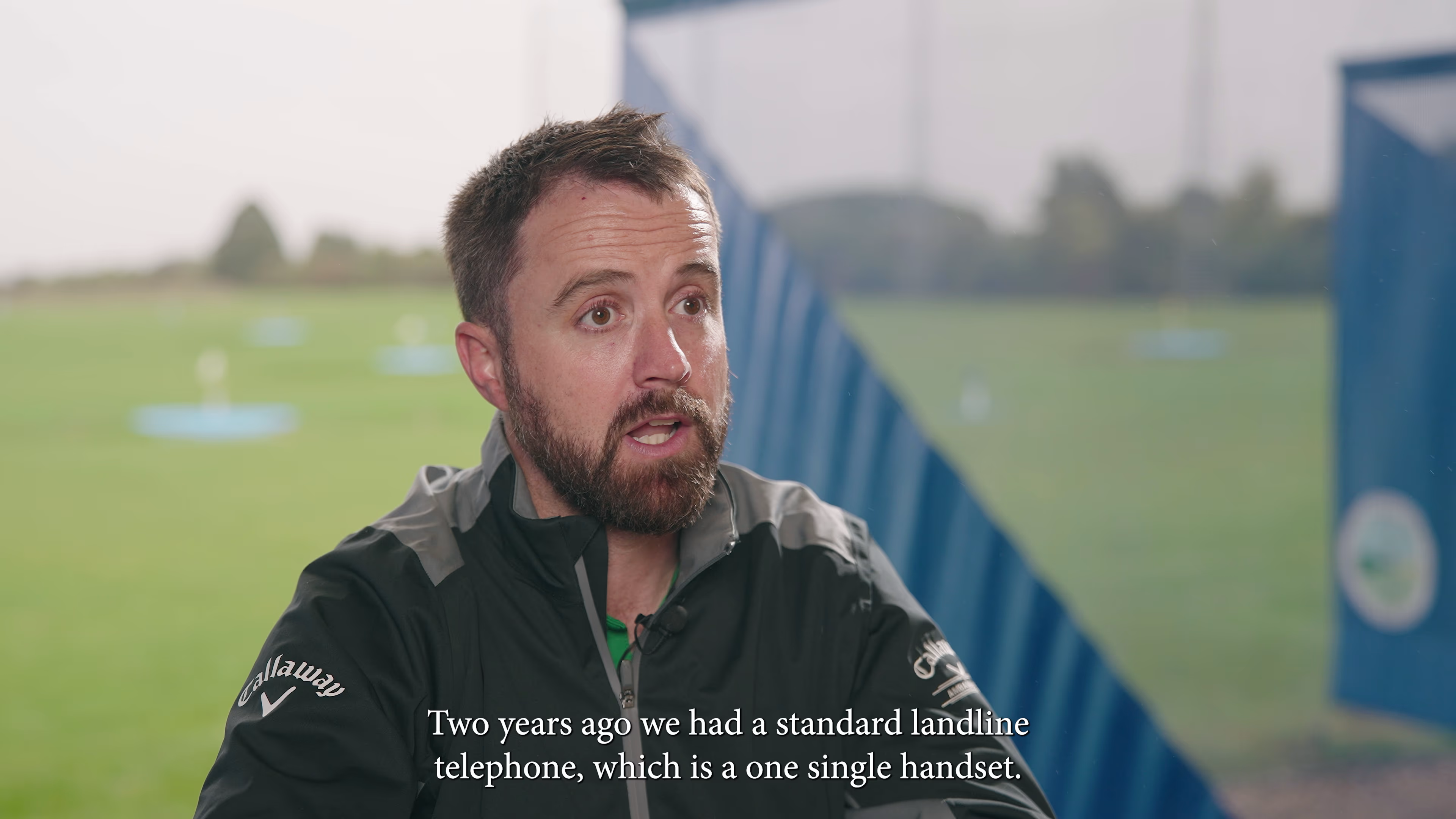
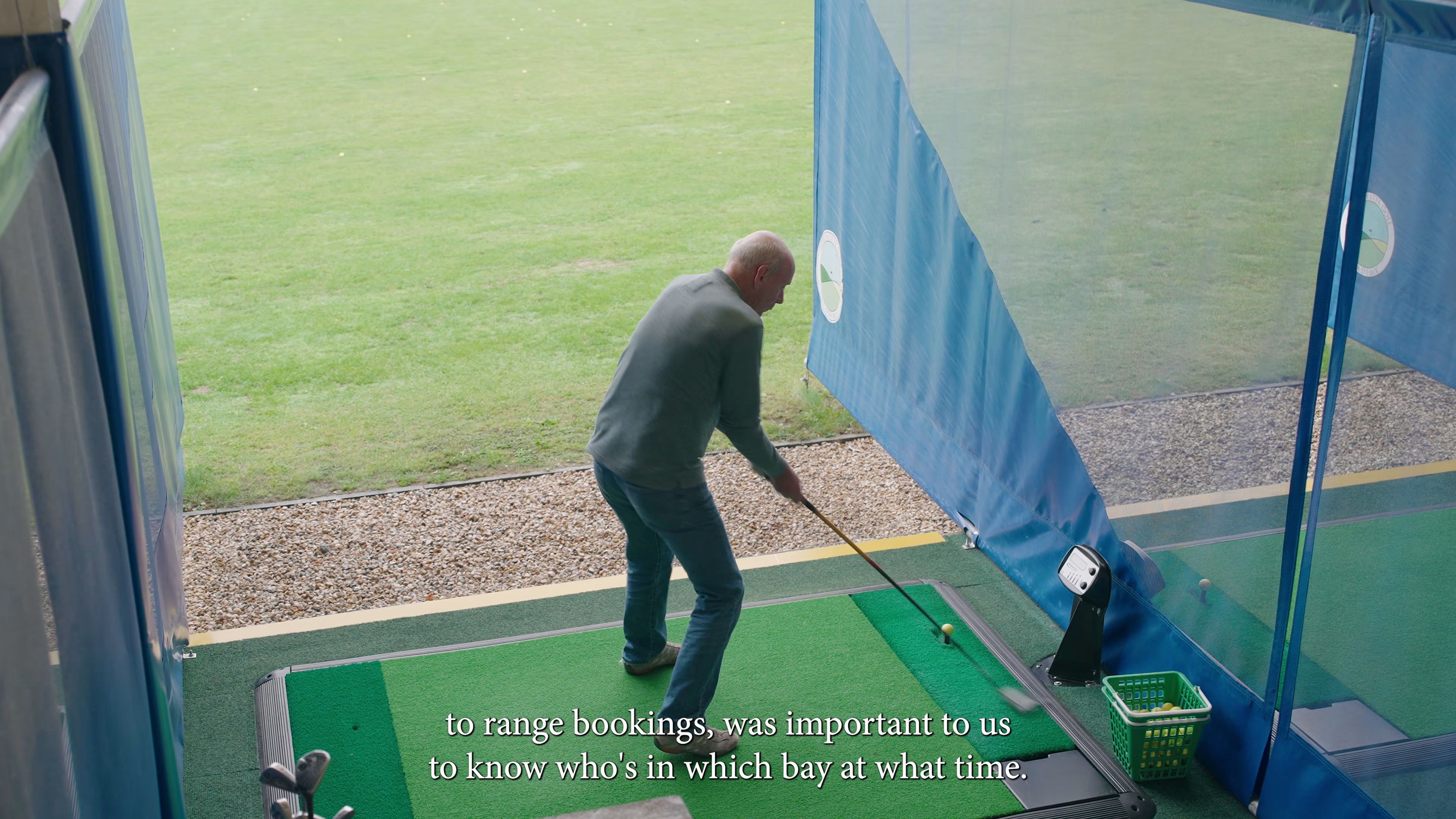
The Chrome Telecoms frames include phone use, activity around the academy and details of the location. They show the range of material available when the filming looks beyond the interview chair.
For each important topic, aim to identify a setting, an action and a detail. These are planning prompts rather than a fixed shooting formula. Some subjects need a patient wide view; others become clearer through a close look at an object or interaction.
Give the workplace enough screen time
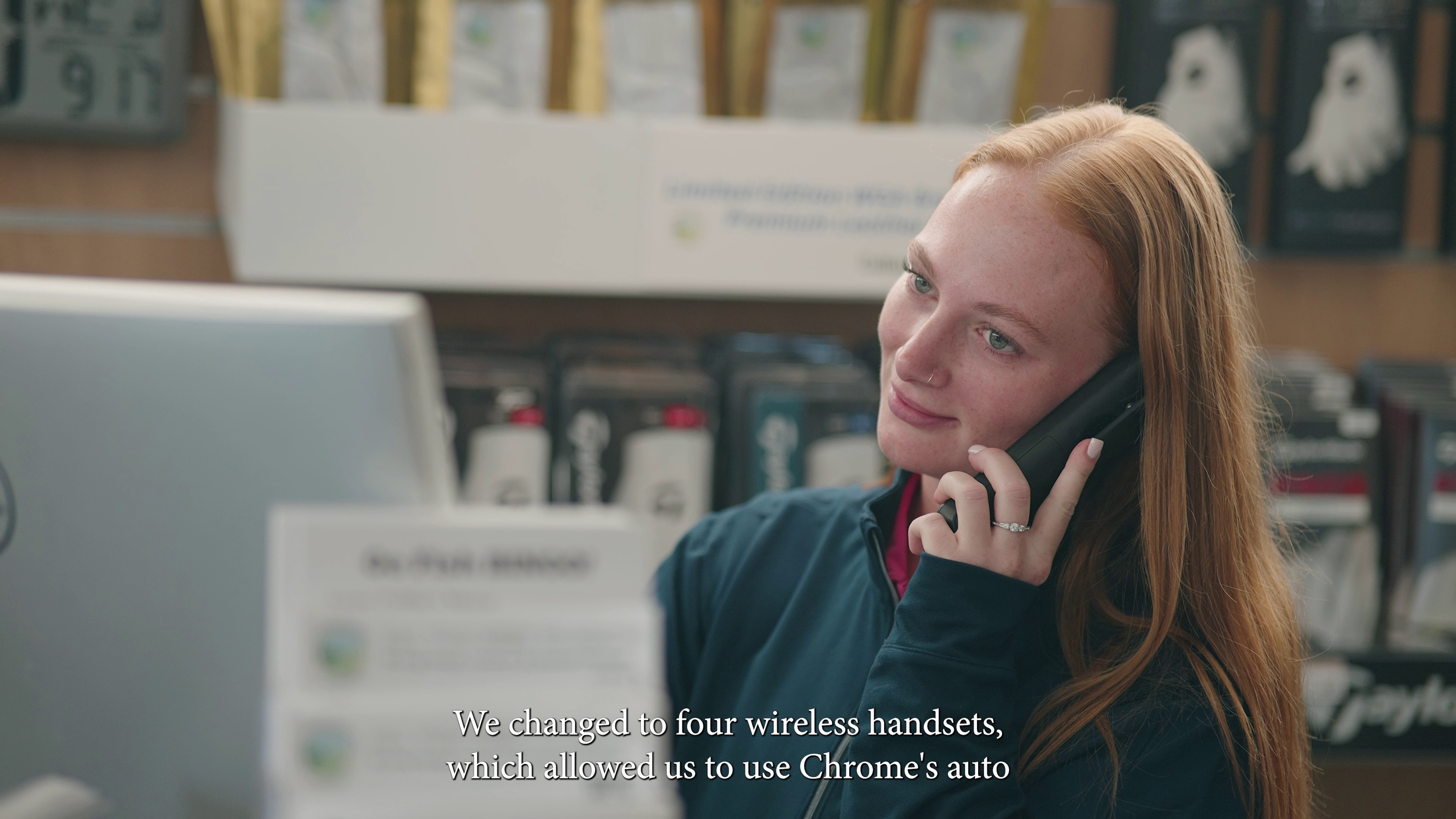
A viewer who has never visited needs a quick sense of where they are. An entrance, a room or a wide location view can establish the business before the edit moves into smaller details.
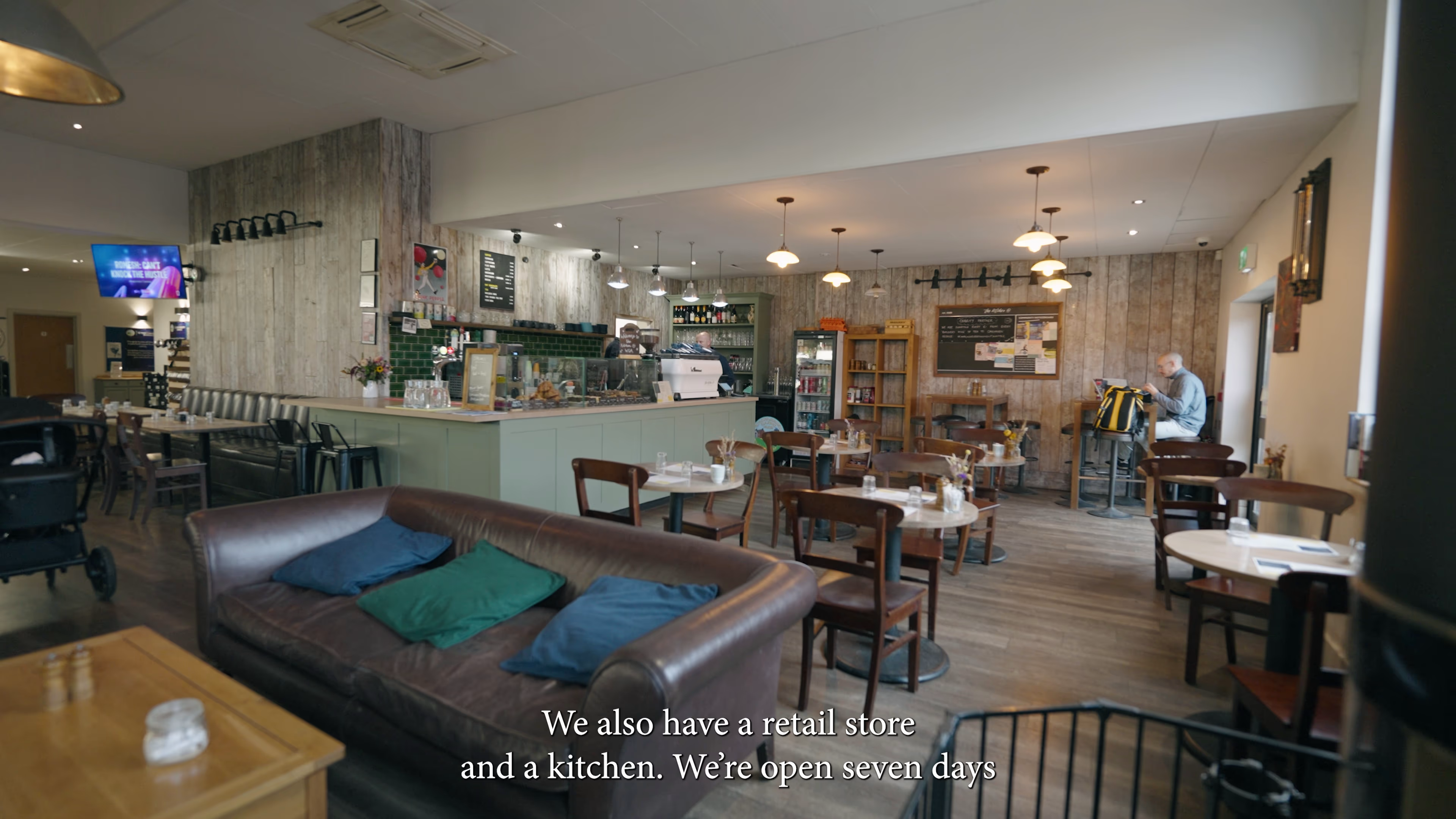
At Winchester Golf Academy, the café, shop and driving range offer distinct settings within the same customer story. Moving between them helps communicate the character of the location without depending on a spoken description of every space.
Before your shoot, list the areas that matter to the account and confirm when they can be filmed. Choose activity that belongs there naturally. A familiar task usually gives the camera a more useful subject than asking someone to stand in a room and look busy.
Protect time for interview sound and lighting
The central conversation carries the explanation, so its setup deserves dedicated time. Discuss the available rooms, background activity, machinery and other sources of noise with your videographer before the filming day.
Check whether the chosen background provides helpful context and whether the contributor can remain comfortable there. Professional lighting should make the person clear within the space; sound needs to remain intelligible throughout the answer.
Our corporate video production brings interview filming, lighting, audio and supporting coverage into the same production plan. Share access restrictions and contributor availability early so the schedule reflects the conditions at your business.
Brief the edit around meaning and intended use
When reviewing the film, ask whether each supporting shot helps a viewer understand the sentence beside it. A compelling image can still be misplaced if it suggests an activity or result that the customer is not discussing.
Decide where the film will appear before the shoot. A website case study and a social feed may call for different framing, captions or durations. Discuss those requirements in the brief rather than assuming every possible version is included in the main edit.
Where a customer mentions results, retain the context and check any factual claims before publication. The purpose of the edit is to communicate the account clearly while preserving what the contributor means.
Planning a customer film in Winchester or Hampshire?
Bring the customer’s name, proposed location, audience and key subject to the first discussion. Add practical information about who can take part and which day-to-day activities can be filmed. That gives your production team a useful starting point for both the questions and the coverage.
View our Chrome Telecoms corporate video case study in Winchester for the complete film and selected frames. For a similar project, explore our videography services in Hampshire or tell us about your film.