Work backwards from the decisions the content must support
“Make a promotional video” is rarely the whole brief. Ask what somebody should understand or decide after watching. A public audience may need a clear introduction. A university or funding partner may need evidence of activity, reach and outcome. Internal stakeholders may need a record they can review in detail.
These purposes can share footage, but they do not require identical edits. Defining the decision behind each output prevents a single overloaded film from trying to answer every question at once.
Record interviews that can stand alone
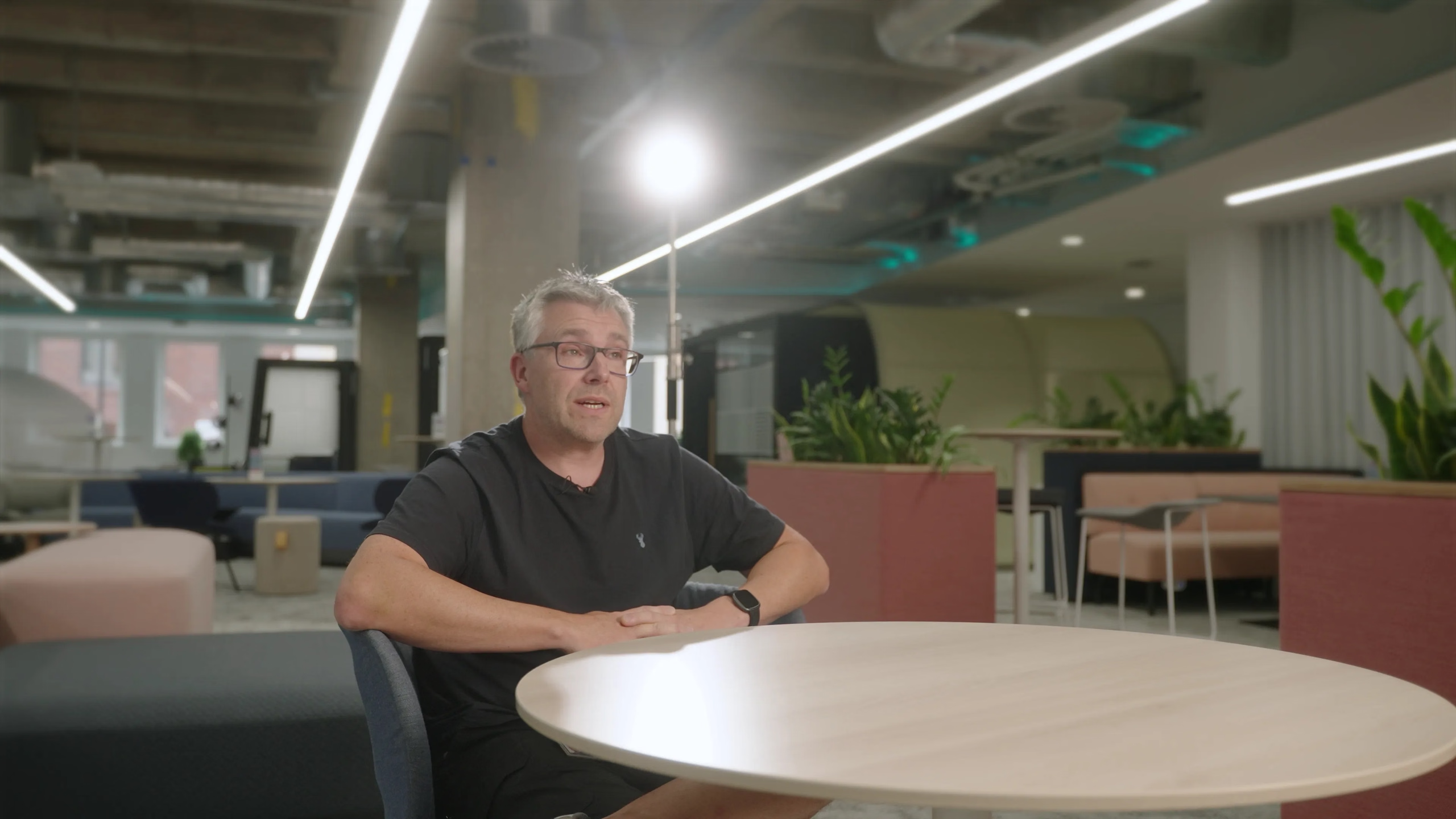
Interview answers should include enough context to work without the unseen question. Ask contributors to describe what they attended, what changed, what they learned and what they would tell somebody considering the programme.
A complete answer can become an evidence video in its own right. A shorter phrase can sit inside a highlight edit. The same contributor can then help carry the overall brand film without being asked to repeat the interview on a later date.
Give every date its own visual evidence
When a project spans several dates, generic B-roll quickly becomes repetitive. Build a small visual story for each location: arrival, facilitation, group activity, individual reflection, informal conversation and the room changing through the day.
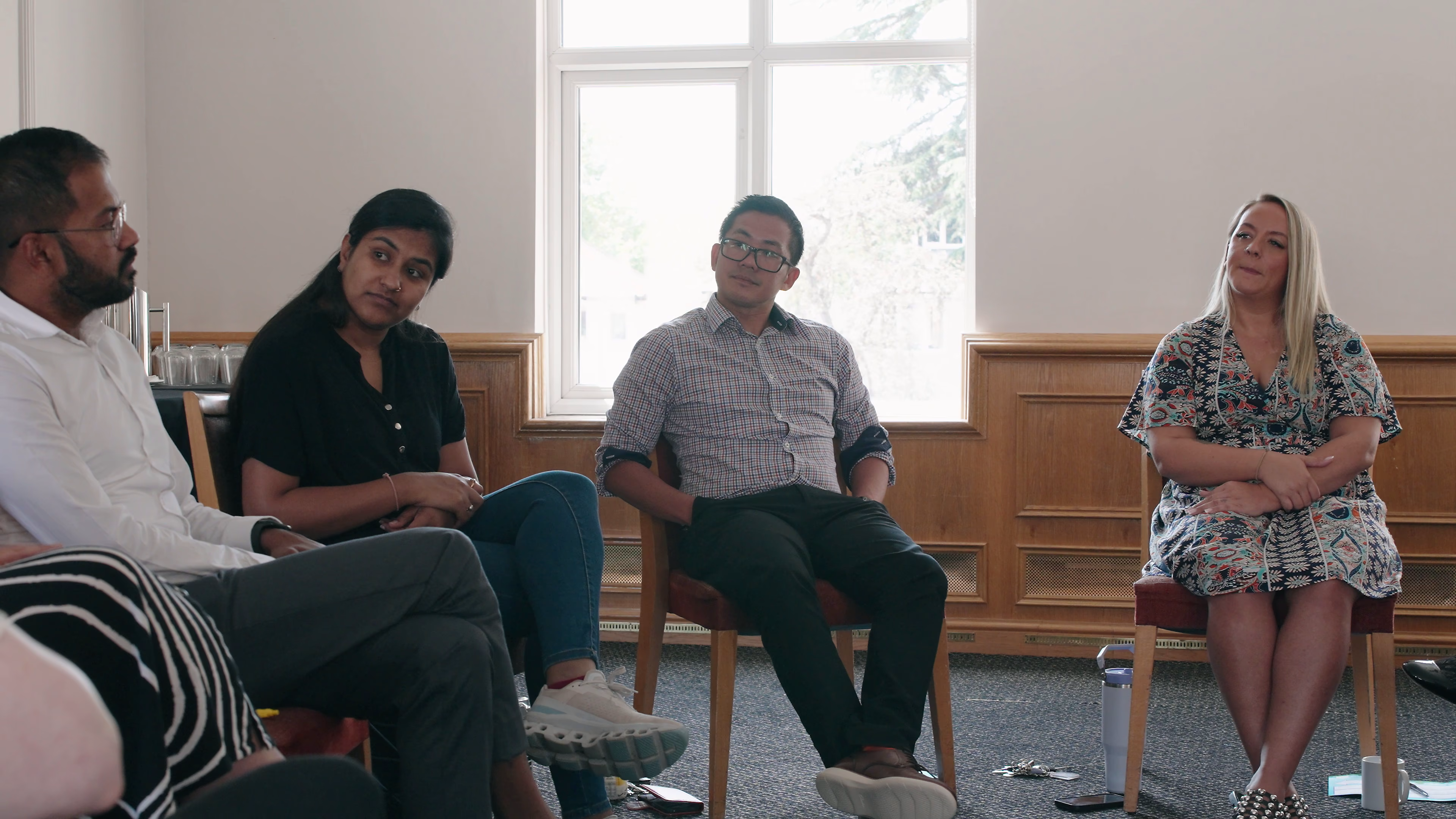
At the My Home Life England programme days in Chelmsford, observational footage showed how care leaders learned with one another. At the London anniversary event, multi-camera speaker coverage, audience discussion, interviews and reception photography demonstrated the organisation’s wider sector role.
Plan photography and video as one production
A smaller event can sometimes be covered by one experienced operator using a clear schedule and fixed multi-camera positions for formal content. The cameras preserve the stage or panel while the operator gathers stills and additional footage around the room.
This is not the right answer for every event. Simultaneous stages, rapid movement or extensive guest photography may require a larger team. The point is to match the crew and equipment to the actual running order, not to assume that video and photography always need separate days.
Use multi-camera coverage where continuity matters
A full conference recording has a different job from a highlight film. It needs complete speech, reliable sound and alternative angles that allow the edit to move around slides, pauses and audience contributions.
Lock one camera on the principal view and use another for a complementary angle or closer composition. Record clean audio independently and protect enough setup time to test the complete path before guests arrive.
Maintain visual and editorial continuity
Filming dates may be months apart. Keep notes on camera settings, interview framing, sound, lighting, graphics, terminology and contributor permissions. A consistent approach makes the final organisation film feel intentional even when the locations and activities change.
Continuity also comes from the questions. Repeating a small number of themes—without scripting the answers—creates useful connections between cohorts and events.
Build feedback into the schedule
Multi-stakeholder projects need factual and editorial review. Decide who consolidates comments, which terms and claims require particular care and how many rounds are included. Ask reviewers to distinguish accuracy changes from preference changes so the edit can progress efficiently.
Constructive feedback is especially useful when an organisation’s work is nuanced. It can help the production team balance individual experience, programme detail, institutional purpose and wider sector impact without flattening the speakers’ natural language.
Design the archive before delivery
Name files by date, location, contributor and deliverable. Keep final masters separate from social versions, interview selects, photographs and source recordings. Supply a simple index so somebody who did not attend the production can find the right asset later.
A useful archive extends the value of the shoot. A full event film can support absent colleagues, selected answers can be revisited for future campaigns and well-organised B-roll can reduce the need to recreate familiar scenes.
A multi-date production checklist
- Map audiences and decisions. Define what marketing, funding, internal and archive content must achieve.
- List every deliverable. Include main films, testimonials, full recordings, soundbites, photography and social versions.
- Give each date a purpose. Decide what that location or group adds to the wider story.
- Record reusable interviews. Capture self-contained answers with clean sound and clear context.
- Choose the right crew. Match people and cameras to the running order and simultaneous activity.
- Protect continuity. Track visual, technical and editorial decisions across dates.
- Consolidate feedback. Give the production one clear route for factual and creative review.
- Organise the archive. Deliver files so future colleagues can find and reuse them.
See how this approach worked across our My Home Life England video and photography partnership. If you are planning a programme, conference or long-term communications project, explore our corporate video production, corporate photography or send us the brief.