Build a location map before the performers arrive
Walk the site and assign jobs to different areas. One section might hold the full group, another a close masked character, another an elevated verse and another a travelling shot. Note where lights can stand safely, where smoke will drift and where members of the public may interrupt.
This prevents the first attractive wall from absorbing the whole shoot. It also gives the artist a clear sequence: complete the wide group material, move to two-person setups, then use the remaining time for portraits and details.
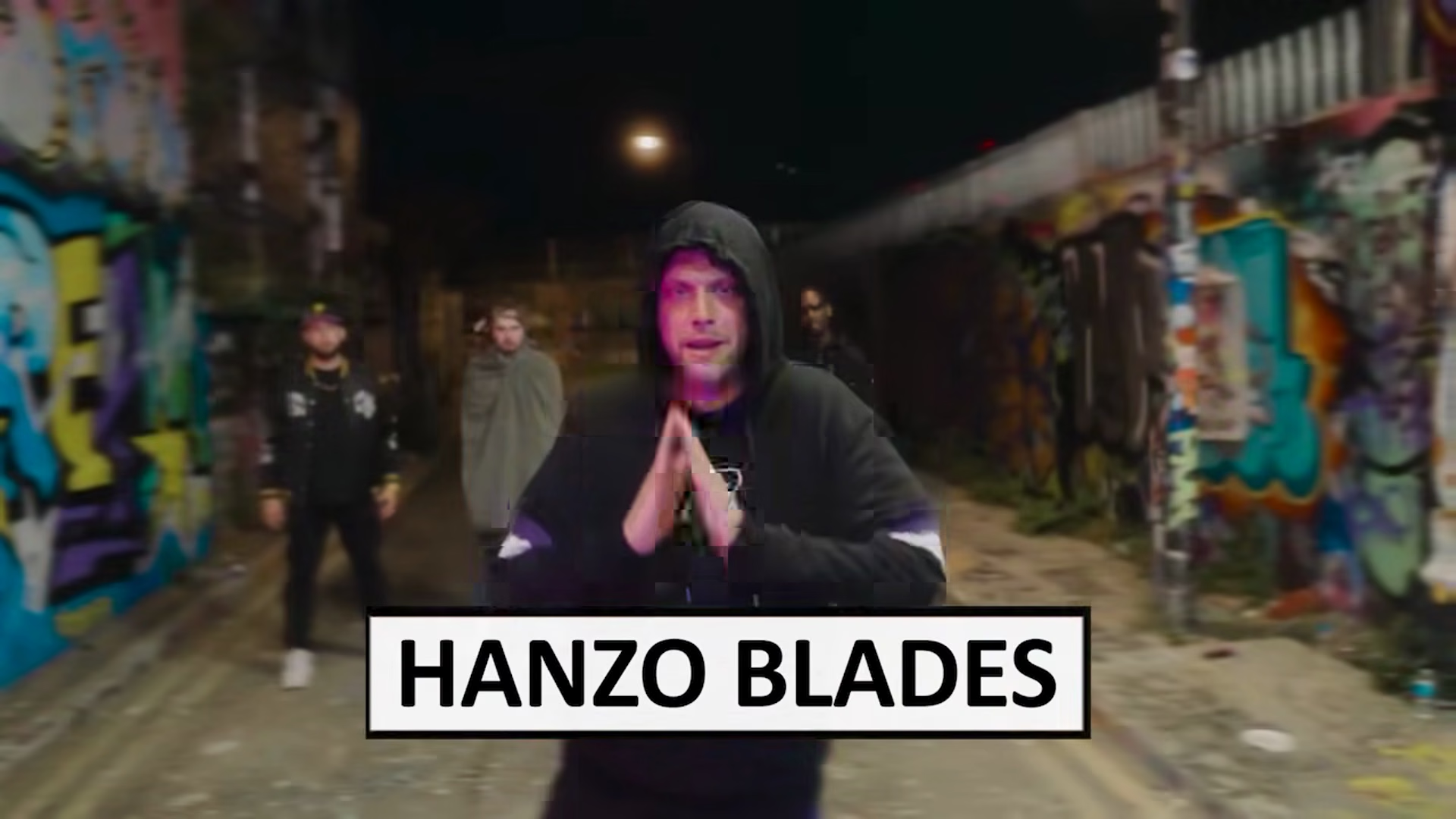
For “Hanzo Blades”, the tunnel’s artwork supplied visual change without a company move. Camera direction and depth did the organisational work that several separate locations might otherwise have provided.
Light the performer, not every wall
Graffiti is already high-contrast and colourful. Flooding the whole tunnel with more light can flatten its depth and compete with the face. A small source placed close to the performer often has more impact.
Use colour to separate the subject from the artwork behind them. A cool edge against a warmer wall, or a magenta face light against green paint, creates a readable silhouette while preserving the atmosphere of the location.
Keep a neutral reference for skin and wardrobe where possible. Even a stylised music video benefits from knowing what the scene looked like before the grade, especially when several coloured sources overlap.
Use smoke to reveal space and movement
Smoke is most useful when light can travel through it. Side light or backlight reveals beams and gives the air direction; front light alone can turn the image into a flat grey veil.
Introduce haze in controlled amounts and allow it to settle. Heavy smoke may obscure faces, trigger venue rules or drift towards other people using the location. The production should confirm permissions and keep a clear operator responsible for the effect.
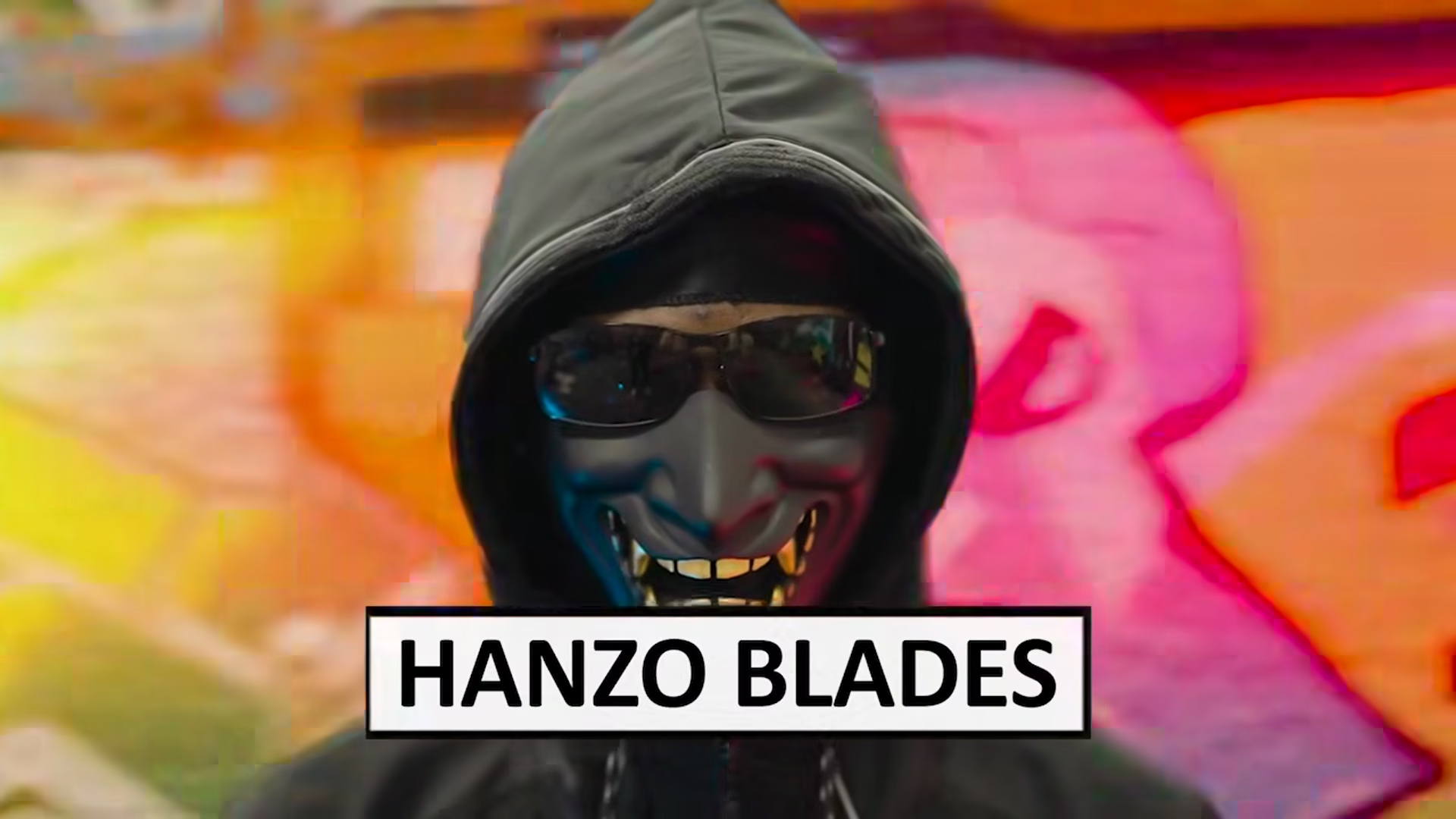
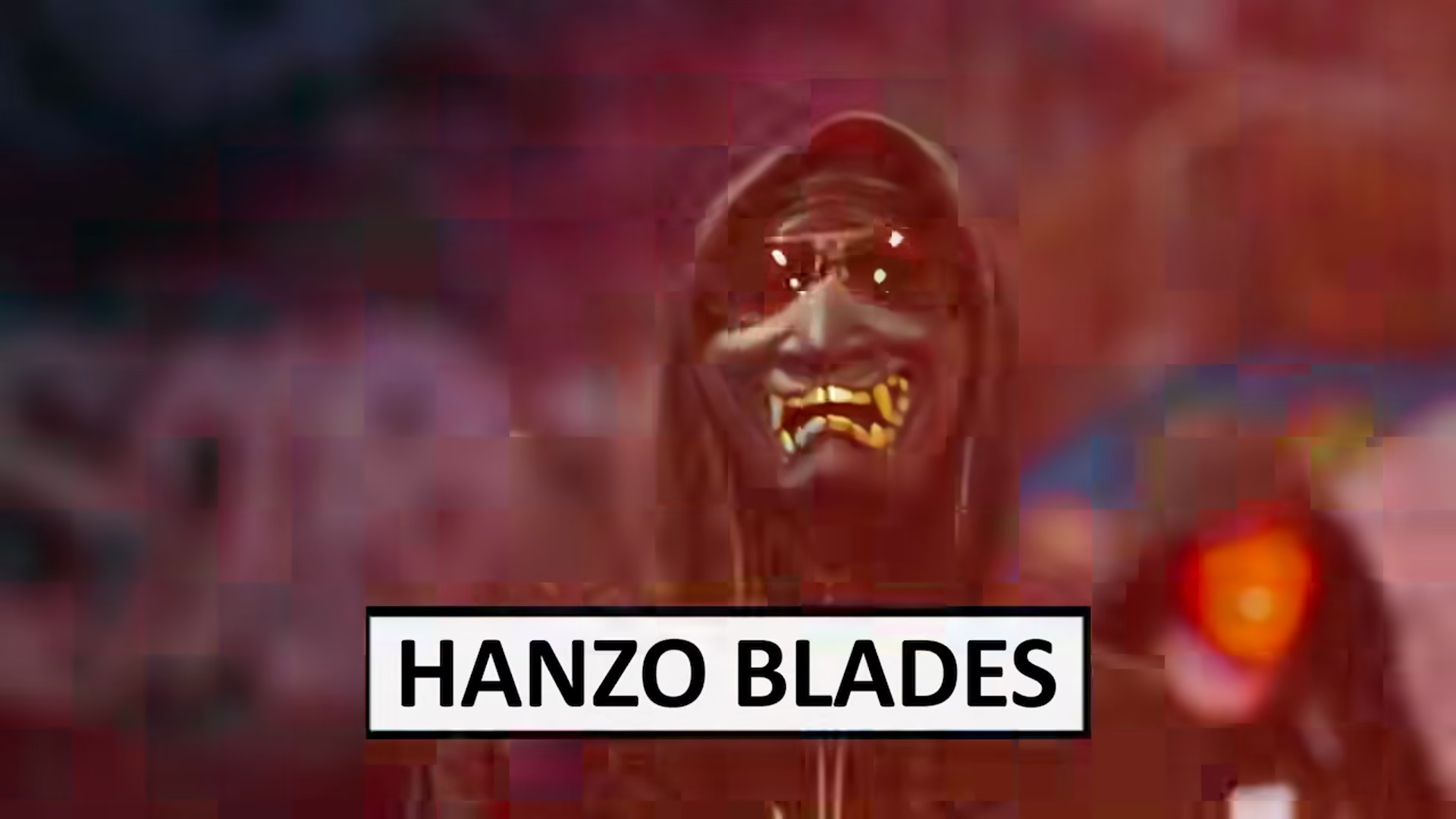
In “Hanzo Blades”, atmosphere helped the masked character feel physically present before the edit added trails and layered imagery. Practical texture gave the digital treatment something convincing to build upon.
Give every featured artist a defined frame
The track brings Tommy Biz together with Row D, Tintz and Flowtecs over Lewi B’s production. Each performer needs a clear introduction, but the video should still feel like one release.
Repeat one or two visual rules across the verses: a similar distance to camera, a recurring coloured edge, the same background figures or movement towards the lens. Then change the location angle, level or effect for the individual personality.
Wide group shots are valuable punctuation. They remind the viewer of the collective after a run of close individual performances and give the edit room to reset.
Shoot clean plates before committing to effects
Creative editing works best when the source material is stable enough to manipulate. Capture a clean performance, a few seconds of the empty background and deliberate locked or repeatable movement where the intended effect requires alignment.
These elements support split screens, echoes, masked transitions and layered frames. If every take is already chaotic, post-production has fewer controlled choices and more time is spent hiding technical problems.
The strongest effects in “Hanzo Blades” intensify an existing performance or transition. They do not replace coverage of the artists.
Let the track decide where the edit changes state
A useful effects plan identifies musical events: a verse entry, a drum change, a pause, a repeated word or a transition between performers. Those points can trigger a colour shift, trail, frame echo or change in visual density.
Maintaining clean sections makes the transformed moments feel stronger. Constant maximum treatment quickly becomes a new normal and can obscure the performance the audience came to watch.
You can watch the Hanzo Blades London music video case study to see how one tunnel moved between practical and digital looks. The release was also documented by Britishhiphop.co.uk.
Briefing a one-location music video
Share the final track, performer list, location access window, visual references and any practical effects before the shoot. Explain which sections need group coverage, which artists require solo frames and how far the finished edit may move from a natural look.
The Camera Guys provides music video production across London and the wider UK, including performance direction, portable lighting and post-production. A focused location can be a creative advantage when the coverage and edit are designed together.
Tell us about your track and location, and we can shape a practical plan around the time available.