Why we chose a wider landscape frame
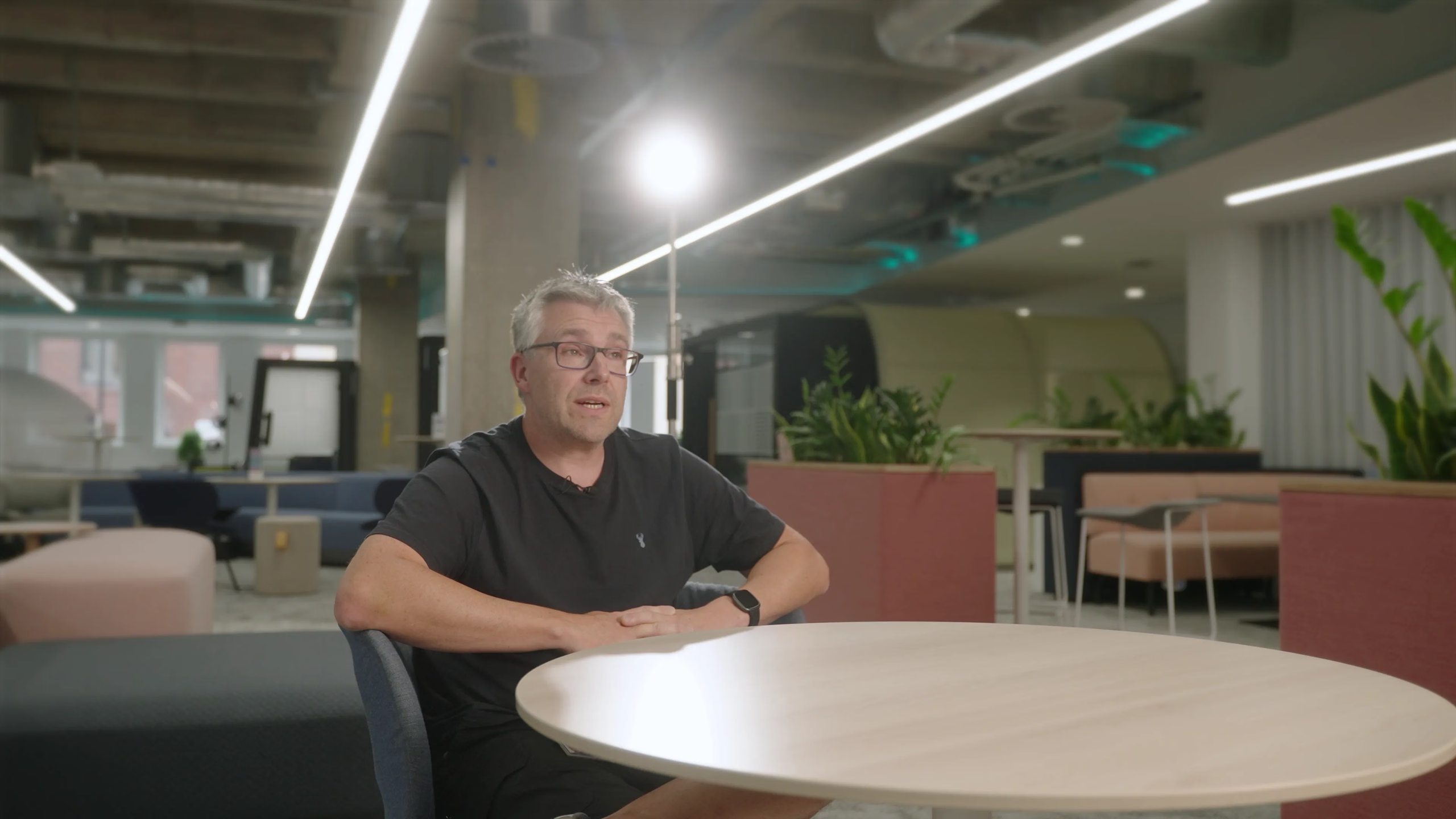
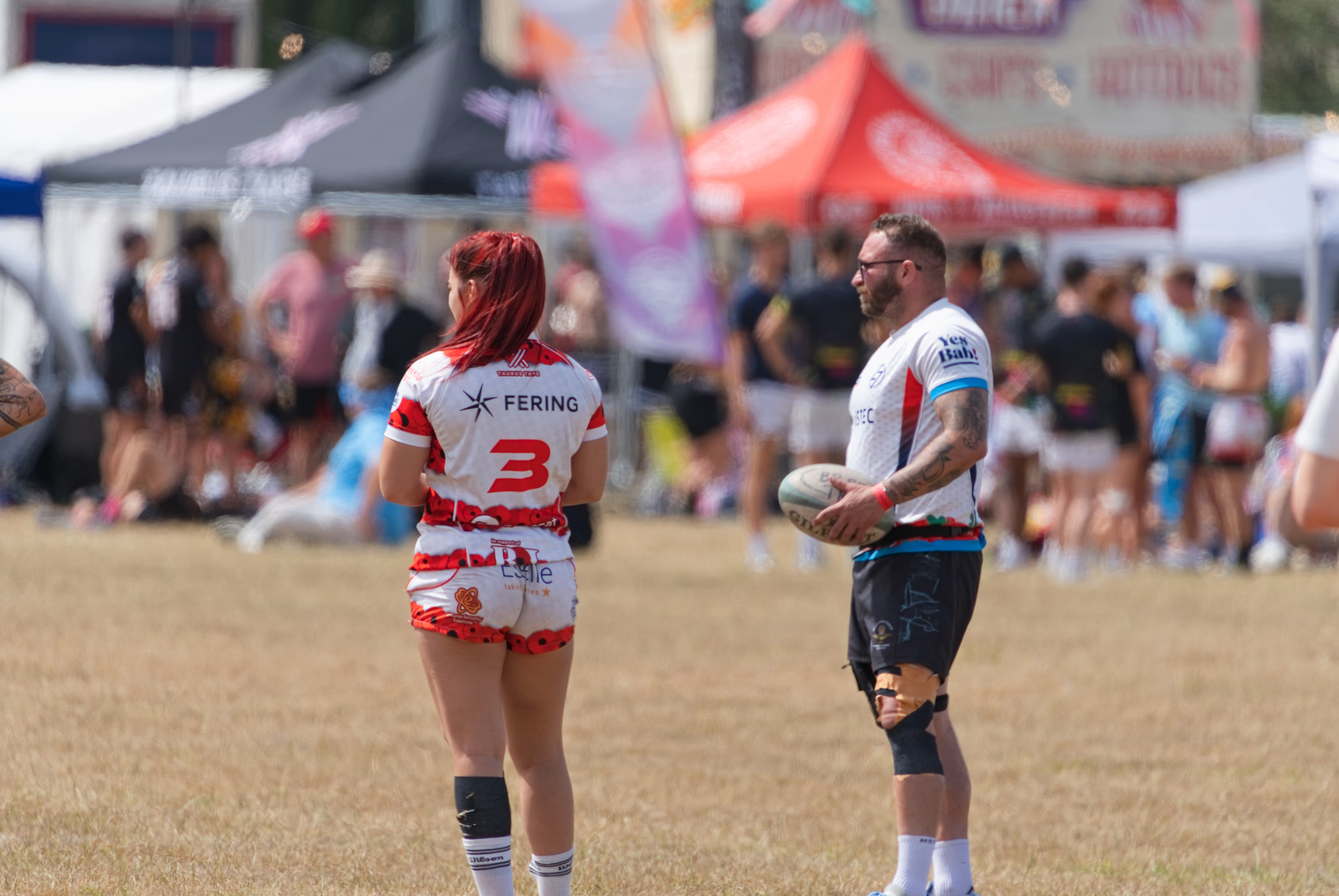
We shot in 16:9 landscape, framing a little wider than we would for a tight landscape edit. That kept more of the play inside the recorded image and gave us some freedom to position the portrait crop afterwards.
For this job, it helped separate two tasks: following the live action with the camera, then deciding exactly where the vertical frame should sit. We could make that second decision with the benefit of seeing how the movement developed.
It still required careful tracking. A crop cannot bring back a player who has left the recorded image. The extra space was working room, not a substitute for following the match.
The visual trade-off was worth making
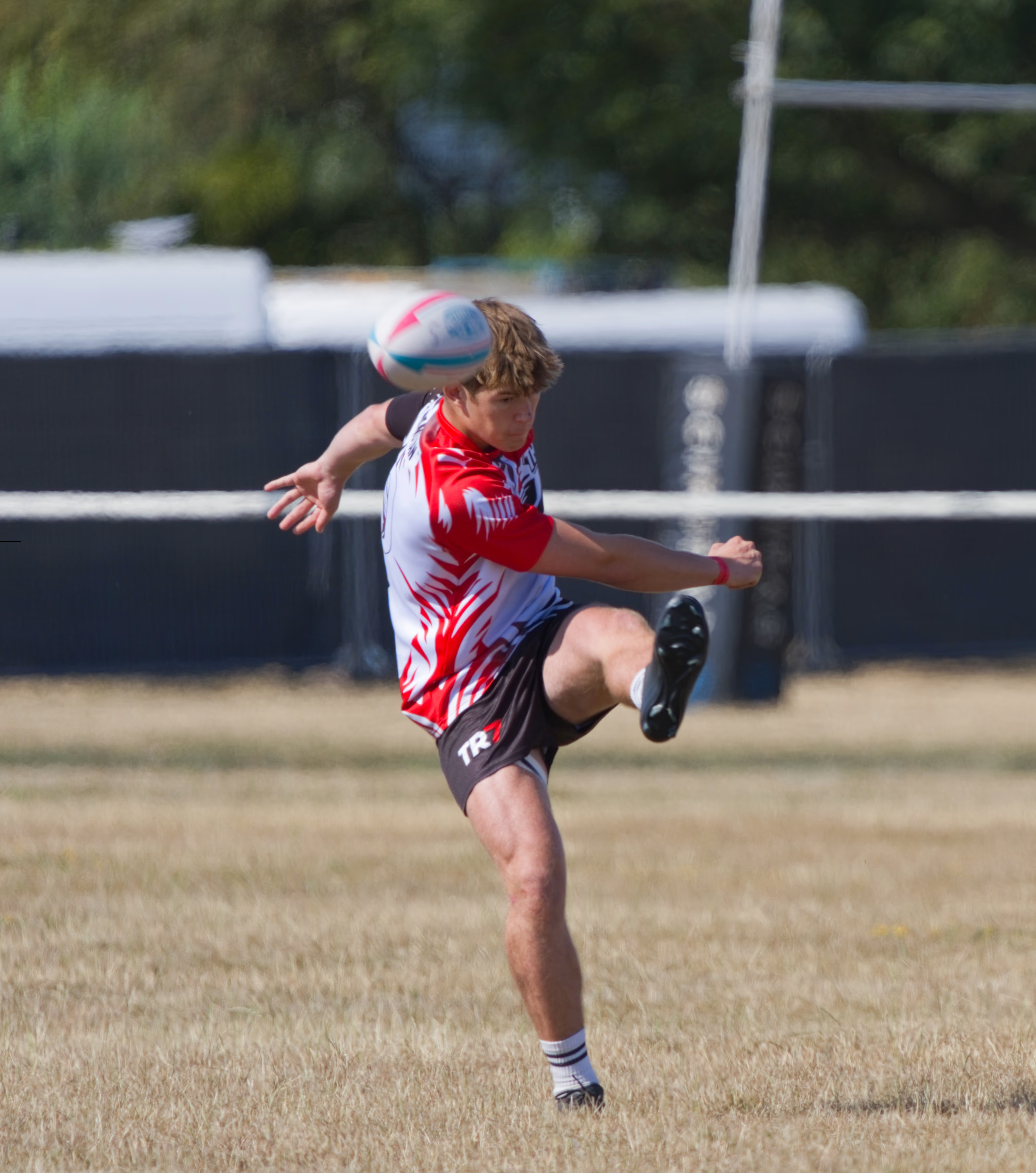
Leaving room for the crop meant we could not frame as tightly. In the approach we used on the day, that also meant less of the lens compression and background blur we might have chosen for close, long-lens shots.
This was a consequence of our wider shooting choices; simply changing an image from landscape to portrait does not change the lens’s perspective. The practical decision was whether to prioritise a tighter look at capture or give the edit more room to follow the players.
We chose the breathing room. The finished video needed to hold together as a portrait sequence, so a small compromise in the look of individual shots served the overall result.
What 100 fps gave the edit
We recorded the footage at 100 frames per second. On a 25 fps timeline, those captured frames can be played at one quarter of the original speed: one second of action becomes four seconds on screen.
That gives us slow motion without generating intermediate frames. It is separate from the portrait crop, which uses a smaller part of the recorded image. The frame-rate benefit does not remove the resolution trade-off involved in cropping.
In a rugby highlight, slowing the action can give a pass, tackle or change of direction enough time to register. It also lets us vary the pace of the sequence around the faster passages of play.
From a drone shot into the scrum
We opened the edit with a descending drone shot that transitions into the scrum. It moves the viewer from an overview of the pitch into the close action before the montage gets underway.
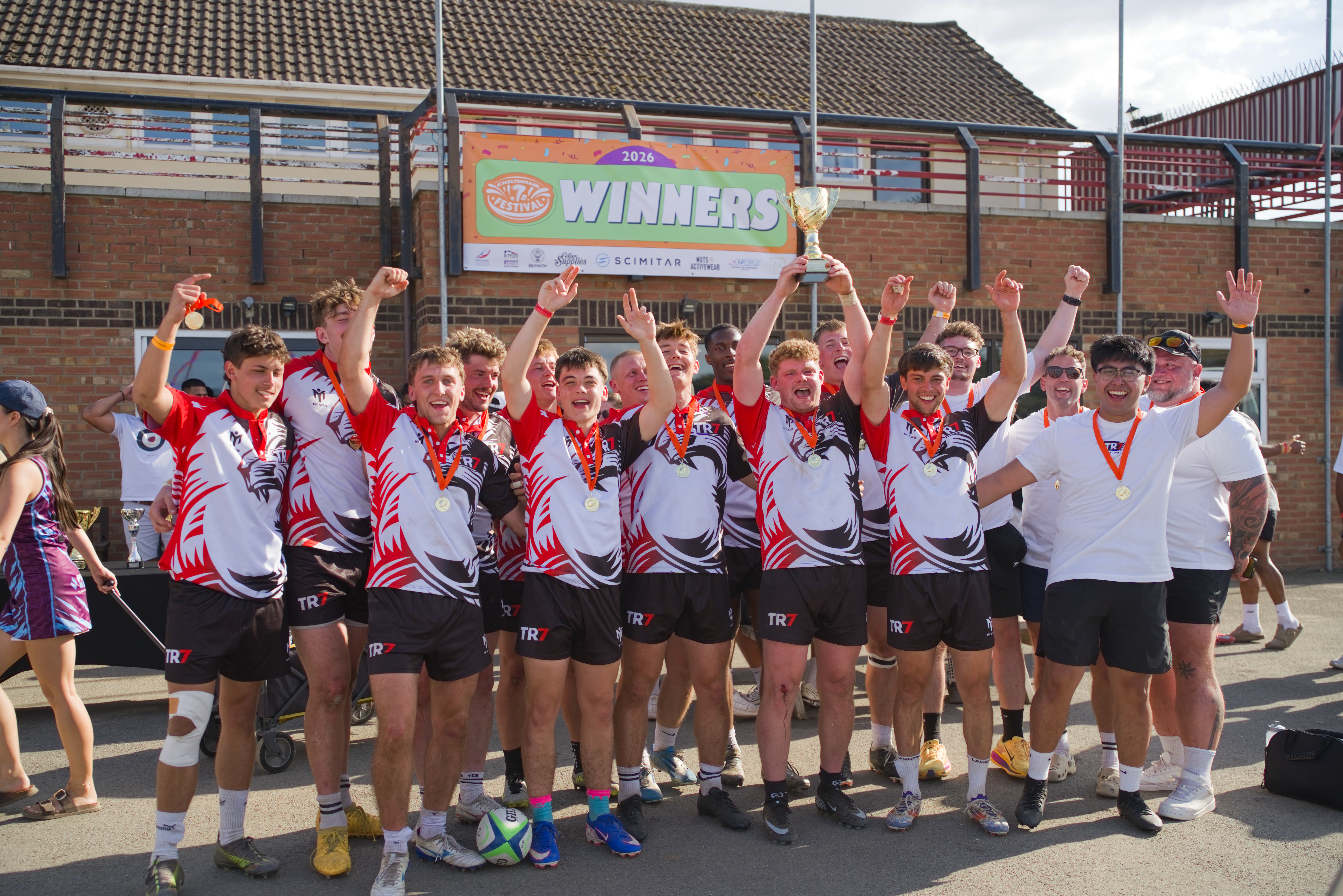
The rest of the film combines tracked match action, slow motion and coverage of TR7’s performance. Their Cheltenham tournament report records an unbeaten win in the Social competition on 1 August 2026.
The highlight was one use of the footage
Alongside the edited film, we supplied the photographs and all raw footage from the day. That gave TR7 source material for further videos, from training sequences and montages to longer coverage of the games.
A team’s next post does not always need to look like its last highlight. Keeping the footage gives them options as their content plans develop. The photography provides another way to cover the team, the event and the moments between matches.
Tell the camera team where the film will be watched
The useful lesson from Cheltenham is to make the delivery format part of the brief before filming. “We need a rugby video” and “we need a portrait rugby video” can lead to different choices on the pitch.
For this event, shooting landscape with room to crop worked well. It is a decision to make around the sport, the movement, the available image detail and the intended edit. It should be discussed early when planning sports videography for social media.
See the TR7 Cheltenham video and photography case study for the project gallery. Our Rugby Sevens partnership portfolio brings together both tournaments and all the films we have made for The Rugby 7s so far.