Budget for the whole idea, including the sound
A rap battle depends on its words and delivery. When the starting point is a concept rather than a completed song, writing and audio production are part of the job before the first camera setup.
For Super Peng Tings, we took on the lyrics as well as recording and mastering the audio. Costumes, the location and the visual approach also formed part of our remit. Describing this as a one-day shoot is accurate, but it does not mean the entire production took one day.
When briefing music video production, make clear which pieces already exist. A finished track, an initial premise and a fully developed treatment each require a different amount of preparation.
A low-cost location still needs controlled light
We avoided studio hire by building the green-screen setup in a car park. Battery-powered studio lighting made it possible to bring our own light to that space.
The general challenge with any temporary green-screen set is consistency. Uneven illumination gives the keyer several shades of green to separate. Spill from the screen can contaminate a subject’s edges, while changes in exposure make matching takes harder. A portable location works best when its lighting can be managed deliberately.
Adobe’s explanation of chroma key describes why even screen lighting and separation between the performer and backdrop matter. Those basics are worth testing before committing a full performance to camera.
Why 8-bit footage made the green screen harder
Our Sony A7 III cameras recorded 8-bit video. Bit depth describes the number of numerical steps available to represent each colour component: 8-bit gives 256 possible levels, whereas 10-bit gives 1,024. That extra precision can help when a key needs to distinguish small changes around an edge.
A green-screen key does more than remove a block of green. It needs to decide how much of a moving edge belongs to the performer and how much belongs to the background. Fewer tonal steps leave less room to refine those transitions before roughness or unwanted colour becomes visible.
Bit depth is only one part of the picture. Colour sampling, compression, exposure, lighting and the subject’s movement also affect the result. An 8-bit image can produce a useful key, and a 10-bit camera cannot rescue every setup. On this shoot, however, the available footage needed considerable manual masking to get the composites where we wanted them.
Balancing shutter speed and motion blur at 25fps
For our PAL 4K setup, the A7 III offered 25fps rather than 50fps. Sony’s A7 III recording guide also lists 24p and 30p in NTSC mode, but higher frame rates such as 50p require dropping to Full HD.
At 25fps, a 1/50-second exposure follows the conventional 180-degree shutter relationship. It produces familiar motion blur, but it is a creative starting point rather than a compulsory shutter setting. We did raise the shutter speed for parts of the shoot.
Faster exposures can make moving hands and costume edges cleaner for keying. The trade-off is less light per frame and a sharper, more staccato rendering of movement. With the more natural blur at 1/50, moving edges contain a blend of subject and green background, which needs careful treatment in the composite.
Sony’s movie-recording guide explains the shutter-to-frame-rate guideline. The useful question on set is how much blur the shot needs and how much edge detail the effects work can tolerate.
Plan for manual masking before it becomes urgent
We spent a substantial amount of time manually masking the footage to work around the camera’s limitations and difficult edges. A mask lets the compositor define which parts of a frame to retain or exclude when the colour key alone is insufficient.
That work needs to remain consistent as the performer moves. A clean still frame is not enough if the edge flickers or breaks during the next gesture. Test a short moving sequence, including the fastest action, rather than judging the setup from a paused monitor image.
The budgeting lesson is straightforward: compare the cost of equipment and location choices with the cleanup they may require. The cheapest filming arrangement is not automatically the quickest route to a finished video.

Give the effects a shared visual language
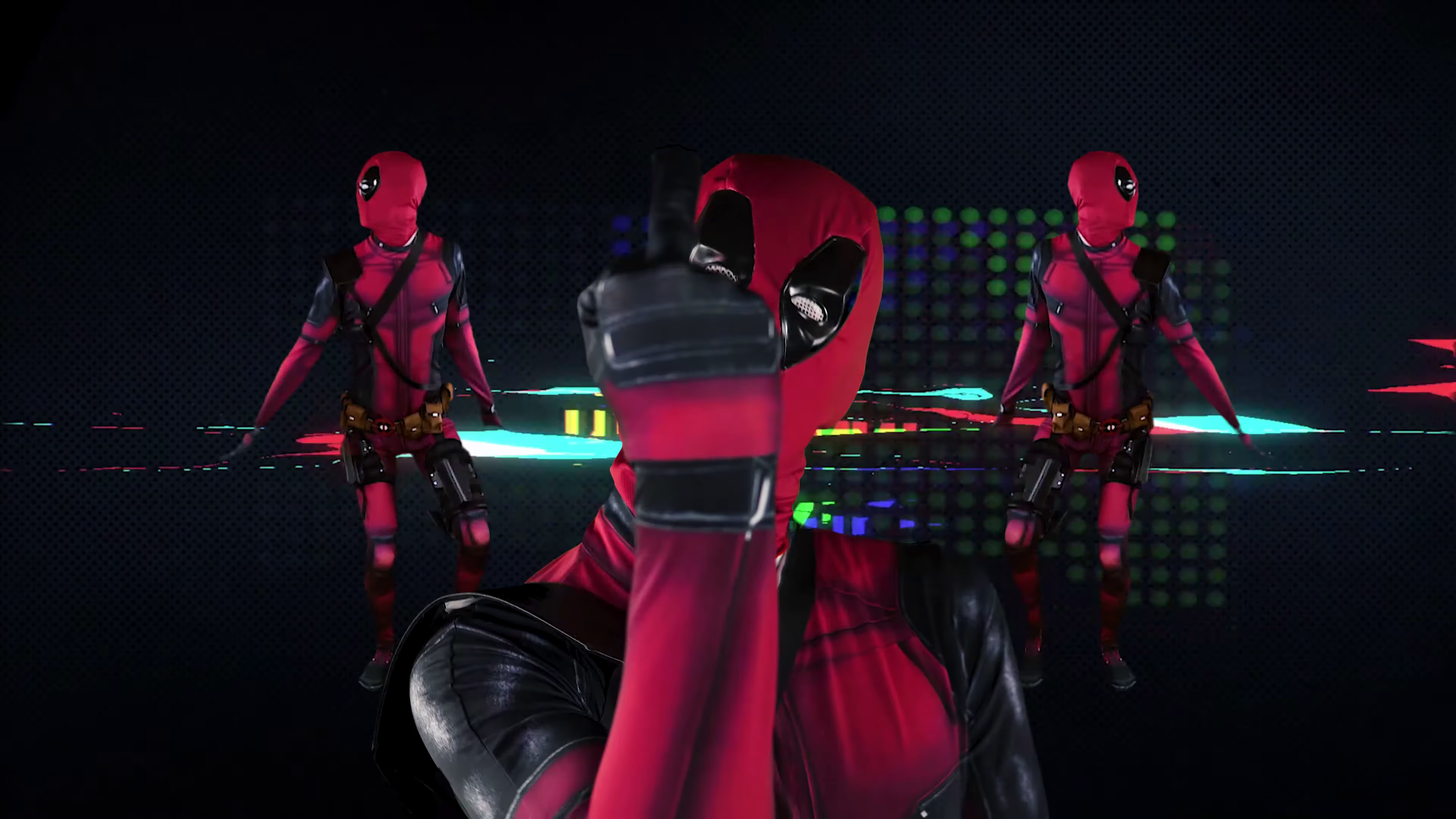
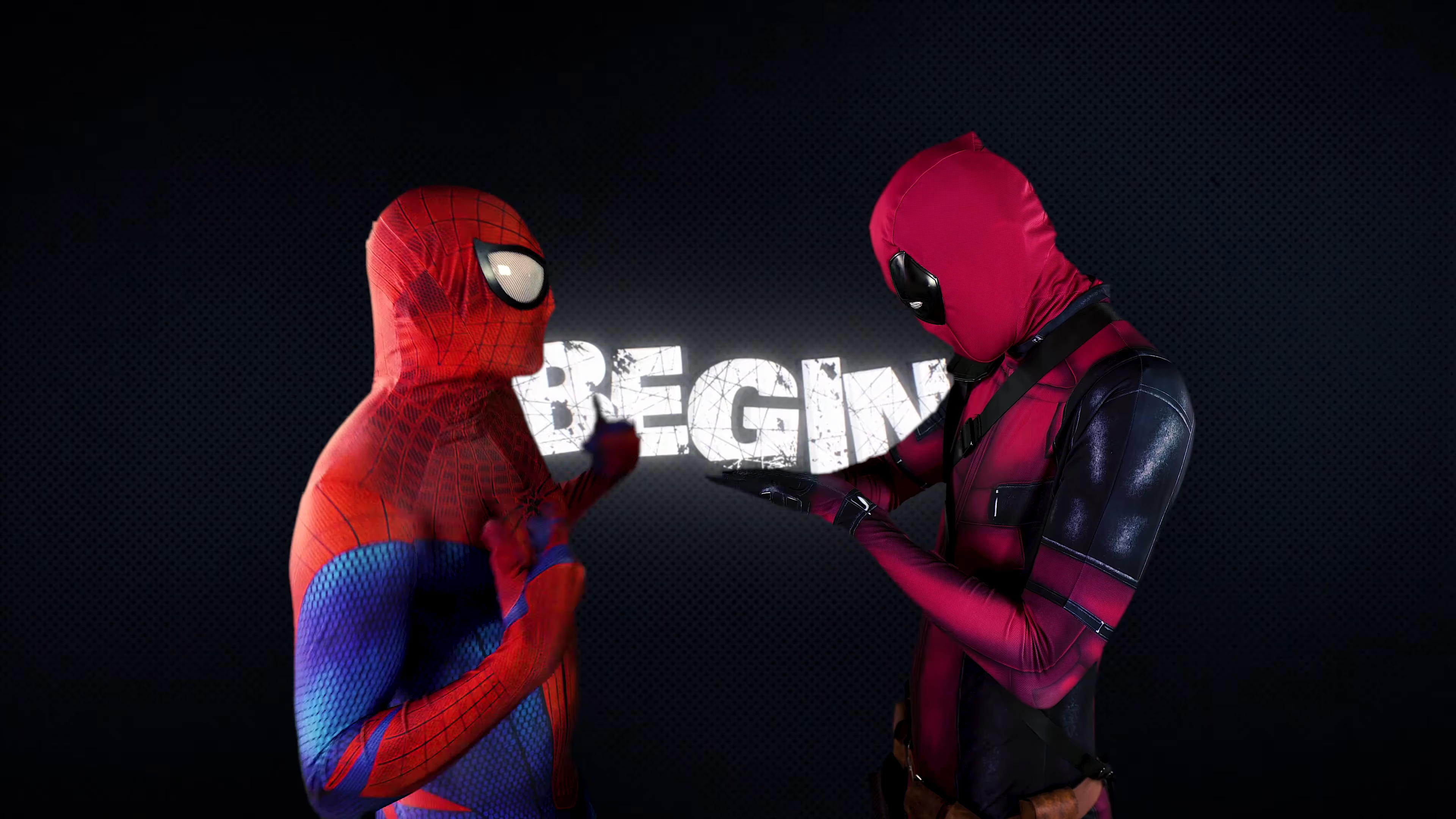
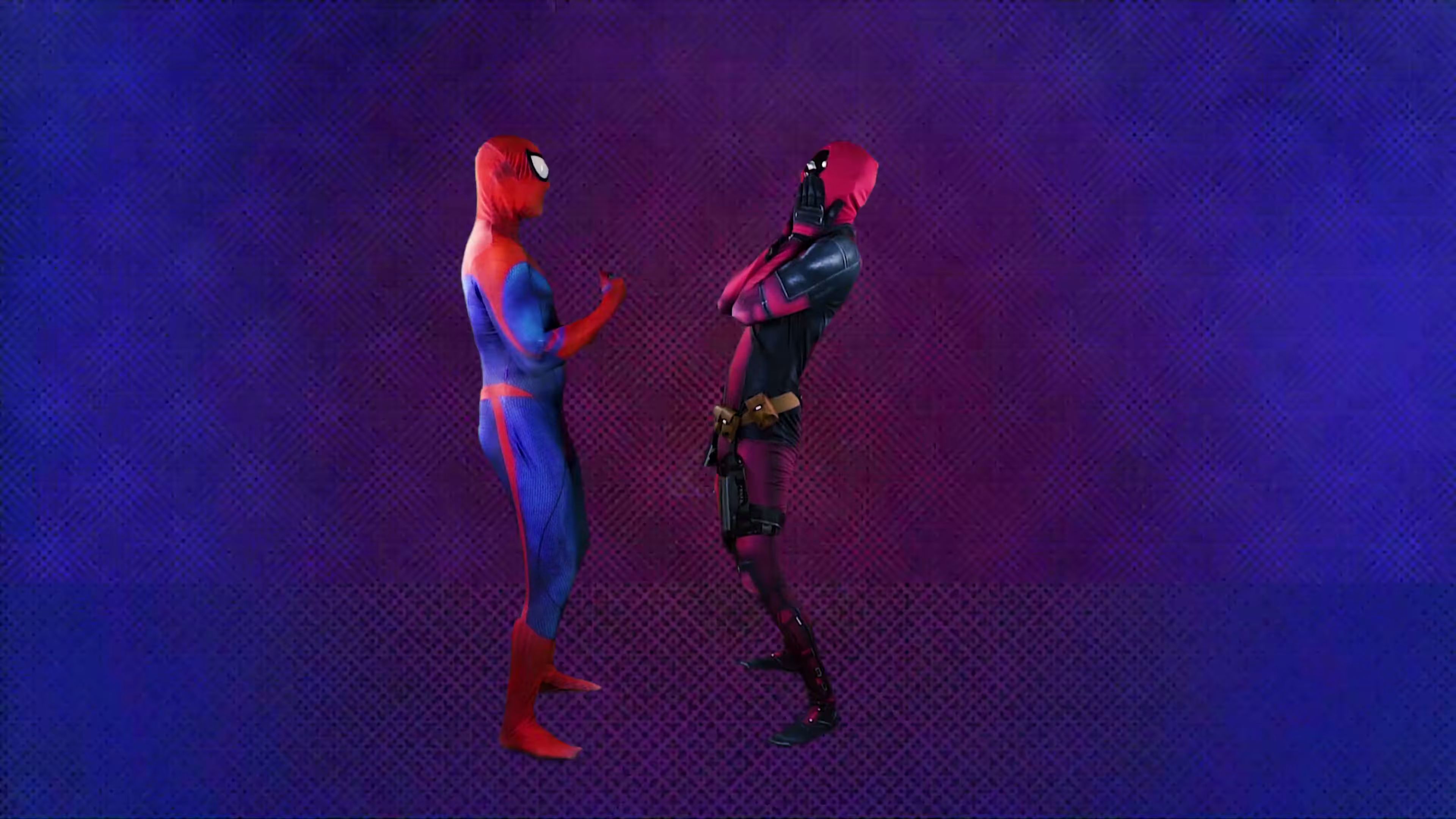
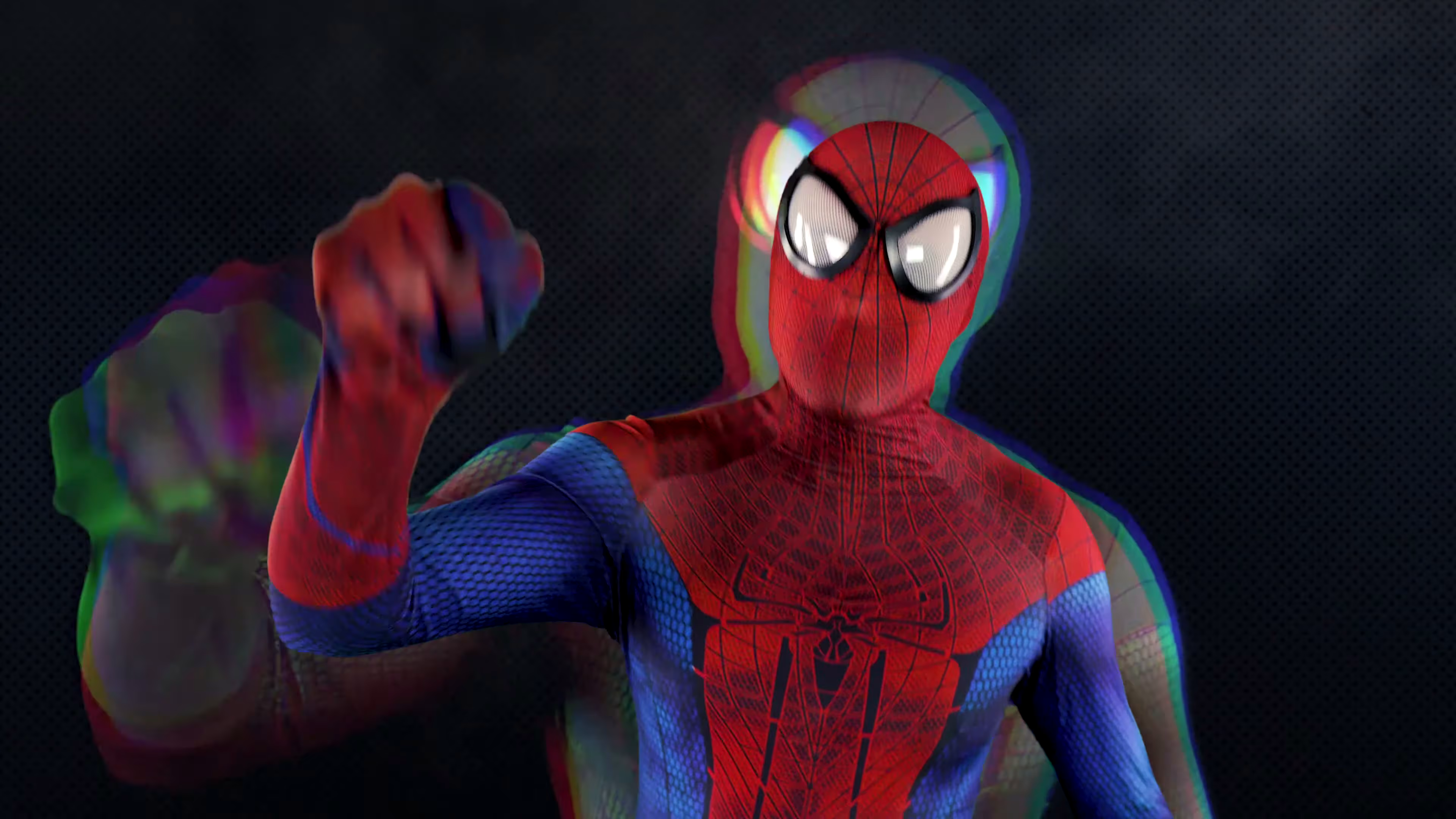
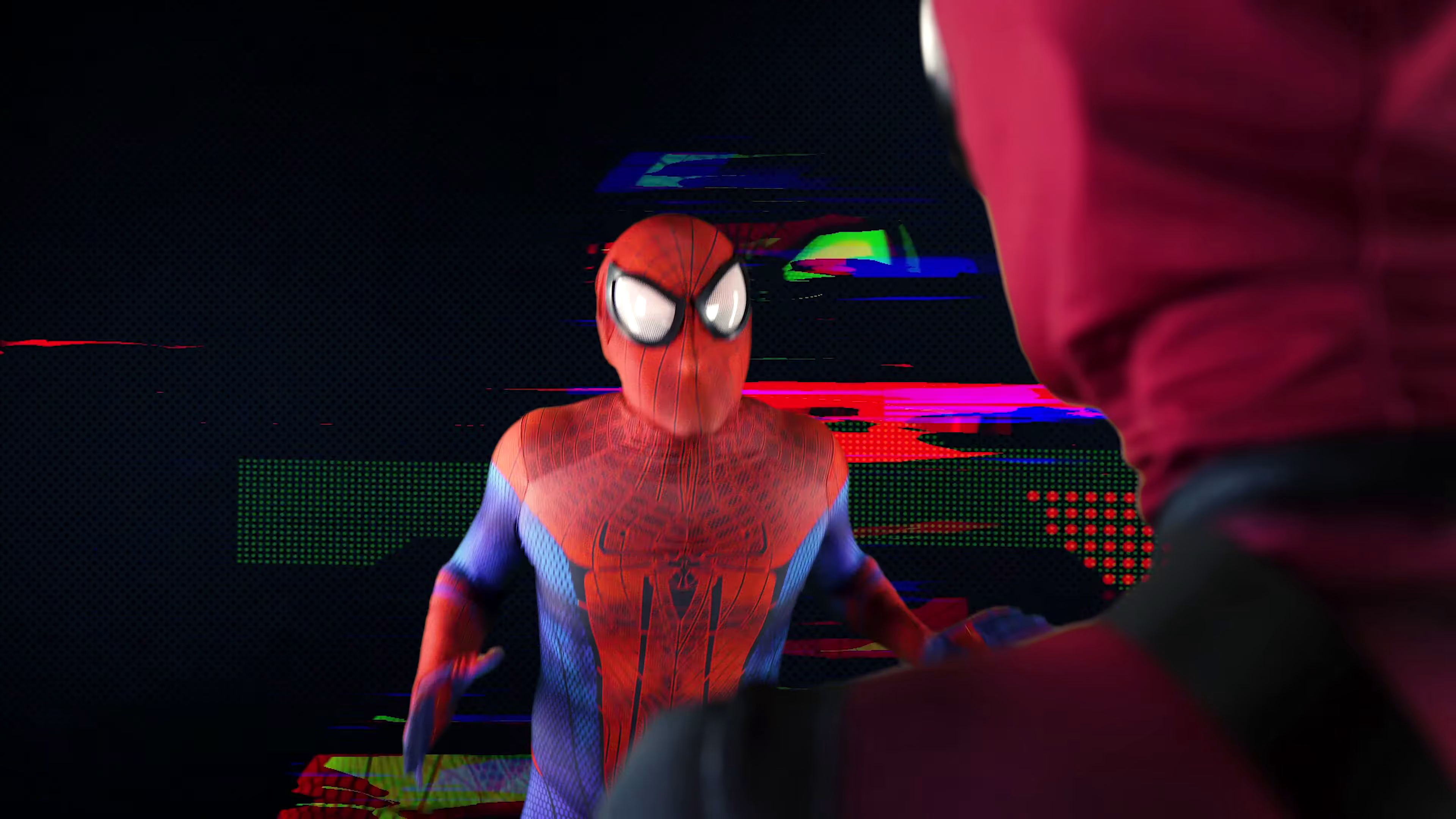
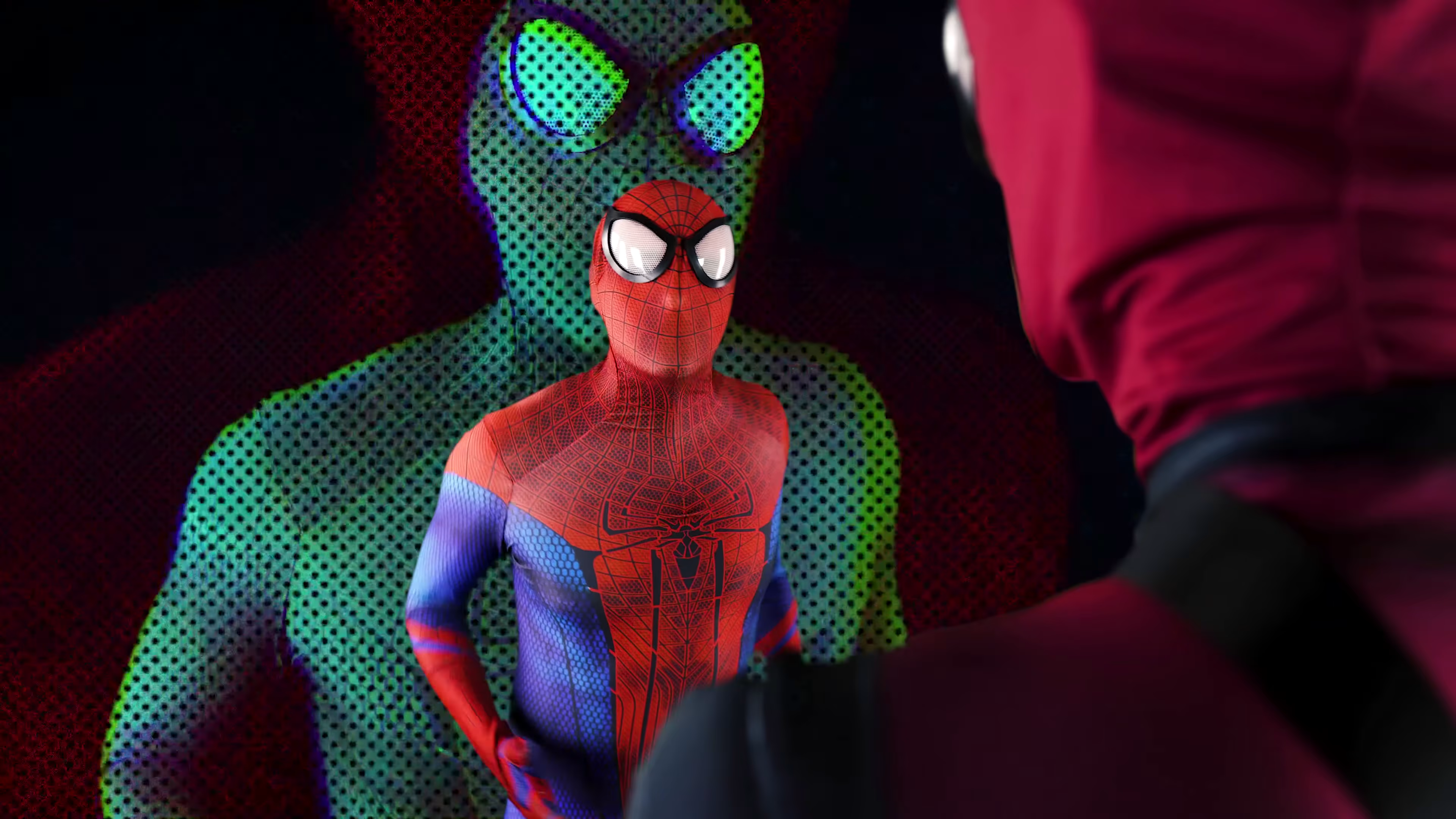
The finished frames use halftone dots, saturated comic panels, radiating lines and bursts of large lettering. RGB displacement creates coloured offsets around faces and gestures; enlarged or repeated performers suggest several versions of a character occupying the same space.
Glitch streaks and animation keep that world unstable. Smoke machines and practical effects add a physical element alongside the compositing. The combination supports the idea of a rap battle happening in the characters’ own multiverse.
We used comic-style text for selected lyrics rather than putting every line on screen. That leaves room for expressions, physical reactions and the exchange between the two performers. Typography can accent a music video without turning it into a lyric video.
Keep room for one distinctive practical shot
Spider-Man’s upside-down performance was achieved with a rig: the performer was really hanging upside down. Capturing that physical action gave the composite something specific to build around and Deadpool a clear visual counterpoint.
The broader lesson is to identify the shot that gives the idea its character early enough to prepare it properly. Practical action and digital effects can support each other; neither needs to carry every part of the image.

What we would carry into the next green-screen shoot
We were happy with the completed film, and the experience made the relationship between capture quality and post-production time very tangible. A useful test should include the costume, lighting, quickest movement and intended background treatment, followed by a short trial composite.
For a similar brief, agree the writing and audio scope first, decide which visuals must be practical, test the key, and allow time for cleanup as well as animation. Treat the filming day as one stage of the production.
Explore the Spider-Man vs. Deadpool music video case study and frame gallery for the full production story. You can also browse our video production portfolio for other approaches to performance and storytelling.
If you have a concept that needs developing from the start, tell us about your music video idea.