Why reference classic hip-hop videos?
Hip-hop has always communicated through images as well as records. Performance formations, lens choices, street locations, wardrobe and editing techniques can become part of how an era is remembered. Referencing that language allows a new film to acknowledge the work that helped shape an artist.
The aim is not nostalgia for its own sake. A successful tribute creates a conversation between generations. Viewers who recognise an influence gain another layer; viewers who do not should still see a coherent and entertaining music video.
That was important for New Guardz. “Swarmer” is the twelfth track on the 2022 album TRIBE and its video brings Tommy Biz, Ray Vendetta, Flowtecs, Mas Law and K Zorro together over Lewi B’s boom-bap production. The classic references suited both the sound and the collective structure of the track.
Separate the reference into usable ingredients
Before filming, break each influence down into elements that can be controlled. What makes it recognisable? Is it the distance between camera and performer, the symmetry of a group, a particular kind of movement or the texture of the image?
Once those ingredients are clear, decide which ones belong in the new production. A low camera and a wide lens may carry enough of the original attitude without copying wardrobe, location and blocking at the same time. Restraint prevents the sequence turning into parody.
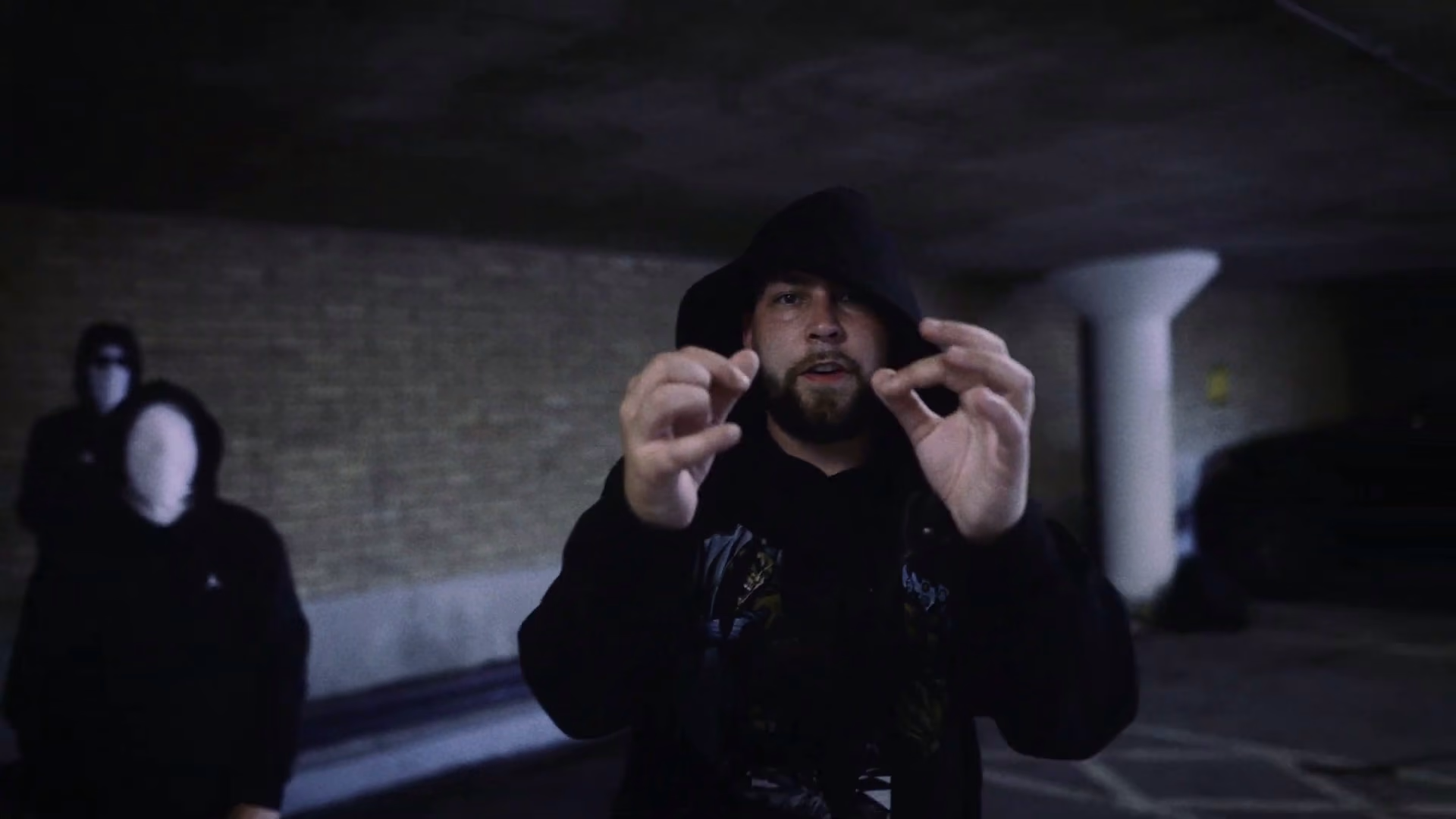
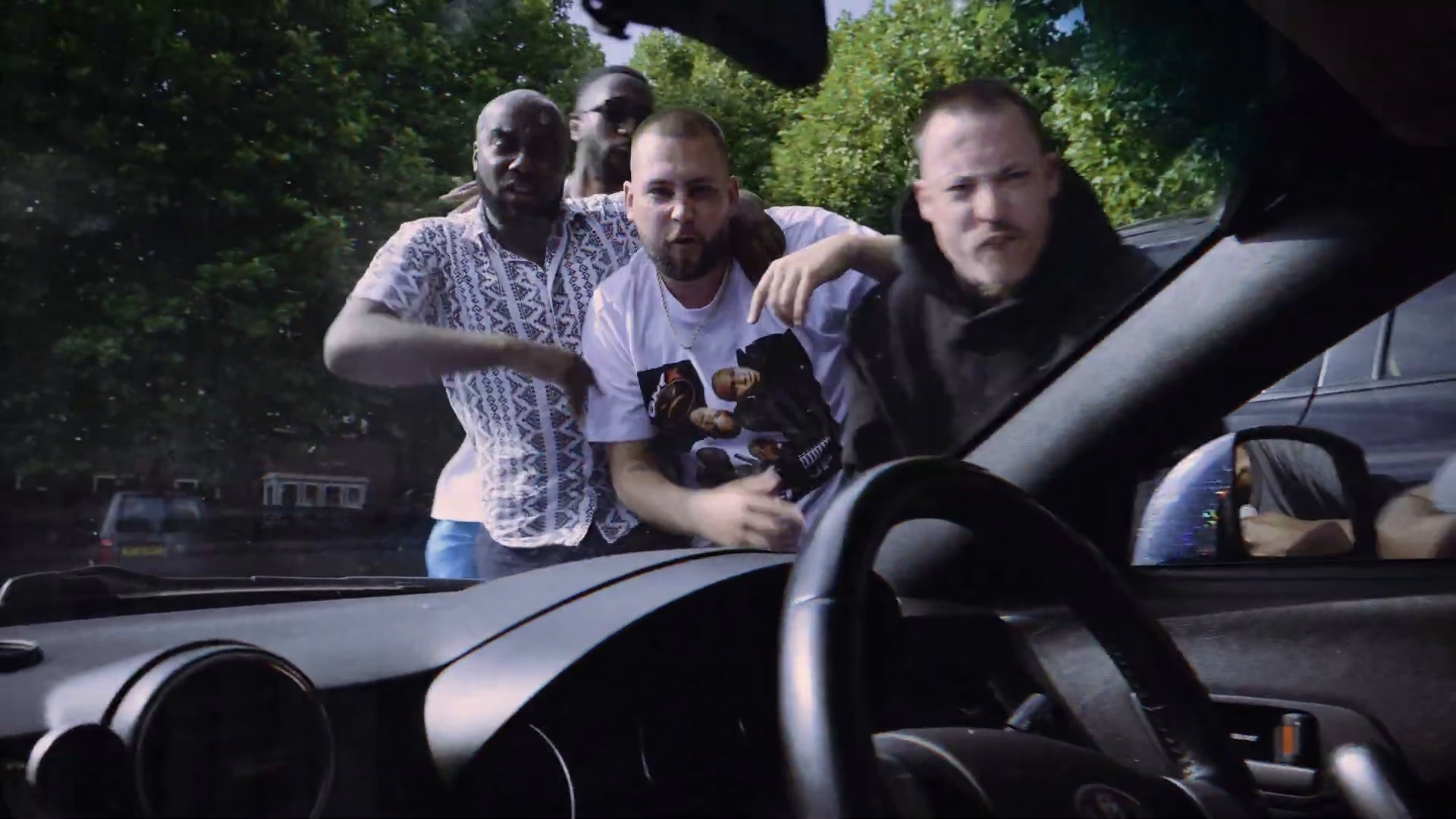
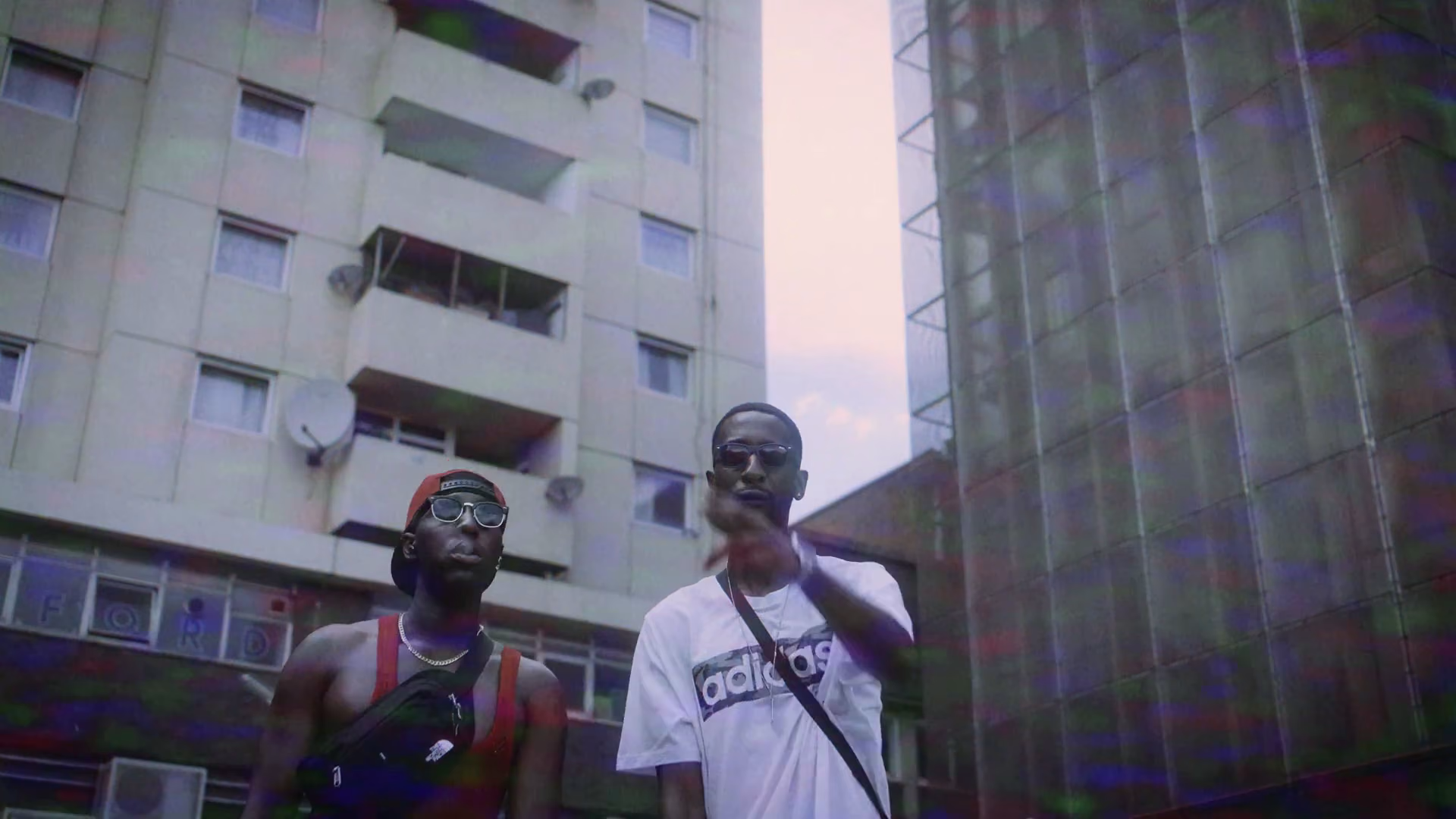
For “Swarmer”, some chapters rely on staging: a central MC with anonymous figures arranged behind him, or two performers held against repeating residential architecture. Others are defined by camera behaviour, including extreme low angles and a lens placed at car-window height.
Give every performer a chapter without losing the group
A five-person cypher creates a structural challenge. Each verse needs a distinct lead, but the video cannot feel as though five unrelated solo films have been joined together.
Group reactions help solve that problem. The lead MC can move close to camera while the others remain active in depth; the formation can change at a verse boundary; or a performer can enter another member’s frame before the track hands over. These small connections preserve the collective identity.
The strongest setups also offer several frame sizes. A dependable wide performance protects the edit, a medium view shows interaction, and close wide-lens shots bring expression and delivery directly to the viewer. One location then supplies continuity and variation.
Use locations to translate the idea
A reference does not need the original location. Finding a contemporary equivalent can make the idea more personal. Concrete walkways, stair rails, tower blocks, a riverside view and a parked car gave “Swarmer” a recognisable London texture while supporting very different compositions.
Each location was judged for more than appearance. With one videographer covering a full production day, the space had to allow efficient performer movement, repeatable takes and enough visual range to justify the change of scene.
Artists discussing music video production in Essex and London should consider how every location contributes to the concept. Five average backdrops are less useful than two spaces that offer genuinely different blocking, light and scale.
Connect different chapters in post-production
When a film is designed to change style, the edit needs a few consistent rules. Otherwise every transition feels like the beginning of a new video.
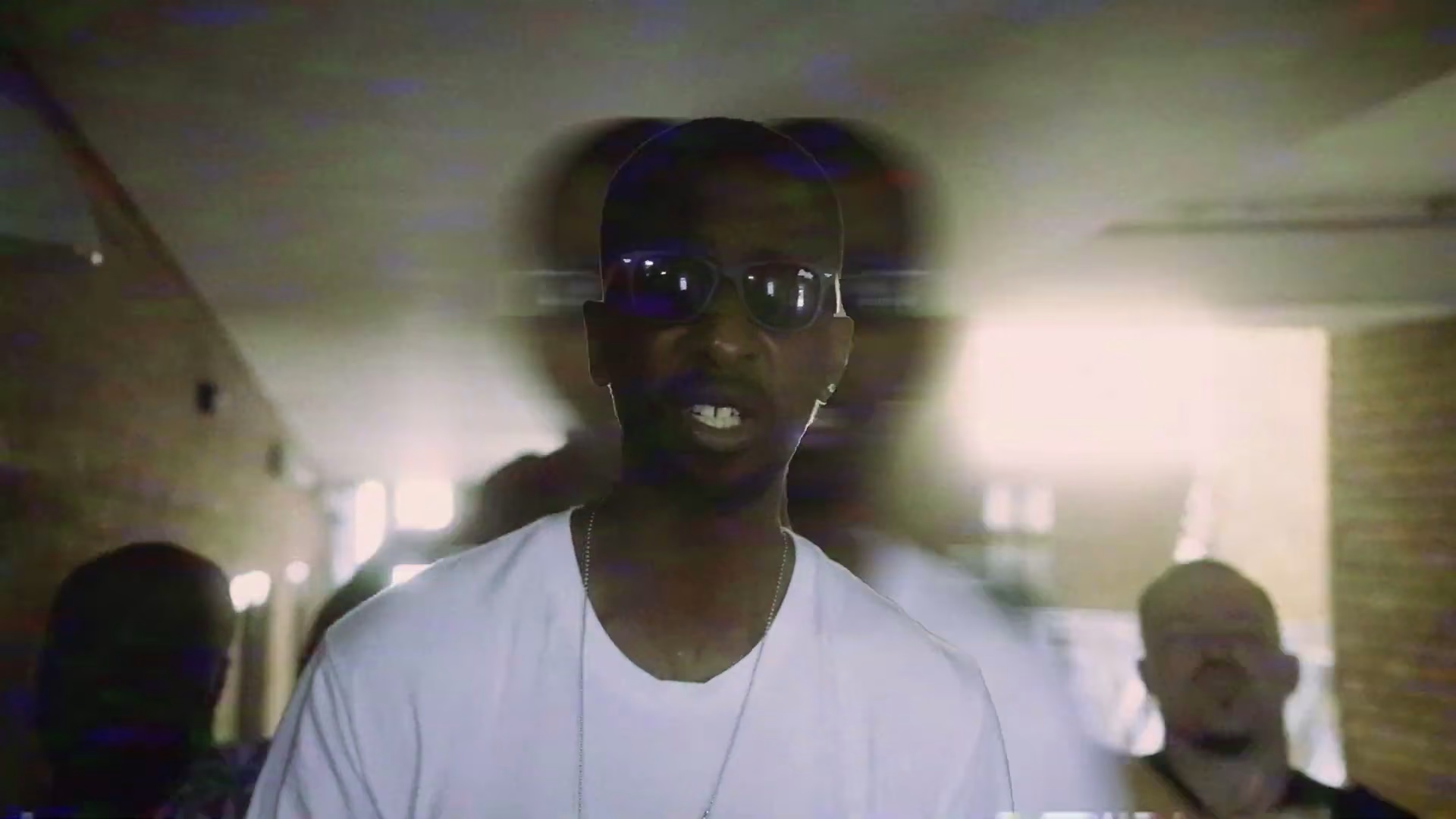
“Swarmer” uses the beat and verse structure as its main framework. Cuts arrive with changes in delivery, and recurring group shots remind the viewer that each chapter belongs to the same track. Cool colour, grain, chromatic separation and moments of deliberate image degradation provide a shared finish.
Effects were most useful when they strengthened an existing idea. A distorted edge could intensify a close wide-angle portrait; it did not need to cover every frame. Clean images between treated sections gave those moments more impact.
Let the audience recognise the influences for themselves
The release coverage for “Swarmer” invited viewers to identify the five classic videos rather than publishing an answer key. That choice made the references part of the audience experience.
It also kept the finished film from depending on explanation. The images still work as masked performance, estate cypher, roadside encounter and heightened character portrait. Recognition adds pleasure, but it is not required to understand the energy of the track.
You can watch the New Guardz “Swarmer” music video case study and explore stills from each visual chapter. The original 2022 release feature is also available through Britishhiphop.co.uk.
Planning a reference-led music video
Bring references into pre-production, but be clear about what you value in each one. “We like this video” is not yet a usable brief. “We like the confrontational wide lens, the central group formation and the rough image texture” gives the director and videographer something that can be adapted.
The Camera Guys produces performance-led music videos, visualisers and social media video content across London, Essex, Suffolk and the wider UK. We can develop a visual treatment, plan the locations, film the performances and carry the idea through editing, colour and effects.
If you have a track and a folder of influences, talk to us about your music video. We will help identify the ideas worth preserving and build something that still belongs to you.