Why use three cameras for a studio music video?
A single-camera music video can be beautiful, but it usually requires many closely repeated takes. Every change from wide to close means performing the song again, matching movement and hoping the strongest emotional moment happens in the right frame.
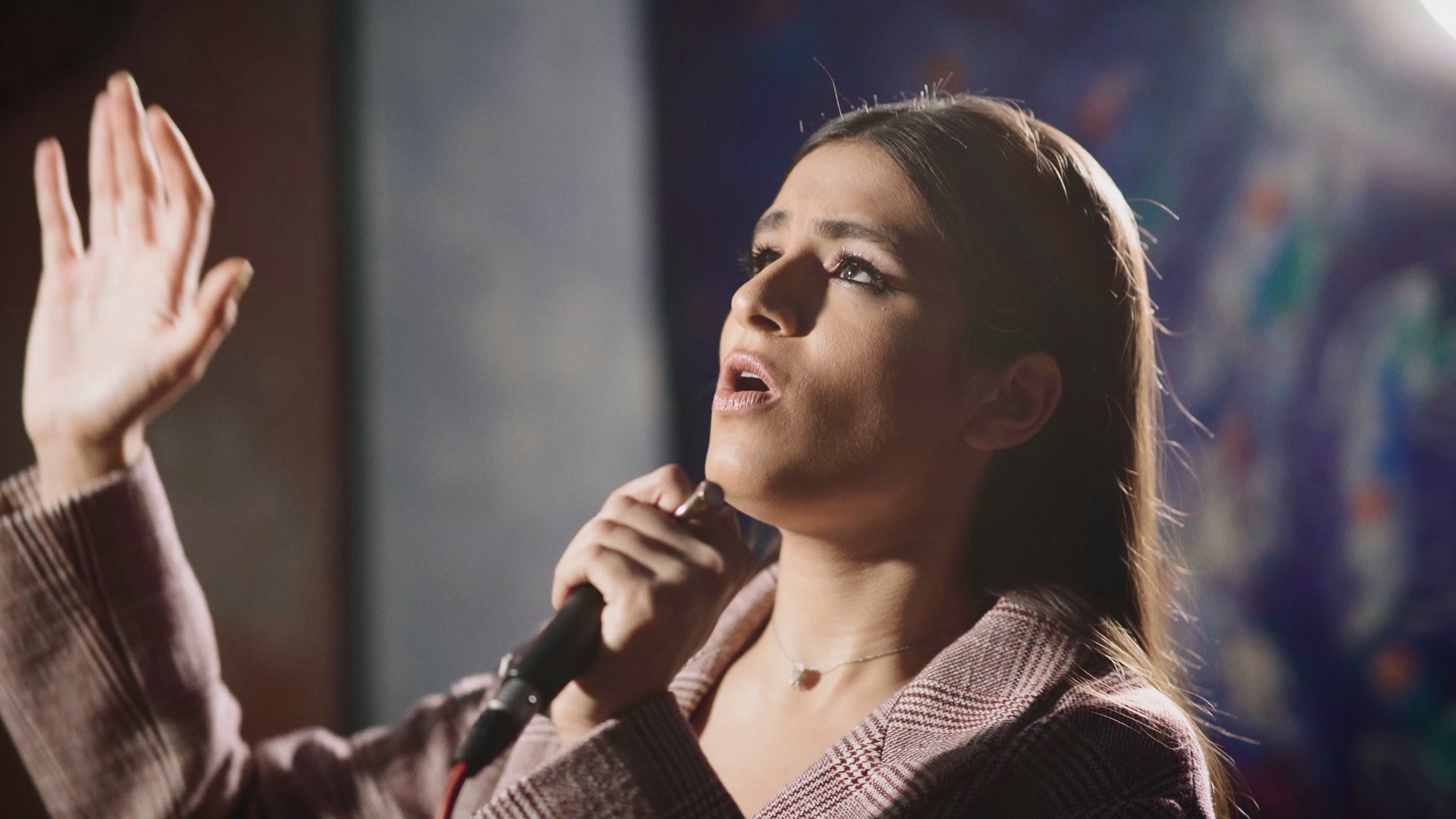
Three cameras collect complementary views at the same time. On the RIDI shoot, the wide preserved the full body performance and painted room; the medium held expression and microphone movement; the handheld operator moved in for intimate details, profiles and direct looks.
The important benefit is not simply “more footage”. It is connected footage. Because every camera records the same take, a cut can move between scale and emotion while the performance remains authentic.
Give every camera a clear role
Adding cameras without a plan can create three versions of the same shot. A useful multicamera layout starts by assigning coverage.
The locked wide is the safety angle. It sees the complete performance, establishes the environment and gives the edit somewhere reliable to return. The locked medium moves the viewer closer but remains stable enough to carry a full phrase. The handheld camera is the expressive layer, reacting to the performer and changing height, distance or side as the song develops.
This division also helps a single operator manage the setup. Once the fixed frames, exposure, focus and recording are checked, attention can move to the handheld camera while the other two continue protecting the take.
How multicamera coverage changes the performance
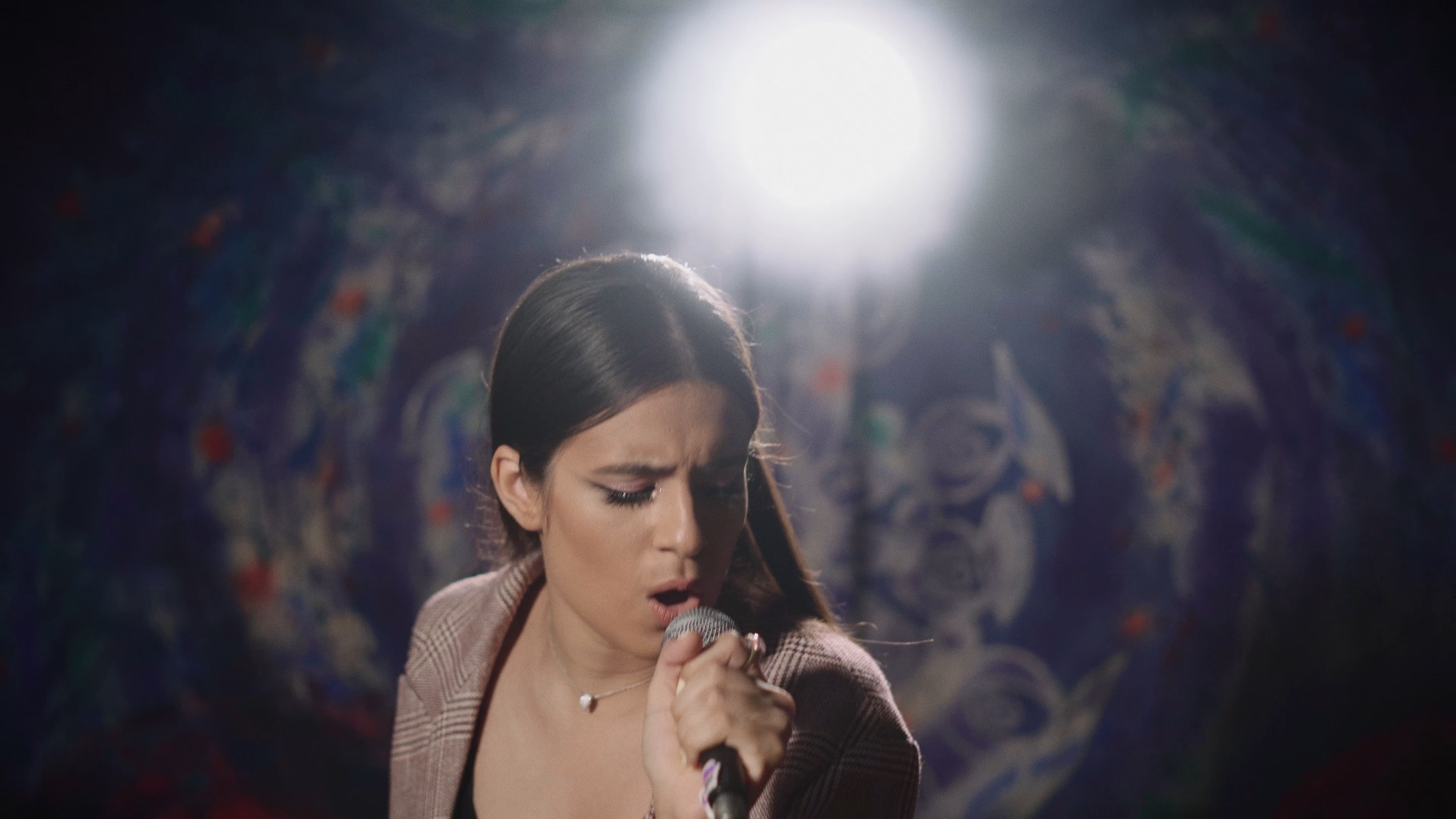
An artist can build a relationship with more than one lens. A direct look to the handheld camera feels private; a turn toward the medium camera changes the energy; a movement across the wide reveals the full physical performance.
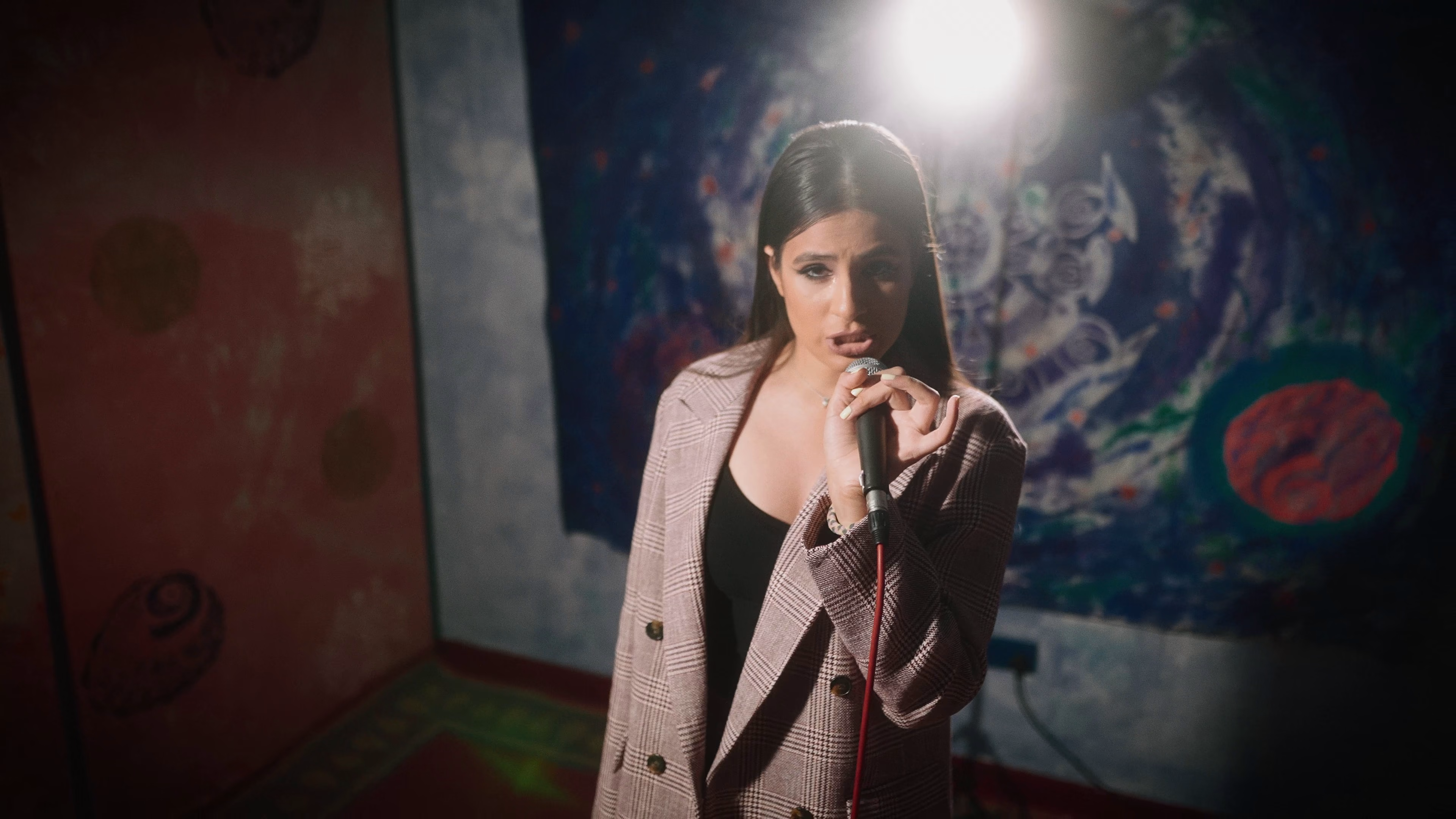
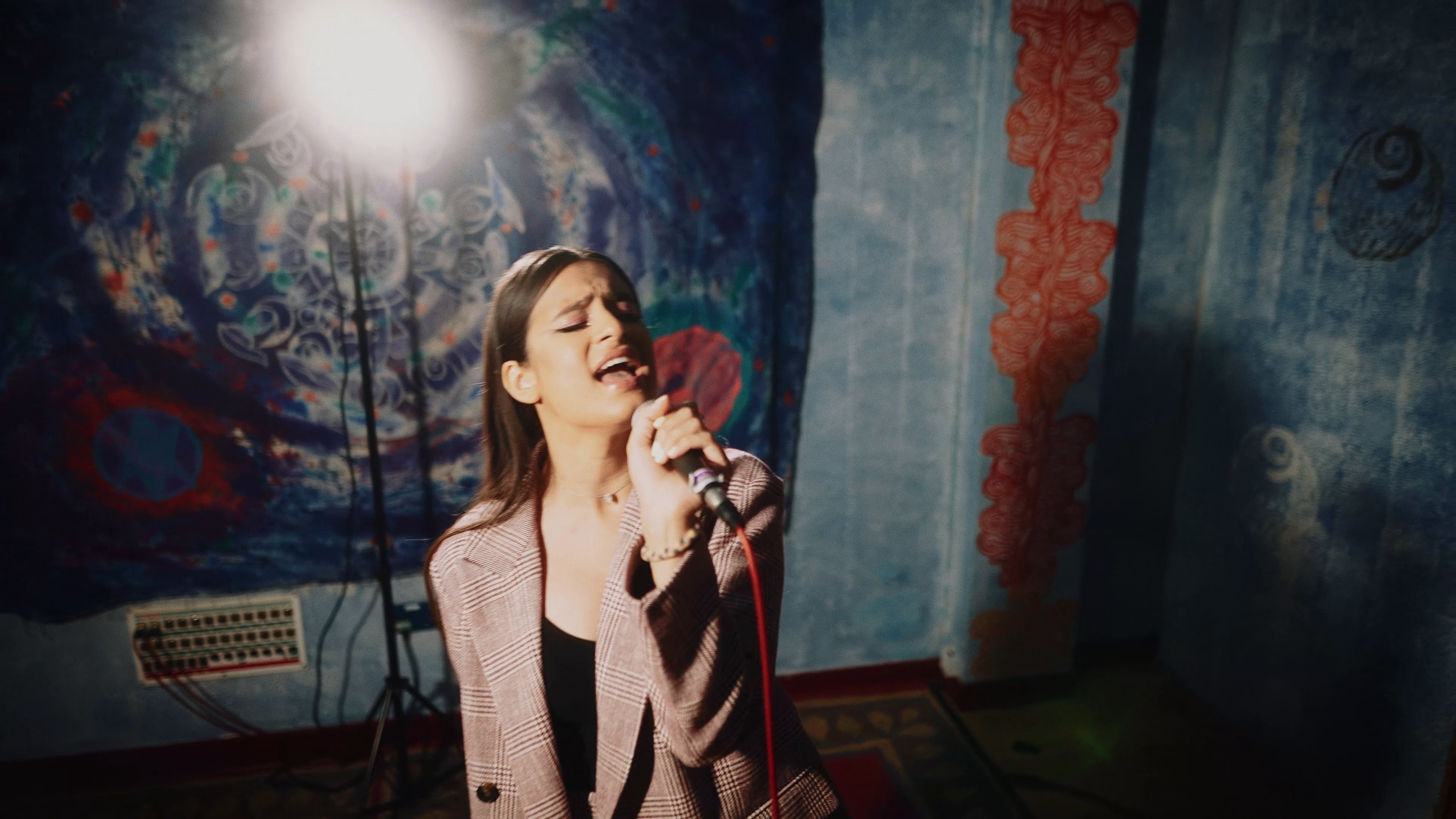
RIDI used that space naturally. The microphone cable, tailored pink styling and hard overhead light gave her clear graphic shapes to work against, while the cameras offered different audiences inside the same room.
This is particularly useful for emotionally exposed material. RIDI has described “Creep” as important because it was one of the first songs she sang at a school recital before finding her confidence. Her cover also makes room for the imperfect and awkward parts of a person. The filming needed to stay close enough to hold that vulnerability without over-directing it.
Match the cameras before the first take
Multicamera editing becomes distracting if colour, shutter, frame rate or exposure shifts dramatically from angle to angle. The cameras do not have to be identical, but they need to be configured as one system.
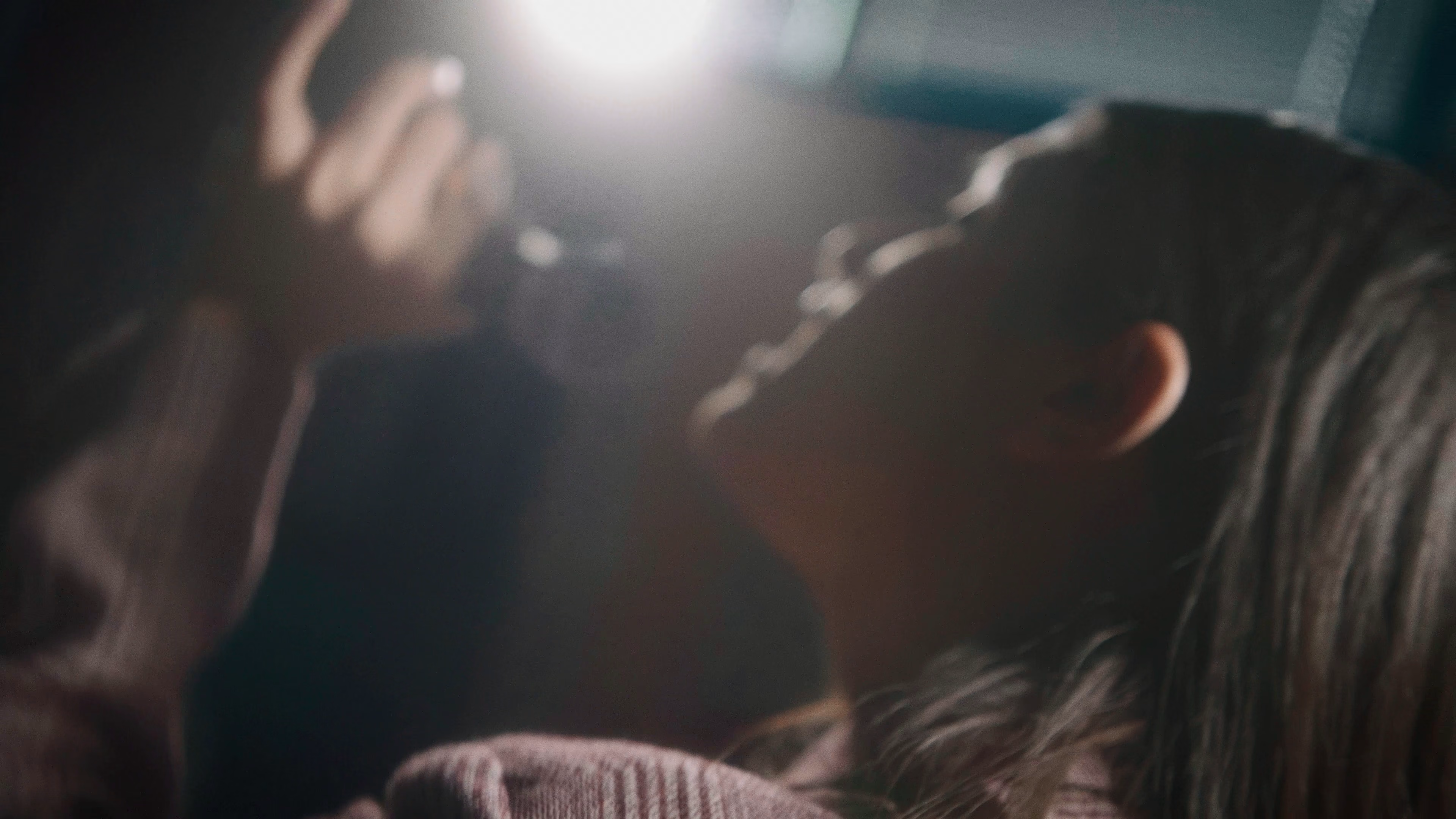
White balance and exposure were aligned for the mixed colours of the painted set and the powerful backlight. The fixed cameras also needed safe focus for the area in which RIDI would perform, while the handheld view could respond more closely to her movement.
Sound or a clear visual marker makes synchronisation faster in post. Cards, batteries and recording limits need checking too: a locked camera that stops halfway through a strong take is not a safety angle.
Use one location at more than one scale
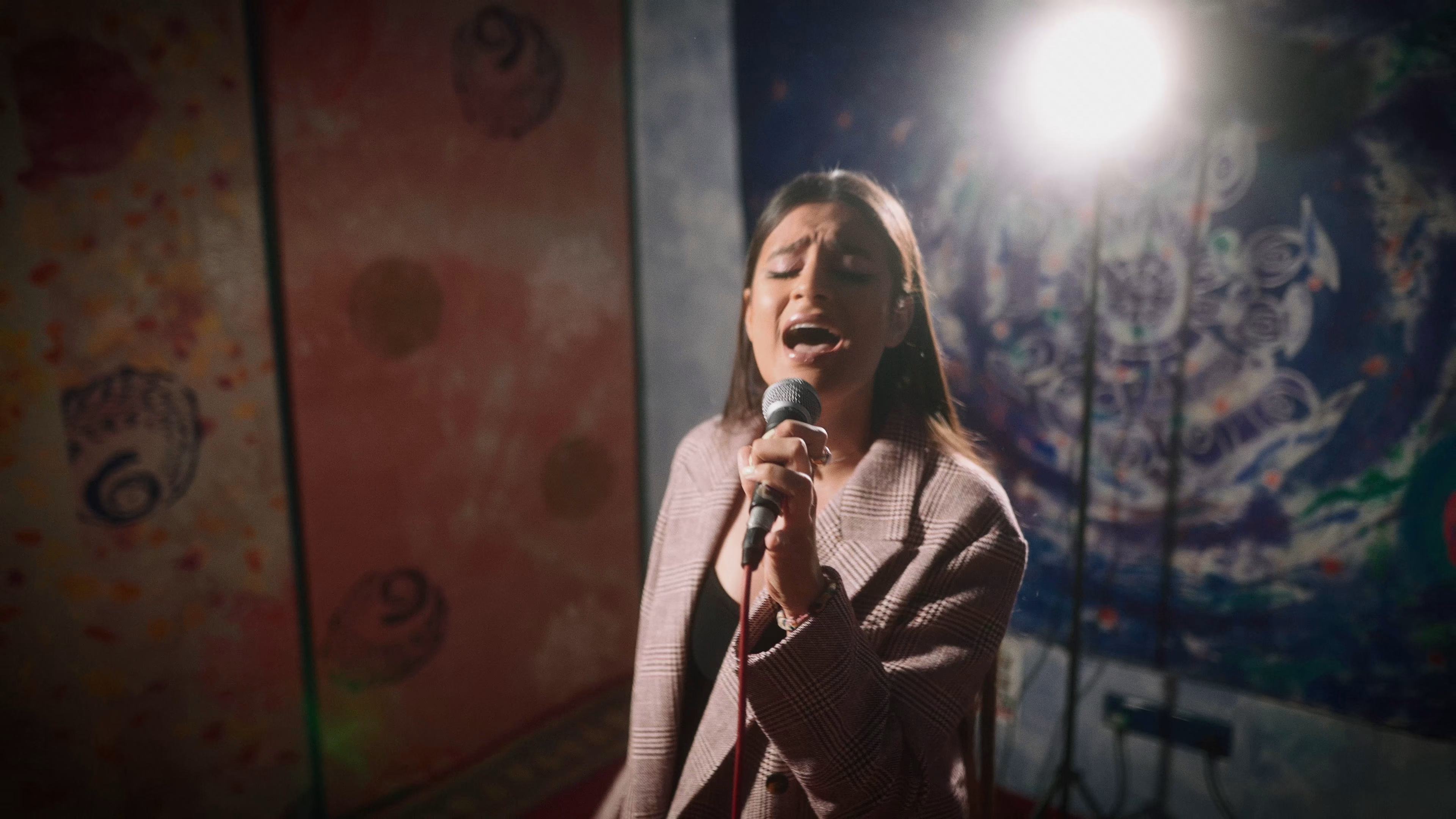
The London studio’s painted walls, patterned carpet and strong blocks of colour did much of the production-design work. Wide frames let the audience read the complete environment. Medium shots simplified it into shape and colour, while close-ups turned the murals into abstract texture.
That variation prevented the one-room performance from feeling visually static. A location does not always need several physical sets; it needs angles, light and blocking that reveal different qualities as the song progresses.
The overhead lamp became another storytelling tool. It separated RIDI from the blue wall, created silhouettes in profile and supplied a visual centre that could be repeated across camera positions.
What does multicamera give the editor?
The footage bank is both larger and more efficient. Every completed take contains a continuous wide, medium and active close perspective, so the edit can prioritise performance instead of hiding continuity problems.
It also provides options for supporting content. Alternative cuts, teasers and short vertical excerpts can draw on angles that may not dominate the main video. A close reaction can lead a social clip, while the wide can establish the set before the frame crops vertically.
Multicamera does require more organisation in post. Files must be labelled, synchronised and reviewed as groups. Done properly, that preparation repays itself in speed and flexibility once the creative cut begins.
Planning your own London performance video
Start with the performance and intended outputs. If the artist needs a continuous live take, has limited time in a studio or wants several social formats, simultaneous coverage may be the most dependable choice.
Then decide which angle must never be lost. Build the wide and medium around that requirement before choosing where a handheld or moving camera can add energy. Leave enough space between views that each cut has a reason to exist.
Our London music videographer service covers studio performances, narrative music videos and social content across London, Essex and the wider UK. You can watch the RIDI “Creep” multicamera case study, explore more work in our video portfolio, or talk to us about your next release.