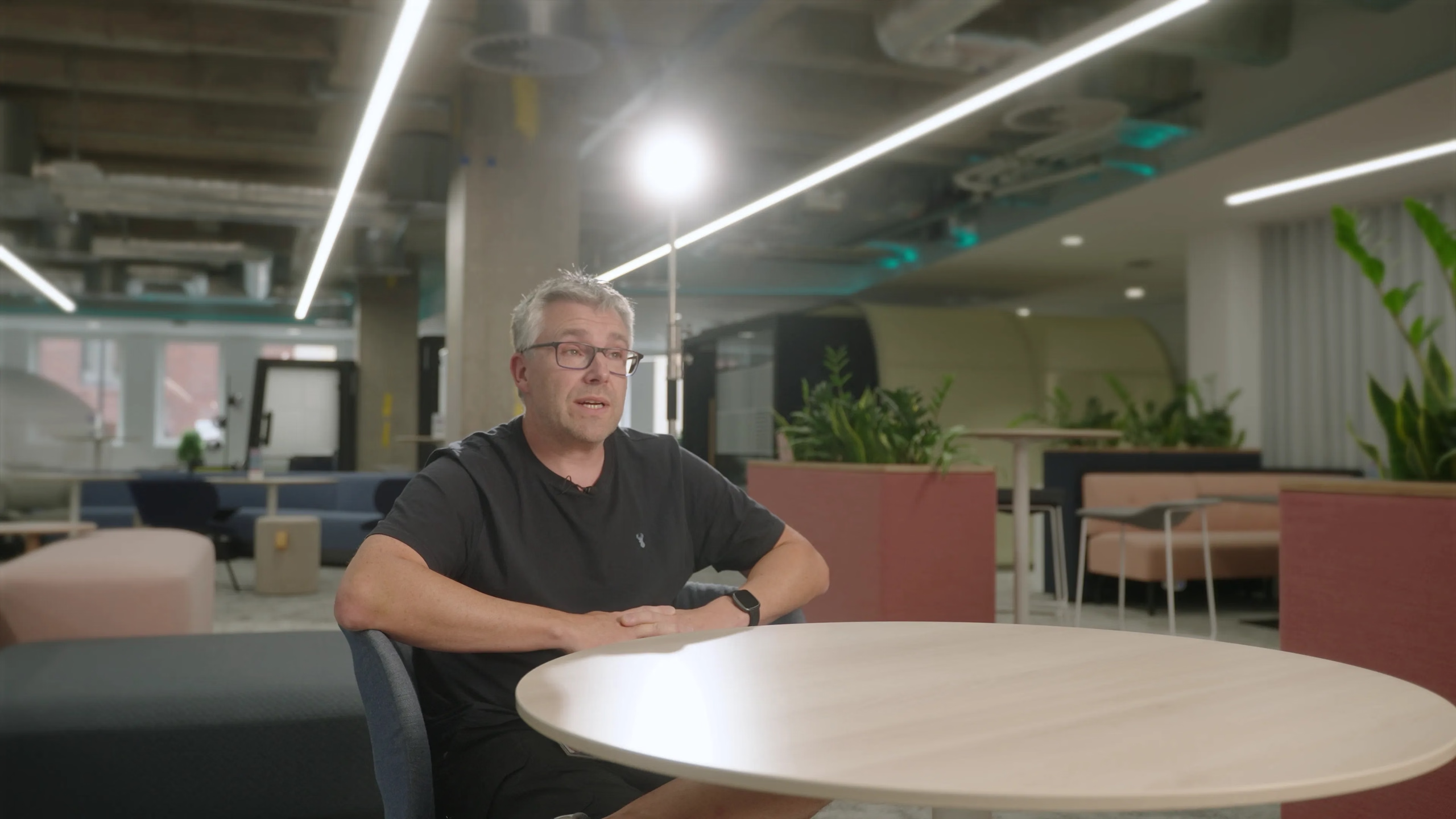
Why a client testimonial video needs more than a talking head
A well-recorded interview provides authority, but a continuous shot of one person rarely communicates the scale of an industrial project. Viewers also need to understand where the work happened, what the organisation produces and how the subject connects to everyday operations.
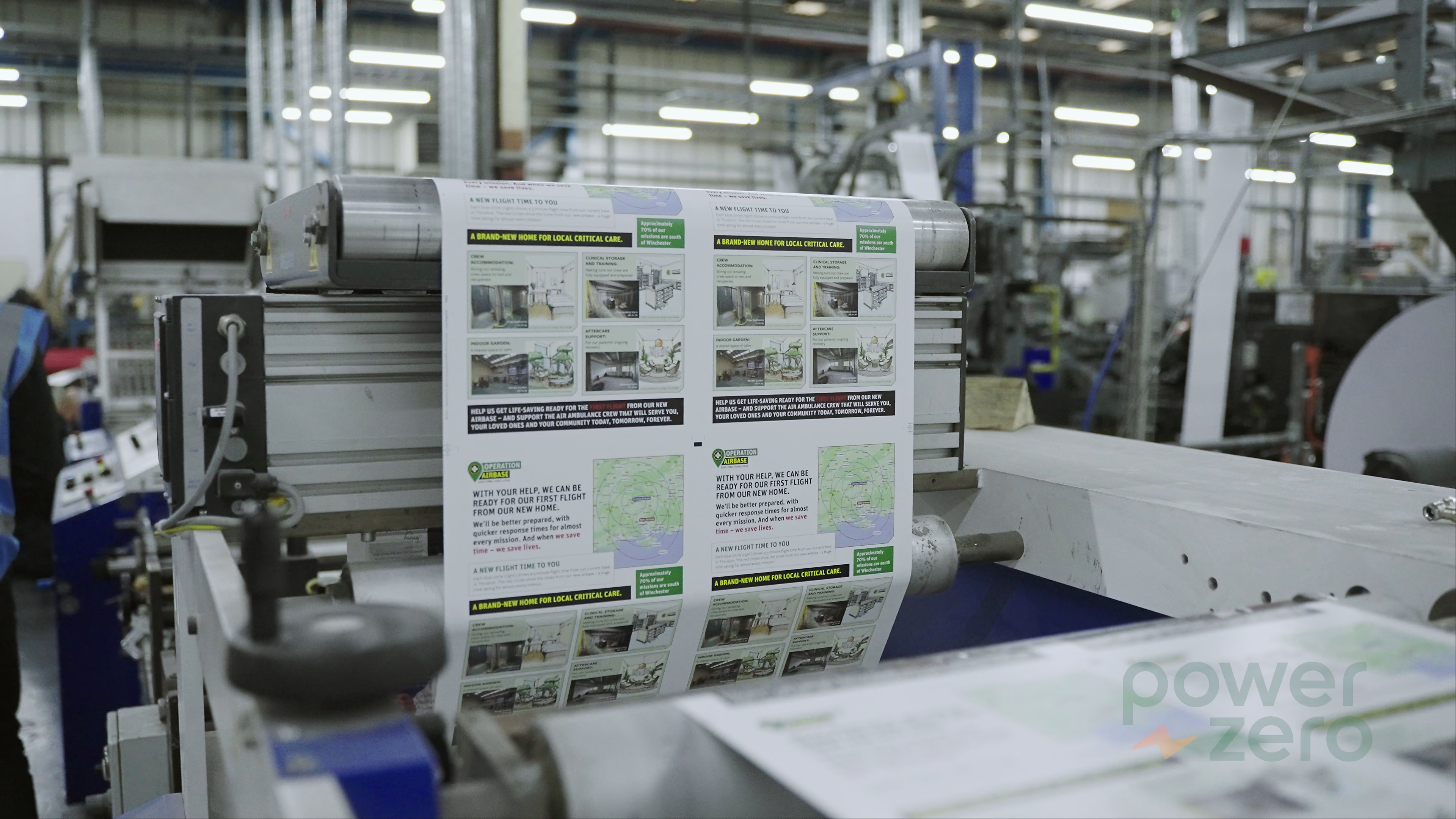
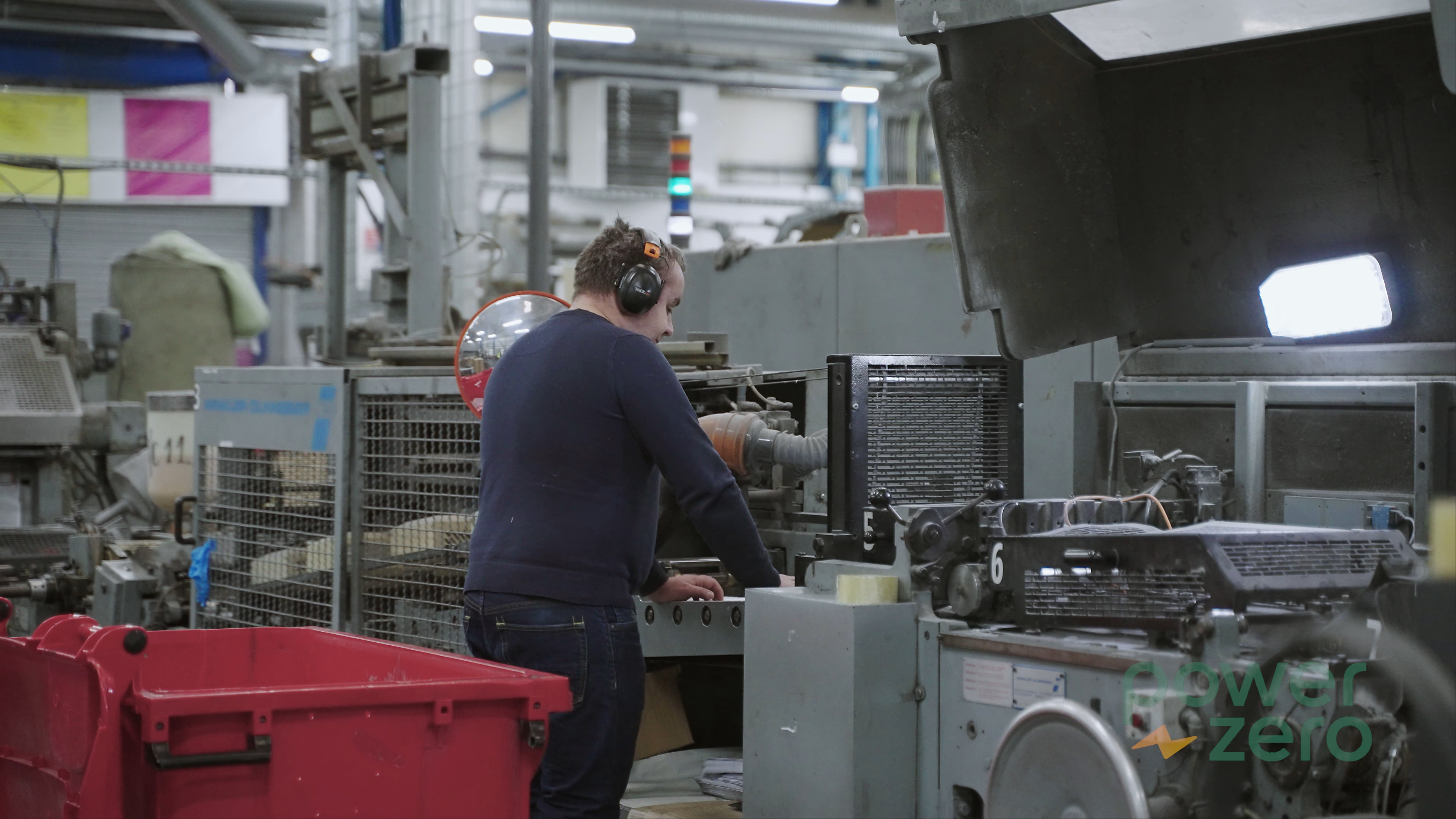
At Mail Solutions, this meant filming production lines, printed material passing through machinery, warehouse stock and staff at work. These sequences were not decorative cutaways. They gave the editor specific visual answers for comments about energy demand, manufacturing efficiency and long-term investment.
For businesses commissioning corporate video production, it is useful to prepare interview questions and a visual evidence list together. If a speaker mentions a process, product, facility or measurable change, plan to film it.
How we structured a four-hour manufacturing video shoot
Short industrial shoots reward a deliberate order of work. The interview needs a quiet, visually relevant setting and consistent lighting, so we established that setup early. Once the testimonial was secured, the camera could move more freely through the operational areas without risking an unfinished central narrative.
We then worked from broad context to specific details: exterior and warehouse views, wide images of the factory floor, medium shots of operators and finally close-ups of materials and machinery. That range gives an editor several ways to control pace and bridge between sections of speech.
Using one professional videographer kept the production footprint small inside a working site. It also made it easier to adapt quickly as machinery, access and factory activity changed during the visit. The priority was to record authentic operation safely, without asking the facility to perform an artificial version of its work for the camera.
Using drone footage to explain a commercial solar project
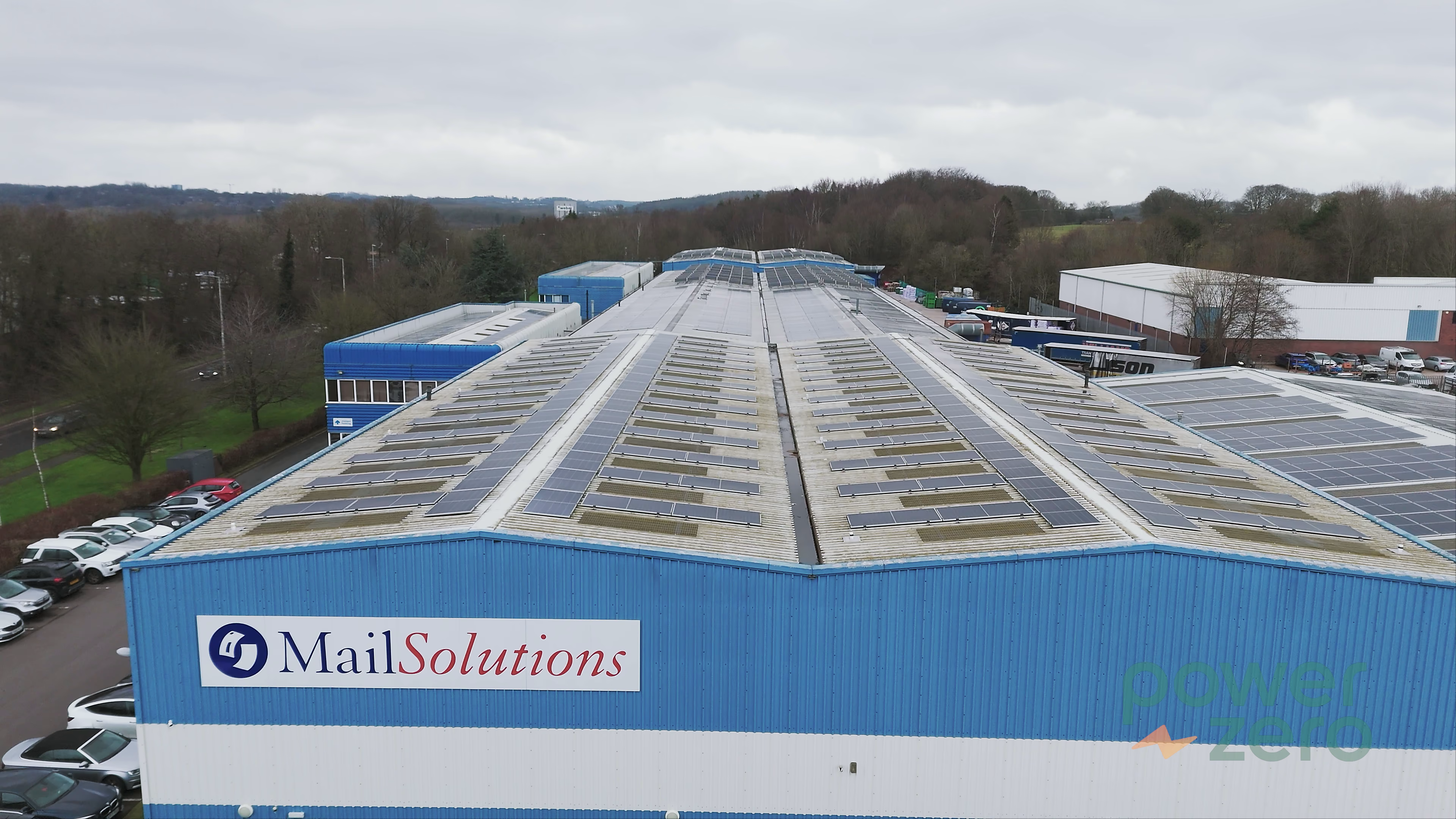
The solar array was central to Power-Zero’s story, but most of it could not be seen from ground level. Commercial drone filming services allowed us to show the installation across the roof, establish the size of the Telford site and connect the renewable-energy system with the manufacturing plant below.
Power-Zero’s published case study describes a 600kWp installation expected to generate 541,140 kWh annually and meet 16.3% of the site’s electricity demand. Aerial footage translated that data into an immediate visual impression. Long passes along the panel rows and higher establishing views made the scale legible before the interview explained the commercial detail.
Drone shots are most useful when they answer a question that ground cameras cannot. Here, that question was simple: what does a solar installation of this size actually look like on a live manufacturing site?
Building a reusable business footage library
The immediate deliverable was a Power-Zero client testimonial, but the filming plan looked beyond a single edit. We captured enough variety for shorter campaign cut-downs, social posts, presentation sequences and future videos about Mail Solutions’ production environment.
This is especially valuable for manufacturing companies because arranging site access, safety coordination and filming permissions takes time. A considered shot library reduces the need to repeat that work every time a new piece of content is needed.
Useful libraries contain more than attractive hero shots. They need clean establishing views, recognisable branding, people performing real tasks, process sequences with a beginning and end, and neutral footage that can sit beneath different messages. Capturing those categories intentionally makes the material easier to reuse months later.
From first edit to client approval
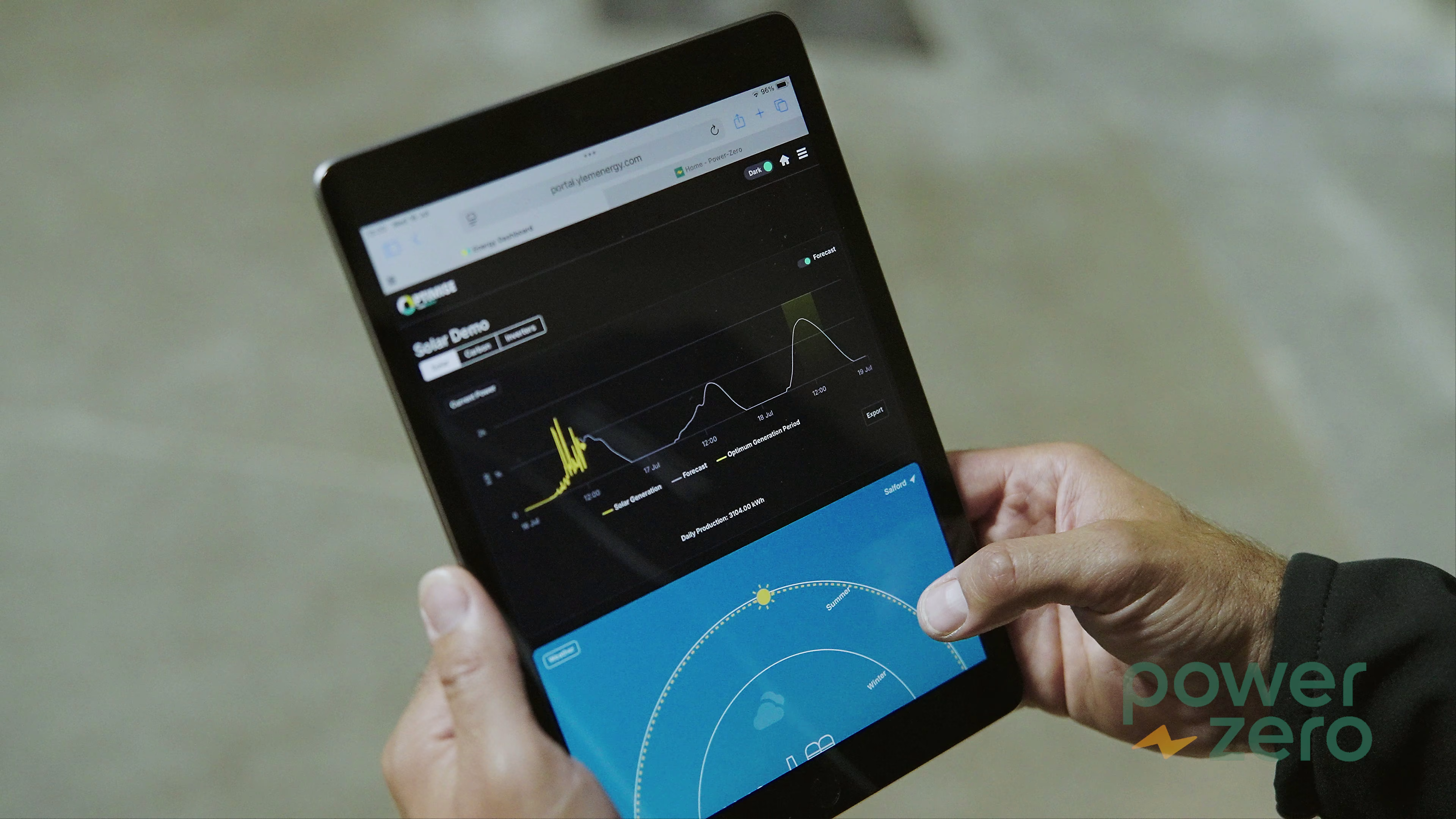
After filming, we assembled the testimonial around the clearest parts of the interview and supported each section with relevant factory, monitoring and aerial footage. The first edit was sent to the client for review, amendments were incorporated and the approved film was delivered for publication.
A straightforward review route matters when a project involves an agency or service provider and its customer. Agreeing who consolidates feedback helps protect the narrative and avoids contradictory changes. It also makes approval faster because every stakeholder is reviewing the same version against the same objective.
You can watch the complete Mail Solutions and Power-Zero testimonial case study and see the interview, manufacturing cinematography and rooftop drone footage together.
Planning an industrial client testimonial
Before bringing a videographer onto a manufacturing site, identify the person best placed to speak, the business decisions the film must explain and the visual evidence available on location. Share access restrictions, safety requirements and any machinery schedules in advance.
The Camera Guys produces client testimonials, case studies and industrial films across the UK. Our professional videographer services can combine interviews, operational coverage and aerial footage within one coordinated production. If your customer has a result worth documenting, talk to us about a testimonial video.