Begin with the marketing job the film needs to do
Before choosing lenses or writing a shot list, it helps to define the decision the video should support. For a pumpkin-picking event, viewers are not only asking whether pumpkins are available. They want to know whether the visit will feel enjoyable, whether there is enough to keep children interested and whether the setting is worth making part of an autumn day out.
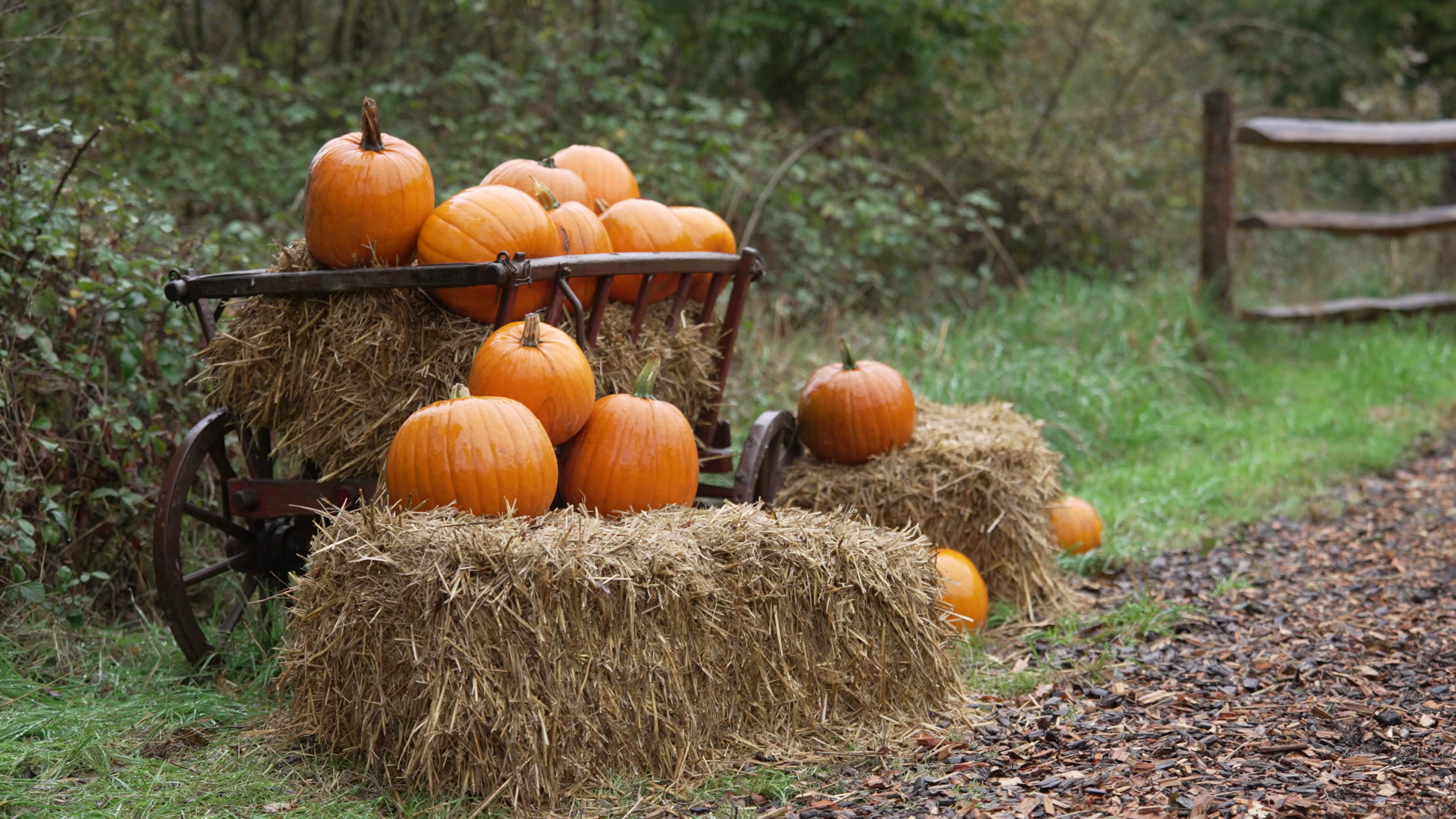
That changes the filming priorities. A row of pumpkins proves the product exists, but people exploring, choosing and carrying their pumpkins communicate the experience. Establishing images show the scale of the location, while closer details make the day feel tangible.
Good event videography in Berkshire starts with that audience question. The camera plan should answer it visually rather than relying on a caption to explain everything afterwards.
Turn the visitor route into a practical filming schedule
Wasing’s pumpkin event extends beyond the field. Visitors collect a wheelbarrow, encounter seasonal details and installations through the woodland, and then reach the area where they can choose a pumpkin. That progression gives a solo videographer a useful structure.
Instead of moving randomly between attractive scenes, the operator can build small groups of related shots at each stage: a wide view to establish the area, a medium shot to show people using it and close details that will help the edit move smoothly. Once those three layers are secure, it is easier to continue along the route without repeatedly retracing steps.
The schedule should also consider light, visitor numbers and access. A quiet scene may be easiest to capture before the busiest period, while genuine reactions need enough families on site to make the attraction feel alive. Planning is not about removing spontaneity; it creates the space to notice it.
What changes when the client books one videographer?
A single operator has to protect the essential story before chasing optional shots. For Wasing, that meant making sure the finished material could show the setting, the woodland experience, real family interaction and the pumpkin field as connected parts of the same visit.
Working alone can be an advantage when the location is spread out. A small kit is faster to reposition and less intrusive around children and families. It also lets the videographer respond quickly when a natural moment develops—a child spotting a display, a wheelbarrow being loaded or a family comparing pumpkins.
The limitation is coverage of activities happening at the same time. If a brief contains a stage programme, live demonstrations and unrepeatable presentations in different areas, an additional camera operator may be the safer choice. Crew size should follow the timetable and risk, not a fixed formula.
Film real families without making the day feel staged
Family attractions depend on recognisable behaviour. Viewers respond to the concentration involved in choosing a pumpkin, the effort of steering a wheelbarrow and the small reactions prompted by an unexpected woodland feature. Those moments lose some of their value when every person is looking at the camera.
The practical approach is observational. The videographer chooses a position, allows an activity to unfold and gathers enough variation without repeatedly interrupting it. Longer focal lengths can create natural close-ups from a respectful distance, while low and wide perspectives help the final edit reflect how the attraction feels to a child.
Consent and safeguarding still shape the work. The production needs a clear arrangement with the venue about filming notices, permissions and any visitors who should not appear. A lightweight visual style does not mean an informal approach to those responsibilities.
Capture a useful mix of seasonal and evergreen material
The obvious output is a film for the current pumpkin season, but a well-planned shoot can supply more than one campaign asset. Wide landscape shots can introduce future announcements. Details of signage, decorations and produce can support shorter edits. Visitor interactions can illustrate website pages, social posts and next year’s launch material.
This is one reason to leave room in the schedule for clean, flexible images. A shot does not need to appear in the main edit to be valuable. Clips with simple movement and uncluttered framing are often the easiest to repurpose for vertical posts, event reminders or paid social variations.
When a project sits within a broader campaign, corporate video production planning can connect the main film, shorter edits and supporting stills before anybody arrives on location.
Give the editor sequences rather than isolated highlights
A collection of attractive single shots can still be difficult to edit. The strongest short films are built from actions with a beginning, middle and end: taking a wheelbarrow, following a path, noticing a detail, arriving in the field and making a choice.
For one videographer, the solution is to think in short sequences. A wide shot introduces the action, a closer view reveals expression or detail, and a finishing shot provides a natural point to cut away. Repeating that pattern at several locations creates options without requiring multiple cameras.
Natural sound can help too. Wheels over the ground, leaves underfoot and the background energy of families add texture even when the final piece is led by music. Recording a few clean moments on location gives post-production more ways to make the audience feel present.
Plan photographs and video around the same campaign
Seasonal marketing rarely lives in one format. A landscape film may lead a website page, while portrait crops, still photographs and short clips are needed for social channels. Thinking about those uses before the shoot avoids discovering later that every strong frame leaves no room for text or cannot be adapted to a different aspect ratio.
Video should remain the priority when that is the commissioned deliverable, but brief pauses for clean compositions can create valuable supporting frames. If a campaign needs a larger stills library or simultaneous coverage, a dedicated event photographer can work alongside the videographer without forcing one operator to compromise both jobs.
See how the Wasing Pumpkin Patch film came together
The finished project uses the movement through the estate, autumn colour and genuine family activity to present pumpkin picking as a complete day-out experience. You can watch the full film and view the image gallery in our Wasing Pumpkin Patch video case study.
The case study concentrates on the creative result; this article explains the production decisions behind a compact one-videographer shoot. Together they show how the same project can answer two different search needs without repeating the same page.
You can also explore more video-production work in our portfolio.
Planning a video for your seasonal event
Start with the visitor journey, the dates when the material must be ready and the formats your campaign will need. Then list anything that can happen only once or in more than one place at the same time. Those details determine whether one videographer is sufficient or a larger crew would protect the brief more effectively.
Our videography pricing guide explains how time, crew and post-production affect a quotation. If you are promoting a family attraction, open day or seasonal event, tell us about the experience you want people to see and we can recommend a practical approach.