Choose locations that give you more than one shot
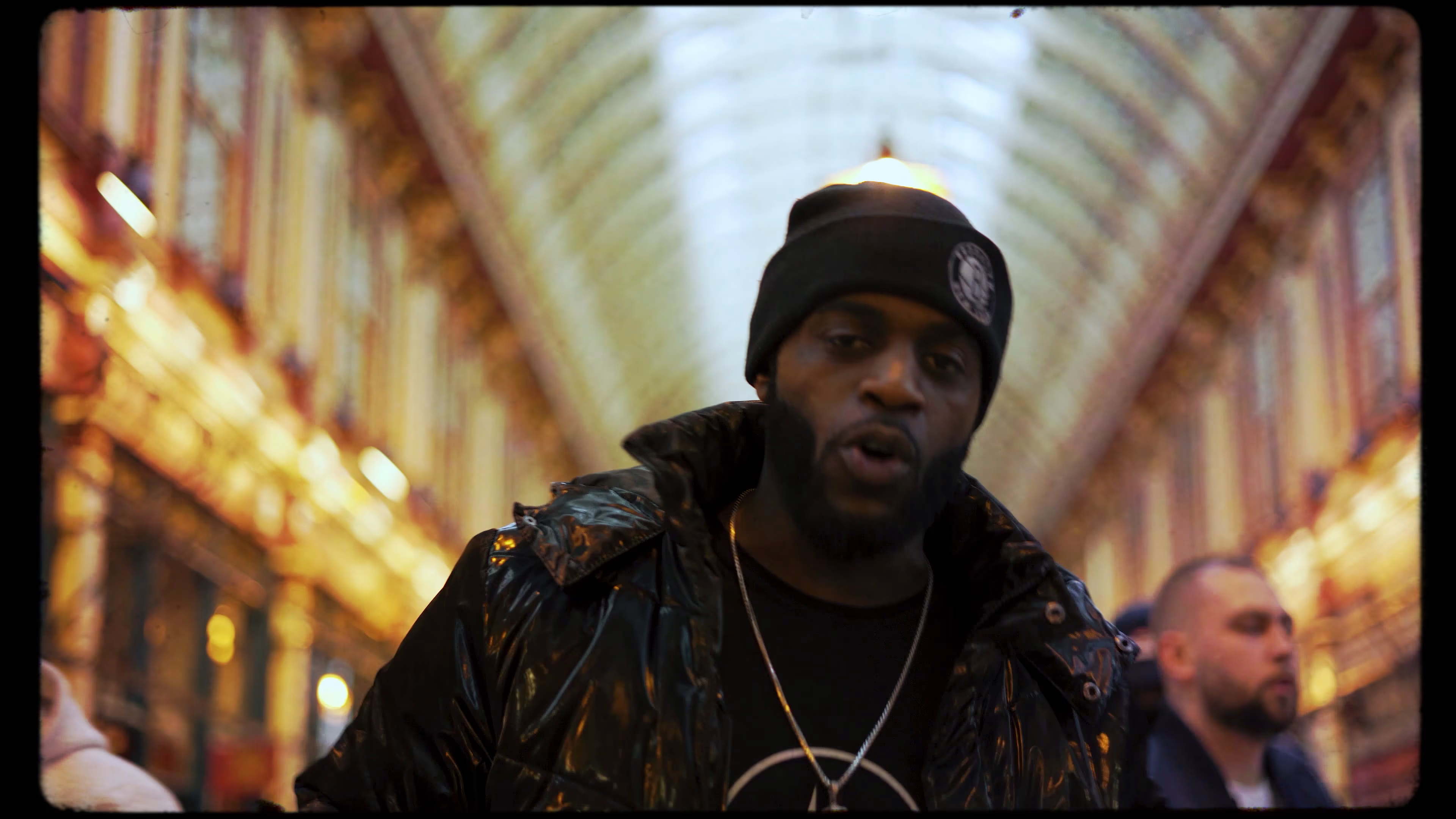
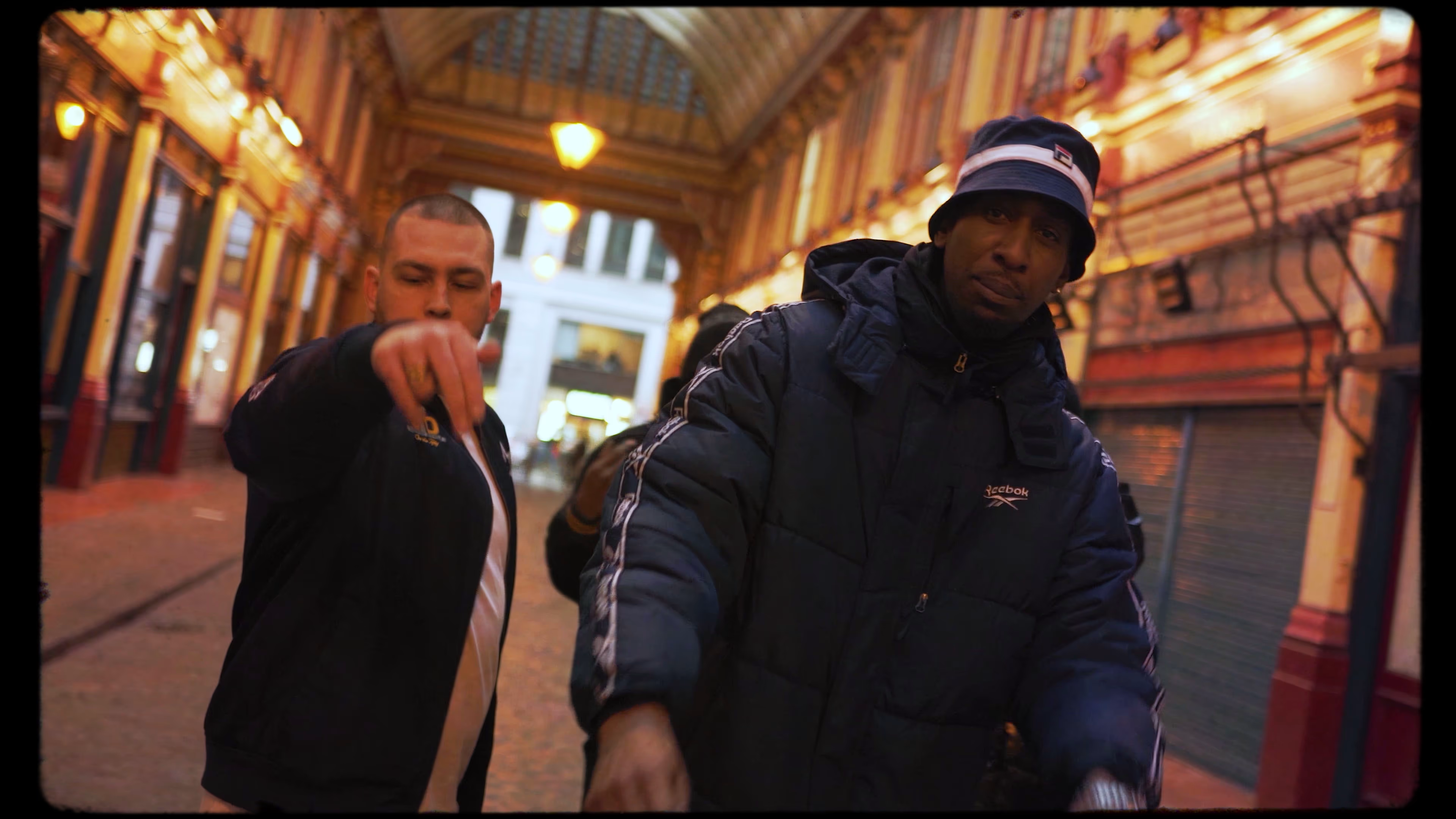
A location earns its place in a short shoot when it offers several usable views. At Leadenhall Market, the red-and-gold corner frontage makes a strong group composition, while the covered passages provide depth for individual verses. Moving closer changes the emphasis from architecture to expression without losing the setting.
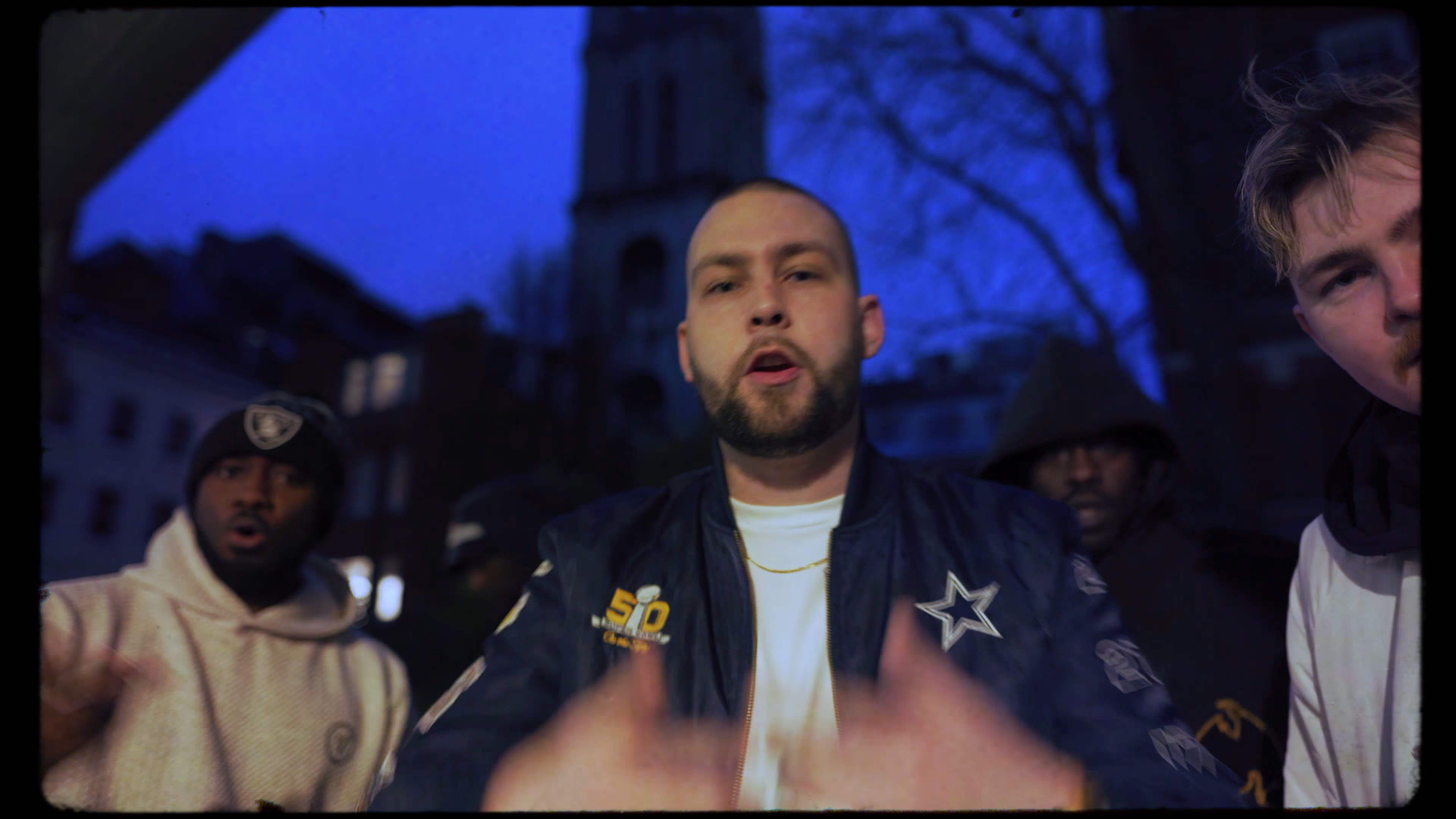
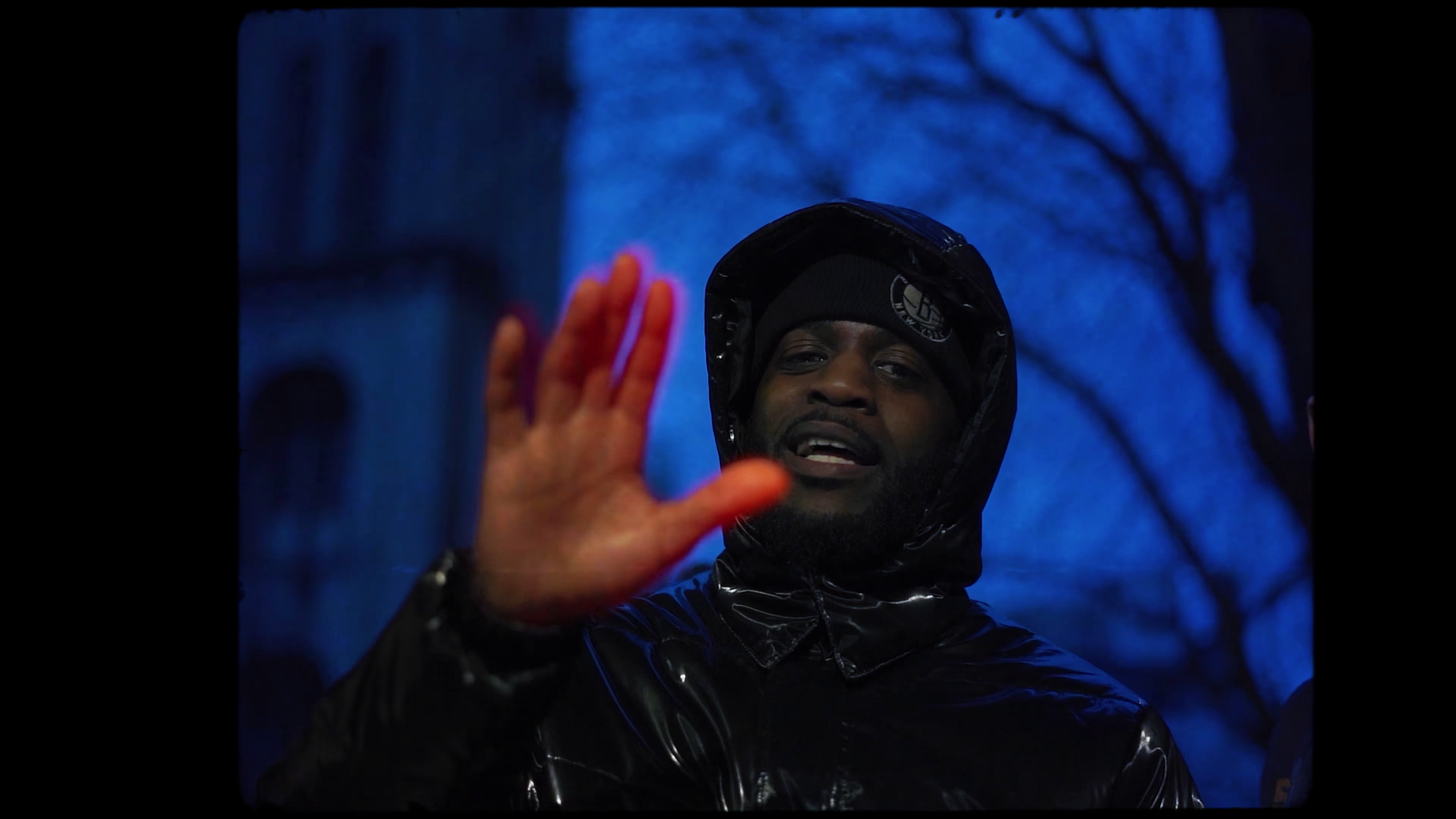
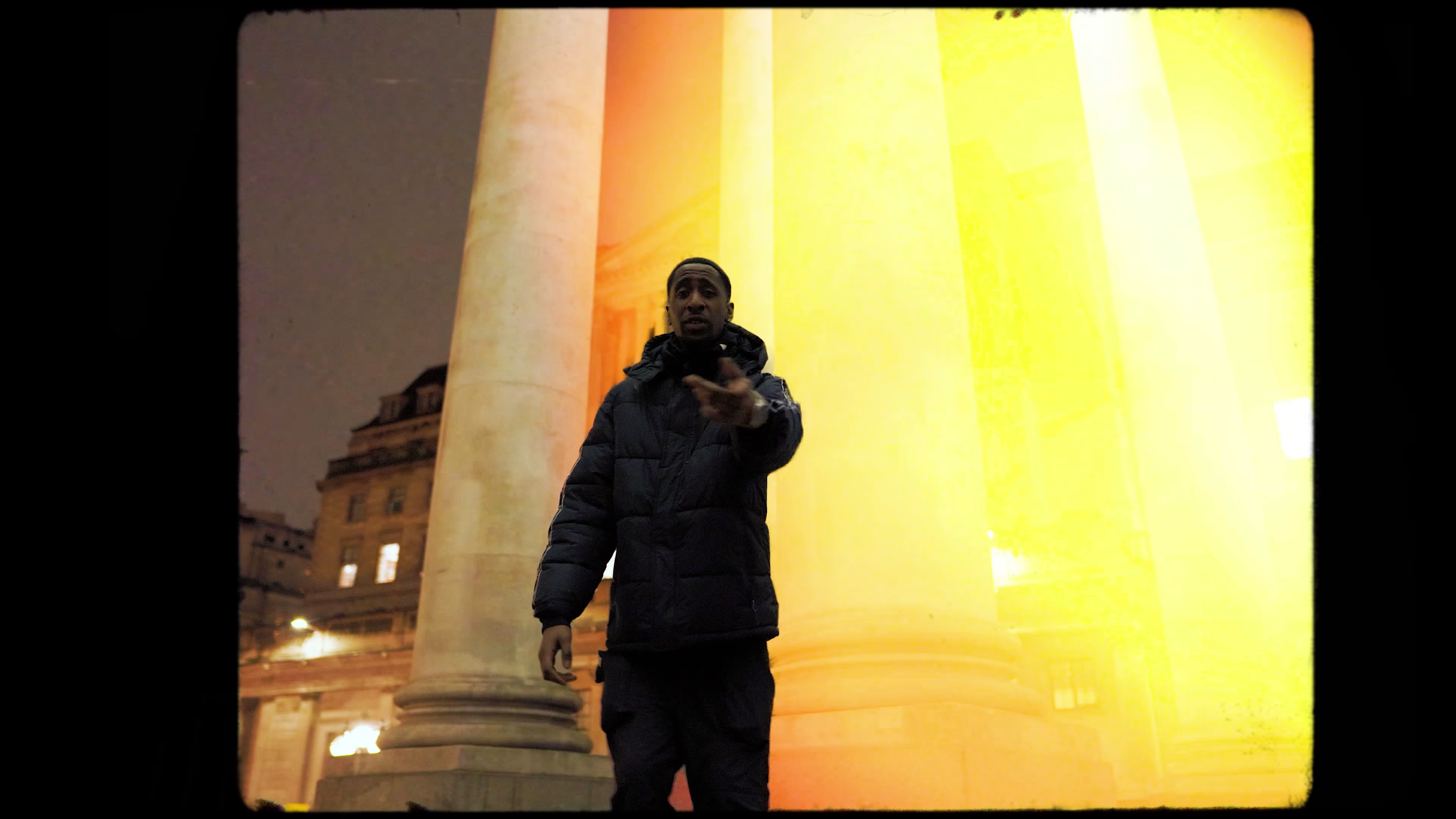
The glass roof and repeated shopfronts identify Leadenhall Market in the City of London in the supplied frames. Elsewhere, blue evening light and pale stone columns create clear visual changes. We have kept the remaining settings unnamed where the images do not establish an exact location confidently.
For a location-based music video, think in terms of useful contrasts: open and enclosed, warm and cool, wide and intimate. A long list of stops is less valuable if travelling between them leaves too little time to film.
Use handheld movement to respond to the performance
Handheld filming allows a videographer to change height, distance and direction as a performance develops. In this video, artists reach towards the lens, lean into close frames and perform together in wider views. The camera feels involved in the exchange.
That movement works best when the subject stays readable. A close shot can emphasise a gesture or expression; a wider take can re-establish the group. The contrast between those distances creates options in the edit and stops every verse looking identical.
One videographer handled this shoot. Keeping the camera operation mobile suited a booking that moved through several London settings, with plenty of the group’s personality happening directly in front of the lens.
What masking adds to a music-video transition
A mask controls which part of an image is visible. In a transition, that can let one shot appear around a performer or behind a moving edge, rather than replacing the entire frame at once. The work often involves following that edge as it changes from frame to frame.
“Everything Is Never Enough” involved extensive masking and transition work. The important planning lesson is to give those effects useful material: clear movement, a readable subject and enough of the action on either side of the cut. A transition needs somewhere to begin and somewhere to land.
This does not mean every camera movement has to become an effect. The uninterrupted performance is what gives the more elaborate moments their context.
Make different locations feel like one film
Warm market lighting and blue exterior scenes can make a video feel varied, but the edit still needs to hold them together. Returning to familiar performers, matching the energy of adjacent shots and letting the track guide the pacing helps the locations belong to the same piece.
Here, the finished frames also show light-leak treatments and a textured film border. Those treatments sit alongside the masking and transitions as part of the visual finish. They add colour and movement while the performances carry the track.
Scope the shoot and the edit together
If you are planning a similar production, discuss the level of post-production before settling the filming schedule. Show examples of the transitions you like, agree which effects matter to the concept and allow filming time for the coverage they need.
This project was a five-hour, single-videographer booking. That is a record of this shoot, rather than a promise that every multi-location music video fits the same window. The number of performers, travel between locations and complexity of the idea all shape a practical plan.
Explore the Everything Is Never Enough London music video case study for the finished film and selected frames, or see the wider New Guardz music video collaboration. For your own release, our music video production services cover the idea, filming and edit.