
How Many Photos Should You Expect From a Professional Shoot?
If you book a photographer for half a day, should you expect 50 finished photographs? 200? Every frame they take?
There is no useful universal number.
A headshot day might produce one carefully selected portrait per person. A product shoot could be built around a fixed list of angles. An event photographer might return hundreds of genuinely different moments because the subject changes constantly.
The better question is:
Will the finished gallery contain the photographs you actually booked the shoot to get?
That sounds less satisfying than a nice round number, but it is much more useful when you are comparing quotes.
Three shoots, three completely different answers
Imagine these three briefs.
A team of 25 people needs new headshots
If the brief is one approved portrait per person, the core delivery is 25 finished photographs.
You might also ask for two expressions per person. Now it is 50.
If every portrait is then supplied as a square LinkedIn crop and a wider website crop, you may receive 100 files — but you still have 50 distinct photographs.
That distinction matters.
A photographer offering “100 images” is not necessarily offering twice as much photography as somebody offering 50. They may simply be describing the exported files differently.
For larger portrait sessions, decide whether the photographer chooses the finished image or whether each person selects from a proof gallery. Agree the retouching level too. One finished portrait with careful retouching is a different deliverable from ten lightly edited near-duplicates.
Our guide to planning a company headshot day covers the scheduling side of getting a consistent set across a larger team.
Twelve products need three specific views
This one can be counted much more cleanly.
If every product needs a front view, rear view and detail, that is 36 planned photographs.
Add one styled hero image for each of four product families and the brief becomes 40.
That still does not tell you how quickly they can be photographed.
A simple cardboard box against a clean background is not the same job as a reflective bottle, chrome component or transparent container. One may move through the setup quickly. The other may need careful control of reflections, repeated adjustments and more retouching afterwards.
So the useful question is not “How many photos can you take in a day?”
It is “How many products and required views can we complete to the agreed standard?”
Our product photography is scoped around the objects, finishes, angles and finished uses rather than a promised shutter count.
A full-day event needs to be documented
Now the maths stops working neatly.
An event changes continuously. A keynote speaker may produce several useful frames because their expression, gesture and interaction with the audience keep changing. A five-minute coffee break may produce nothing remarkable at all, then suddenly give you the best conversation of the day.
You can still agree priorities: speakers, sponsors, awards, groups, exhibitors, audience interaction, venue details and anything that must appear in the final gallery.
But an exact guarantee of “237 photographs” before the event happens tells you almost nothing about whether those photographs will be useful.
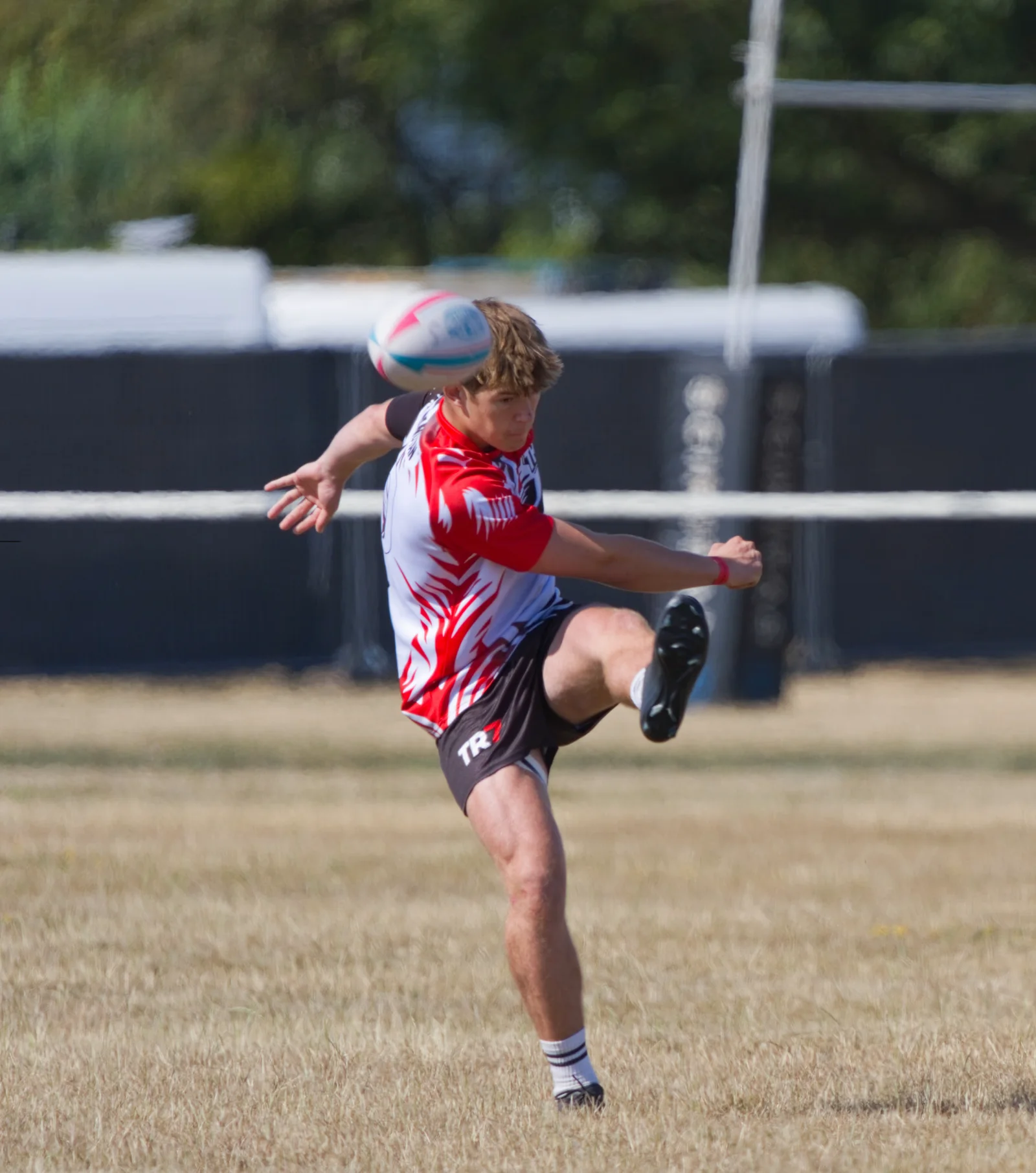
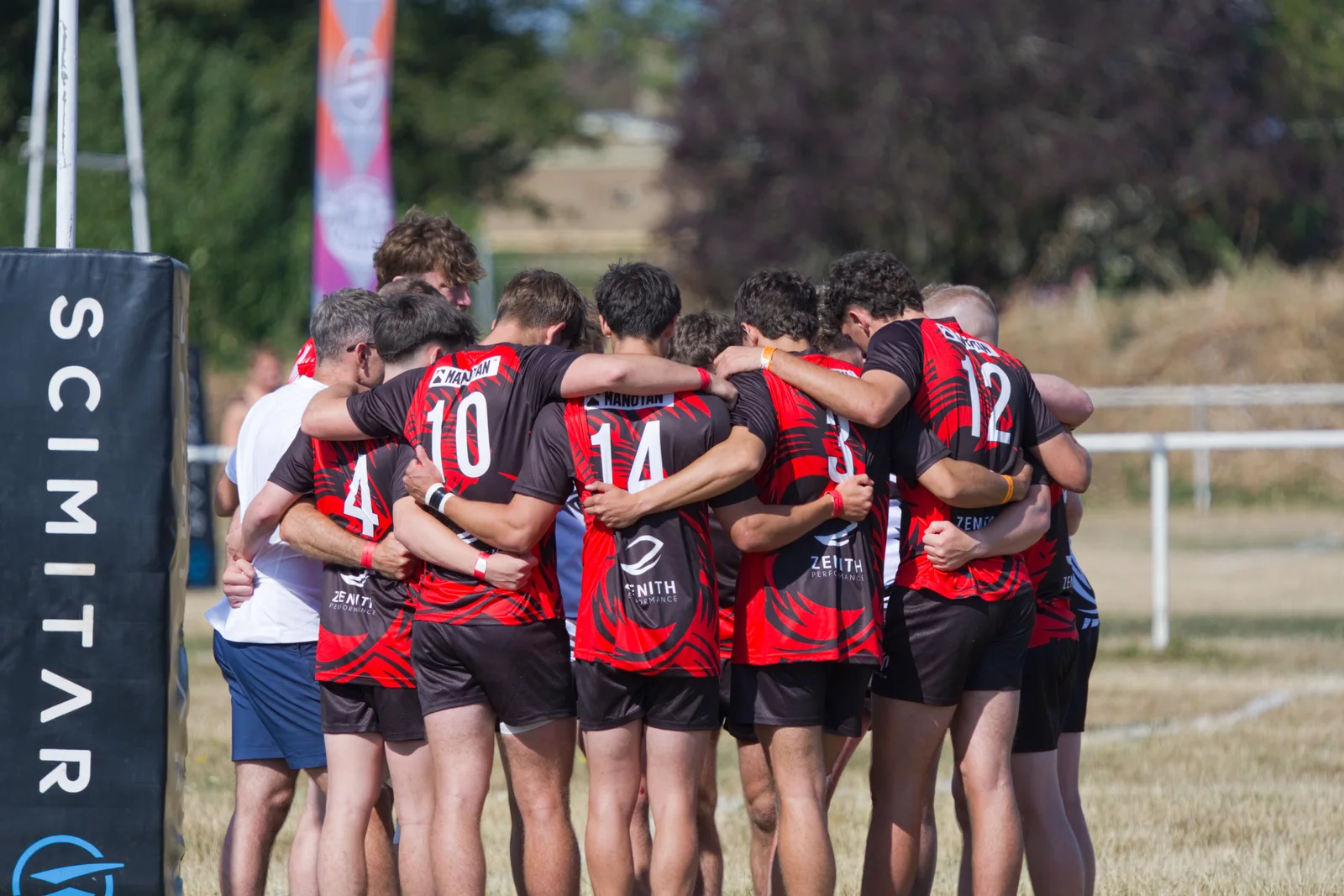
For TR7 at Hamplified, we sent a dedicated photographer alongside the videographer and delivered approximately 200 photographs from the tournament, as well as two films and a footage archive. That number came from the day and the useful material we captured; it was not a target we needed to hit by filling the gallery with duplicates. (thecameraguys.co.uk)
For an event quote, we would rather agree the coverage and give a sensible expected range than promise an arbitrary total.
A bigger gallery is not automatically a better gallery
Suppose two photographers cover the same conference.
One delivers 150 photographs.
The other delivers 350.
The second number sounds better until you open the folders.
If the larger gallery contains twelve almost identical frames of every speaker, repeated photographs of the same empty room and several weak versions of images that are already there, the extra quantity has created more work for whoever has to use them.
A good edit removes photographs that do not add anything.
That normally includes obvious technical failures: missed focus, test frames, accidental captures and expressions nobody is going to choose.
It also means choosing between near-duplicates.
If somebody is giving a talk and six consecutive frames show essentially the same expression and composition, the strongest one or two may be all the client needs. If the person changes expression, interacts with another speaker or moves into a genuinely different moment, several photographs can absolutely deserve to stay.
The aim is not to make the gallery artificially small.
It is to make every image earn its place.
When comparing photographers, ask to see a complete gallery from a comparable job, not only a portfolio of favourites. That tells you much more about how they select and deliver a whole assignment.
What does “all edited photos” actually mean?
This phrase causes a surprising amount of confusion.
A photographer might use it to mean every image that survives their professional selection.
A client might hear it as every time the shutter was pressed.
Those are not the same thing.
During a portrait, a photographer may take several frames while somebody settles into position, blinks, changes expression or looks away. During an event, a short burst may capture a fast-moving moment. During product work, test exposures may be used while lighting is adjusted.
Those files are part of the process.
They are not automatically part of the finished product.
If a quote says “all edited images”, ask what gets removed before delivery and whether the photographer provides a final curated gallery or a proof gallery for you to choose from.
You should be able to understand what you are buying without needing a photography degree.
One photograph can arrive as several files
This is another easy way for numbers to become meaningless.
Imagine you approve one staff portrait.
The photographer supplies:
- the full-resolution image;
- a smaller web version;
- a square crop for LinkedIn;
- a landscape crop for the company website;
- and perhaps a black-and-white version.
You now have five files.
You do not have five different photographs.
There is nothing wrong with supplying useful versions — in fact, that can save the marketing team a job later. Just keep distinct images and exported versions separate when comparing deliverables.
The same applies to a product photograph delivered in several sizes or with both transparent and solid backgrounds.
Ask what formats are included because you need them, not because a larger file count sounds impressive.
Proofs, finished photographs and retouched hero images
A photography quote can become much clearer when these are treated as separate things.
Proofs are images provided so you can choose. They may be lightly processed, watermarked or lower resolution. They are not necessarily the finished files you are licensed to publish.
Finished photographs are the selected images that receive the standard editing agreed for the job: colour, exposure, crop and the photographer's normal finishing work.
Retouched hero images may require more detailed work. That could mean cleaning up a product, repairing part of a background or making a careful local adjustment that is not being applied to every frame in a 300-image event gallery.
For a campaign, you may have 80 finished images but only five that receive that more involved treatment.
Define that before the shoot.
“50 edited photographs plus five fully retouched hero images” is a much clearer deliverable than “loads of edited images”.
What about RAW files?
RAW camera files are not simply better versions of the JPEGs.
They are the source material used in the photographer's workflow and normally require appropriate software and finishing before they are ready for use.
Some commercial clients have a genuine reason to request them, particularly when an internal retouching or archive workflow has been agreed in advance. Others never need them.
If RAW files matter to your organisation, say so when requesting the quote.
Do not assume they are included, and do not use “we want every RAW” as a substitute for agreeing what the finished photography needs to deliver.
For most businesses, a well-organised set of finished, high-resolution photographs in the correct colour space and format is far more immediately useful.
Think in terms of a library, not a score
The number becomes more interesting when photography is being commissioned repeatedly.
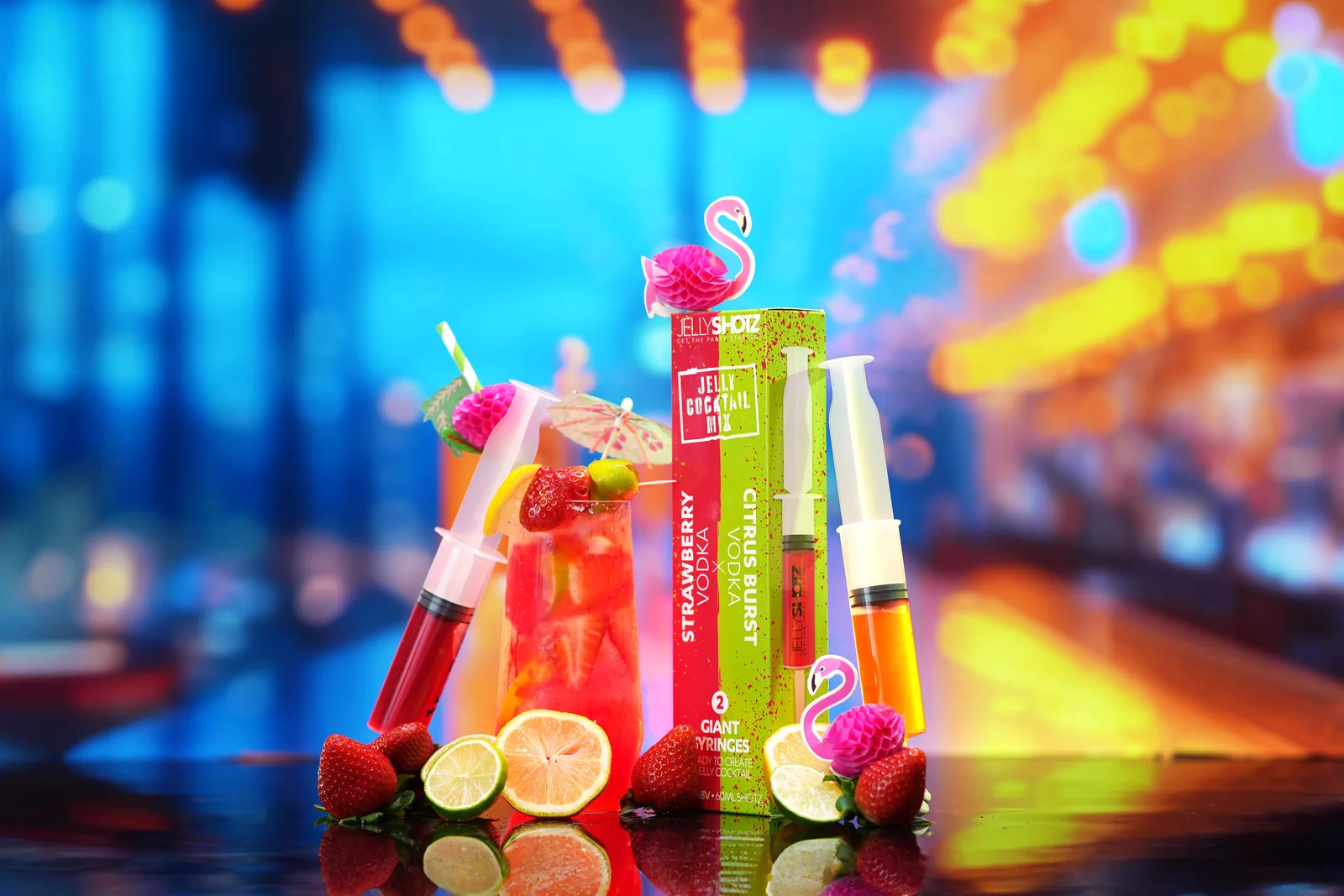
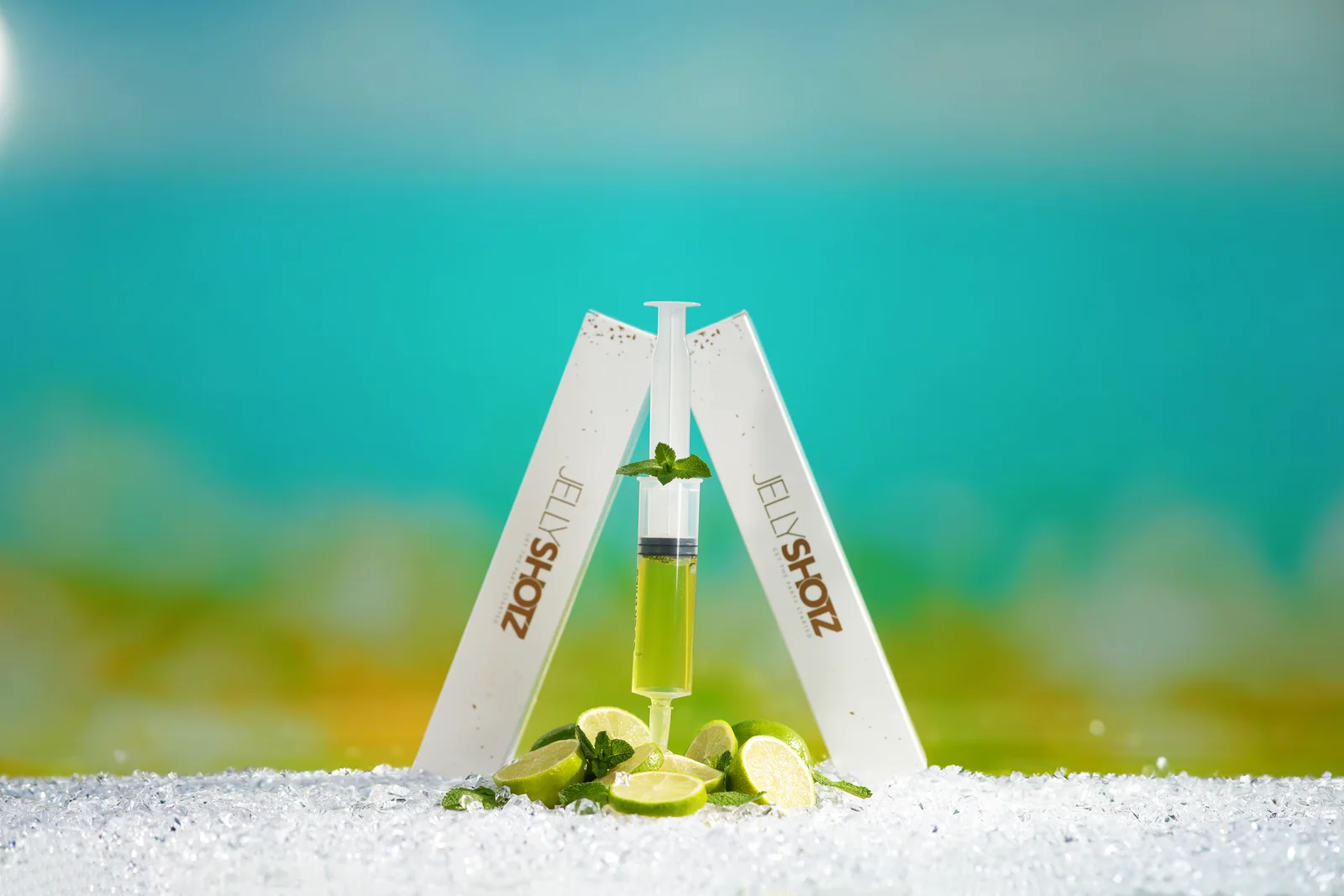
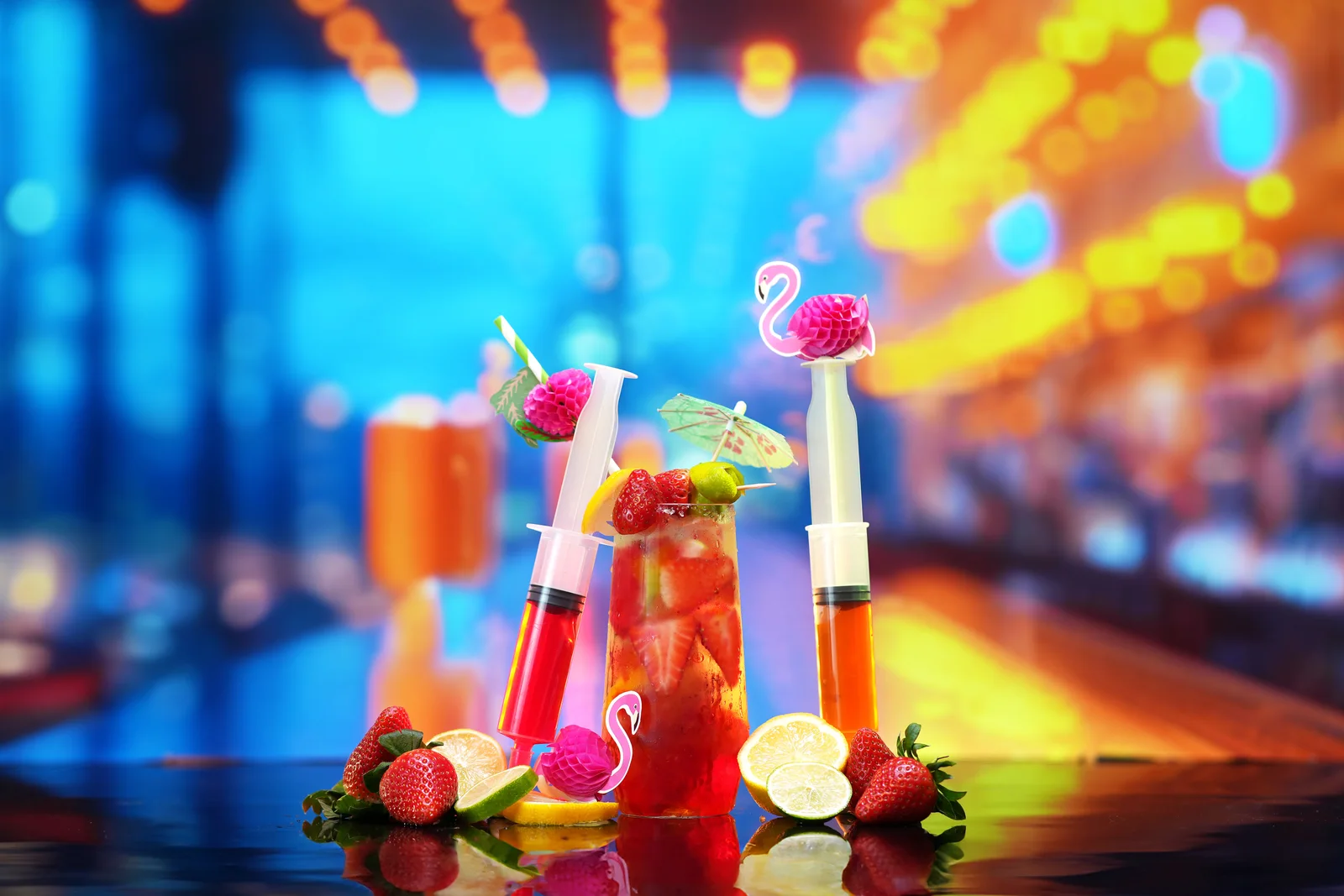
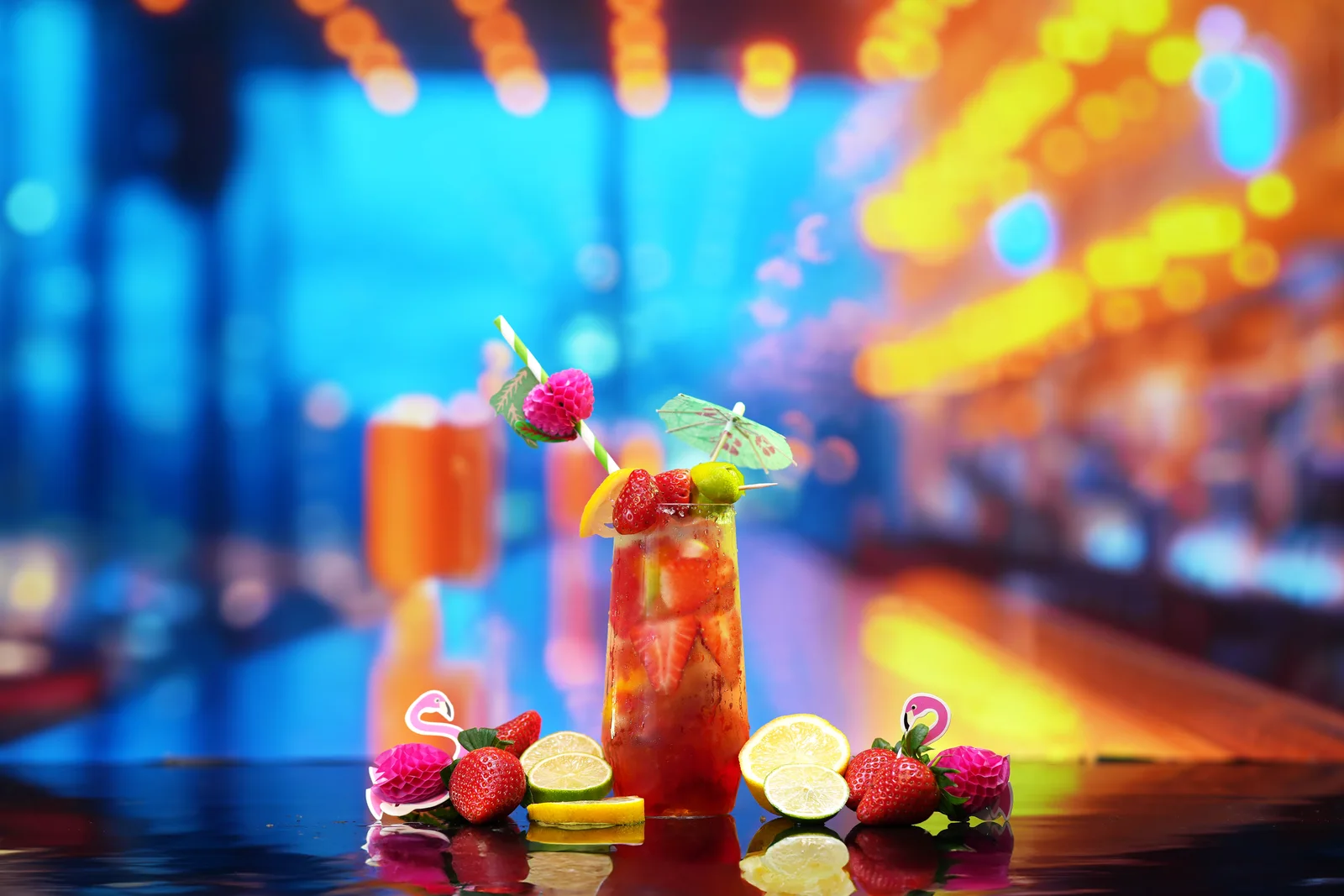
Our work with Jellyshotz eventually produced more than 200 product photographs across more than a year of working together. That included clean-background images, styled product photography and material for different ranges and uses. (thecameraguys.co.uk)
That does not mean one Jellyshotz shoot produced 200 finished photographs.
It means the brand built a substantial image library over time as new products, ranges and marketing requirements appeared.
That is often the healthier way to think about business photography.
The first shoot might establish the team portraits and workplace imagery. A later product launch adds a new set. An event contributes photographs of customers and the brand in use. The library grows because the business has something new to show, rather than because somebody decided the company needs another 150 files.
Our guide to how often a business should update its photography looks at that process in more detail.
What should actually be written in the quote?
You do not need to specify every frame before the photographer arrives, but the important deliverables should be understandable.
For a headshot booking, something like this is useful:
25 staff. One finished portrait per person, with each approved image supplied in full-resolution and square web crops. Staff select from proofs. Standard portrait retouching included.
For a product shoot:
12 products. Front, rear and detail views of each, plus four styled hero images. 40 distinct finished photographs in total. White-background and web-ready exports included.
For an event:
Photography from registration through the closing session, including all speakers, sponsor branding, awards, networking and venue atmosphere. Curated edited gallery expected to contain approximately 180–250 photographs, subject to the activity on the day.
Those numbers are examples, not package recommendations.
The useful part is the language around them.
It tells both sides what the photography has to cover, what counts as a finished image and which versions will be delivered.
So, how many photos should you expect?
Enough distinct finished photographs to cover the agreed brief properly.
That could be 20.
It could be 200.
It could be a tightly controlled set of 36 product views where every image has a specific job.
The photographer should be able to explain why the proposed delivery suits the assignment, and you should be able to look at the brief afterwards and tell whether the important pictures are actually there.
If you are planning a shoot, send us what the photographs need to show rather than trying to choose a package by image count alone.
Our professional photography services cover headshots, corporate photography, products, events and wider brand content. We can work backwards from the images you need and give you a clearer idea of what the finished gallery should contain.