
How Much Does a Professional Photographer Cost in the UK?
Two photography quotes can show the same number of hours and still be pricing completely different jobs.
Imagine these enquiries:
“We need eight staff headshots at our office.”
“We need twelve products photographed from three angles each.”
“We need four hours of photography at a conference.”
All three might involve four hours with a photographer.
Only one of them can sensibly be priced from the clock alone.
Headshots need a consistent setup and time with each person. Product photography depends heavily on the materials, reflections, styling and retouching. An event changes continuously, so the value lies in covering the right moments rather than working through a fixed shot list.
That is why there is no useful single answer to “What does a professional photographer cost in the UK?”
There is, however, a much better way to compare quotes.
The Camera Guys' current starting point
As of September 2026, our standard photography pricing starts at:
- £249 for the first on-location hour, per operator
- £99 for each consecutive additional on-location hour, per operator
- £49 per hour for editing or post-production where that work is priced separately
For example, four consecutive hours with one photographer would currently give an on-location production figure of:
£249 + £99 + £99 + £99 = £546
That is the photography attendance figure, not automatically the final cost of every four-hour photography project.
Travel, detailed retouching, additional photographers, studio hire, specialist equipment and other project requirements can change the total. Our live pricing page should always be treated as the current public starting point rather than relying on an old figure copied from a blog post.
At the time of this update, our pricing page also states that we do not currently add VAT to our prices. That is specific to our current VAT position, not a general rule for UK photographers. A VAT-registered supplier will normally need to apply the relevant VAT treatment to their services, so check whether the quote you are comparing is inclusive or exclusive of VAT.
What are you actually buying?
The easiest way to make sense of a photography quote is to split it into the work before, during and after the shoot.
| Part of the job | What might be included |
|---|---|
| Before the shoot | Calls, planning, shot list, visual references, location checks, product list, timetable, access arrangements |
| On location | Photographer, assistant where needed, cameras, lighting, backgrounds, setup, photography time, location changes |
| After the shoot | Selection, colour work, standard processing, detailed retouching, exports, gallery preparation, delivery |
| Usage and logistics | Travel, parking, studio or venue costs, image licence, third-party usage, rush delivery |
Not every job needs every line.
A straightforward event booking might need relatively little preparation and a consistent post-production workflow.
A campaign shoot could involve location scouting, props, several lighting setups, models, make-up, art direction and detailed retouching before one finished photograph ever appears on the website.
The important thing is that the quote tells you which job you are buying.
A four-hour headshot booking
Suppose 20 members of staff need new portraits.
The business already has a suitable meeting room. Everyone needs one consistent finished headshot, and the photographer can leave the lighting setup in one place.
This is a relatively efficient photography brief.
The cost is likely to be driven by:
- the photographer's booked time;
- setup and pack-down;
- how many people need to be photographed;
- whether staff choose from proofs;
- the level of retouching;
- and how the finished portraits are delivered.
Now add a second requirement:
“While you are here, can you also photograph everyone informally around the office?”
That may still fit the booking, but it is no longer the same brief.
The photographer now needs time away from the headshot setup, additional compositions and perhaps different lighting. If those workplace photographs are important, they should be allowed for rather than treated as free extras because the camera is already in the building.
Our guide to planning a company headshot day looks at organising the people and timetable so the paid photography time is used well.
A four-hour product shoot
Now give the same photographer four hours with twelve products.
The number of products tells us much less than you might expect.
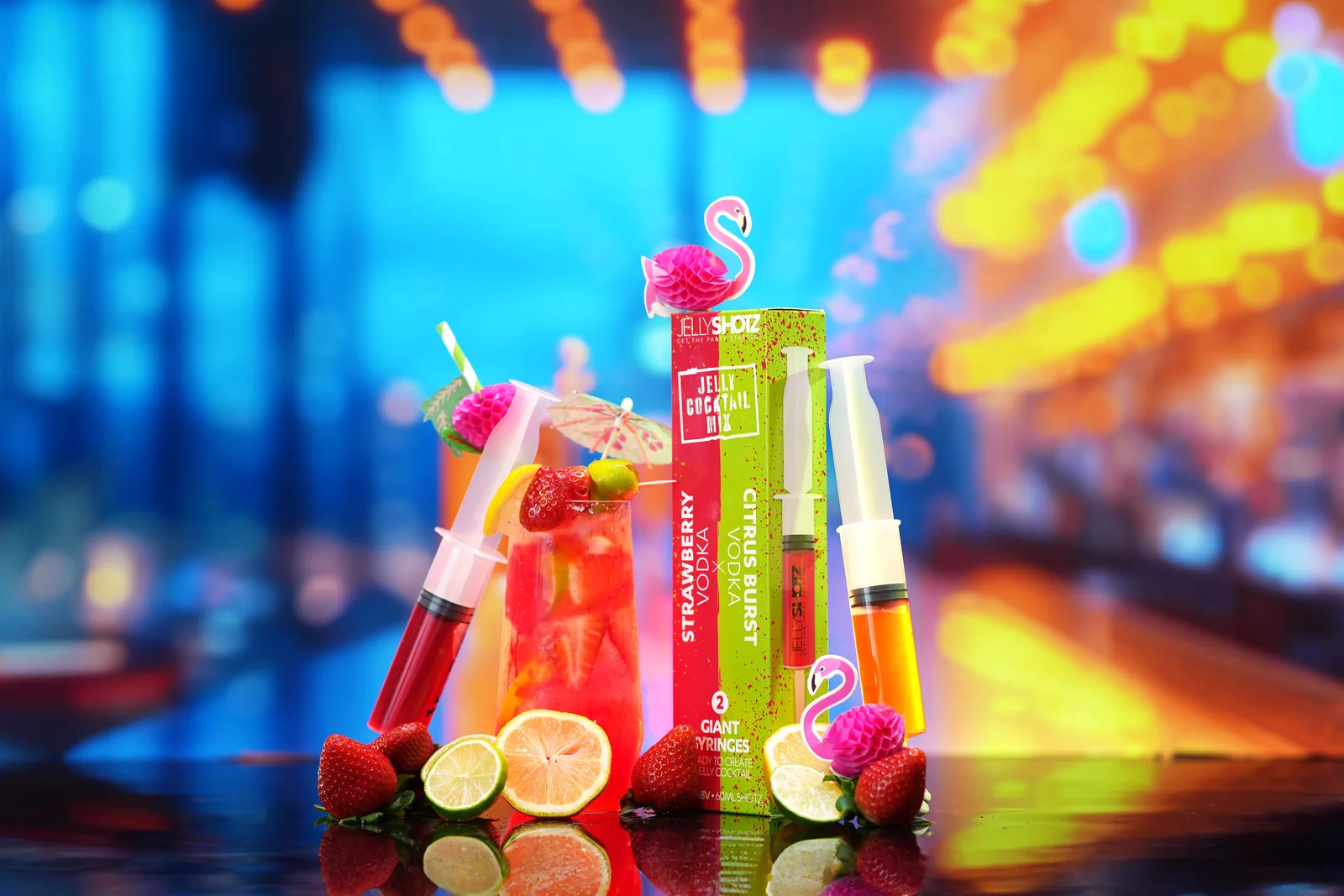
Twelve matte cardboard boxes on a white background can be a very different job from twelve glass bottles with metallic labels.
Reflective, transparent and highly polished surfaces often need more careful lighting. Packaging may need cleaning or assembling. Styled scenes need props and composition. Products might need several required angles.
Then there is retouching.
Removing a temporary dust mark is one thing. Rebuilding a damaged label, correcting complicated reflections or producing clean cut-outs for dozens of products is another.
This is why a quote such as “£X per product” only becomes meaningful when everybody understands what one product requires.
A useful product photography brief might say:
12 products. Front, rear and detail photographs of each on a consistent clean background, plus four styled hero images. Finished files required for the website and print catalogue.
That gives the photographer something they can actually plan and price.
A four-hour event
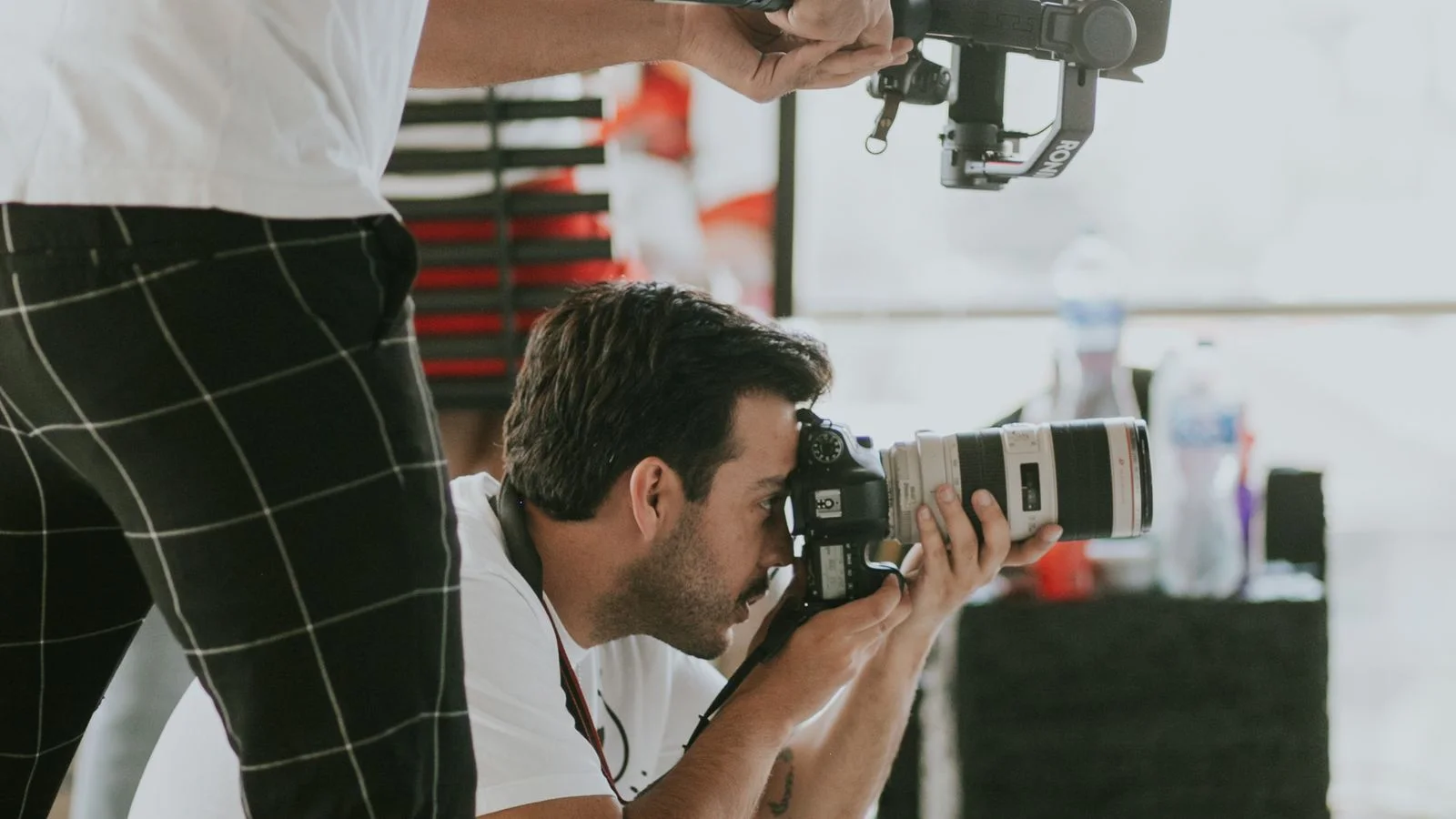
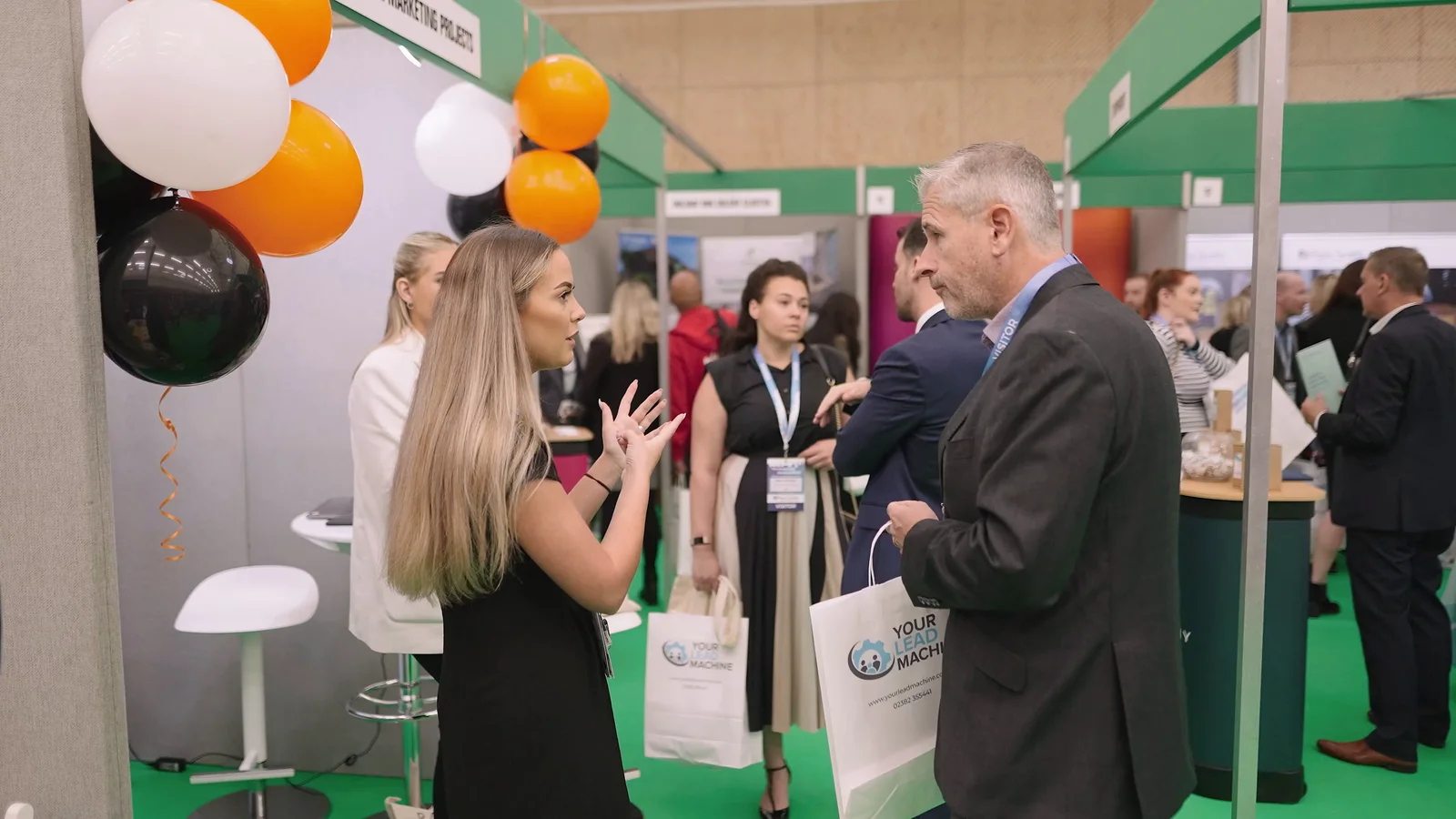
For an event, the photographer is not working through 36 predefined images.
They are covering something that only happens once.
The important questions become:
- Which speakers must be photographed?
- Are there awards or presentations?
- Which sponsors need visible coverage?
- Do you need photographs of stands, networking and the venue?
- Are there group photographs that need organising?
- Is something important happening in another room at the same time?
A second photographer may increase the quote because there are two professionals working — but it can also solve a coverage problem that one person physically cannot.
The final image count may be much larger than a headshot or product shoot, but that does not mean the event photography involved less work per pound.
Our article on how many photos to expect from a professional shoot explains why delivered-image totals need to be read in the context of the assignment.
The cheap quote and the expensive quote may not include the same thing
Imagine two quotes arrive.
Photographer A: £600
Photographer B: £850
It is very easy to conclude that Photographer A is £250 cheaper.
Now read them properly.
Photographer A includes:
- four hours on location;
- 25 finished images;
- standard editing;
- website and organic social usage;
- travel charged separately.
Photographer B includes:
- preparation and shot planning;
- four hours on location;
- an assistant;
- 50 finished images;
- five detailed retouches;
- website, social and paid advertising usage;
- travel;
- a faster delivery deadline.
You are not comparing £600 with £850.
You are comparing two scopes.
That does not mean the more expensive quote is automatically better. You may not need the assistant, extra images or advertising licence.
It means you should remove the differences before deciding which photographer offers better value.
Our guide to choosing a commercial photographer covers the wider decision beyond price.
Ask what “editing included” actually means
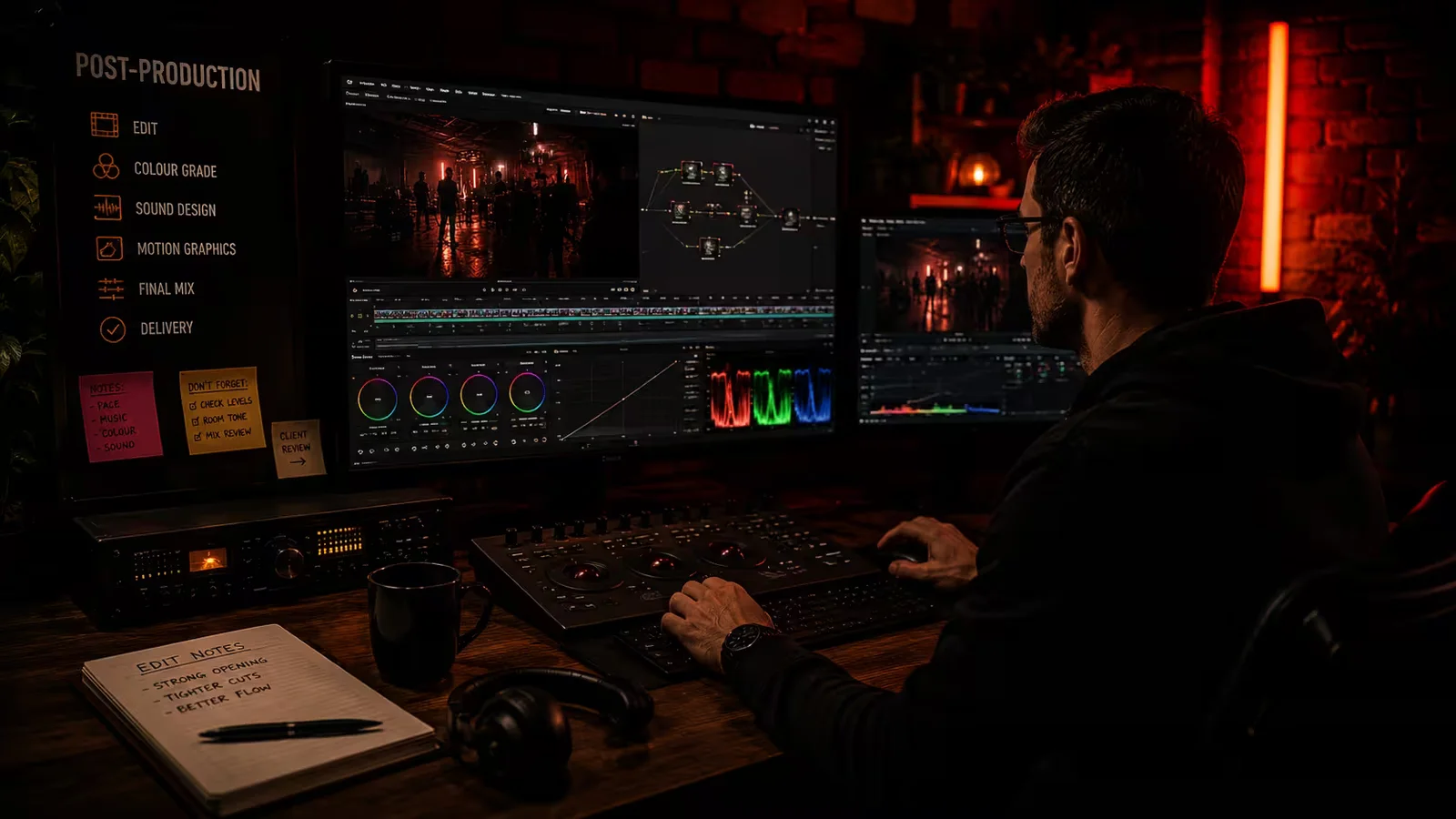
Photography quotes often use the word editing to cover several different things.
At one end, it may mean selecting the usable frames, correcting exposure and colour, cropping and applying a consistent finish.
At the other, it may include detailed skin retouching, removing objects, cleaning complicated products, compositing several frames together or altering backgrounds.
Those jobs do not take the same amount of time.
If the photographs need to look highly polished because they will appear in national advertising or large-format print, describe the required finish when requesting the quote.
For a conference gallery, you may want consistent, professional processing across hundreds of images without detailed retouching every face.
For a campaign hero image, one photograph might justify significantly more post-production than fifty event pictures.
Do not settle for “editing included”.
Ask what editing is included.
Travel can change the total without changing the photography
The Camera Guys work throughout the UK, so travel is handled separately from the on-location photography rate.
Our current published travel structure is:
- for bookings within approximately 25 driving miles of our base, £0.45 per round-trip mile;
- beyond that, travel is currently charged at £49 per hour based on estimated round-trip driving time, with mileage waived;
- parking, tolls, congestion charges, ferries and accommodation are added where required.
Those are our current terms, not a UK industry standard.
Another photographer may include a local radius, charge mileage, price a travel day or simply build everything into one project fee.
The comparison is straightforward once you make sure every quote includes the journey you are actually asking somebody to make.
A London photographer who appears more expensive on the day may be cheaper for a London project once another supplier adds five hours of travel.
Likewise, using us for a project close to one of our bases can keep the logistics relatively simple.
Usage rights can matter more on a campaign than a headshot day
Paying for photography does not automatically mean the client owns copyright in every situation.
For commissioned commercial photography in the UK, the photographer will usually own copyright unless it is assigned or another arrangement applies. The client can instead receive a licence setting out how the photographs may be used.
For a straightforward corporate shoot, that licence may cover the website, social channels and normal company marketing without creating much drama.
For a national advertising campaign, packaging, third-party retailer use or a long-term international campaign, usage becomes more significant.
The important thing is clarity.
Tell the photographer where the photographs will be used.
Ask whether the quote covers:
- your website;
- organic social media;
- paid advertising;
- brochures and print;
- packaging;
- press;
- third-party distributors or retailers;
- and the intended duration and territory where relevant.
Avoid asking for “full rights” when what you actually need is permission for a defined set of uses.
A clear licence is more useful than an impressive-sounding phrase nobody has defined.
What about half-day and full-day rates?
Many UK photographers use half-day, full-day or project rates.
There is nothing wrong with that.
The problem is assuming those words have a universal meaning.
One photographer's full day might mean eight hours on location. Another may price ten. A commercial day rate could include equipment and preparation; another may list them separately.
If somebody quotes a half day, ask:
How many hours does that mean, and what happens if we run over?
If they quote a day, ask what is included before and after the shoot.
At The Camera Guys, our current standard structure is hourly because it lets smaller jobs avoid paying for a full day they do not need. Larger, multi-day or more complicated productions can still be quoted around the complete project.
There is no moral superiority in an hourly rate or a day rate.
The useful price is the one that makes the scope clear.
A useful quote request is surprisingly simple
You do not need to know what lens the photographer should bring.
Something like this is enough:
We need updated photography for a 20-person engineering company near Cambridge. We want one headshot per person, photographs of the team working in the office and workshop, and around ten images for the new website homepage and service pages. We are hoping to shoot in October and need the final images by early November. The photographs will be used on our website, LinkedIn and printed sales materials.
That tells the photographer:
- who and what needs photographing;
- approximately how much variety is required;
- where the work is happening;
- the deadline;
- and how the photographs will be used.
Add your budget if you have one.
A good photographer can then tell you what is realistic within it, rather than playing a guessing game around a generic “What is your day rate?” enquiry.
So how much should you budget?
For The Camera Guys, the clearest current answer is the one on our live pricing page: standard photography starts at £249 for the first on-location hour and £99 for each consecutive additional hour per operator, with other work and expenses added according to the brief.
For the wider UK market, there is no responsible single figure that tells you what every professional photographer should charge.
Different photographers price different experience, overheads, equipment, preparation, editing, licensing and types of work.
The useful comparison is not:
“Who has the lowest hourly rate?”
It is:
“What will this project cost by the time I have the photographs I actually need and permission to use them where I need them?”
That is the number worth comparing.
You can use our live pricing calculator for a straightforward starting estimate, or send us the brief and we will quote the complete photography project.