How Much Does Event Videography Cost in the UK?

EVENT FILMING COSTS CLEARLY EXPLAINED

Event videography is shaped by duration, venue, simultaneous activity, crew, sound and the final videos required.

Unlike a controlled shoot, important event moments usually happen once. Coverage must be designed around the real running order.

A single-room conference, a busy exhibition and a multi-stage event all present different coverage risks. The right budget provides enough people, cameras and sound preparation to capture what cannot be repeated, then turns that material into useful deliverables.

Get a quick quote now

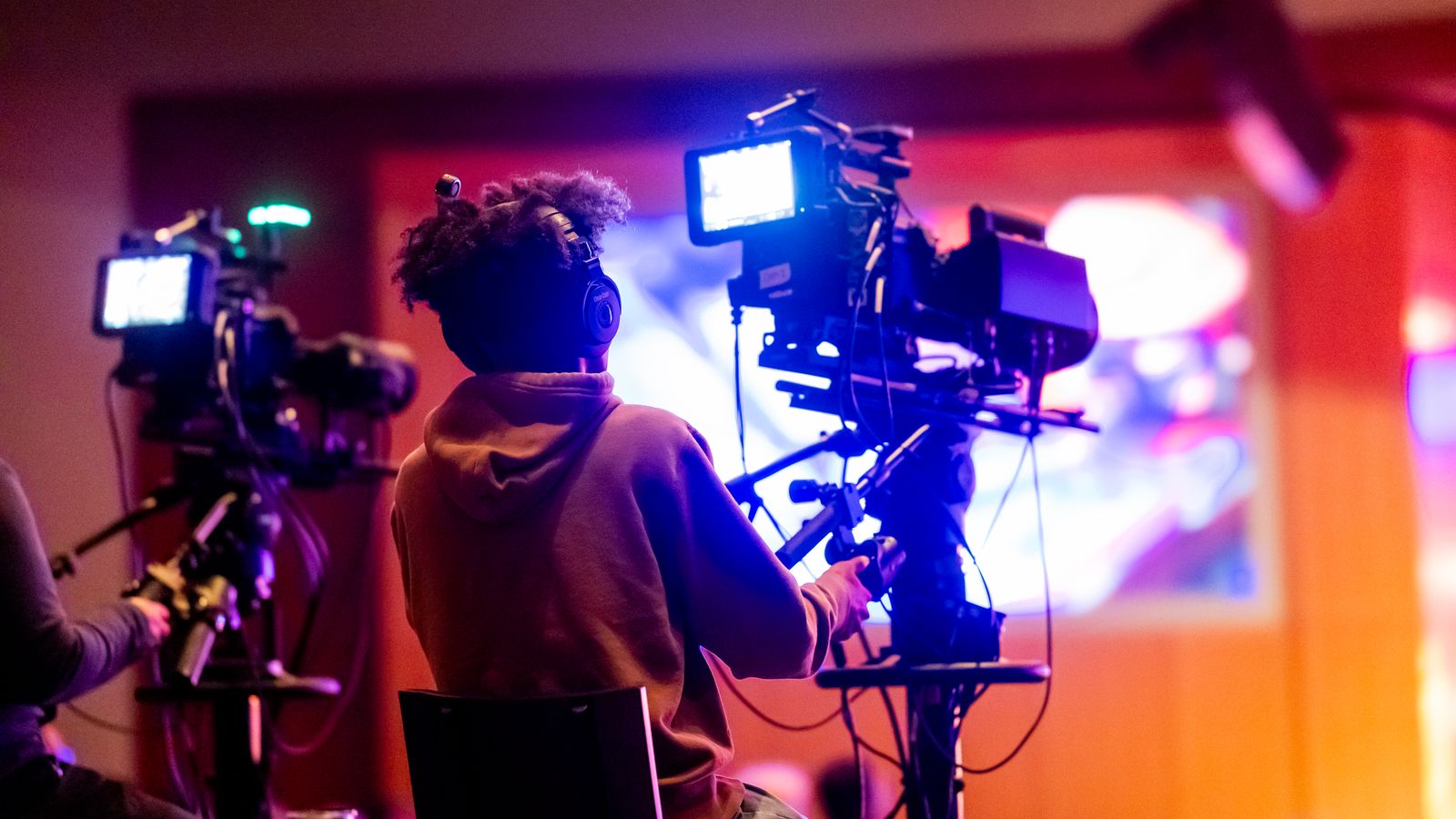
Two Camera Guys videographers operating a camera in a city office

What should you budget for event videography?

Camera Guys event filming currently starts at £99 per hour for each operator, with a three-hour minimum booking. Editing is £79 per hour.

The total depends on setup, programme length, rooms, simultaneous moments, sound feeds, travel, turnaround and the number of final videos.

Why event filming is priced differently

An event unfolds on its own schedule. A speaker’s entrance, award, audience reaction or decisive sporting moment usually cannot be repeated because a camera was in the wrong room. The quotation therefore reflects coverage, access and risk as well as hours.

The Camera Guys currently charges £99 per hour for each camera operator, with a three-hour minimum of £297. Event duration is only the starting point: arrival, setup, sound checks, pack-down, venue movement, travel and requested edits all affect the project.

What changes an event-video budget?

  • event duration and required arrival time;
  • one room or several simultaneous stages;
  • number of actively operated cameras;
  • speeches, panels, performances or demonstrations;
  • access to venue audio feeds;
  • audience reactions and networking coverage;
  • interviews captured during the event;
  • lighting and venue restrictions;
  • travel, parking and accommodation;
  • fast-turnaround or same-day content;
  • number and type of final videos.

A concise conference in one room is fundamentally different from an exhibition with talks, stands and interviews happening concurrently. Current filming and editing rates are listed on the Pricing page.

One operator or a larger crew?

One experienced operator can be ideal for straightforward highlight coverage, a single-stage presentation or a smaller corporate function. They can capture establishing shots, key activity, details and reactions while working to a clear running order.

Additional operators become valuable when important moments overlap, presentations run in different rooms, several cameras need active framing or interviews must be recorded while the main programme continues. Events leave little opportunity to recover missed footage, so coverage should match the schedule rather than an arbitrary preference for the smallest or largest crew.

Additional Camera Guys camera operators are generally charged at the same £99 hourly rate. Our separate guide explains videographer and camera-operator pricing in greater depth.

Sound is part of the picture

Clear speeches and presentations often matter more than cinematic crowd shots. Event crews may take a feed from the venue PA system, use microphones on selected contributors and record ambient sound to preserve atmosphere. A backup recording is valuable because venue feeds and wireless systems can fail.

The production company needs early contact with the venue or audio supplier. Knowing the connector, mixing-desk position, sound-check time and recording permissions avoids last-minute improvisation. This doesn’t require the client to become an audio engineer; it requires the right people to exchange practical information.

Deliverables determine the edit

Highlight film

A concise summary combines key moments, atmosphere, reactions and music. The editor must review the event and construct a representative story.

Full presentations

Long-form speech or panel recordings may need multicamera synchronisation, slides, clean audio, titles and separate files for each session.

Interviews and testimonials

Recording attendees during the event creates useful business content but requires a suitable location, sound, lighting and time away from the main coverage.

Social and fast-turnaround clips

Short vertical edits or same-day content require deliberate capture, rapid approvals and reserved editing capacity.

Camera Guys editing is currently £79 per hour. Our UK video-editing cost guide explains how footage, revisions and deliverables shape that work. One highlights film is a different post-production job from full talks, individual interviews and multiple social formats. Decide priorities before the event so the crew captures the material each deliverable requires.

Events this approach can cover

The same principles apply to conferences, exhibitions, awards, corporate functions, launches, festivals, sporting and business events. The schedule and environment matter more than the label. A launch may need controlled product demonstrations; an exhibition may need stand activity and customer interviews; a conference may prioritise presentations and audience questions.

This guide intentionally excludes wedding pricing, which has different expectations and will be covered separately. For commercial event services, see our event videography page and examples in the portfolio.

How to control event-video costs

  • Provide the final running order.
  • Mark every must-capture moment.
  • Explain simultaneous activities.
  • Arrange crew and loading access.
  • Confirm filming restrictions.
  • Introduce the venue audio contact.
  • Reserve an interview location.
  • Decide deliverables before filming.
  • Group interview contributors efficiently.
  • Consolidate feedback on edits.

The most useful saving is usually better coordination. Reducing the crew below what simultaneous coverage requires can create gaps that no edit can repair. The broader video-production cost guide explains the complete planning, filming and editing model.

Event videography pricing FAQ

How much does event videography cost in the UK?

Total cost depends on event length, crew, rooms, sound, travel and deliverables. Camera Guys filming currently starts from a three-hour £297 minimum for one operator, with editing at £79 per hour.

Do I need two event videographers?

Not always. One can cover many straightforward events. Two or more are useful where important activity overlaps, several rooms are active or continuous multicamera coverage is required.

Can you record the venue sound system?

Often, subject to access and compatibility. Advance coordination with the venue or AV supplier is important, and independent backup sound may still be advisable.

How quickly can an event video be delivered?

Turnaround depends on footage and deliverables. Same-day or urgent edits require advance planning, reserved editing time and fast client approvals.

Can one event produce several videos?

Yes. Highlights, talks, interviews and social clips can share footage, but each deliverable adds editorial, checking and export work.

For an accurate figure, send the running order and required deliverables.

Building coverage from the running order

The running order tells the crew where attention must be at each moment. It should include doors opening, presentations, breaks, awards, demonstrations, performances and any planned interviews. Marking priorities is more useful than simply labelling everything essential.

Changes are normal, but someone should be able to brief the crew when timings move. At larger events, a named producer or event contact prevents camera operators having to choose between filming and searching for information.

Access time matters. Cameras, tripods and audio equipment may need to be carried through loading routes, registered with security and tested before guests enter. Booking only the public programme time can leave no safe setup window.

Venue permissions, audience privacy and practical restrictions

Venues may restrict tripod positions, power use, backstage access or movement during presentations. Exhibitions can have rules around aisles and neighbouring stands. Sporting venues may control where operators can stand and what branding can be shown.

The organiser is normally best placed to communicate that filming will occur and handle any required attendee notices or consent processes. Interviews should be arranged with people who understand how the footage will be used. Children, sensitive discussions and private networking areas need particular care.

None of this requires unnecessary bureaucracy for a simple event. It requires the organiser and production team to identify genuine constraints early enough to plan around them.

Lighting and movement in real venues

Event crews often work with available light because adding fixtures throughout a live venue would obstruct attendees. A dedicated interview area is different: one controlled light and a quieter background can make short testimonials much more consistent.

Camera support should suit the activity. Tripods provide stable presentation coverage; handheld or supported mobile rigs can follow interaction and atmosphere. The choice affects both the pictures and how safely the operator can move through the crowd.

Low light does not automatically require flooding a room with lamps. Fast lenses, suitable cameras and thoughtful positioning can preserve atmosphere, while important speakers still need adequate exposure.

Travel, overtime and schedule changes

Event bookings should distinguish programme time from the crew’s actual working time. Setup, sound checks, late-running sessions and pack-down can extend the day. If an awards presentation moves by an hour, the operator still needs to remain available.

Local Camera Guys travel within 25 miles is currently charged at £0.45 per mile. Longer-distance travel is charged according to the current hourly terms, with mileage waived; parking, accommodation and necessary expenses may be added. Venue-city parking and restricted loading can be meaningful practical costs.

A realistic finish time and an agreed approach to overruns protect both organiser and crew. It is better to price likely coverage honestly than build a schedule that works only if every session runs exactly to time.