
Should You Book Wedding Photography and Videography Together? A Videographer’s View
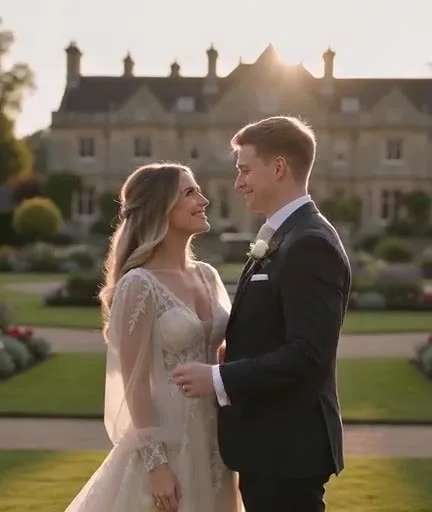
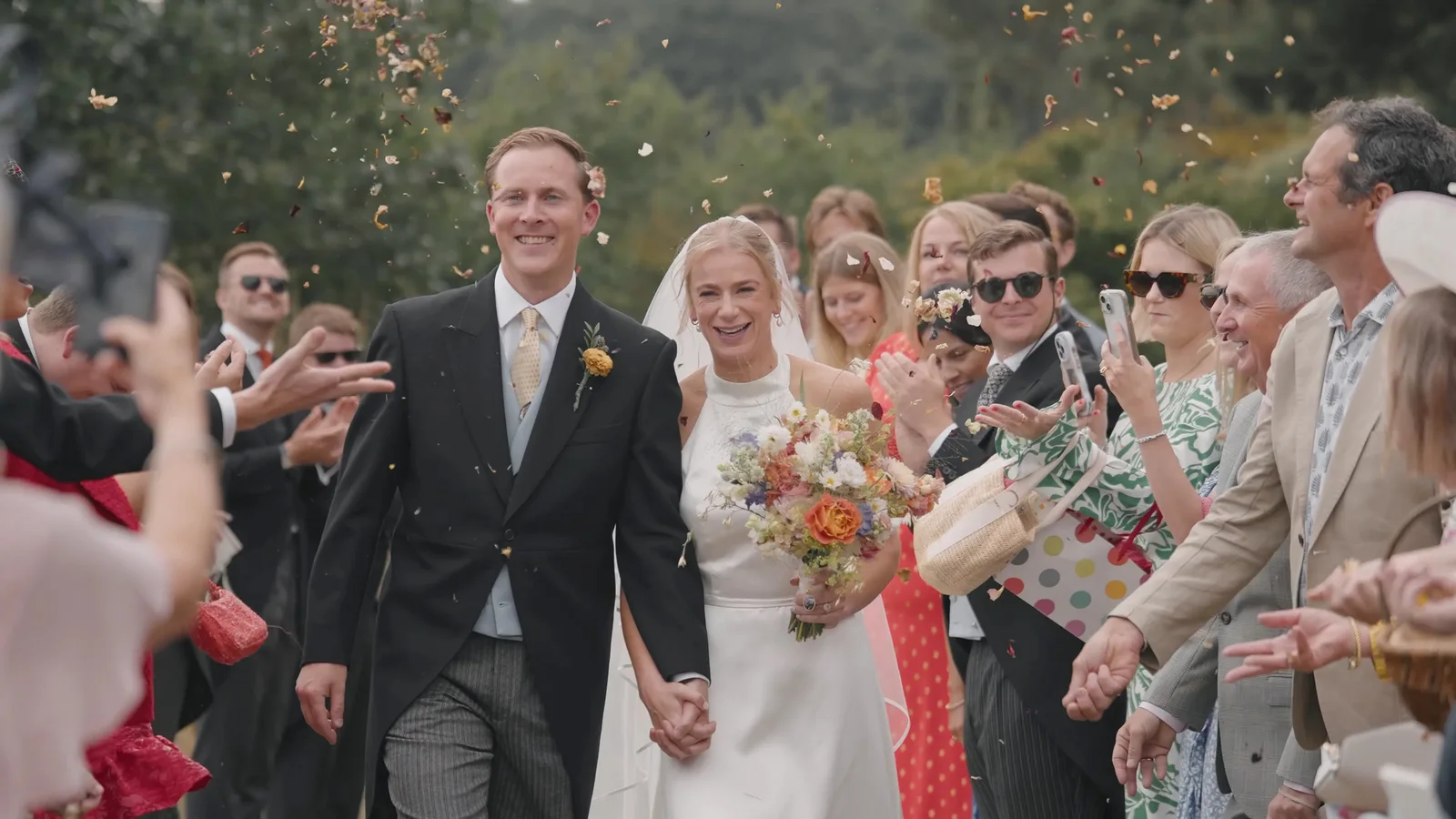
The photographer catches the kiss. For the filmmaker, the moment might begin with a nervous glance beforehand and finish with the laughter afterwards. Both are recording the same wedding, but they do not always need the same thing from it.
That is where a well-coordinated photography and videography team makes a difference. They understand when to move, when to give the other person space and when to let a moment play out.
Booking wedding photography and videography together can make that coordination easier. It can also simplify the planning. But the reason to choose a combined team is that you like both services and trust how they work together, not simply that they arrive on one invoice.
Decide what you want to hear as well as see
Before comparing packages, think about what you would actually enjoy watching afterwards. A short film built around music and portraits is a different thing from a film shaped by your vows, the speeches and conversations throughout the day. Neither replaces an edited recording of the full ceremony when that is something you want to keep.
Look through our wedding films and videography options to start that conversation, then ask any shortlisted supplier to show you a finished film comparable to the one you would receive. A teaser can introduce a style; it cannot demonstrate everything in a longer package.
Watch with the sound on. Can you follow the words comfortably? Do you enjoy the pacing? Are there people and interactions you would want to remember, as well as beautiful portraits?
Give the photography the same attention. Our guide to choosing a wedding photographer explains what to look for beyond a handful of favourite images. With a combined supplier, ask to see a complete gallery and the finished film from the same wedding, where the couple has agreed to them being shared.
Follow the day, not the package name
The useful question is not just whether a photographer and videographer have worked together before. It is what their shared plan will look like at the moments when both need to be in the right place.
During the ceremony
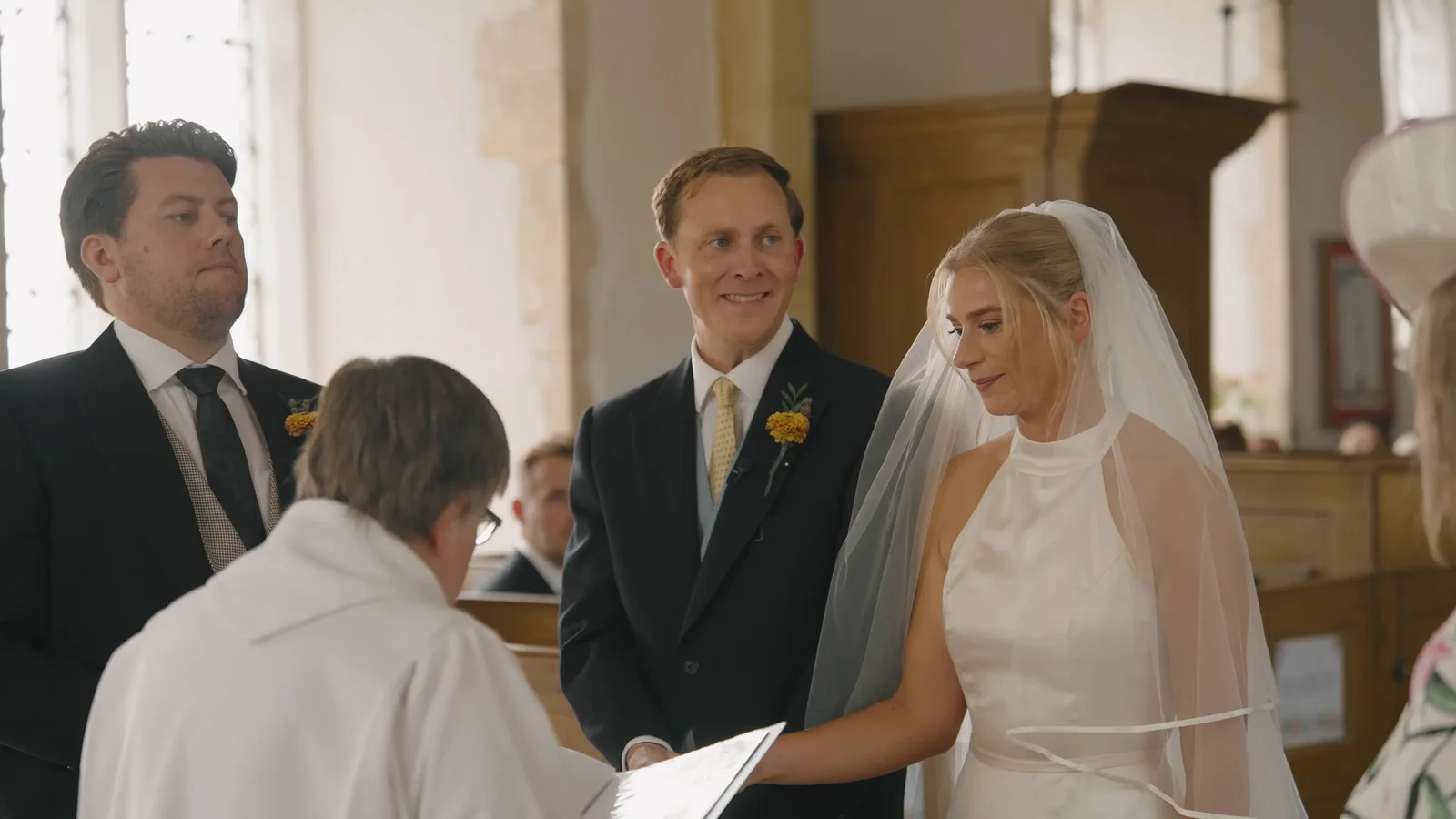
Imagine a photographer stepping into the aisle for a close view of the ring exchange while a video camera is recording from the back. Both positions might make sense individually, but they need to make sense together.
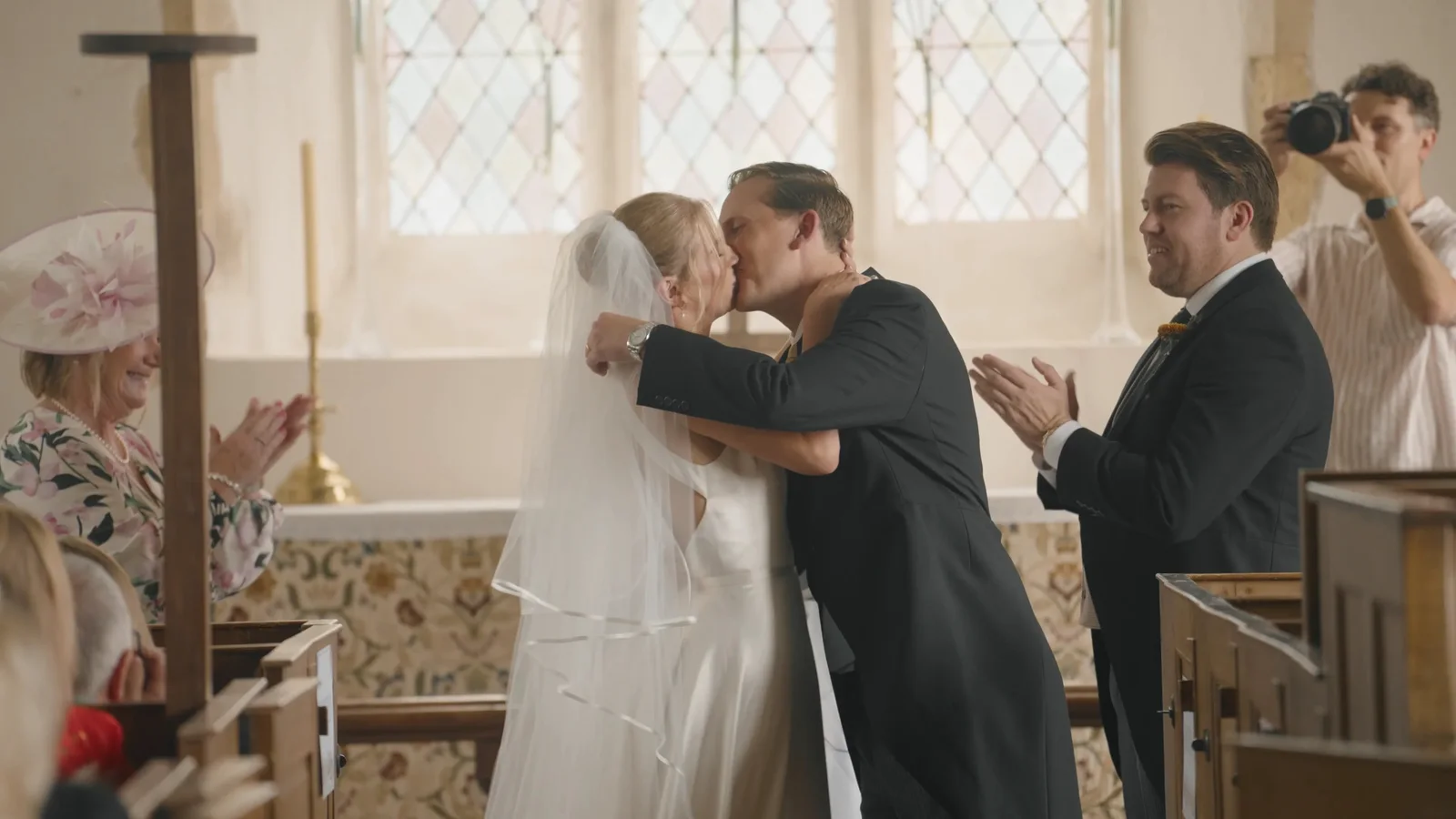
The team should discuss the entrance, vows, rings, kiss and exit before guests are seated. That includes any restrictions set by the venue or the person conducting the ceremony. Where movement is limited, the starting positions become particularly important.
A second video angle can help an editor move around an obstruction, but it is not a reason to ignore sightlines. Nor should a tripod occupy the only position from which the photographer can capture an important reaction.
You do not need to decide where everyone stands. Share the important moments and any restrictions, then ask the professionals to agree their positions directly.
During your time away from guests
A joint portrait session should not feel like completing a photography appointment and then starting again for video.
For example, a short walk together might give the photographer a series of still images while the videographer records the movement. A quiet pause can provide both a portrait and a few seconds of natural interaction. There may still be moments when one person needs a small adjustment or an uninterrupted shot, but those requests should fit into one conversation.
Ask how much time both services need altogether, who will lead the session and how they adapt when the day runs late. Mention whether portraits are a major priority or whether you would rather spend most of the drinks reception with your guests.
The answer does not have to be the shortest possible session. It needs to be a session you are happy to give time to, without conflicting instructions or unnecessary repetition.
During the speeches
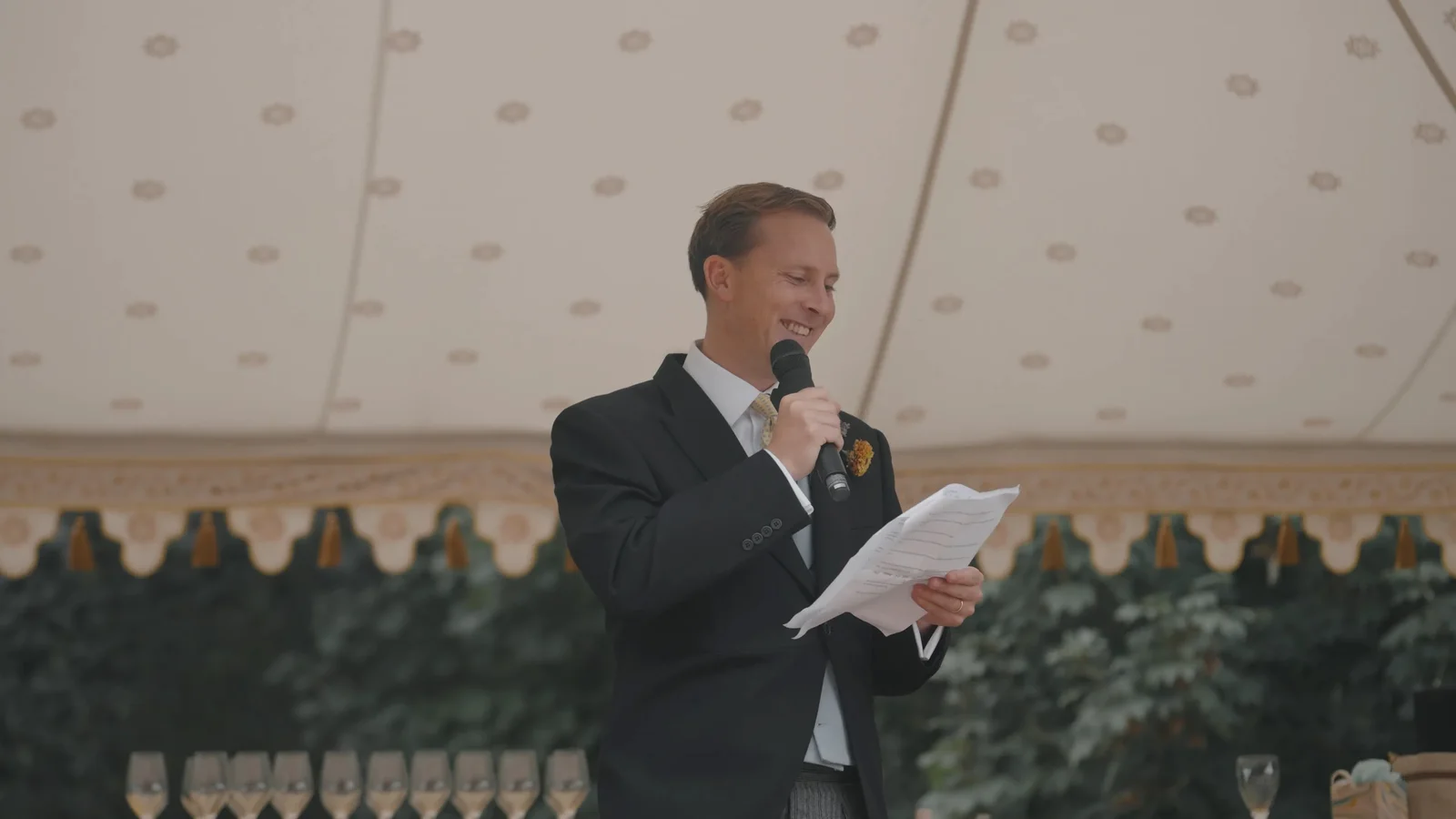
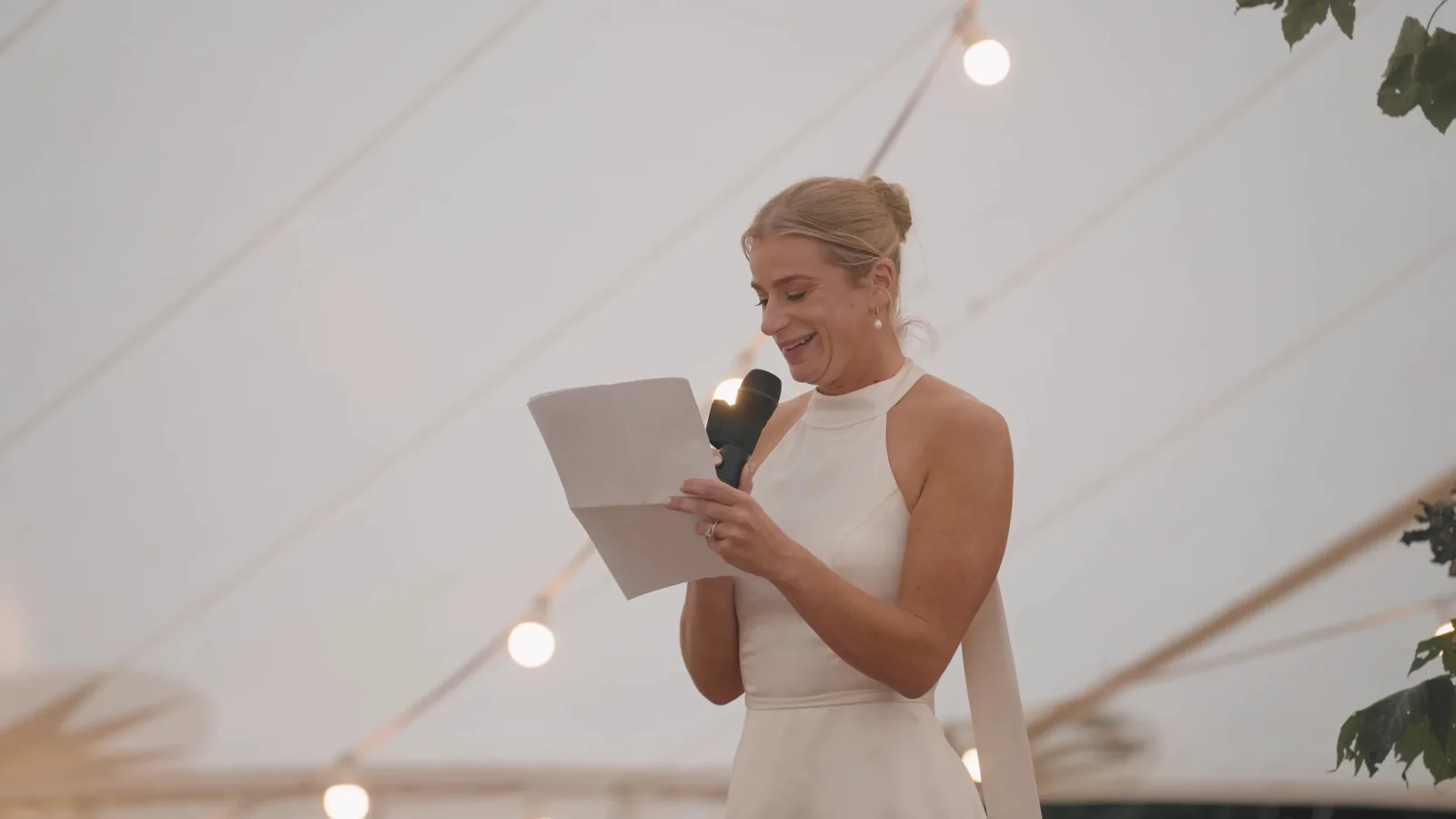
A photograph can capture the speaker's expression. The film also needs the sentence that prompted it, the pause and the reaction in the room.
That requires an audio plan, not just another camera. A microphone that makes someone audible to the guests does not automatically provide a usable recording for the film. The videographer needs to establish how the speeches will be recorded, how that recording will be checked and what backup is appropriate.
The same applies to vows and readings. Microphone placement, clothing noise and the room itself can affect the result; our guide to why professional audio matters explains why getting the sound right at the time matters so much.
Tell the team about an unusual speech location, a planned surprise or a change to the running order. A last-minute speech from the other side of the room needs a different response from a speaker standing at an agreed microphone.
When the light changes
Photography and video lighting should be discussed together too. Flash may be useful for still photographs, while a video light needs to stay on during a shot. Both can affect what the other camera sees.
Neither approach is automatically a problem. The important thing is agreeing positions and testing the result before the first dance or speeches begin, rather than discovering the conflict in the edit.
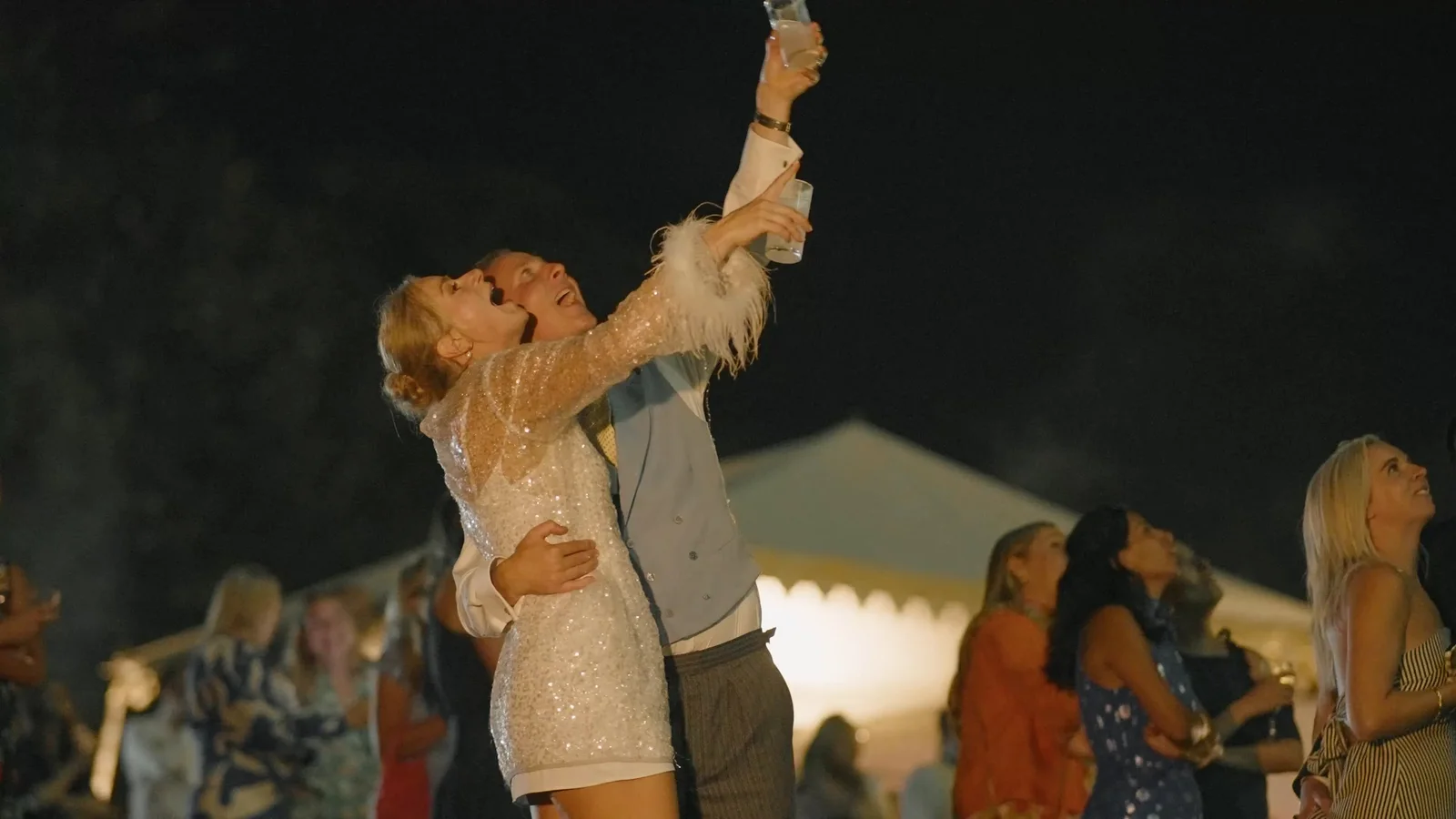
Ask to see evening work from both members of the team. It is a more useful test than judging the whole service by sunny outdoor portraits.
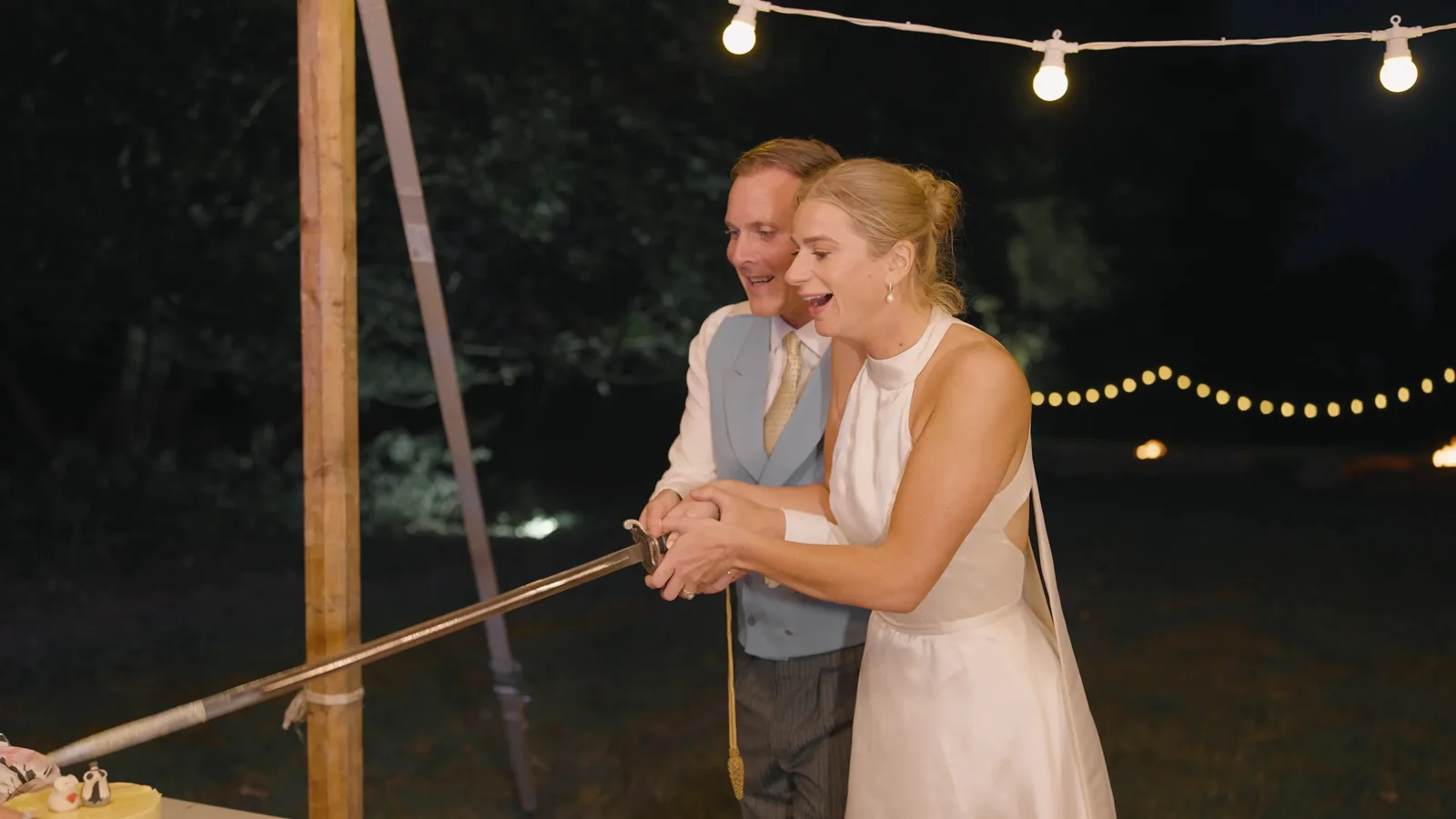
One team is not the same as one camera operator
A combined booking might provide a dedicated photographer and videographer, a larger team or one person offering a deliberately limited mix of both. Establish which arrangement you are being quoted for.
A skilled hybrid shooter can provide photographs and short clips within a suitable brief. That is not the same promise as independently covering the whole wedding in stills while also recording its key events continuously for a film.
There are straightforward physical limits. One person cannot actively follow two separate preparation locations at the same time. During a ceremony, taking photographs and checking a video camera or audio recorder compete for attention. An unattended camera adds a viewpoint, not another person who can respond when somebody moves.
For substantial photography and film coverage, ask how the work is divided and which compromises, if any, the proposed team involves. A photographer is not automatically a second videographer, and a videographer is not automatically an extra photographer.
Our article on whether you need two wedding photographers looks at the stills side of that decision. The same practical question applies here: which important moments overlap, and who is responsible for each?
Compatible styles matter more than identical colours
Couples sometimes look for a combined team because they want the photographs and film to feel consistent. That is reasonable, but colour is only part of the picture.
Someone who loves quietly observed photographs may not enjoy a film approach that requires extensive direction and repeated takes. Equally, couples who want carefully arranged, dramatic portraits should allow time for them rather than expecting the whole day to be recorded without intervention.
Our explanation of documentary and editorial wedding photography is useful here. Talk about what the team actually asks you to do, not only how the finished images look.
The photographs and film do not need an identical finish to belong together. A gallery might include black-and-white images while the film stays in colour. Colour grading helps shape a film's look, but a matching palette cannot compensate for a style of filming you do not enjoy.
When comparing wedding photography and film examples, pay attention to both the atmosphere on screen and the experience that seems to have created it. Then ask the team whether that impression reflects how they work.
A combined quote still needs two clear sets of details
One contact and one payment schedule can be convenient. They do not remove the need to understand what happens to the photographs and footage after the wedding.
For the film, establish the coverage hours, approximate finished length, any separately edited ceremony or speeches, and whether a teaser or social clips are included. "Full-day filming" describes attendance; it does not tell you how much of the day you will receive as finished video. Raw footage and a watchable, edited recording are different things too.
For photography, confirm the edited gallery, delivery format and any albums or prints. Ask who selects and edits each medium, when each will arrive and how long online access and file retention last. An early photo preview need not mean the wedding film will be ready at the same time.
Compare the complete price, including the agreed team, hours, travel and any extras. A combined discount is only useful when the coverage and finished work still meet your needs. Do not assume a package is cheaper simply because it bundles both services together.
Ask about illness cover, equipment problems and how files are protected. Familiarity between the people on the day is valuable, but it is not the whole contingency plan.
Booking separately can still give you one coordinated day
There is no reason to abandon a photographer you love because your preferred filmmaker works for another business. Nor should you accept a film you feel lukewarm about because it comes with your favourite photography package.
Independent suppliers can collaborate well. Introduce them before the wedding, give them the same timetable and let them discuss ceremony positions, portrait time, sound and lighting. Confirm who needs updates when plans change; passing a new schedule to one business does not necessarily update the other.
Where a venue coordinator or planner is involved, include them in the practical arrangements. You should not spend the wedding morning relaying technical messages between suppliers.
The paired photography perspective on booking both services together looks at the same decision from the stills side. The aim is to give each discipline the room it needs, whether the people share a business name or not.
Put your priorities into the first conversation
A useful enquiry explains the experience and coverage you care about. For example, you could adapt this:
We would like photography and a wedding film, including edited recordings of our ceremony and speeches. We are getting ready at separate addresses, and we would prefer one shared portrait session rather than separate photo and video sessions. Could you explain who would cover each part of the day, how the team works together, what we would receive and when? We would also like to see a complete gallery and film from a comparable wedding.
Those details give a supplier something meaningful to respond to. They can explain the team, the timing and the work involved rather than simply sending their largest package.
To discuss photography and videography with The Camera Guys, send our wedding team your date, venue and priorities. Whether you book both together or bring two specialists together, the arrangements should leave you free to enjoy the day rather than manage the cameras.