
What Makes a Good Corporate Video?
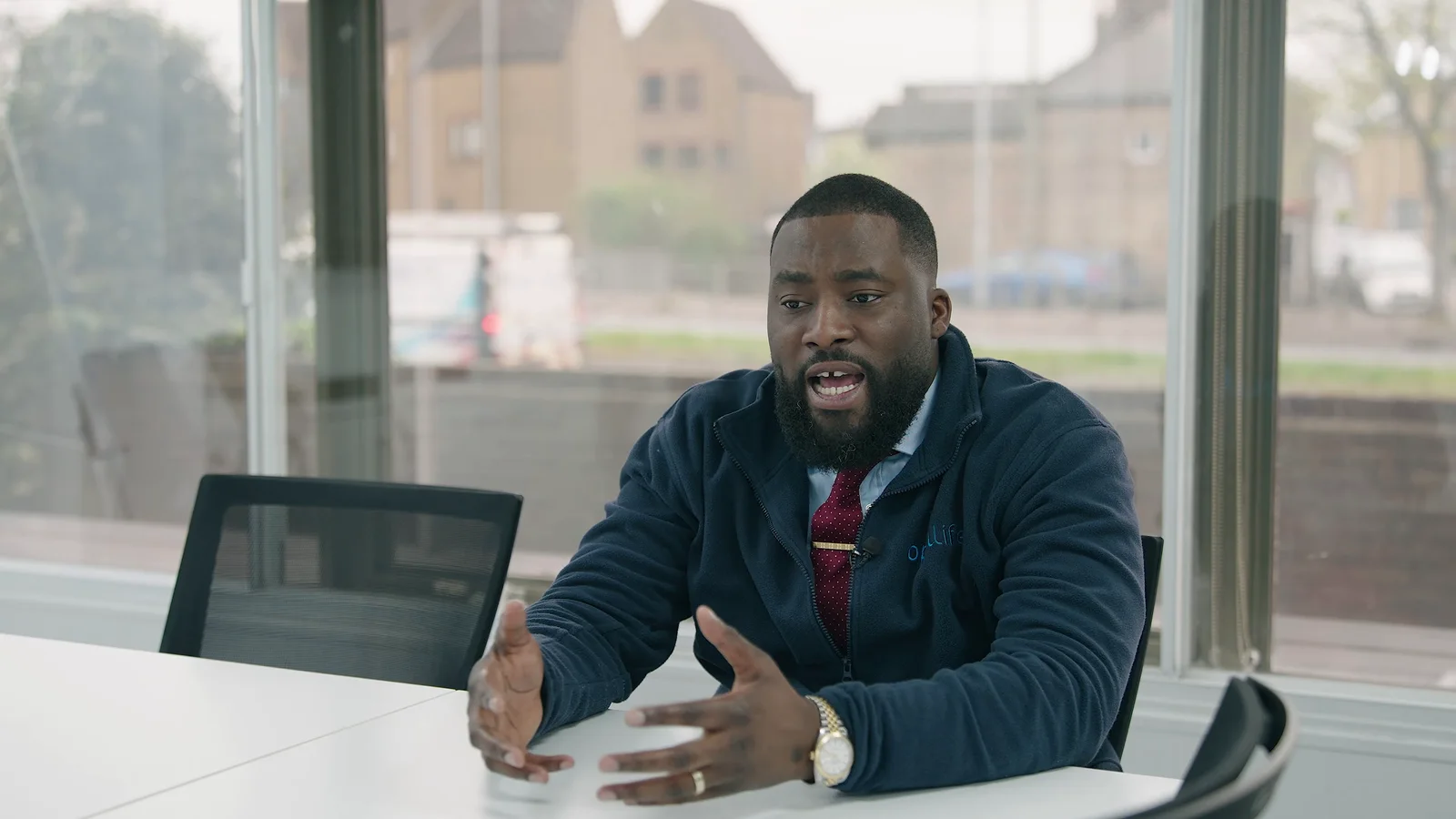
Imagine the first edit of your company film has just arrived. The team look good, the office looks better than it does on a Monday morning, and the music gives everything a lift. You are pleased with it.
Now watch it as someone who has never dealt with your business.
Would you understand what the company does? Would you have a reason to keep watching if your own colleagues were not in it?
A good corporate video should give its intended viewer something worth their time: an explanation, a useful demonstration, a sense of the people they might work with. The pictures and sound matter, but so does what the film leaves you knowing.
Get to the bit your viewer came for
When reviewing the opening, temporarily put aside what you know about the business. The audience may not recognise your building, know your terminology or understand why the subject matters.
An exterior shot can establish the setting. That does not mean you need a tour of reception before anyone explains what the film is about.
Picture a recruitment video for engineers. You could open with the managing director reciting the company's history. Or you could introduce an engineer talking through an interesting problem, then show the workshop where they are solving it. The second approach gives a prospective applicant something specific to consider: would I enjoy doing that work?
For a customer weighing up a service, the useful opening might be a demonstration or a client explaining what they needed help with. Choose the way in that suits the person watching, rather than opening every film with the same company introduction.
Agree that audience before filming. Our guide to writing a video production brief will help you describe what they already know and what the film needs to explain.
Let the viewer see what you mean
Try this when reading a script: underline every claim another business could make without changing a word.
"We pride ourselves on our quality." "Our people make the difference." "We go the extra mile."
The problem is not necessarily that these statements are untrue. They leave the viewer to imagine the evidence.
For a manufacturer, you could show a finished component being measured and checked, with the person doing it explaining what they are looking for. For a service business, ask a customer to describe a particular situation and how the team handled it. Give the audience something more substantial than an adjective.
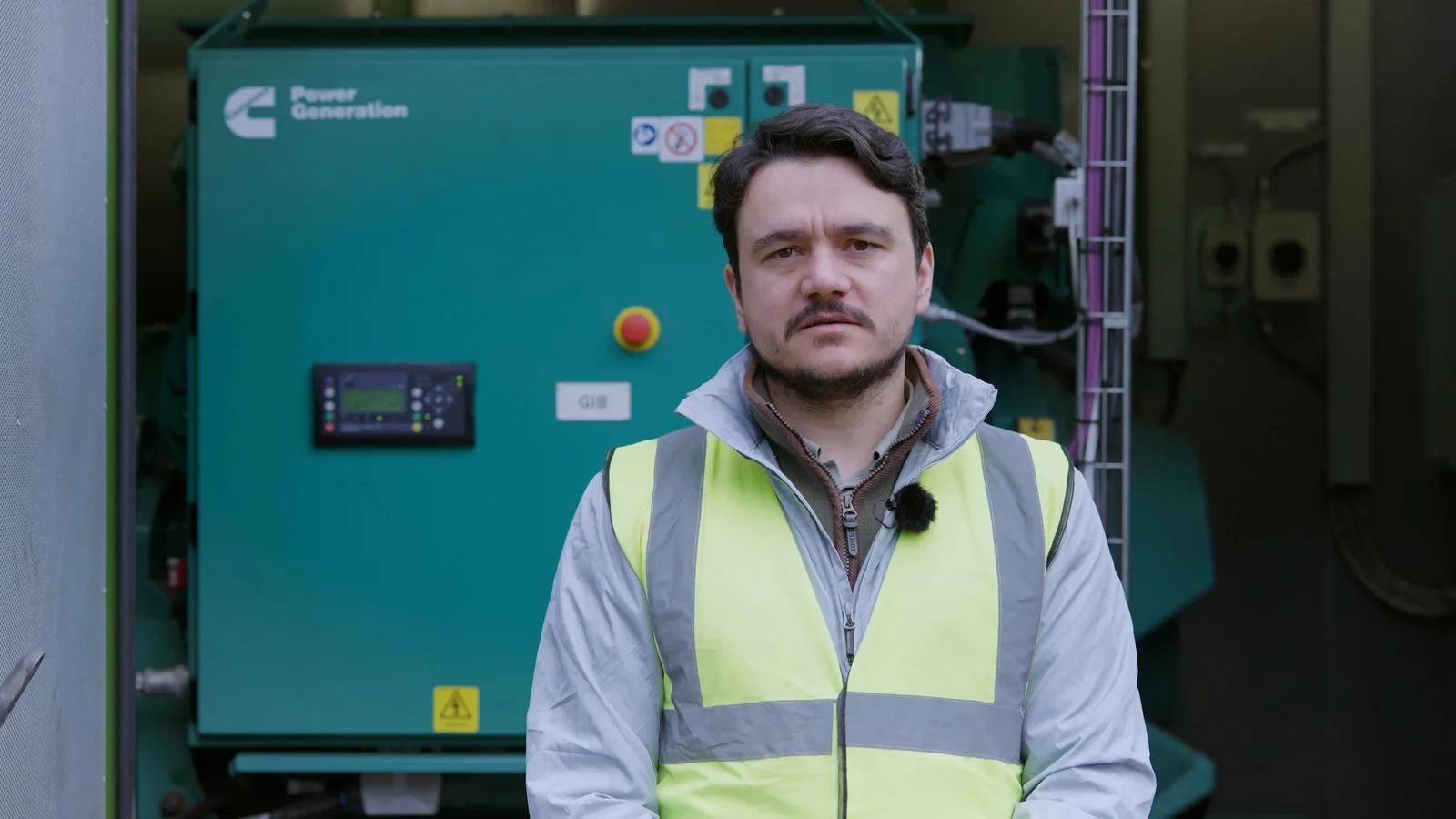
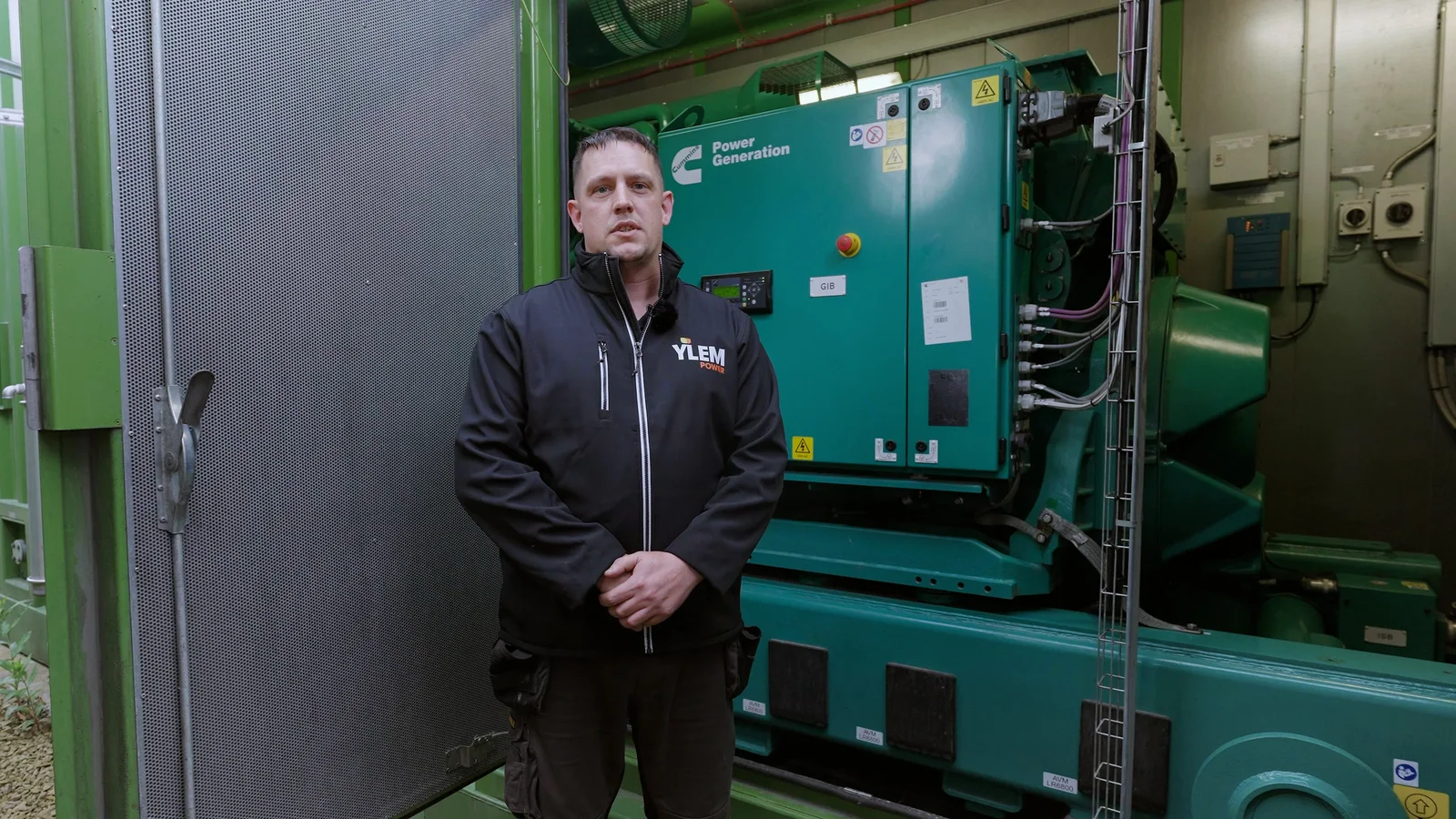
Our YLEM and Terra Firma case study combines a customer testimonial with YLEM's team and footage from the power generation site in St Helens. The engineers, equipment and working environment belong to the service being discussed. The film gives the explanation a setting you can actually see.
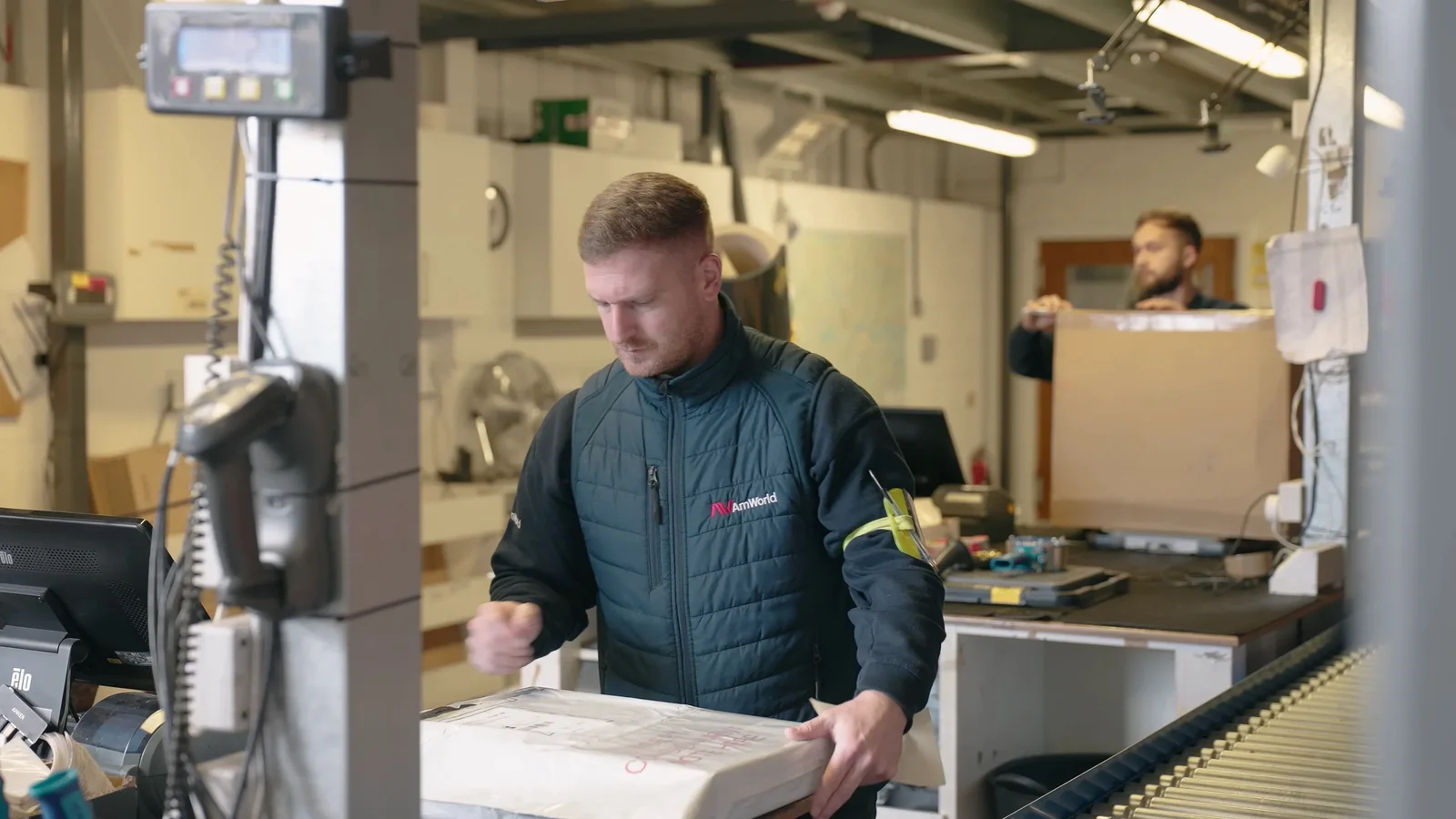
Supporting footage should earn its place in the same way. When someone describes a particular task, show that task clearly enough to follow. A close-up of hands on a keyboard could belong to almost any business; a relevant demonstration tells us more.
Some subjects are difficult to photograph. A diagram, a screen recording or a few well-chosen graphics may explain them better. Choose the clearest treatment and check the facts, rather than forcing every idea into another shot of people in a meeting.
People should sound as though they work there
There is a difference between helping someone prepare and asking them to memorise a paragraph they would never normally say.
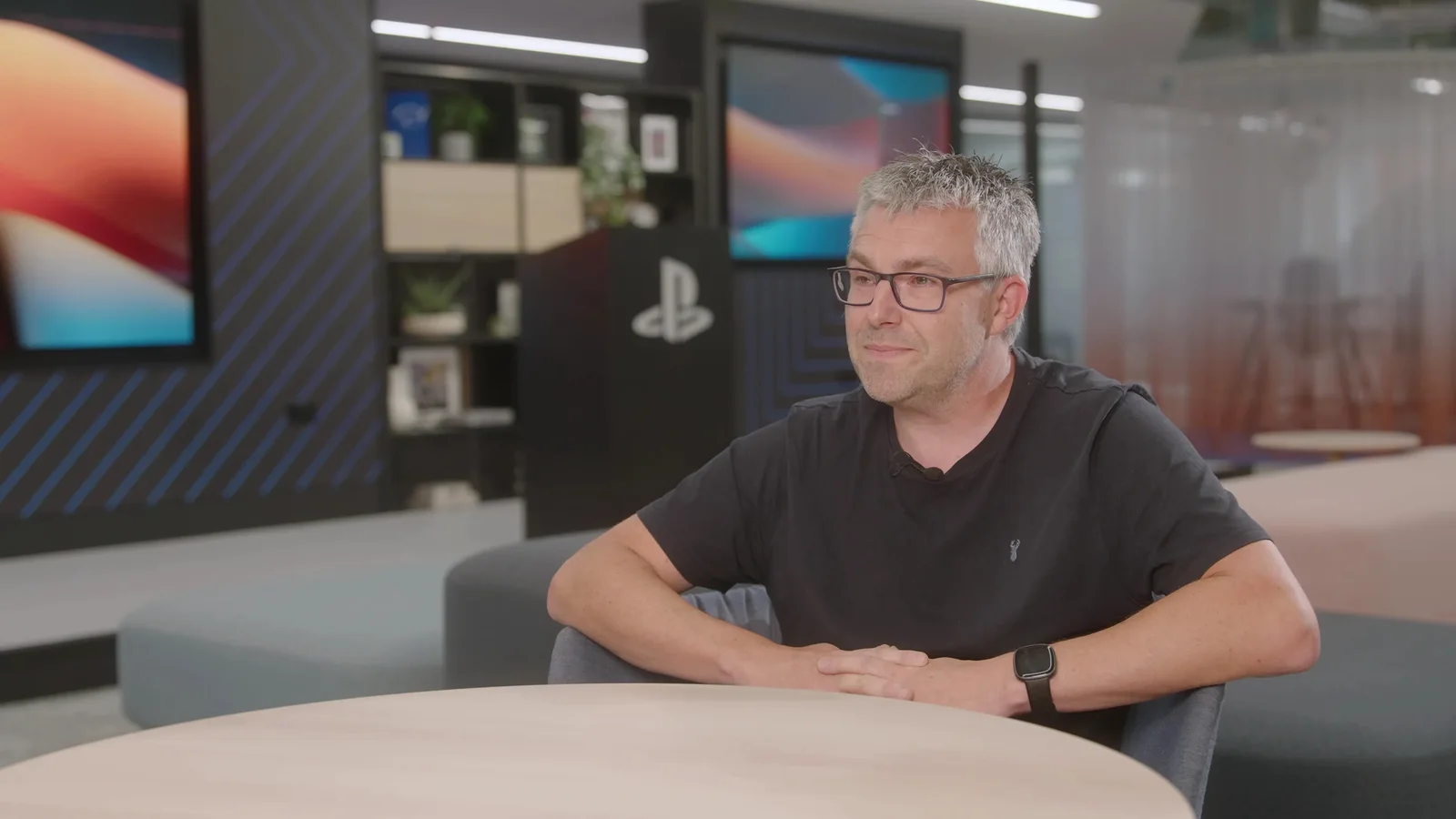
For an interview, share the topics and essential facts beforehand, then give the person room to explain. Ask "What usually happens when a customer first calls you?" rather than requesting a statement about the company's commitment to service.
Follow up on an interesting answer. What happened next? Why was that difficult? Can they give an example? Those questions give you something to edit beyond a sequence of broad claims. Our guide to filming natural corporate interviews covers preparing the conversation and finding relevant activity to film alongside it.
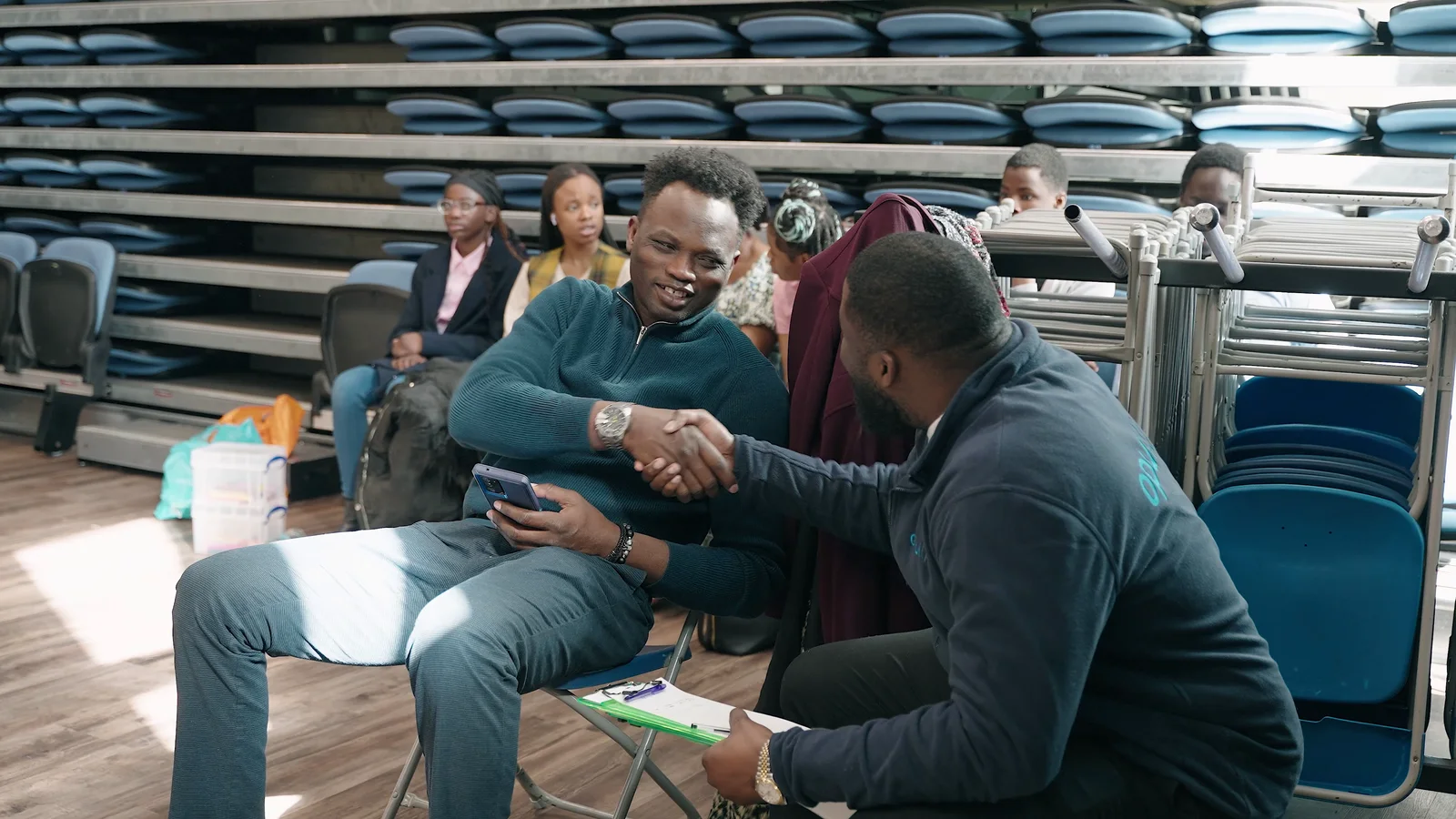
Choose speakers for what they can contribute. The founder might explain why the business exists; the person doing the work may be better placed to demonstrate it. A customer can describe their own experience. There is no need to include every senior manager simply because they are available.
A script is useful when the wording needs to be exact, or when a presenter is guiding the film. Read it aloud before the shoot. If someone keeps stumbling over a sentence, check whether the sentence needs changing before asking for another take.
In the edit, keep the meaning intact. Remove repetition and hesitations where helpful, but do not turn a qualified answer into an absolute promise. Leave enough of the person's own phrasing for them to sound like themselves.
A corporate film is allowed to look interesting
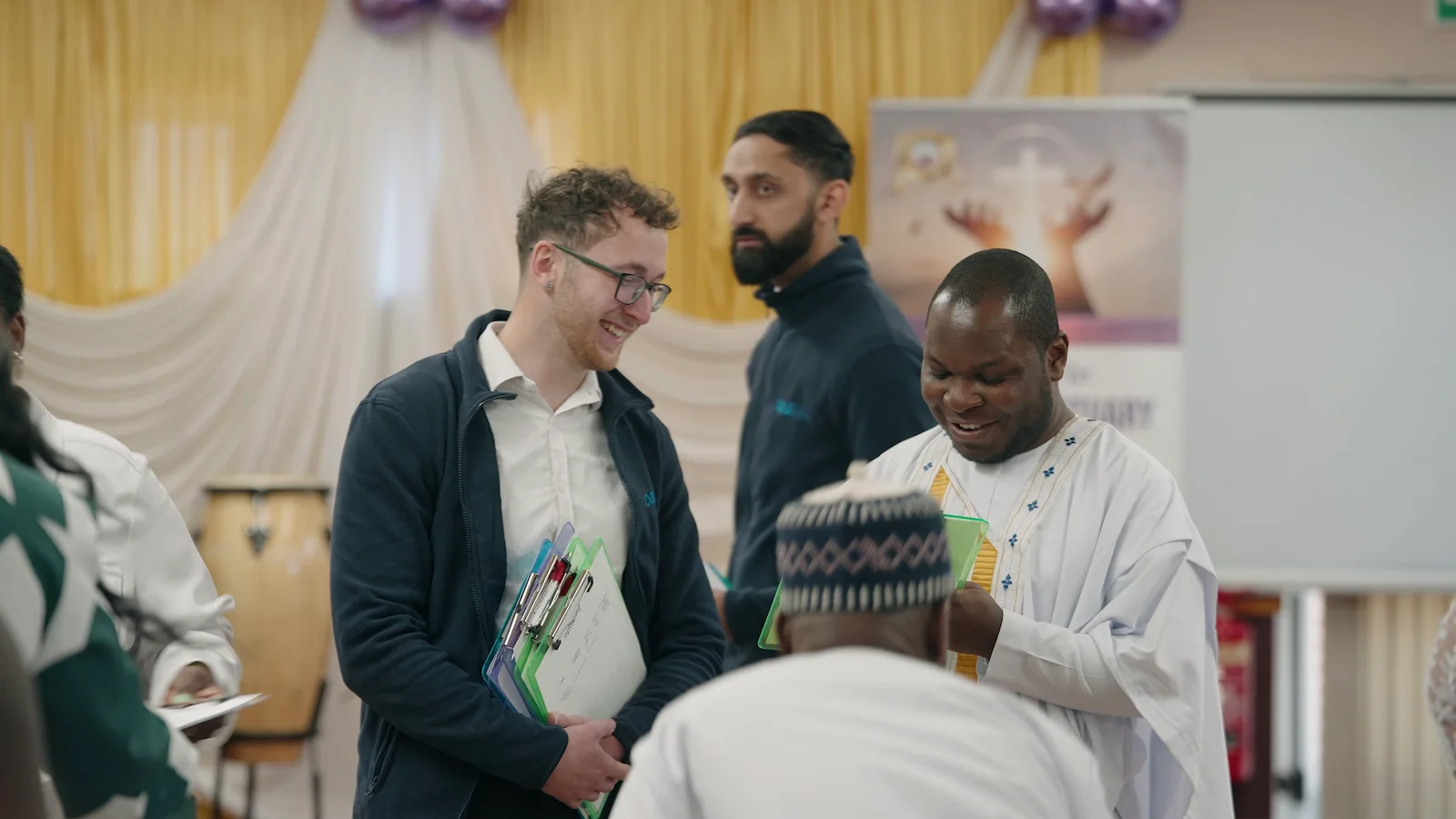
Clear communication does not require a plain interview against an office wall. There is room for movement, humour, striking images and a more ambitious visual idea when they suit the business.
For our Sentry exhibition films, we filmed across working farms in Norfolk. Ground-level footage showed the machinery, people and practical work; aerial views showed the land and the scale of the operations. The production delivered two films for exhibition use.
That setting called for a different visual approach from the interview-led YLEM case study. Both provide examples of filming what is distinctive about the organisation rather than giving every business the same treatment.
Use reference films to start that discussion. Is it the camera work you like, the dry humour, the pace or the way someone explains a difficult subject? Be specific. "Make it cinematic" leaves a lot open to interpretation.
Our corporate video ideas offer other starting points. Choose an approach your own people and subject can carry, rather than copying a campaign that depends on a completely different business.
Make it comfortable to watch and hear
Give the sound its own review. Can you follow every speaker at a comfortable volume, or are you turning the sound up for one person and down for the next? Does the music sit beneath the conversation, or compete with it?
Background noise, excessive reverberation and uneven levels deserve attention in the sound edit. During filming, ask the crew to check the room and monitor the recording so problems can be addressed while the speaker is still there.
Check the captions as carefully as the spoken words, especially names, numbers and technical terms. Accurate captions make speech and important sounds available to people who cannot hear the audio. Automatically generated captions need checking; a missing word can change the meaning of an answer.
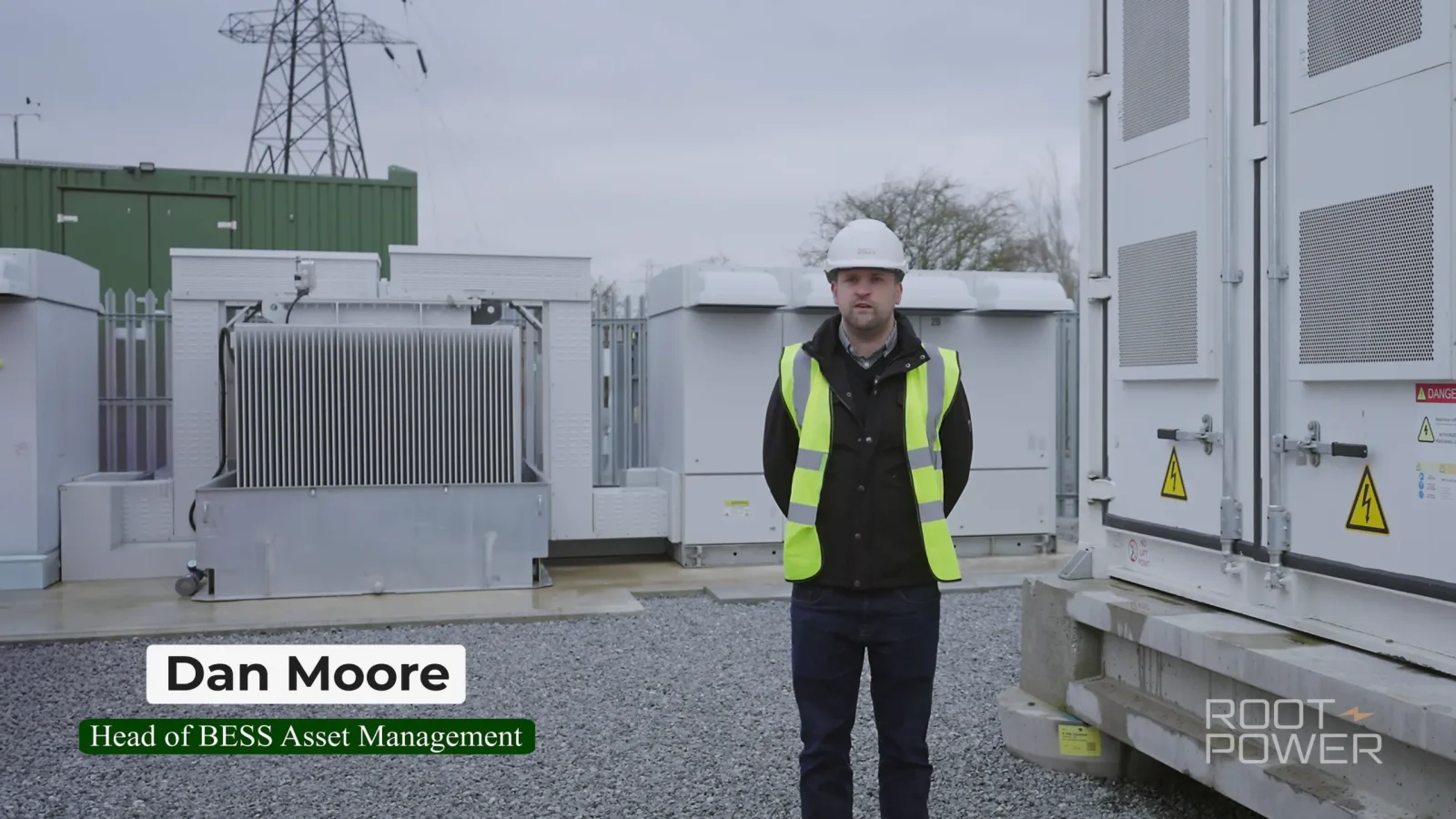
Look at the graphics on the sort of screen people will actually use. A job title that seems generous on an editing monitor may need adjusting for a phone. Keep names, type styles and colours consistent, and give people time to read information before it disappears.
Branding should feel like it belongs with your website, presentations and other materials. It does not need to interrupt each new section with another logo animation.
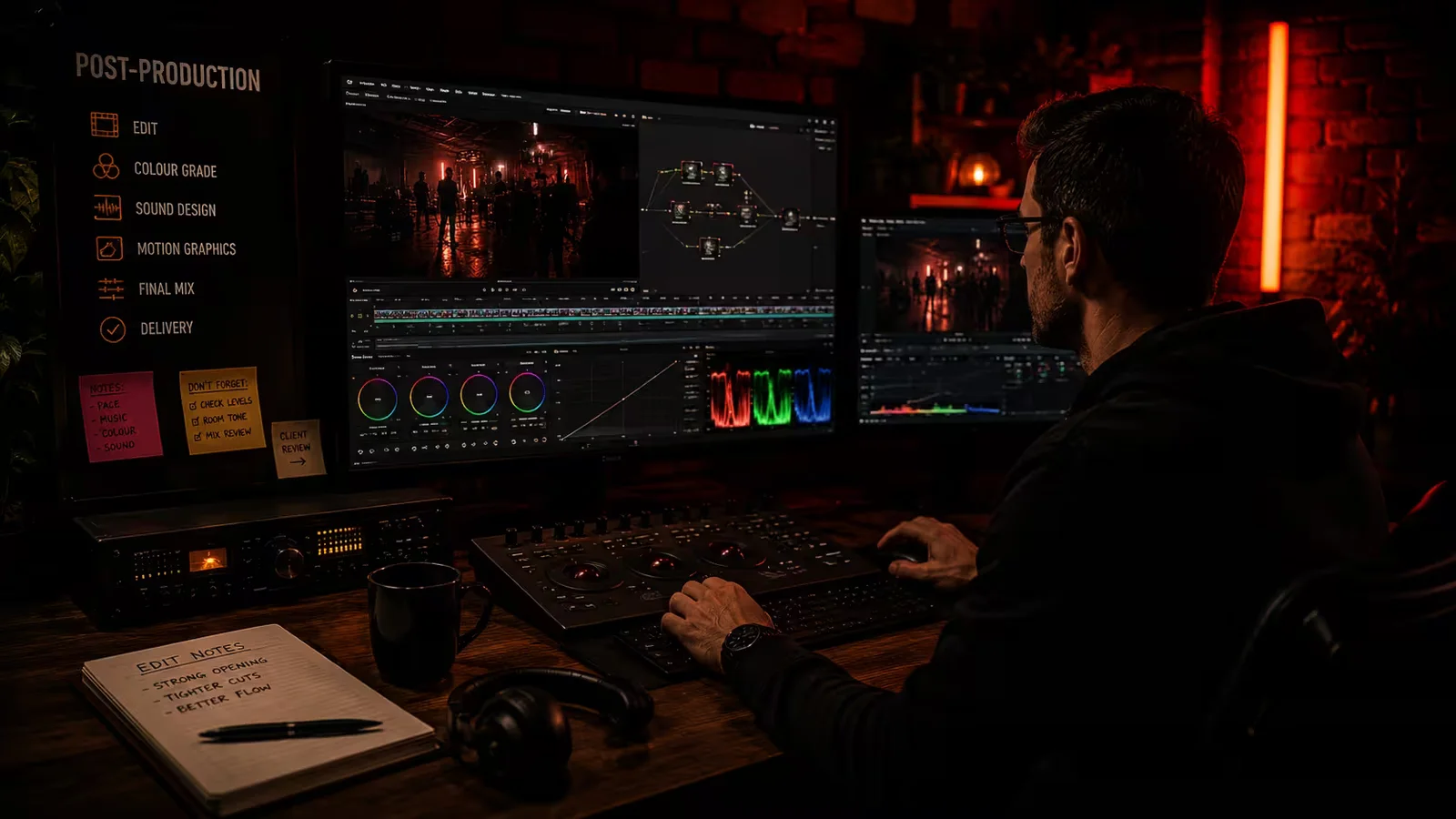
Watch the final cut without explaining it
Before signing off, show the film to someone who resembles the intended viewer and has not been involved in making it. Resist the urge to explain what they are about to see.
Afterwards, ask what they understood, what was still unclear and whether anything felt unnecessary. "Did you like it?" is a much easier question to answer politely.
Use their response to investigate the edit, not as a verdict from one person. An unfamiliar term may need explaining. A demonstration may need a little longer. Three people making the same point may be two people too many.
There is no need to chase a runtime at the expense of the explanation. Equally, liking a shot is not enough reason to keep it. Look at what each section adds and whether the film is asking for more attention than the subject needs.
Check the ending in context too. Someone watching a recruitment film may need a route to the vacancies. A prospective customer may need the relevant service page or a way to enquire. A training film might finish by showing the completed task. Not every film needs the same sales message.
Then check the actual version being published. A vertical edit, a website player and a presentation screen each deserve a final look. Confirm that captions, faces and graphics remain visible and that any next-step instructions make sense where the film appears.
These are the questions to bring to a discussion about corporate video production. Tell us what you need the film to explain, and we can work through the people, material and approach that will help.
When you watch the finished version, you should not have to sit beside the viewer filling in the gaps.