What is music video support content?
Music video support content is material created around the main release: short films, social clips, teasers, performance extracts, portraits and behind-the-scenes sequences. Its job is not merely to prove that filming happened. It should give an audience another reason to engage with the artist and the track.
That distinction matters. A conventional behind-the-scenes edit often documents lights, cameras and crew. A standalone companion film can instead explore mood, character or audience experience. Both are useful, but they serve different purposes and should be planned accordingly.
On the Mystery Man shoot, we did not film the official music video. Our camera looked at the activity around it and shaped those observations into a separate short-form piece.
Finding a story inside an unpredictable location
The flat party had a premise that could be understood immediately: strangers entering a domestic space to meet an anonymous performer. That was a stronger foundation than a generic montage of production activity.
Filming began with the social details that established the room—people talking in the kitchen, drinks, glances towards the performance area and the crowd gradually compressing around the artist. Once the guitar and performance took over, the edit could increase its pace because the audience already understood the setting.
A useful short-form video still benefits from structure. Even when individual shots last only a moment, they can create anticipation, escalation and release.
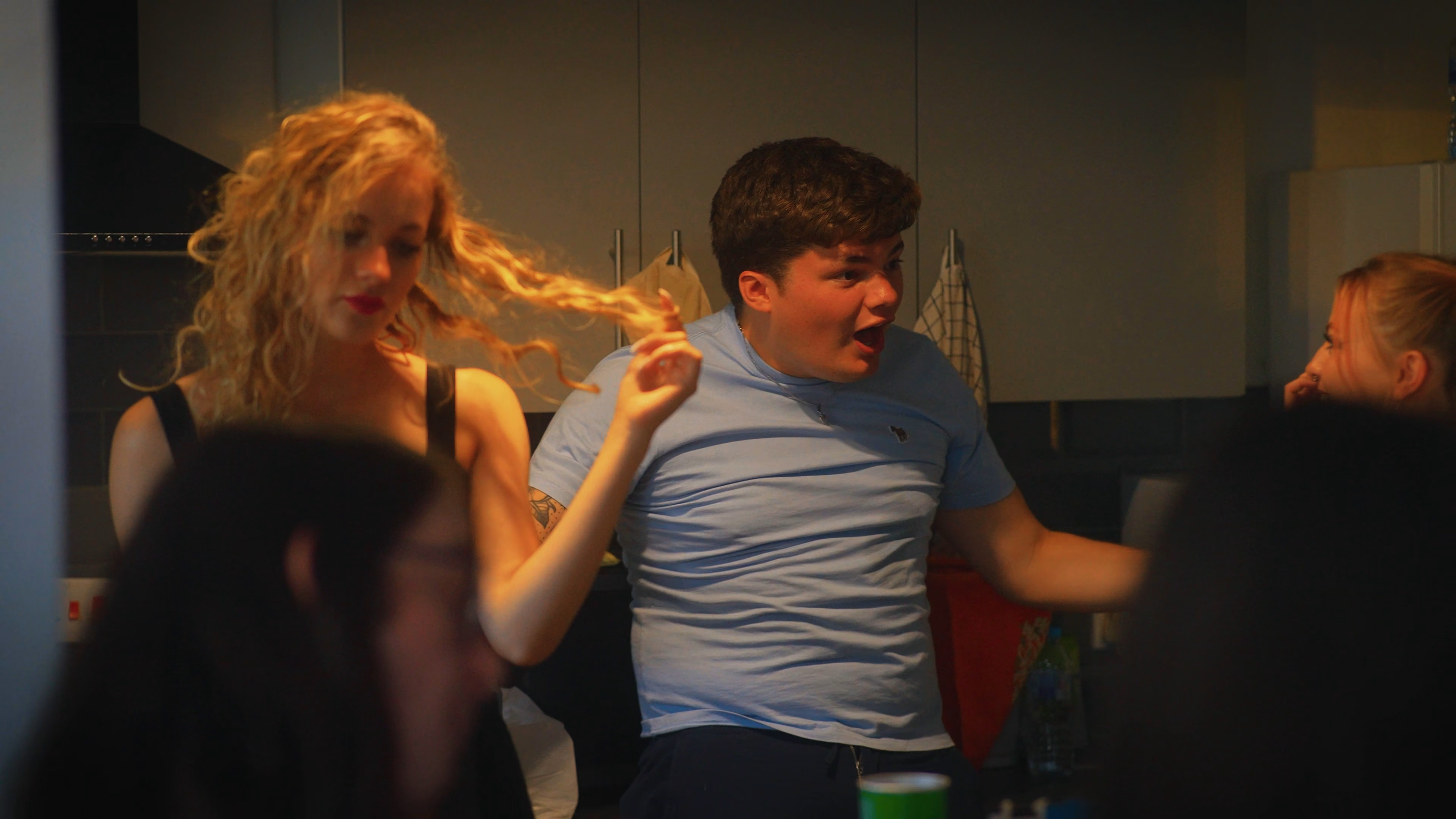
How do you film a crowded flat party?
Small locations remove many of the comfortable options available on a conventional set. There may be no clear route around the subject, no place to establish a large lighting setup and no guarantee that a frame will remain unobstructed.
Instead of fighting those conditions, the Mystery Man film used them. Foreground faces, reflections and partial views made the camera feel embedded in the event. Tight performer details were balanced with wider frames that explained how many people were packed into the room.
Exposure also had to follow the practical red, violet and cyan light in the flat. Retaining that colour was essential: it connected otherwise spontaneous material and gave the final grade a consistent late-night atmosphere.
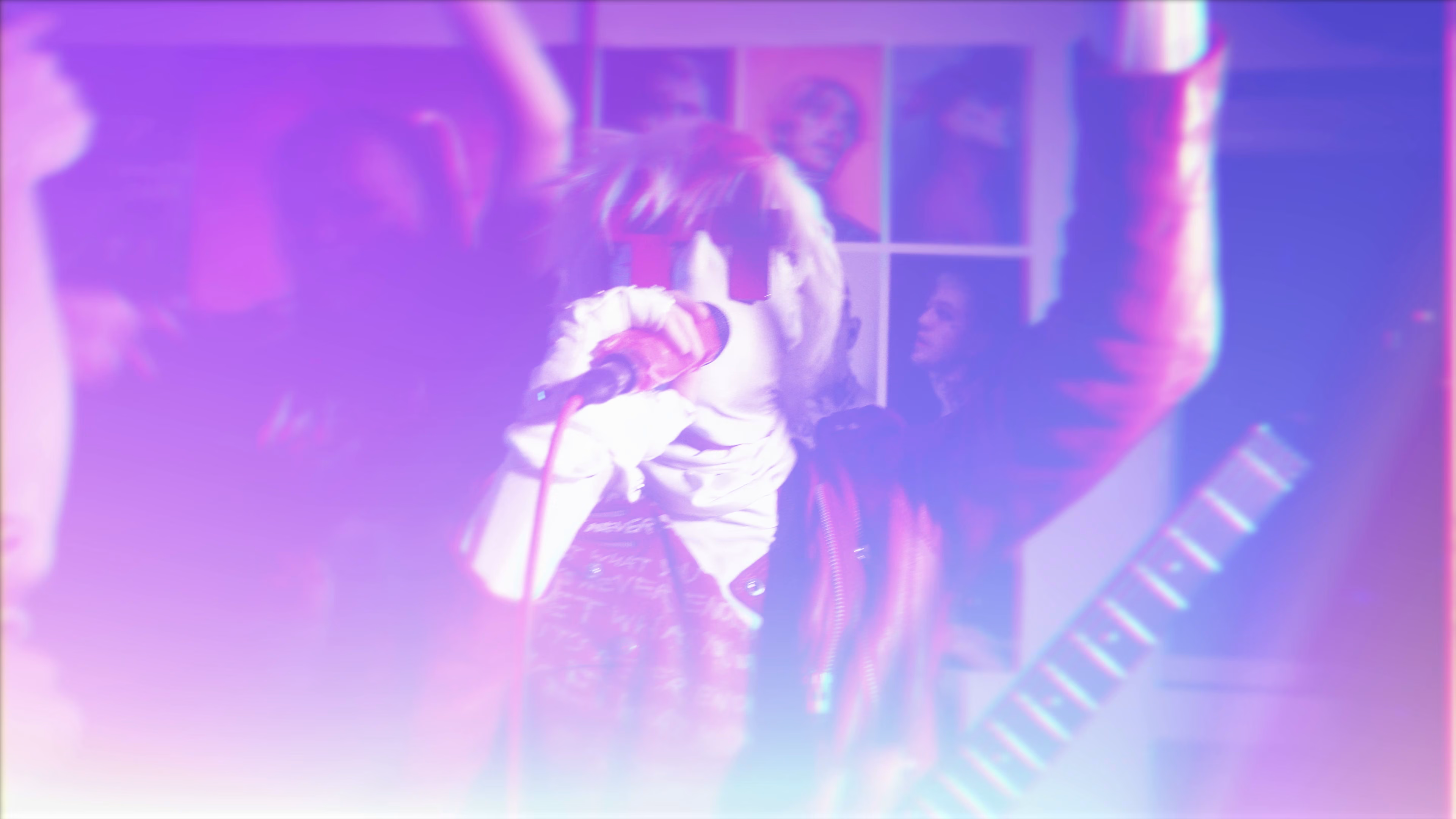
Give the supporting camera a clear remit
When multiple people are filming at the same location, a second camera is most useful when its role is defined. Repeating the hero camera’s angles can create duplication and place operators in one another’s way. A support camera can focus on reactions, transitions, texture and self-contained moments that the principal unit may not need.
That is how we approached this production. The official video remained another videographer’s responsibility. Our coverage followed the people and atmosphere around it, allowing the short film to complement the main shoot without presenting itself as the main shoot.
Artists planning music video production should decide before the day whether they need a making-of film, social-first coverage, stills or a bank of modular footage. The choice affects where the camera needs to be and what it should prioritise.
Capture images that can survive outside the edit
A strong main film can still be difficult to break into individual posts. Shots may depend on their place in the sequence, use an aspect ratio that is awkward for social platforms or take too long to reach the point.
Dedicated support coverage can hold recognisable compositions, isolate the artist, capture crowd reactions and leave room for text. The editor then has material that can become teasers, release-day clips and retrospective posts without dismantling the hero film.
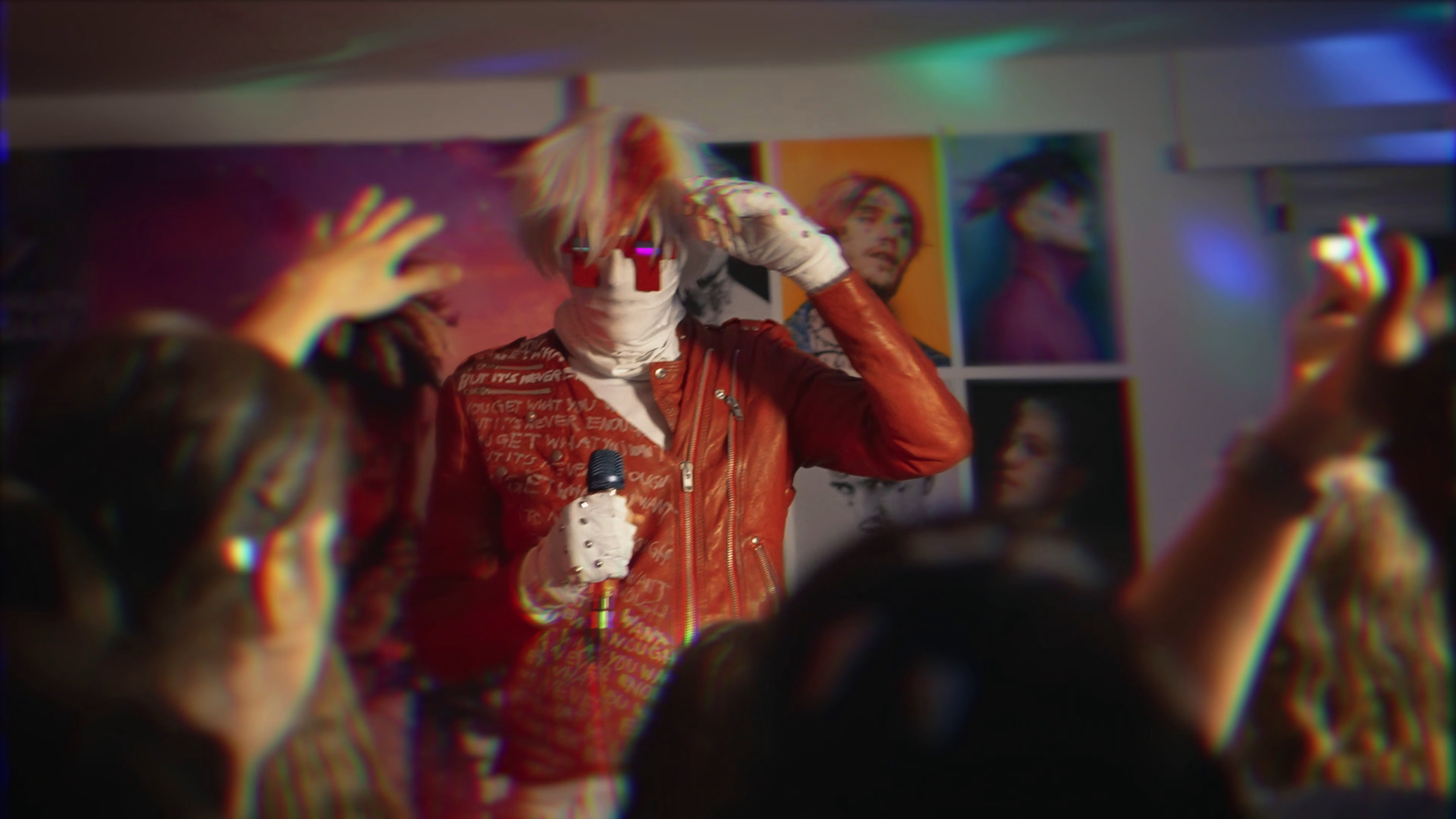
The Mystery Man footage included masked portraits, guitar details, audience faces, wider party scenes and abstract motion. That variation carried the standalone film and left multiple visual routes for shorter artist content.
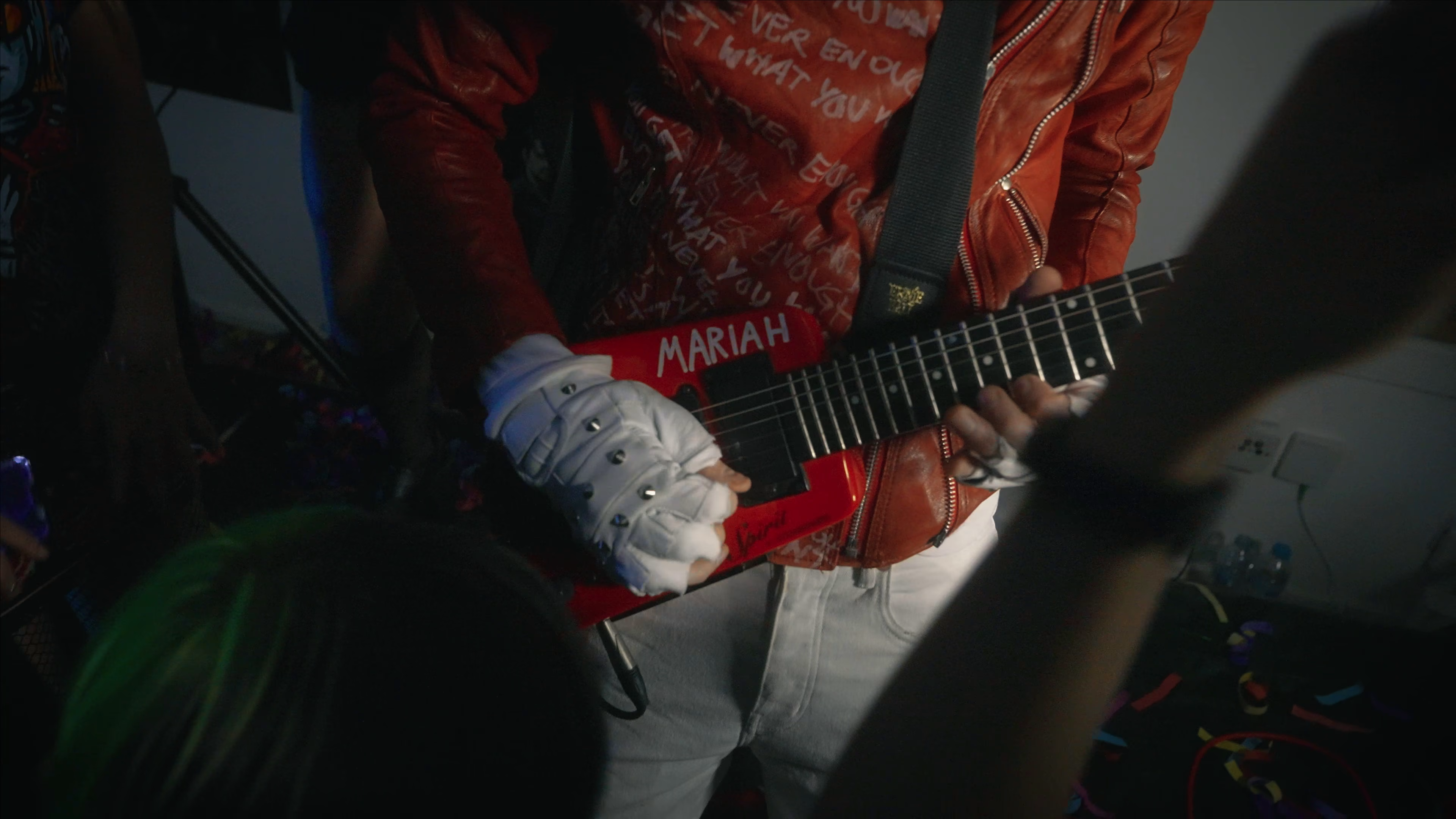
Support content should still feel authored
Speed does not require the work to look accidental. A limited colour palette, consistent camera proximity and a deliberate rhythm can make observational footage feel like part of an artist’s world.
For Mystery Man, blur and obstruction were used selectively rather than applied to every shot. Clean images made the masked character readable; more fractured images suggested the confusion and movement around him. The contrast stopped the visual treatment becoming a gimmick.
You can watch the Mystery Man short-form film case study and see the complete gallery from the London shoot.
Planning content around your next music release
Start with the release plan rather than the camera list. Identify the hero video, the platforms that need shorter material, the moments in the campaign when new content will be required and whether the audience would value access behind the performance.
The Camera Guys creates music videos, artist content and social media video production across London, Essex, Suffolk and the wider UK. We can also combine that work with live event videography when a performance or audience forms part of the story.
If you want one production day to create more than one useful film, tell us what you are planning and we will help shape the coverage around the release.