
Video Production in Suffolk: What Businesses Actually Need to Think About
If your business is based in Suffolk, your video does not need to look like a tourism advert for Suffolk.
A drone shot of the coast, a country lane and a nice view of a market town might establish where you are. They do not explain what your business does, why somebody should care or what makes you worth choosing.
The useful starting point is much simpler: what do people need to understand after watching the film?
Once that is clear, Suffolk becomes the setting for the story rather than the story itself.
Suffolk gives you very different places to film
A corporate interview in Ipswich is a completely different production from filming machinery on a farm outside Bury St Edmunds. A product shoot in a controlled room in Sudbury has very little in common with covering an event on the coast.
That variety is useful, but it means “video production in Suffolk” is not one particular style of filming.
A Suffolk shoot could involve:
- interviews with the people behind a business;
- a manufacturing or technical process;
- recruitment content showing the workplace;
- customer testimonials;
- agricultural or rural filming;
- product demonstrations;
- conferences and events;
- property, hospitality or visitor attractions;
- drone footage;
- or a complete library of short-form content created in one production day.
The right approach depends on what has to be shown.
For a business film, we would usually rather spend time filming the real work than disappear across the county collecting generic establishing shots.
A good location is somewhere something useful happens
Imagine a business with an office in Ipswich and a workshop twenty-five minutes away.
The office might be the better place for the managing director's interview. The workshop might be where the film becomes interesting.
If the customer wants to understand how the product is made, inspected or packed, that process deserves more screen time than the reception area simply because the reception looks polished.
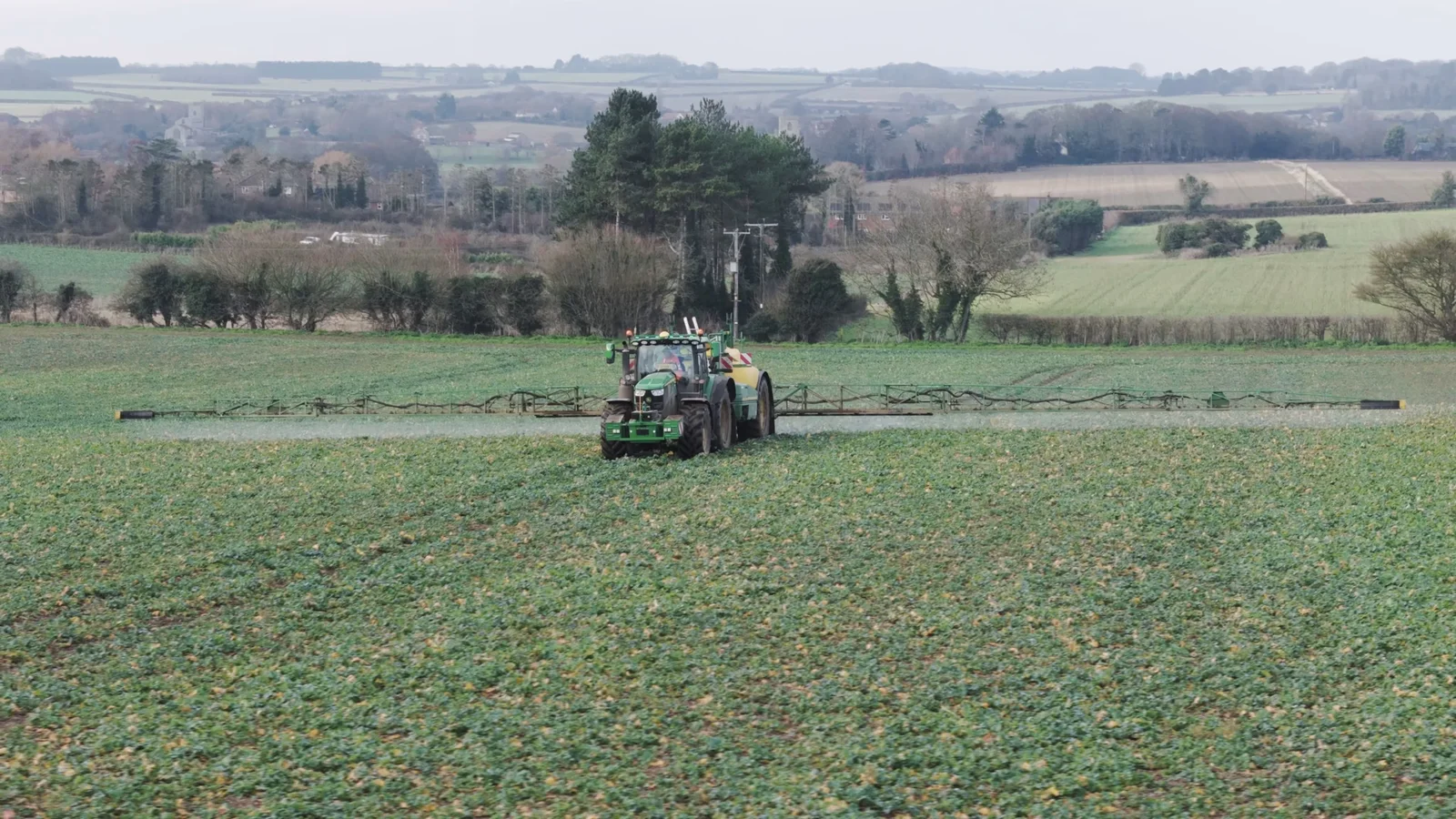
The same applies to rural businesses. A field or aerial view can show scale, but get closer and show the machinery, materials, decisions and people that make the operation work.
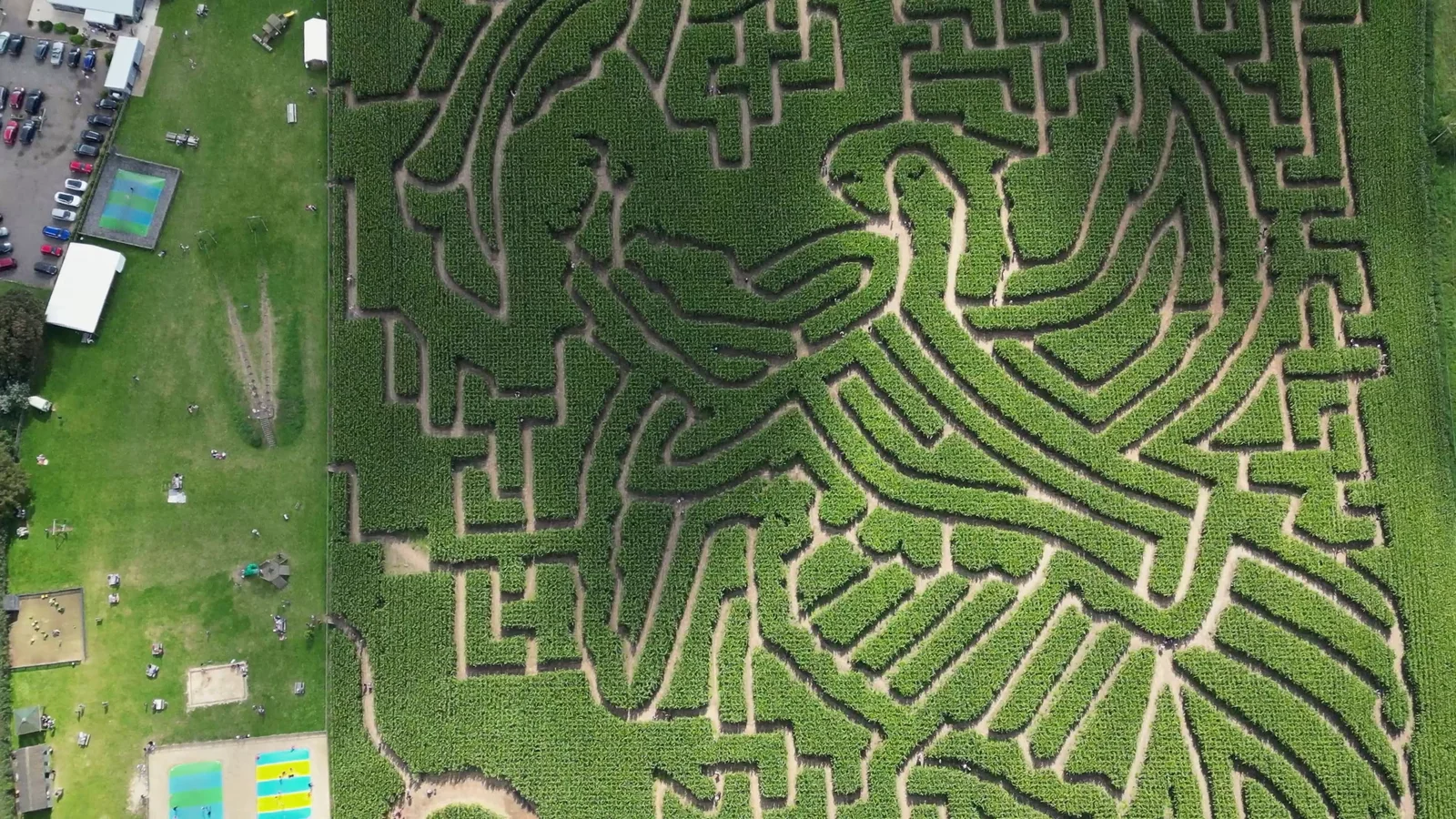
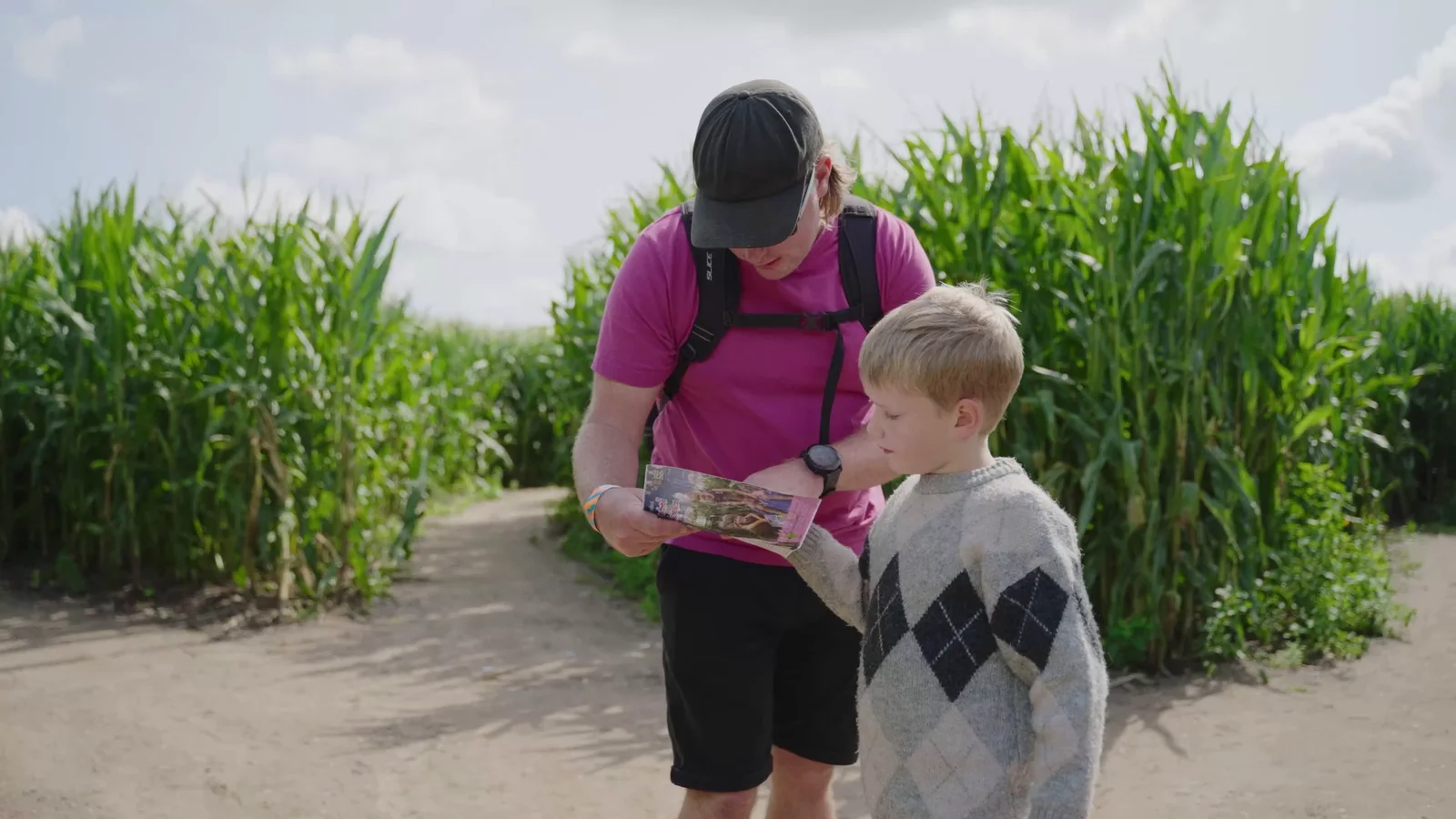
That is how we approached our Southwold Maize Maze project in Reydon. One six-hour filming day covered the maze, adventure activities, café, walks and aerial views. The resulting material became a main attraction film, a separate café and walks film, activity edits, social content and a much larger footage library.
The value did not come from filming “somewhere scenic in Suffolk”. It came from identifying everything the location could genuinely give us and filming it in a way that could be reused.
Do not waste half the filming day driving around the county
Suffolk is large enough for travel to become part of the production.
Sudbury, Ipswich, Bury St Edmunds, Newmarket, Felixstowe and Lowestoft might all sit under the same county heading, but they are not interchangeable locations on a filming schedule.
If a project needs several sites, group them sensibly.
A ten-minute interview at a second location can easily become an hour or more of production time once equipment has been packed, loaded, driven, unloaded and set up again. Add security, a site induction or a difficult loading point and the move becomes even more significant.
There is nothing wrong with a multi-location film when the locations contribute something different. Just make sure they earn their place.
If the second site only gives you a slightly different office background, it may be more useful to spend that time filming another customer, process or demonstration at the first one.
Our guide to how many videos can be filmed in one day looks at the same issue from the production-day side: the number of useful outputs depends far more on setups and access than on the runtime of the finished videos.
Rural filming needs a little more thought
Suffolk has plenty of businesses operating outside towns, and rural locations can be brilliant to film.
They can also produce problems that nobody notices while looking at a map.
Before the crew arrives, it helps to know:
- which entrance they actually need;
- where equipment can be unloaded;
- whether normal cars can reach the filming area;
- whether there is usable mains power;
- whether mobile reception is reliable;
- what happens if the ground is wet;
- who controls access through gates or secure areas;
- and whether the process being filmed happens at a fixed time.
If a machine runs once at 10:30, that becomes the anchor point for the day. The interview can probably move. The process may not.
The same applies to agricultural work. Production has to fit around the real operation, not ask the operation to behave like a film set.

Coastal shoots look easy until the wind arrives
A bright day in Aldeburgh, Southwold or Felixstowe can look fantastic on camera. It can also be extremely windy.
That matters most when somebody needs to speak.
Good microphones and wind protection help, but there is a point where an exposed interview simply becomes the wrong choice. Sometimes the better plan is to record the conversation somewhere controlled and use the coast visually elsewhere in the edit.
If an outdoor sequence is important, decide what will happen if the weather changes. Could it be filmed later in the day? Is there a covered alternative? Would the film still work without it?
That conversation is far more useful before the shoot than while six people are standing in the rain waiting for a forecast to improve.
Public locations need checking before the camera comes out
Filming inside your own premises is usually straightforward once the relevant people have agreed access.
Public areas are different.
Screen Suffolk operates the county's filming-permit system through FilmApp and says productions should apply when filming in Suffolk's public areas, including small crews. Its current guidance also requires proof of £10 million public-liability insurance for permission to film or carry out commercial photography in public areas.
If a public location is important to the film, check the exact camera position and requirements in advance rather than assuming a small crew will automatically be exempt.
Screen Suffolk's current permit information is the right place to check the process.
Private land has its own permissions. A café terrace, business park, marina, estate road or apparently public courtyard may still belong to somebody who needs to approve commercial filming.
Drone footage is useful when it actually shows something
Suffolk lends itself well to aerial filming. Farms, industrial sites, large properties, coastlines and infrastructure can all benefit from seeing the wider picture.
But a drone is not a compulsory part of a professional video.
Use one when altitude explains scale, layout or location better than a camera on the ground.
For the Southwold Maize Maze project, aerial footage showed something the ground camera physically could not: the design and scale of the maze itself.
For a small office interview, a drone shot of the roof may add very little.
Every proposed flight also needs to be assessed for the actual location, airspace, people and operating conditions. The CAA's current drone guidance should be checked for the flight rather than assuming that permission from the landowner settles everything.
A useful production plan also has a ground-based alternative when the aerial filming cannot safely or legally go ahead.
Being local is useful. It is not the reason to hire somebody.
We are based in Great Cornard, near Sudbury, so Suffolk is genuinely local territory for us. We also work across Essex, Cambridgeshire, London and throughout the UK.
Being nearby can make planning easier. It can reduce travel on a local shoot and it helps to understand the geography of the area.
It should not be the deciding factor.
When comparing Suffolk video production companies, look at the finished work first.
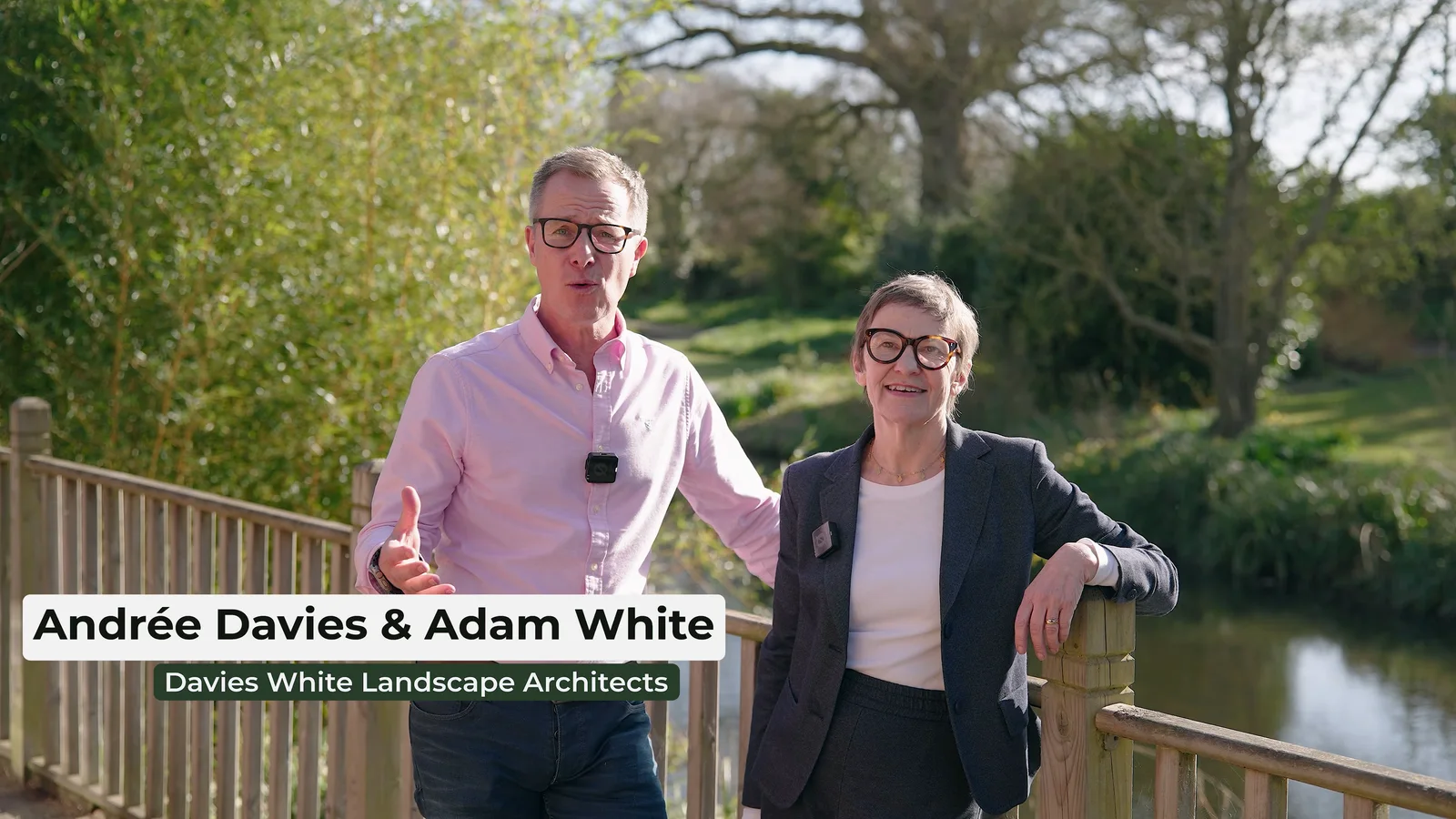
Can they film people who are not professional presenters? Can you understand the interviews clearly? Do their business films actually explain anything? Have they worked in environments resembling yours? Can they scale the crew when a single operator is not enough?
Then ask how the project will work.
Who is planning it? Who turns up on the day? Who edits it? What exactly is included in the quote? How many finished videos are you buying? What happens if the brief grows?
Our guide to choosing a video production company goes into those questions in more detail.
What should you send when asking for a quote?
You do not need a finished script.
A genuinely useful enquiry might be as simple as:
We are a Suffolk engineering company and want a film for the website showing how one of our products is built. We can film at our workshop near Bury St Edmunds. We would like an interview with our technical director, footage of the manufacturing process and a shorter version for LinkedIn. We are hoping to film in November and launch the new website in January.
That gives a production company something real to work with.
It identifies the subject, location, contributor, main film, additional version and deadline.
Compare that with:
We need a professional promotional video. How much?
The second enquiry could describe an hour-long interview, a three-day commercial or almost anything in between.
If you only have the rough idea, that is fine too. Pre-production is where the idea gets turned into something filmable.
Video production in Suffolk, without making Suffolk the gimmick
There is plenty worth filming here: manufacturers, farms, venues, hospitality businesses, professional services, technology companies, charities, events and organisations doing work that deserves to be shown properly.
The location can give a film character. The substance should still come from the business.
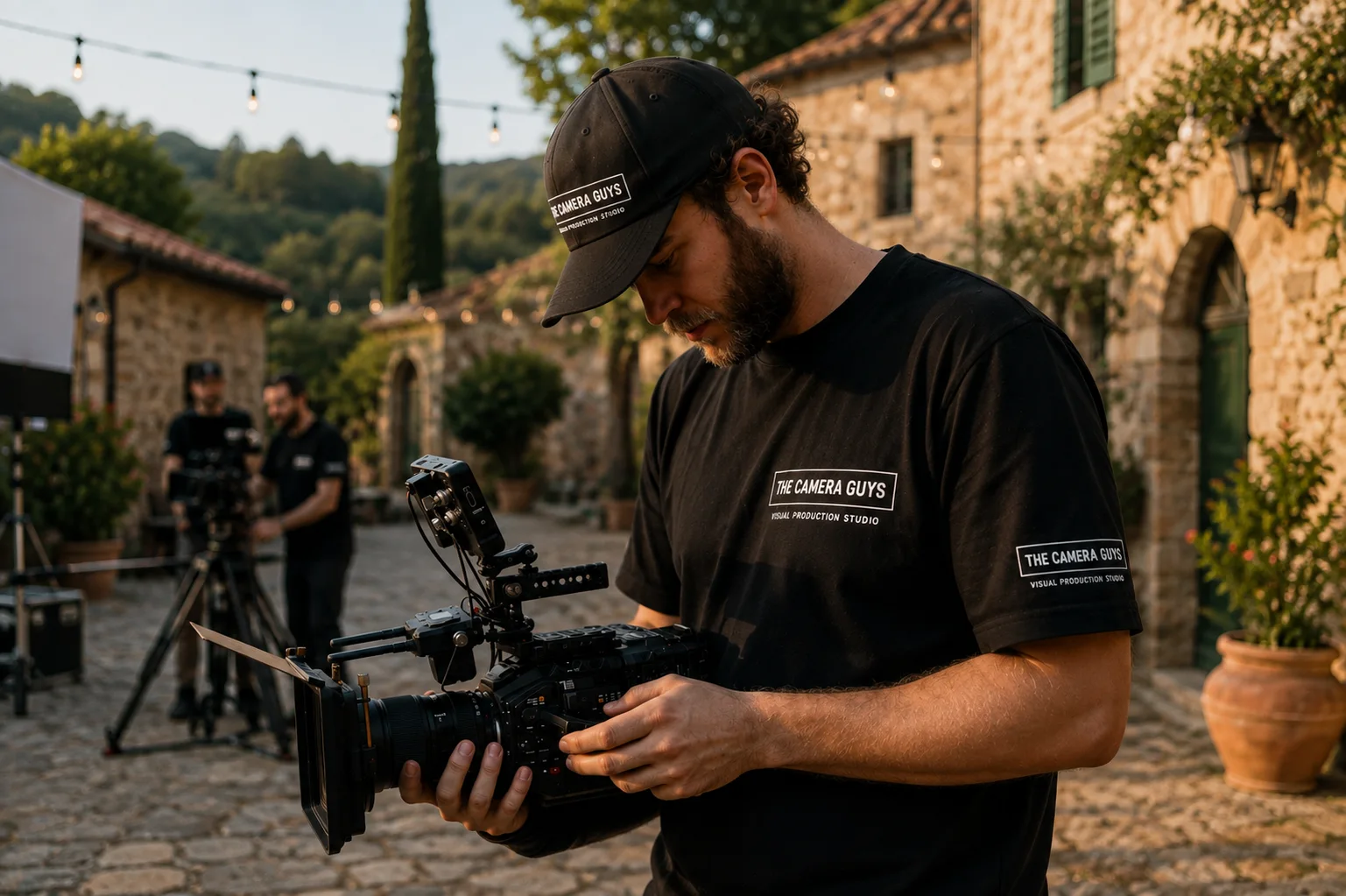
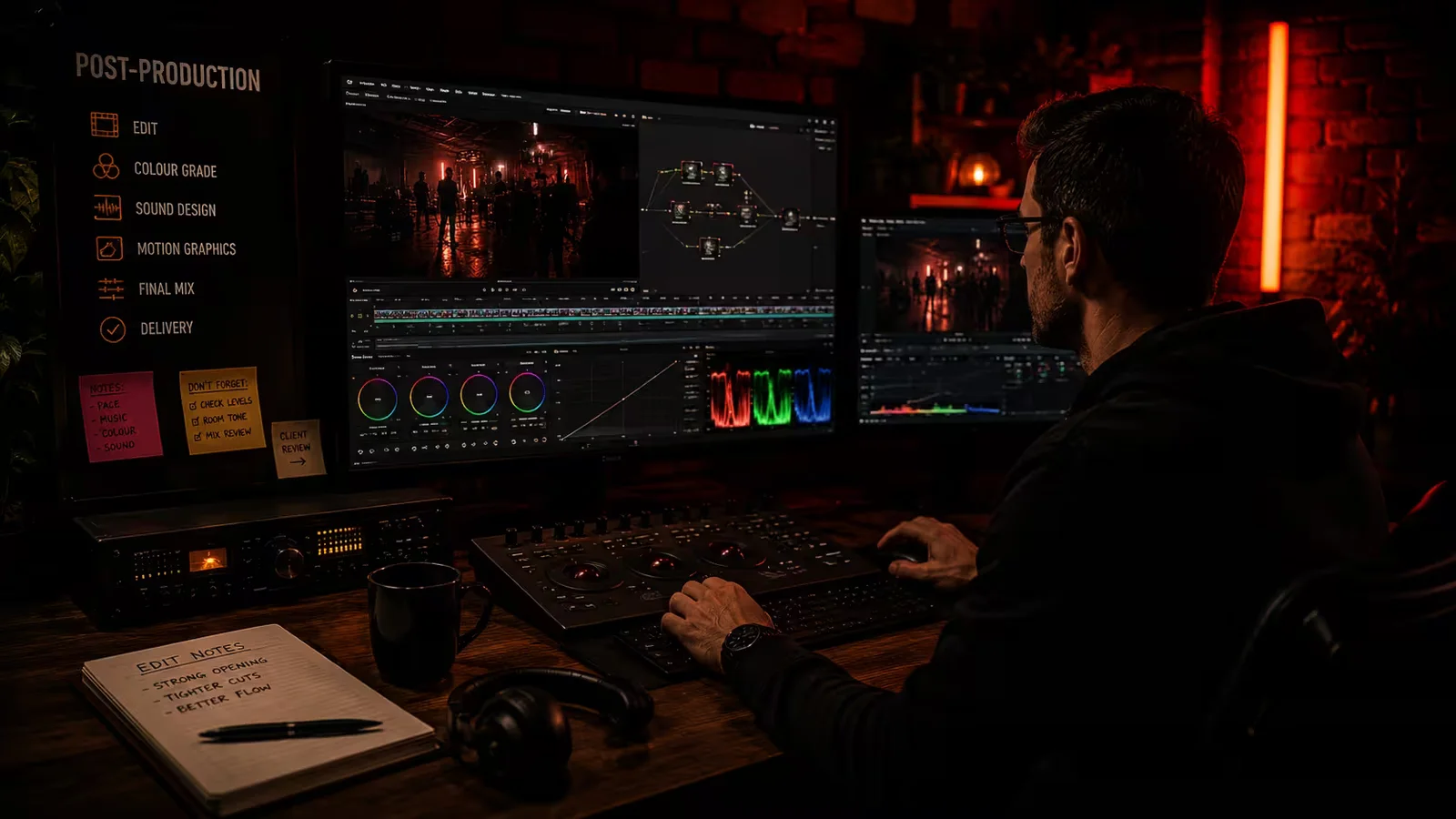
At The Camera Guys, we provide video production and professional videography from our Suffolk base, from straightforward interviews and filming days to larger productions involving multiple cameras, photography, drone footage and post-production.
If you have a project in Ipswich, Bury St Edmunds, Sudbury, Newmarket, the Suffolk coast or somewhere considerably harder to describe, send us what you know so far.
A rough brief is enough to start.