
How Many Videos Can You Film in One Day?
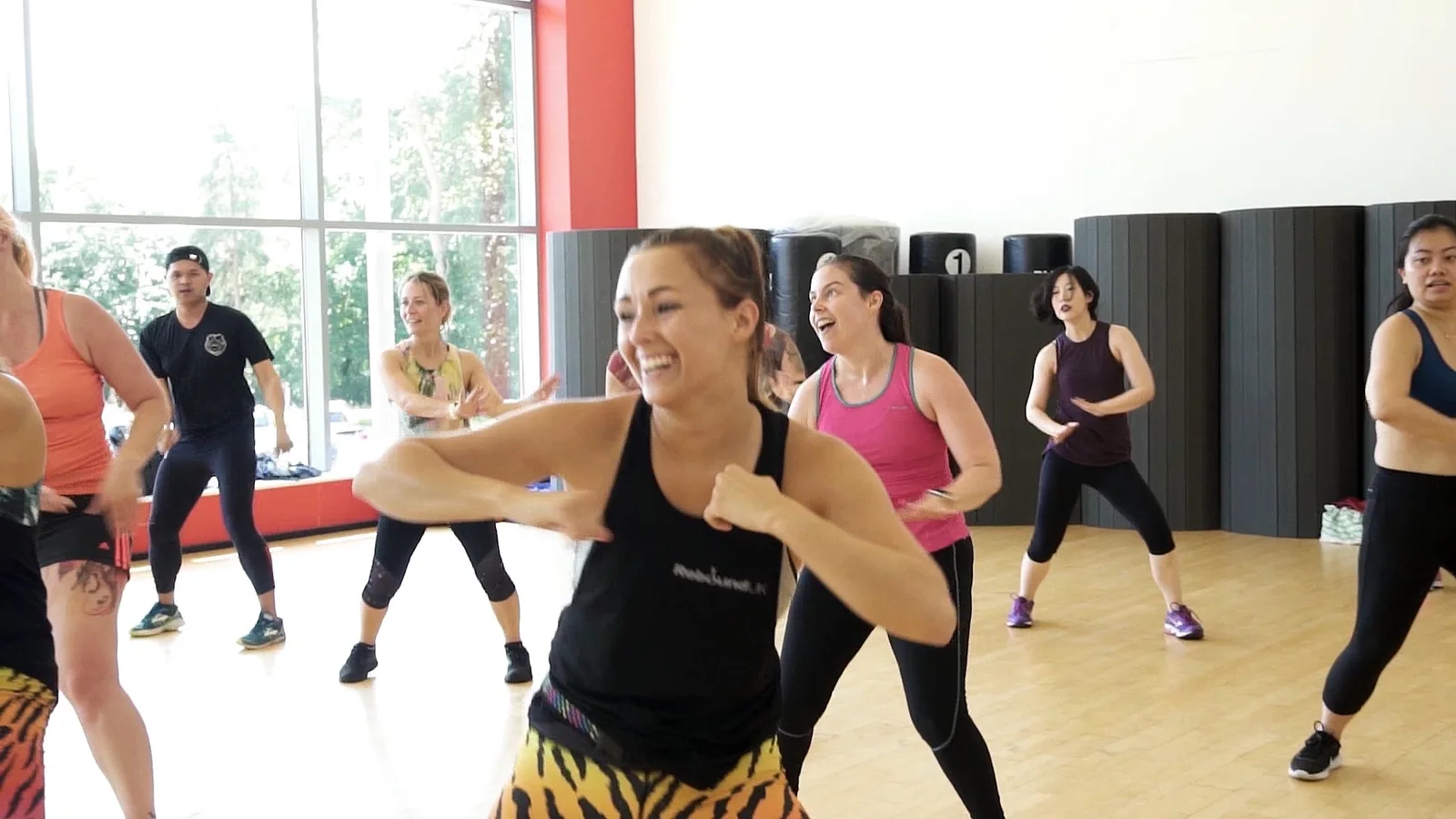
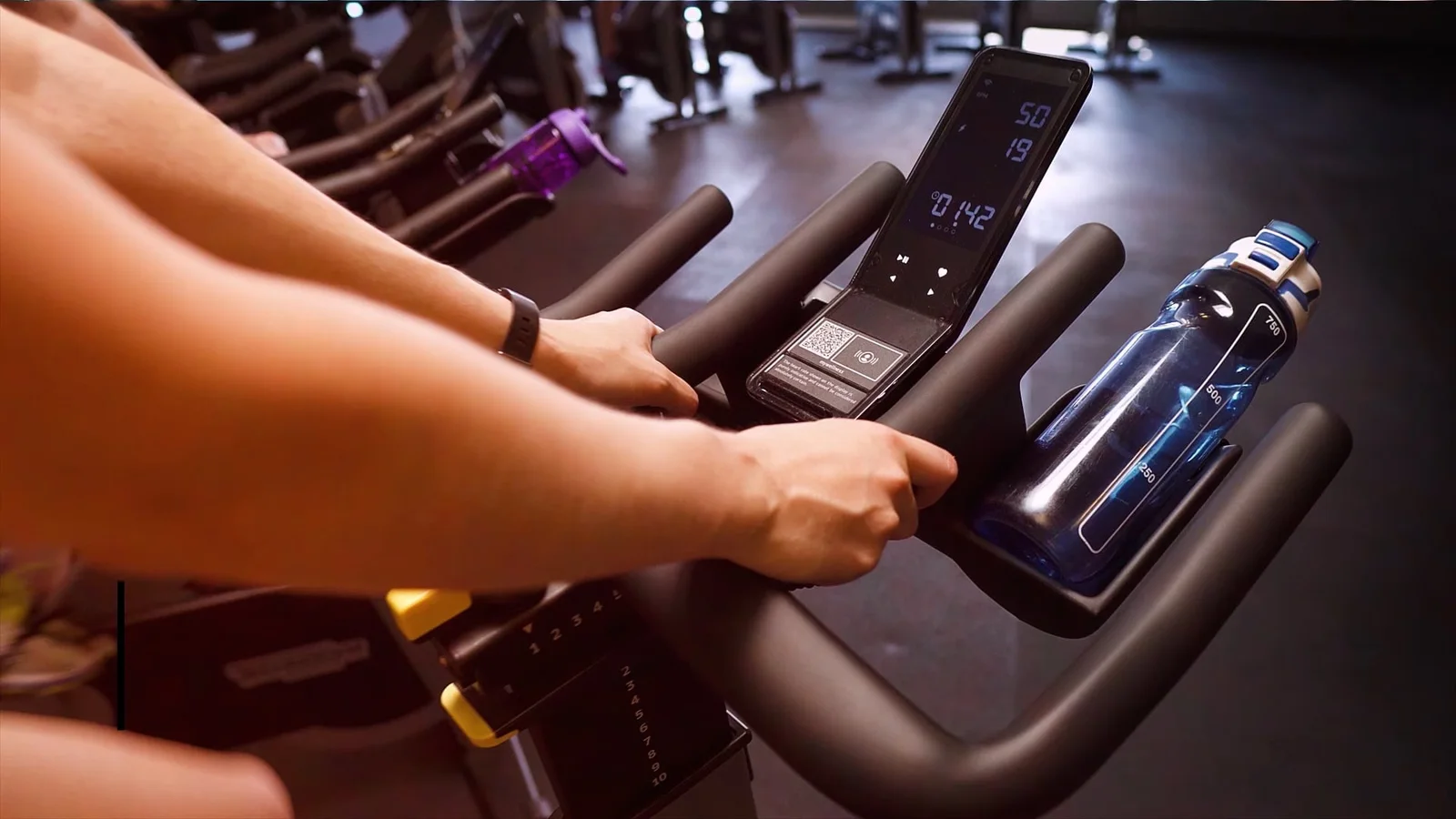
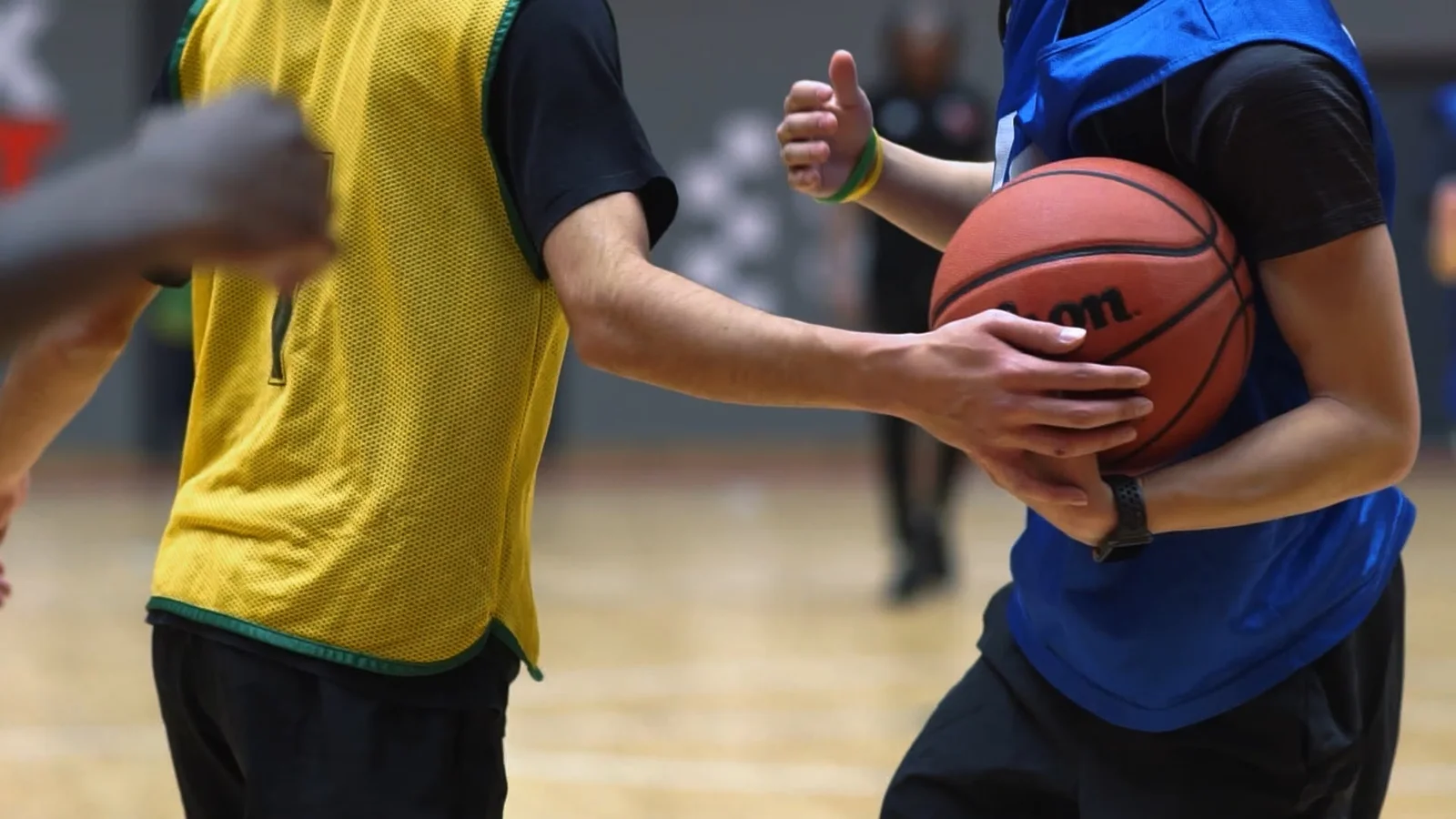
For Essex Sport, one filming day gave us the material for 20 separate sports and fitness videos. One videographer followed a planned route around the University of Essex campus, gathering footage for an individual promotional edit of each activity.
The brief made that possible. We were filming classes, facilities and sport in action, working through views of the setting, the activity and the details that made each one different. We weren't building twenty sets or asking twenty people to learn a script.
That was the first day of a wider project. A gym induction and later finals coverage involved separate visits; they should not be counted as part of the same day's output.
One day can supply a whole series of videos, but the number needs a brief behind it. A batch of short answers, a collection of activity films and a carefully staged product advert ask very different things of a crew. The finished runtime alone won't tell you how long they need to film.
A six-video shoot, on paper
Consider this illustrative brief for a business selling commercial equipment:
"We want four short videos answering questions customers ask before buying, plus two demonstrations showing how the equipment works. Our sales manager can answer the questions, and a colleague can demonstrate both products at our premises."
That gives us six pieces to plan, with two people and one main location. It is a starting point for discussing a day's coverage, not a six-video package or a promise that any two demonstrations will fit.
For the spoken answers, we would look at keeping the interview setup in place while working through the four topics. There is no need to dismantle the lights and move rooms between questions unless the change adds something worthwhile.
The questions should be agreed beforehand. Ask the sales manager to think about the facts and examples they want to cover, rather than memorising a speech. During filming, leave room to explain an unclear point or try an answer again. Our guide to natural corporate interviews covers that preparation.
Each answer also needs to make sense when watched alone. "As I mentioned earlier" may refer to a video the viewer has never seen. Ask for the product or subject by name, and record a fresh opening where needed.
For the demonstrations, work out what has to be shown and how long the real action takes. Can the equipment be reset for another take? Do we need to see a small control, a change on a screen or the finished result? Those details belong in the plan for a product demonstration film, even when the final edit will be short.
Then allow time for relevant workplace footage, breaks, any missing shots and packing away. Confirm the booked hours and what they include. A day on location is not a day of uninterrupted recording.
Our shoot preparation guide covers getting the people, rooms and equipment ready. The aim is to reach filming day with those arrangements settled, rather than spend the morning finding the right product sample.
The requests that change the answer
The six-video brief above could remain fairly contained. A few additions could turn it into a different production.
"Let's film each answer somewhere different."
That may make sense if the location helps explain the subject. But moving a speaker from the office to the workshop also means moving equipment, checking the light and finding out whether the machinery can be heard over the conversation. Put the whole change in the schedule, not just the walk between rooms.
"Can we include a few more people?"
Decide what each person will contribute and when they can be available. An interview slot includes getting comfortable, fitting a microphone, adjusting the shot and allowing another attempt. Don't calculate it from the thirty seconds you hope to use in the finished film.
A second crew member may help when there are genuinely separate jobs to do. They cannot make the same customer available for two interviews at once. Match the crew to the work that can actually happen in parallel.
"We also need versions for vertical screens."
Mention that before filming. Some material can be composed to work in several formats; other shots need a separate angle or performance. A wide demonstration with two people at opposite ends of a workbench may not survive a narrow crop.
The production should accommodate the formats you need, but include that work in the original request. It is one of the details worth putting in your video production brief.
How a single shoot becomes a much larger library
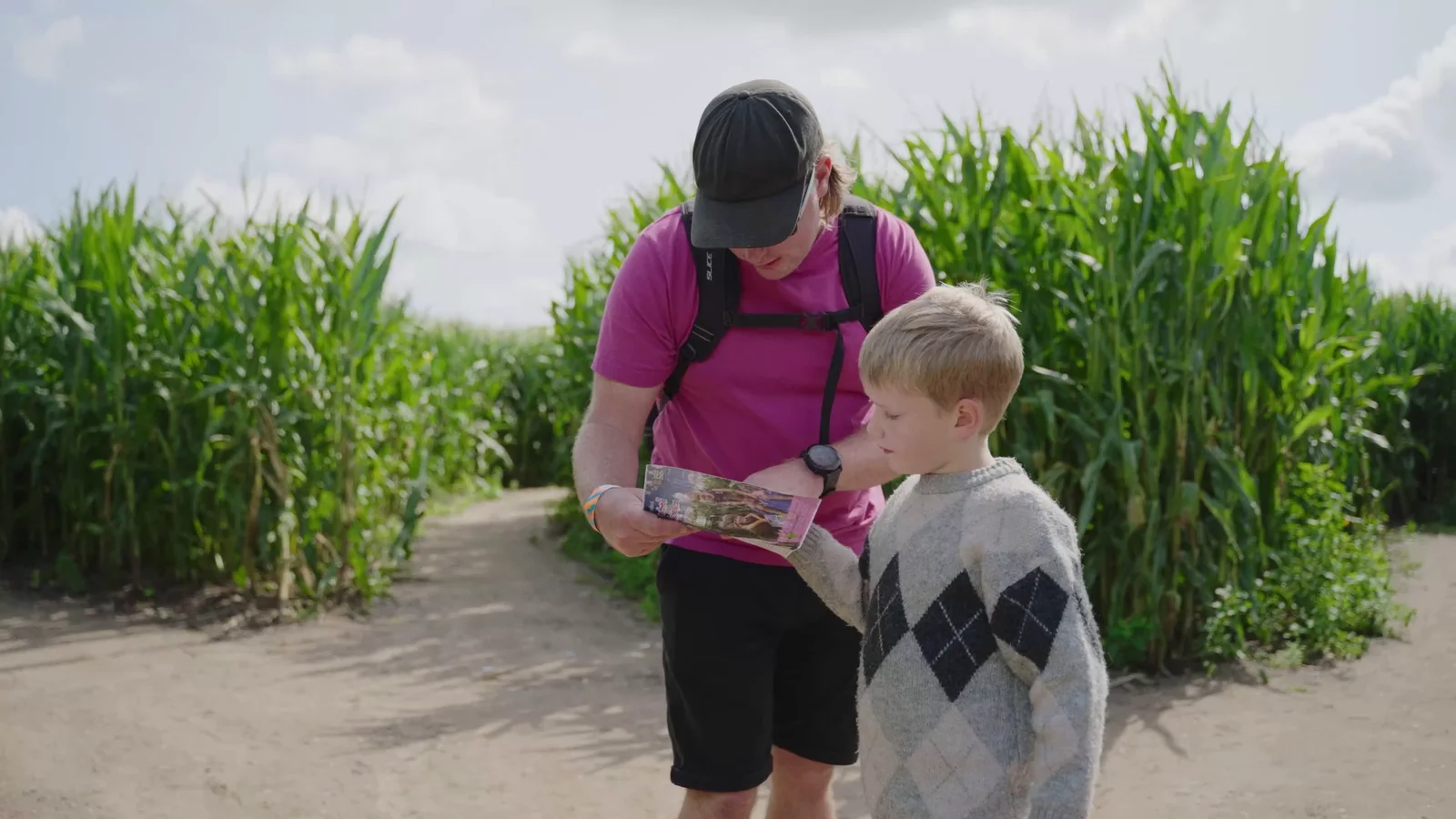
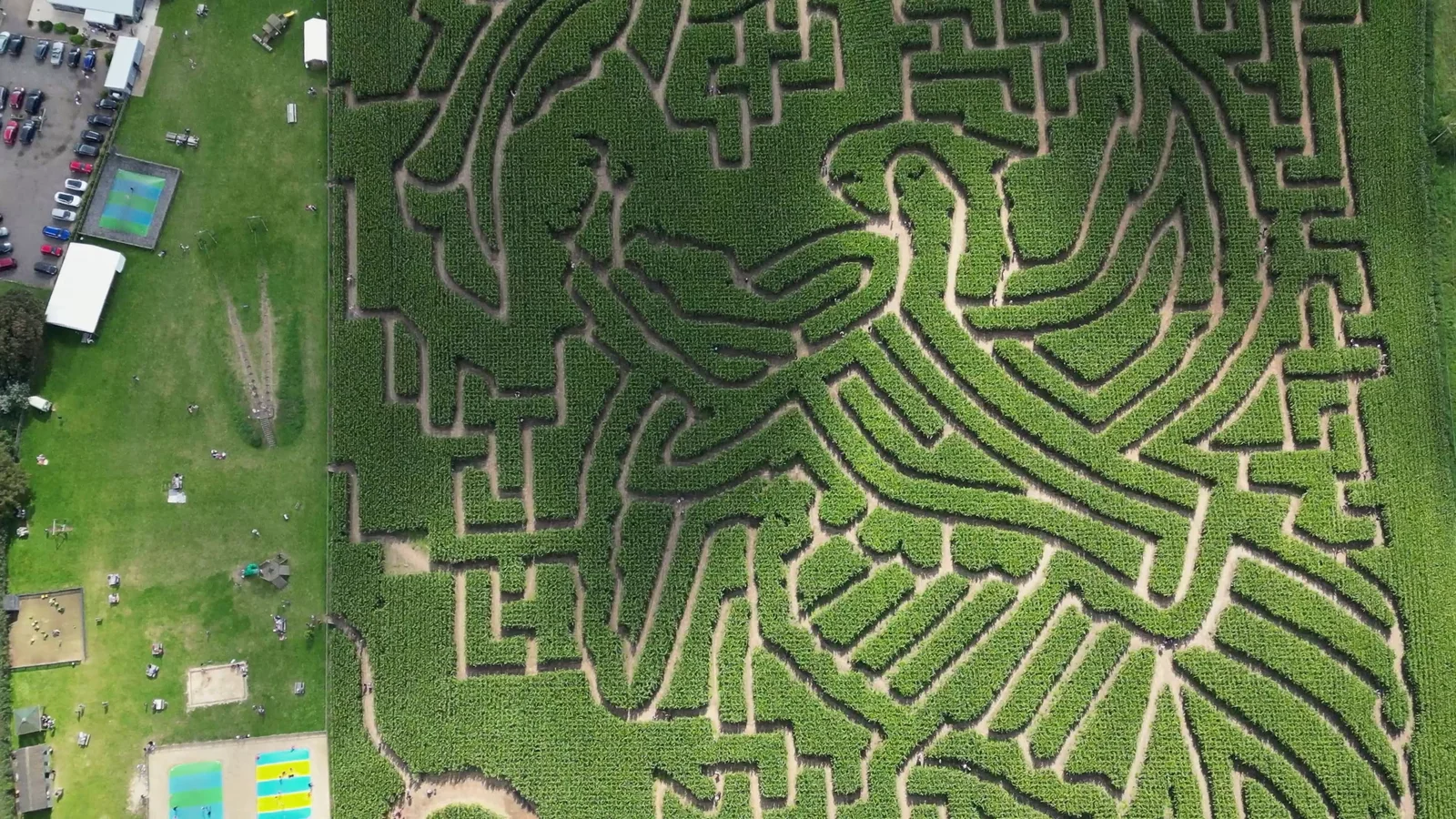
Our Southwold Maize Maze project shows another way to get more from a visit. One videographer spent six hours filming the attraction, its activities and Old Hall Café & Walks. The resulting library contained more than 100 pieces of content, including promotional films, activity edits, social content and drone footage.
That does not mean we staged a hundred unrelated films in six hours. The footage was planned for reuse: a sequence could help introduce the whole attraction, feature in an edit about one activity and supply a shorter social clip. The cafe and walks also had their own promotional film.
The useful lesson is to identify those opportunities before shooting. Record enough of a demonstration or activity for it to work on its own, even when you also intend to include it in a longer film.
Be clear about how the count is presented. Six distinct videos supplied in landscape, square and portrait formats would give you eighteen files. Those formats may all be useful, but they are still versions of six videos, not eighteen separately filmed ideas.
For planning regular releases, our guide to creating a month of social content from one filming day looks at choosing subjects and spreading the finished pieces across a publishing schedule.
Filmed today does not mean ready tonight
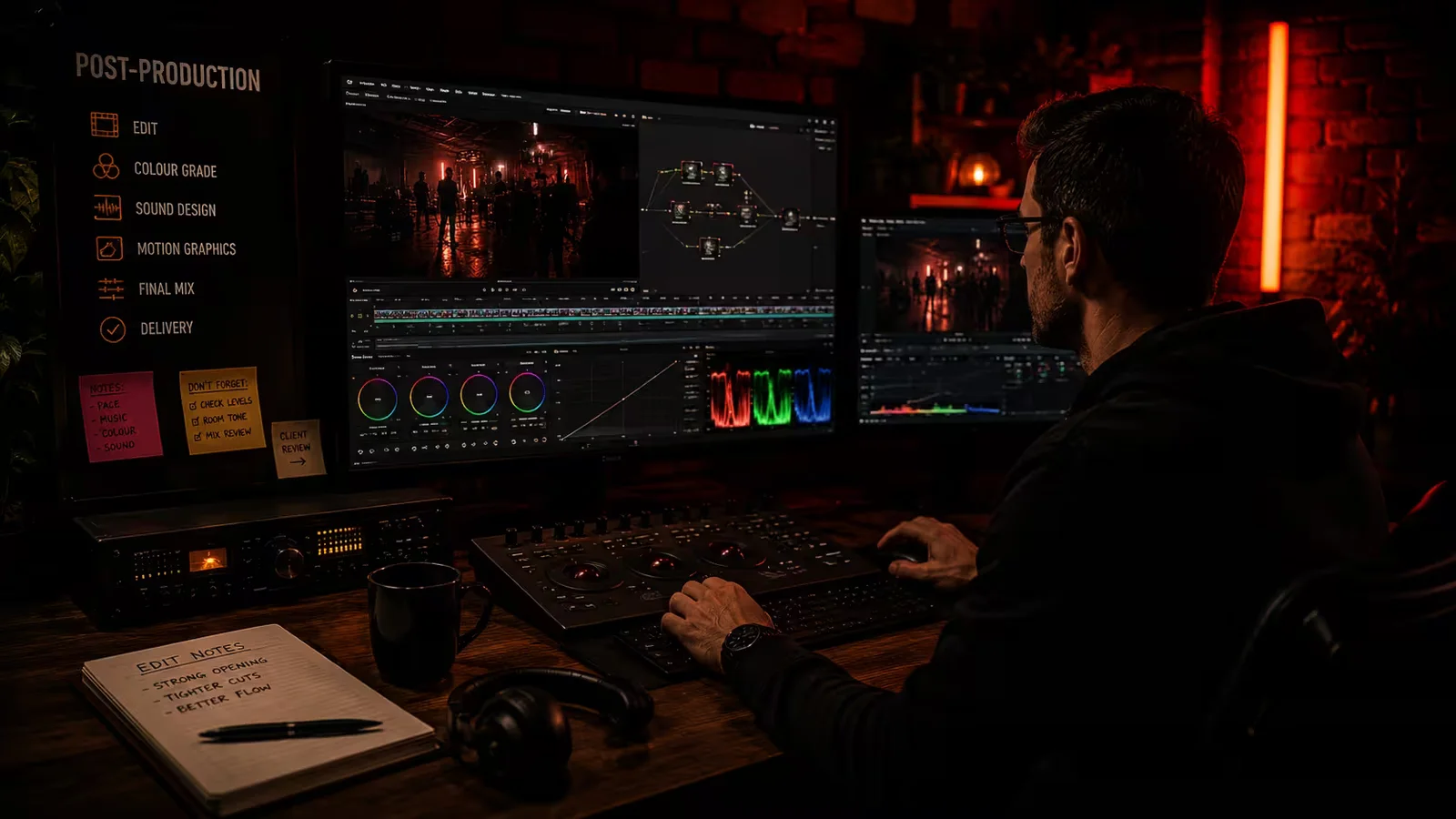
The filming day produces the recordings. Someone still needs to review the material, choose the takes, build each edit, finish the sound and colour, and prepare any agreed graphics, captions and alternative versions.
At The Camera Guys, editing and post-production are scoped around the films you need. A collection of clips pulled from an approved interview is a different editing job from six films that each need their own structure, demonstrations and graphics.
Agree the number of finished edits, review process and delivery dates before booking. Same-day clips need a separate plan; they should not be assumed to arrive because the cameras have stopped recording. Our video production cost guide explains how filming and editing contribute to the overall budget.
You can also agree to edit the highest-priority films first and revisit other material later. Confirm what will be retained, for how long and what future editing would cost, rather than assuming the entire recording will remain available indefinitely.
Give the important films enough time
Before trying to increase the total, identify the films that matter most. In the equipment example, the two demonstrations might be essential for a launch, while two of the customer questions could wait.
Give those priorities to the crew and build the schedule around any fixed availability. Keep enough room to revisit an incomplete answer or a missing detail. Optional ideas can use genuinely spare time once the essential material has been checked.
Send us your proposed video list, along with the location, people involved and a reference for the kind of finish you have in mind. We can work through which pieces share a setup, what needs its own time and whether one filming day is the right booking.
The number worth agreeing is the number of films you can properly support with the footage. Before everyone leaves, check that the important answers are complete and the demonstrations show what the viewer needs to see.