Use continuous cameras to protect the whole performance
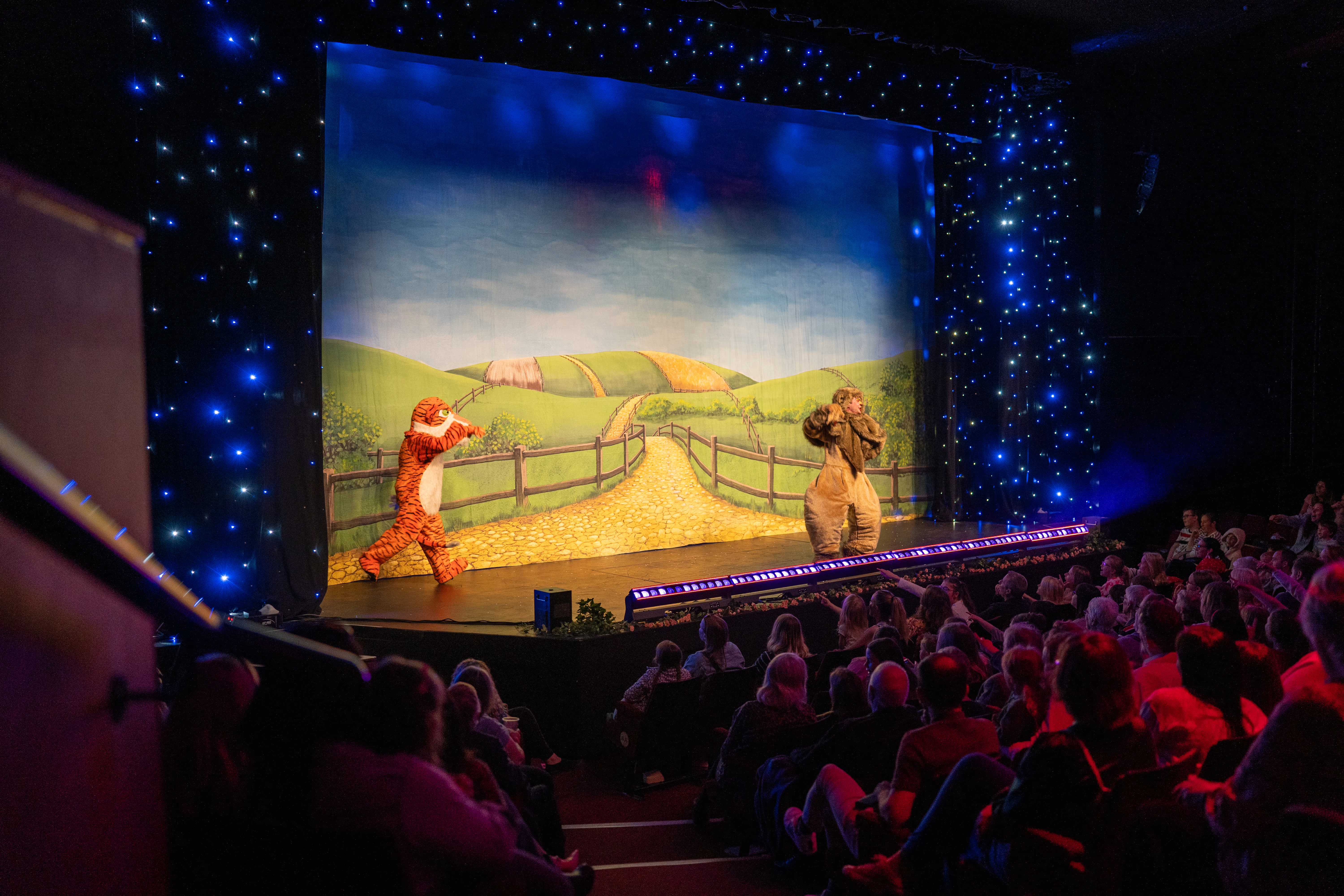
Our three cameras recorded continuously. That matters because stopping and restarting creates avoidable gaps, and a missed cue cannot be repeated in front of a live audience.
The angles need different jobs. One should preserve the geography of the stage; the others can provide closer character and group coverage. In the edit, that combination allows a cut to follow the performance without losing the audience’s sense of where everyone is.
This is one reason professional theatre videography benefits from planning around the finished programme rather than simply adding more cameras.
Keep performance photography discreet
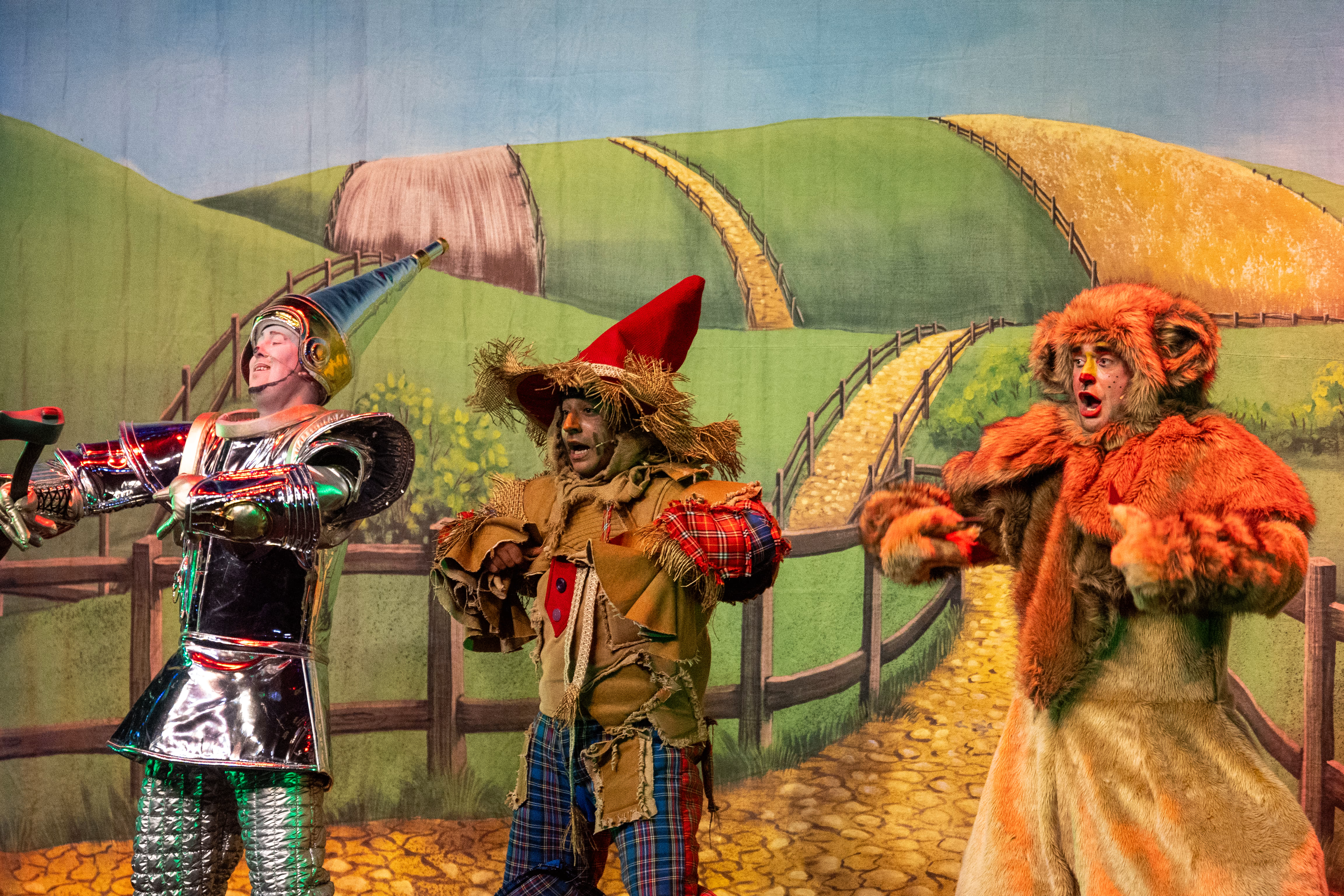
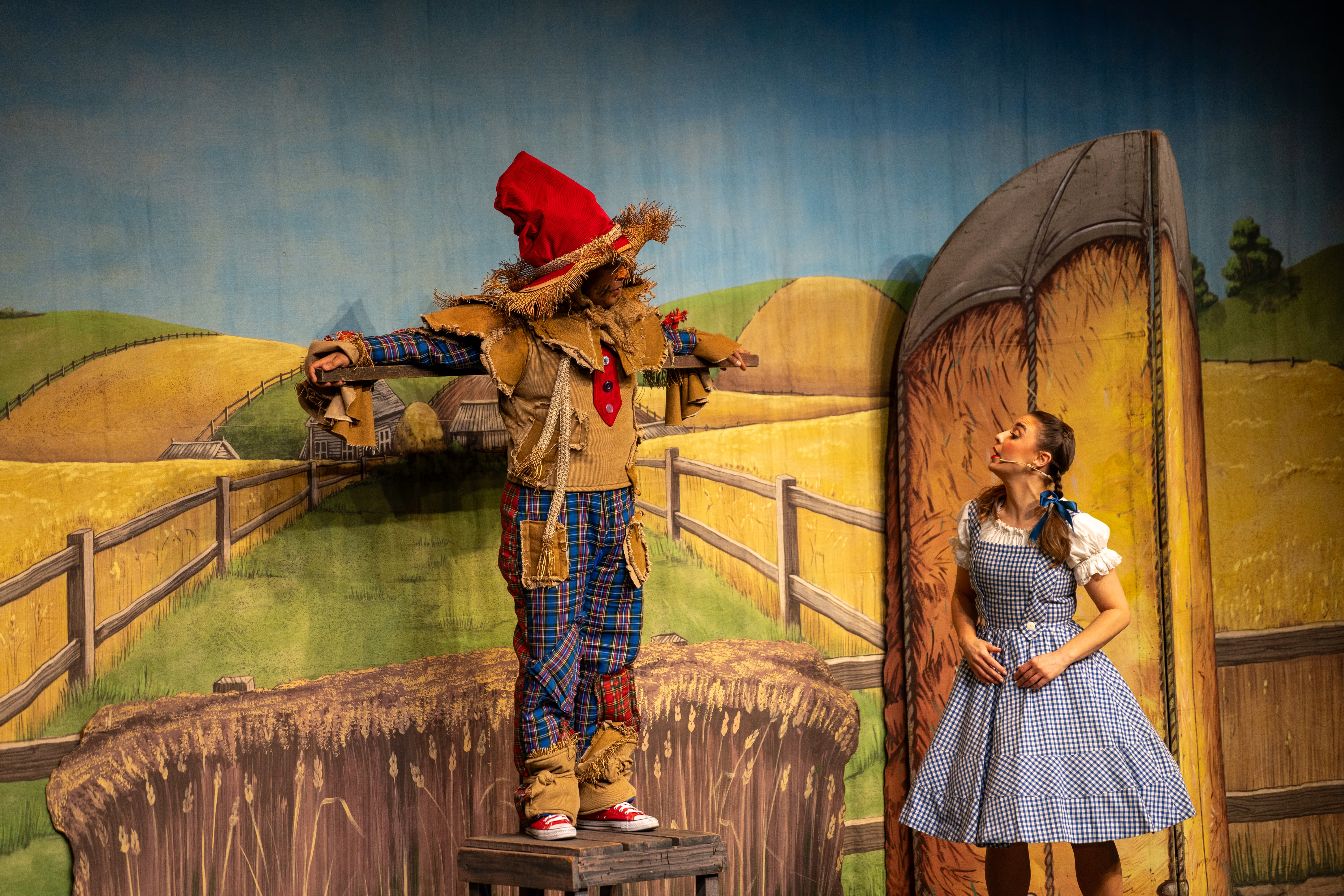
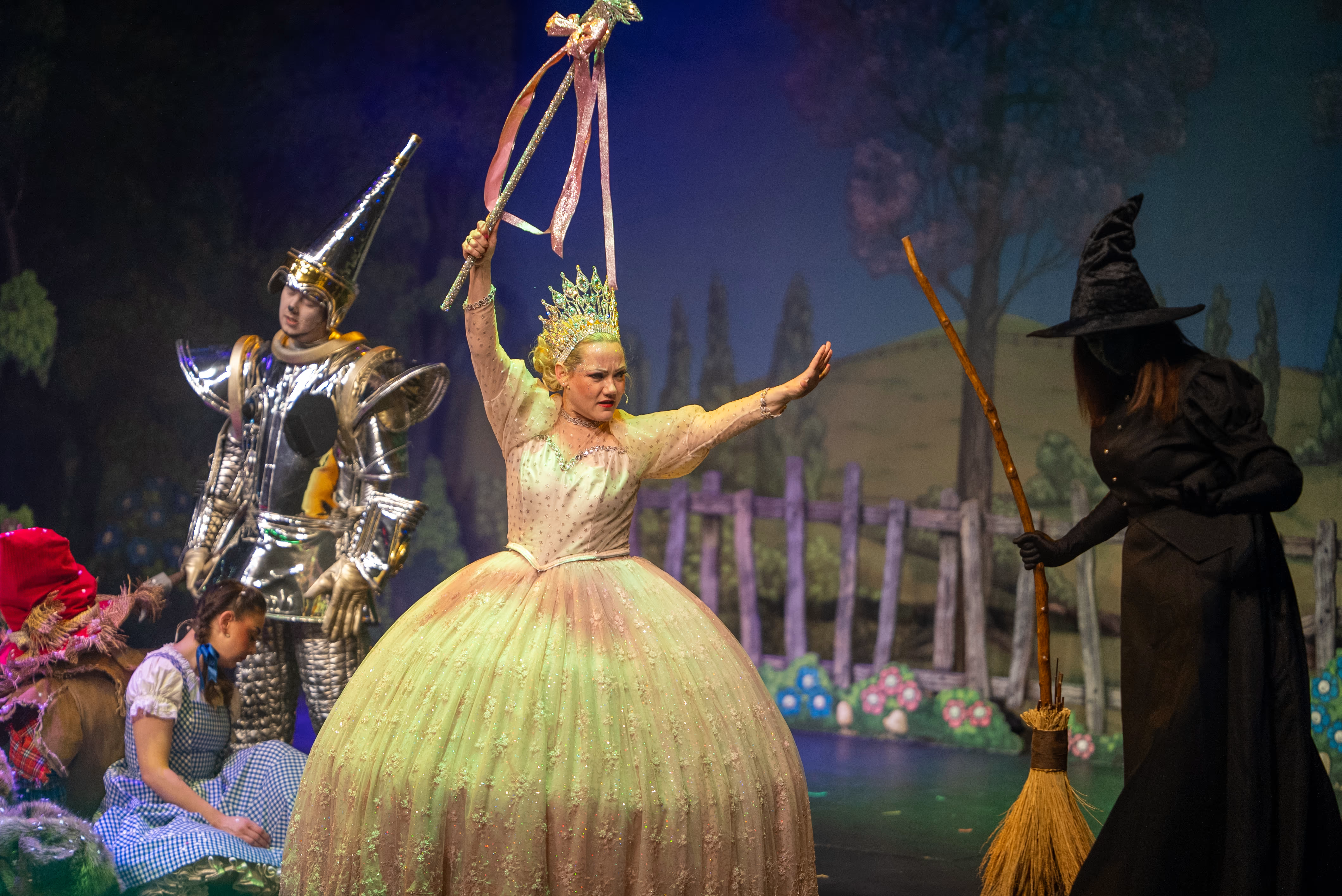
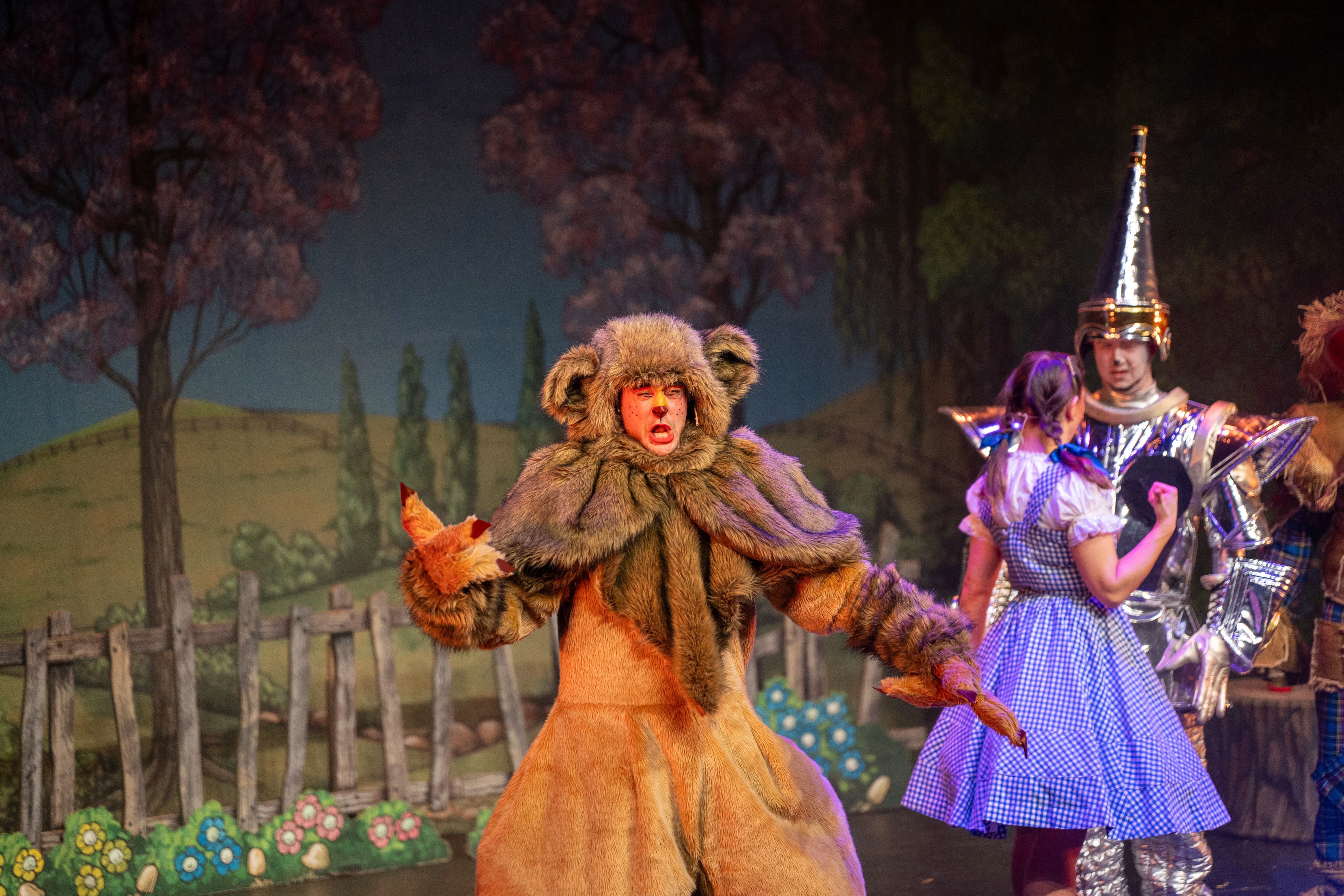
A photographer has to work within the same live environment. Flash would have distracted the performers and the audience, so the photographs were made using the available stage lighting.
A 35–150mm lens gave our photographer the flexibility to frame full-stage scenes, groups and tighter character moments without moving around the auditorium. The result was a varied promotional library while the performance itself remained the priority.
When photography and video are needed together, a dedicated event photographer can concentrate on decisive still moments while the videographer protects continuous coverage.
Take a clean audio feed and record it safely
Good pictures cannot rescue unclear dialogue or music. We took a professional line output into a Zoom H3 recorder and captured it in 32-bit float, giving the edit a clean feed from the show and additional headroom for the dynamics of a live performance.
The feed still needs to be checked before curtain-up, and camera audio remains useful for reference and synchronisation. The goal is to arrive in the edit with a dependable master source rather than trying to repair distant auditorium sound.
Our guide to why professional audio matters explains the wider role sound plays in video production.
Filming two performances adds useful protection
Polkadot Pantomimes booked coverage of both Mercury Theatre performances. That gave us two complete sets of material and reduced the risk attached to relying on a single live show.
The finished full-length multicamera programme was built from one night, but the second recording still mattered. Live productions can contain unpredictable moments, and a second performance provides practical resilience while preserving a truthful record of the show.
Plan the long film and social edit as separate deliverables
A complete performance film and a short teaser do different jobs. The first needs continuity and clear storytelling across the whole show. The second needs a quick selection of visually legible moments that can introduce the production on Instagram, TikTok and other social channels.
Planning both outputs from the outset helps the cameras collect material that works at each length. It also gives the client more value from the same production: an archival or audience-facing full programme alongside a compact promotional asset.
Our videography and photography pricing guide explains how crew, coverage and editing scope shape a quote for this kind of project.
Theatre filming succeeds when the crew becomes part of the planning
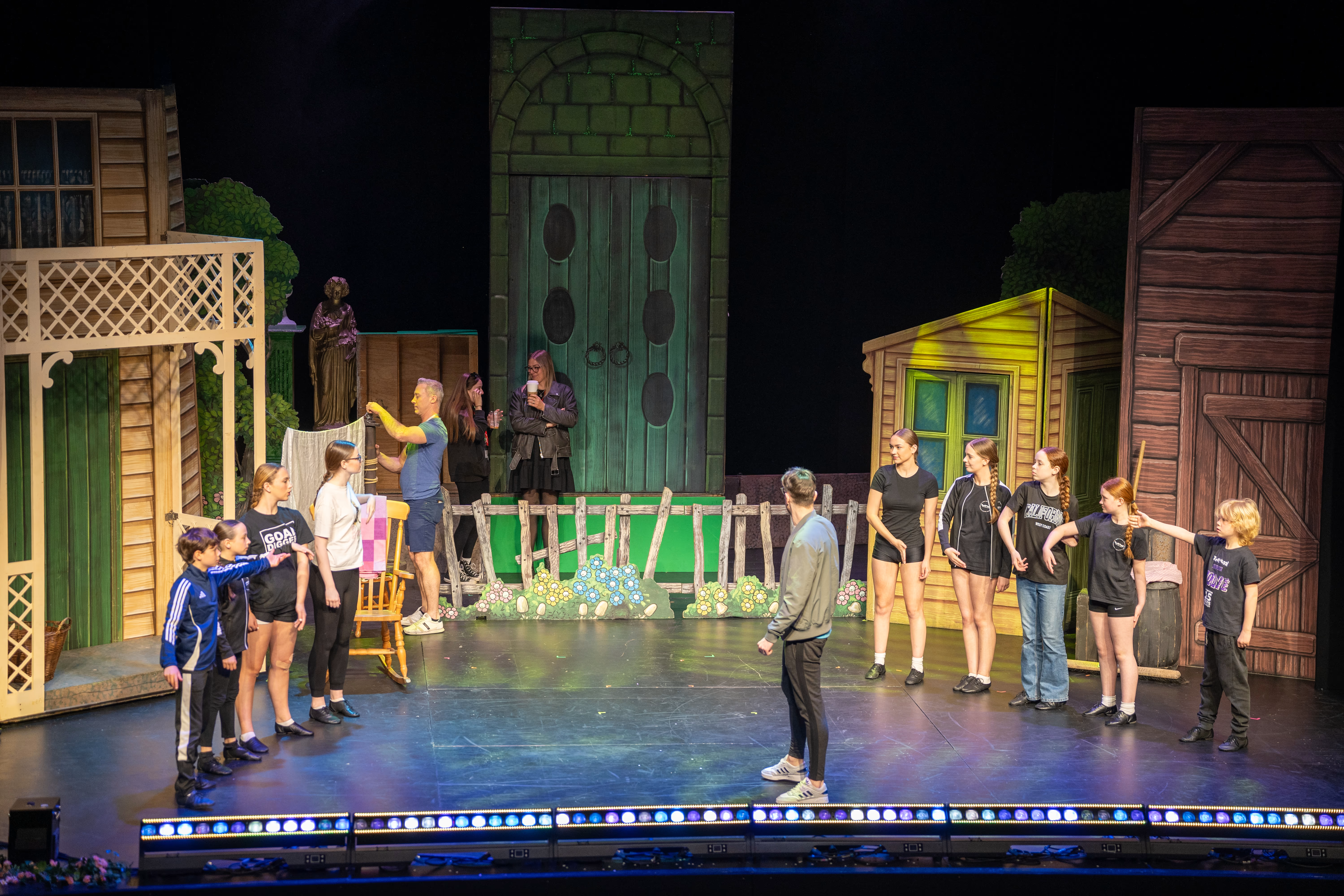
The technical setup is only half the job. Camera positions, lens choices, power, media capacity and the audio handoff all need to be settled around the venue and performance schedule.
For The Wizard of Oz, one videographer and one photographer covered both shows, with clear responsibilities and equipment chosen to minimise movement and distraction. The result was a full multicamera programme, a short promotional teaser and a substantial photo library from one coordinated booking.
Explore the finished teaser and photographs in the Polkadot Pantomimes Wizard of Oz portfolio, or tell us about your theatre production.