
Interview Video vs Testimonial Video: What’s the Difference?
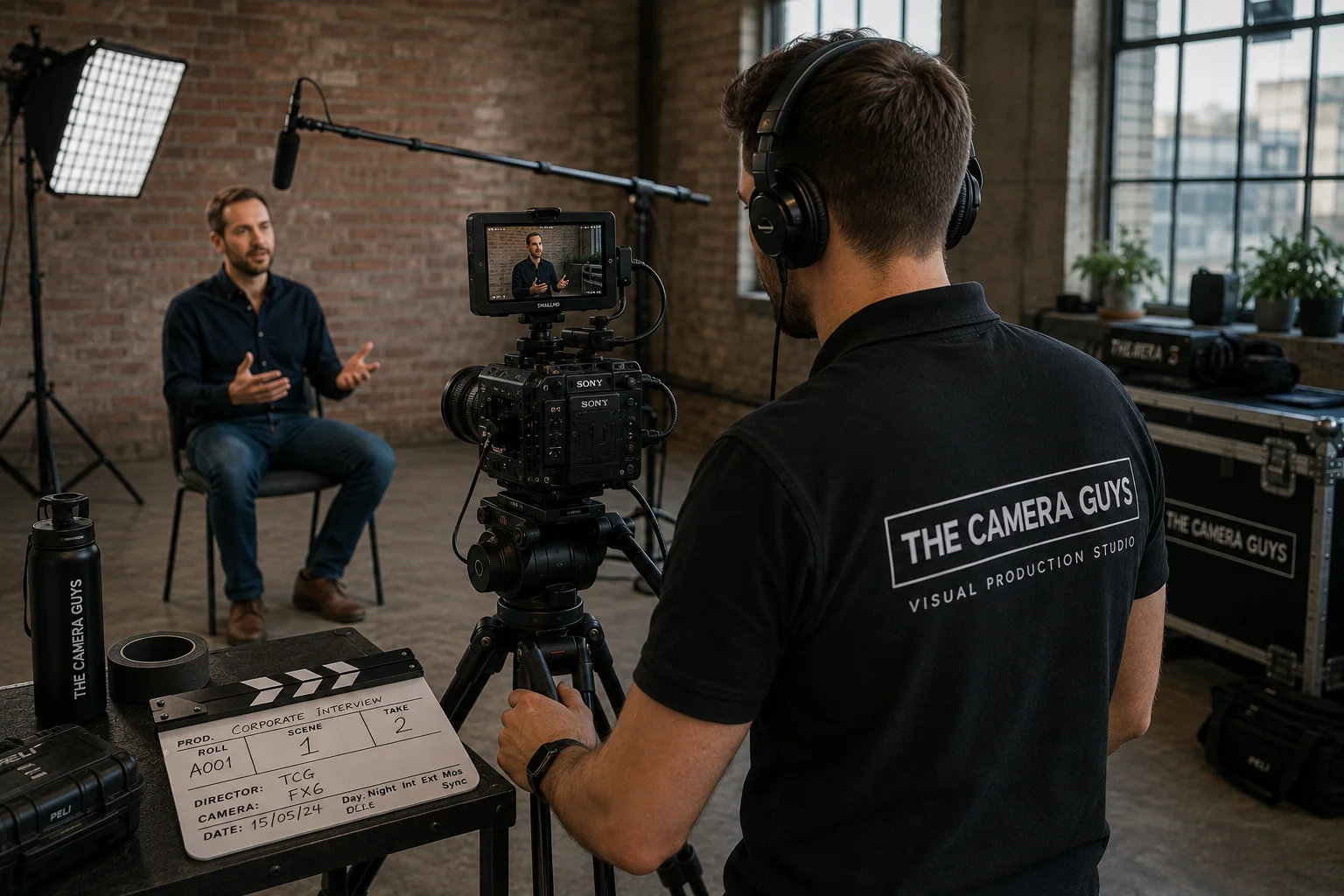
Put the same person in the same chair, use the same lights, record them with the same cameras and ask them questions.
You could still end up making two completely different kinds of film.
An interview video is a way of getting somebody’s knowledge, opinion or story on camera.
A testimonial video uses somebody’s first-hand experience of a business, product or service as part of the evidence for what is being said.
The difference is not the camera setup.
It is why that person is speaking, what relationship they have to the subject, and what the viewer is being asked to take from their words.
That distinction sounds small. It changes who you should interview, what you should ask and how carefully the finished film needs to handle their claims.
Same chair. Different job.
Imagine a software company is making a film about a new system.
Its technical director sits down first.
You ask:
“Why did you build the system this way?”
They explain the thinking behind the product, how the workflow works and the problem the team wanted to solve.
That is an interview.
Now a customer sits in the same chair.
You ask:
“What problem were you trying to solve before you started using it?”
They explain what they were doing before, why they chose the system, what implementation was like and what changed afterwards.
That is a testimonial.
Both could be filmed in exactly the same style.
Both could appear in the same finished film.
But they are giving the viewer different kinds of information.
The technical director is speaking from expertise and involvement in the company.
The customer is speaking from experience of buying or using what the company provides.
One explains.
The other can help substantiate what the experience is actually like.
“Interview” describes the method more than the marketing format
This is where the terminology gets muddled.
Most professional testimonial films are created through an interview.
We do not normally sit a customer in front of a camera and say:
“Please deliver your testimonial now.”
We have a conversation.
We ask questions. We follow up when something interesting comes up. We may ask them to explain a term, give an example or repeat an answer with enough context for the question to disappear in the edit.
The resulting film can still be a testimonial because of the role that conversation plays.
The same interview method could be used for:
- a founder explaining why the company exists;
- an engineer demonstrating expertise;
- an employee talking about their role;
- a conference speaker expanding on a subject;
- somebody sharing a personal story;
- a project partner providing background;
- or a customer describing their experience.
Only some of those are testimonials.
Our interview videography covers the wider format: clear sound, considered lighting and a relaxed conversation shaped around what the contributor actually knows.
A testimonial needs the customer’s perspective — not your script in their mouth
If the purpose is a customer testimonial, the useful material is their experience.
Not your sales copy performed by somebody else.
A weak testimonial question sounds like this:
“Would you say our responsive and innovative service exceeded your expectations?”
There is nowhere interesting for the customer to go.
A better conversation might begin:
“What was happening before you brought us in?”
Then:
“What were you concerned about?”
“What was the process actually like?”
“Was there a point where you realised it was working?”
“What would you tell another company considering the same thing?”
Those questions give the customer room to say something specific.
Specific does not always mean relentlessly positive.
Perhaps the implementation took effort. Perhaps their own team had to prepare something first. Perhaps one part of the project mattered much more than the supplier expected.
Those details often make the account more credible because they sound like somebody describing a real experience rather than reading a review written by the marketing department.
Our article on why customer testimonial videos build trust looks more closely at choosing the right customer story and preserving the detail that makes it useful.
YLEM × Terra Firma: one film, two perspectives
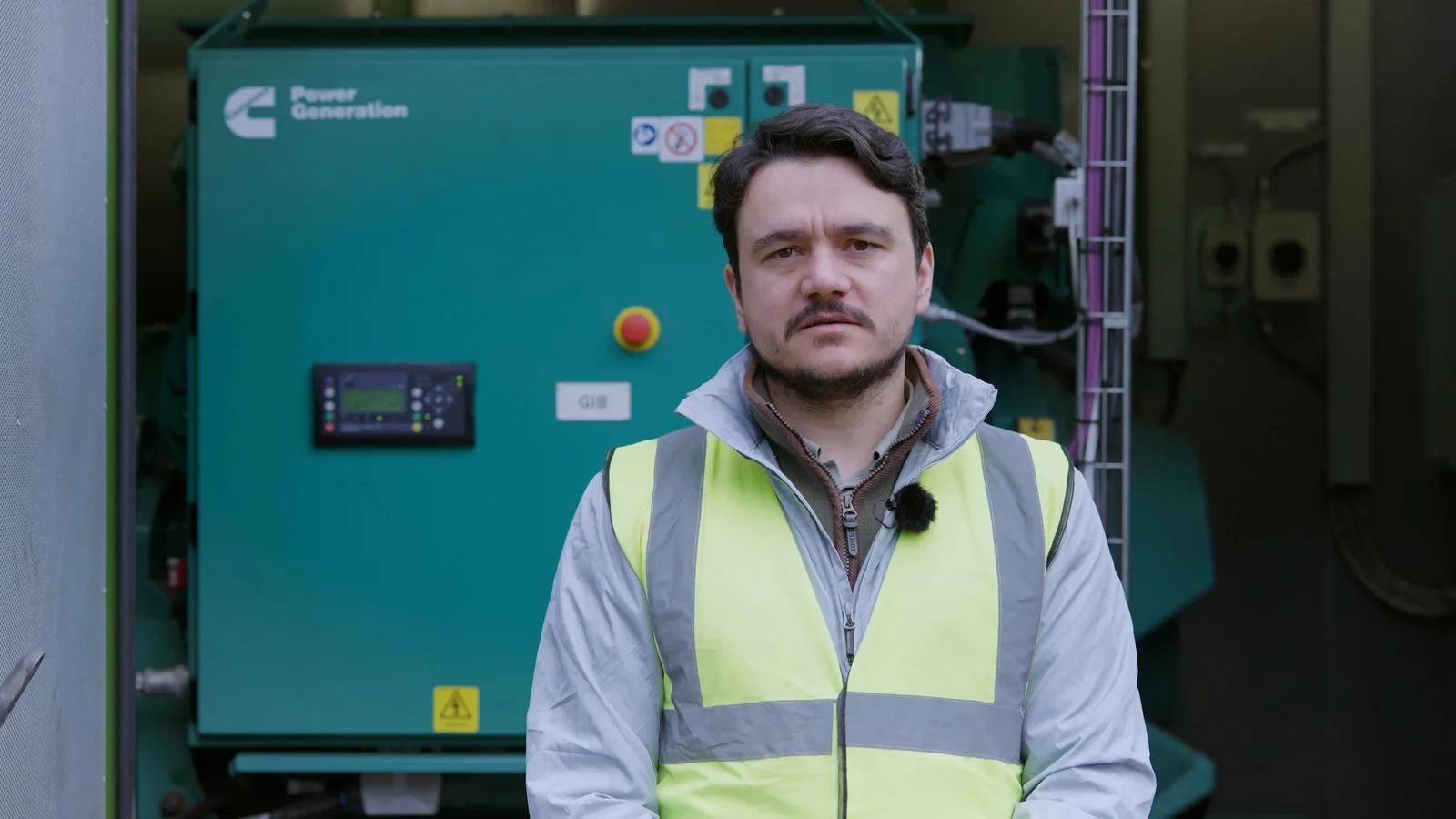
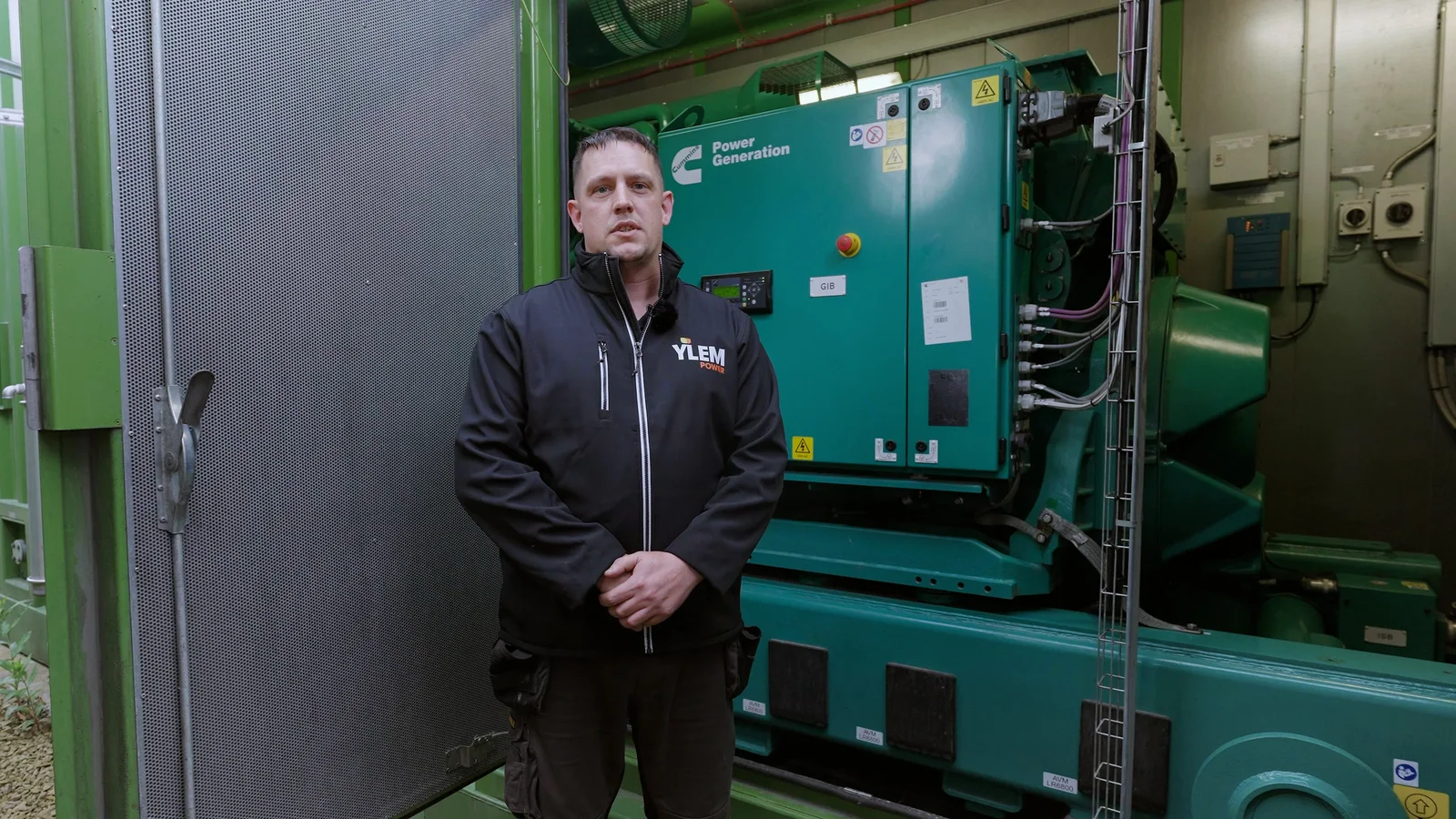
Our YLEM × Terra Firma case study is a useful real example because the film does not rely on one type of speaker.
YLEM Energy commissioned us to film its work at Terra Firma’s St Helens power generation site.
The story needed the customer’s perspective, but it also needed technical expertise.
Terra Firma could talk about the experience of the relationship and the service it receives.
YLEM’s own people could explain the engineering, maintenance and work being carried out on site.
Those voices are not interchangeable.
If YLEM describes how technically capable YLEM is, that is company expertise.
If Terra Firma describes what it has actually experienced as the customer, that becomes testimonial evidence of the working relationship.
The supporting footage then gives both voices something tangible: generators, site operations, engineers at work and the wider plant.
That combination is often more useful than trying to make the customer explain every technical detail or asking the supplier to speak on behalf of the customer.
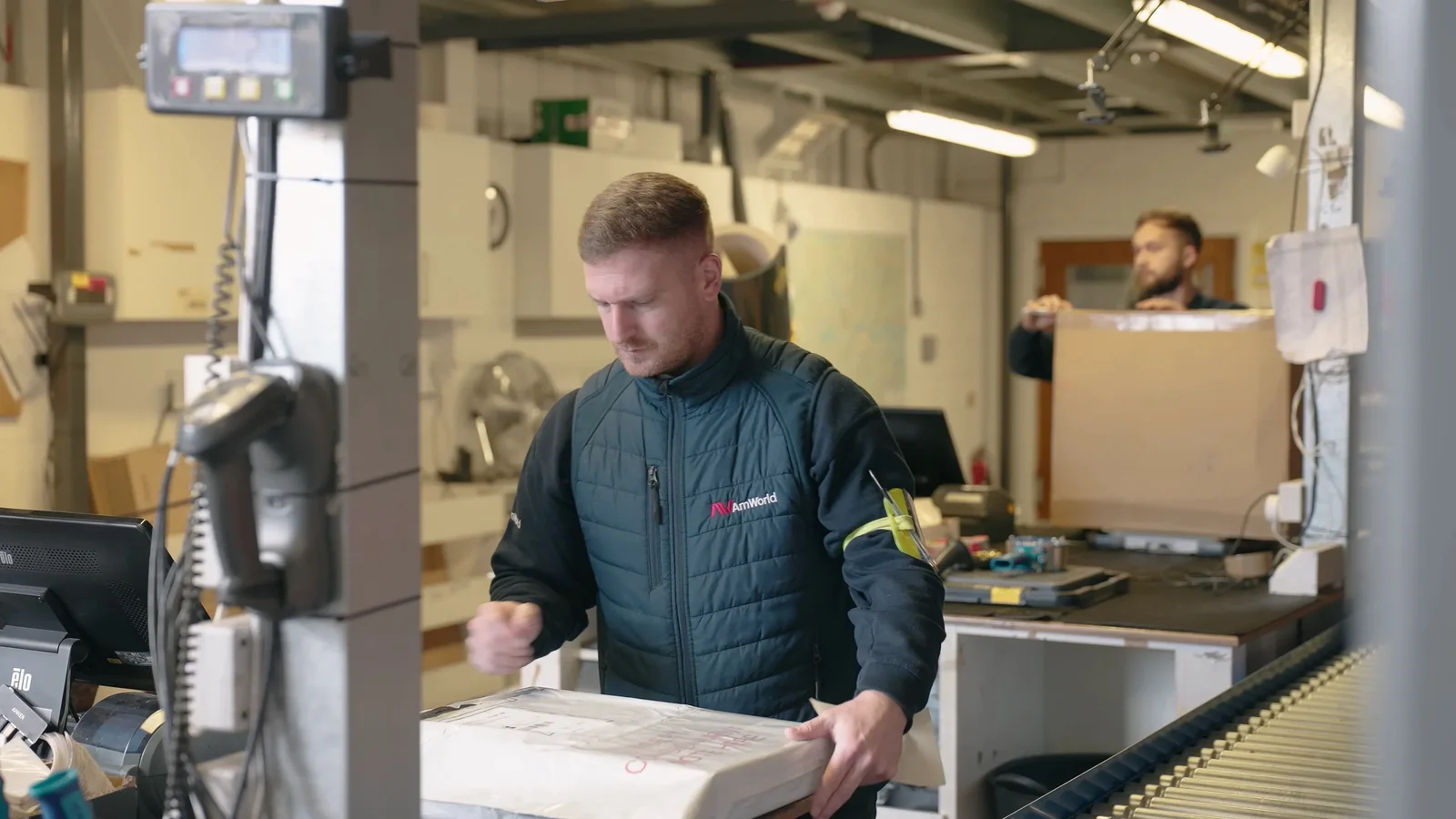
Sony × AMWORLD is an interview-led testimonial
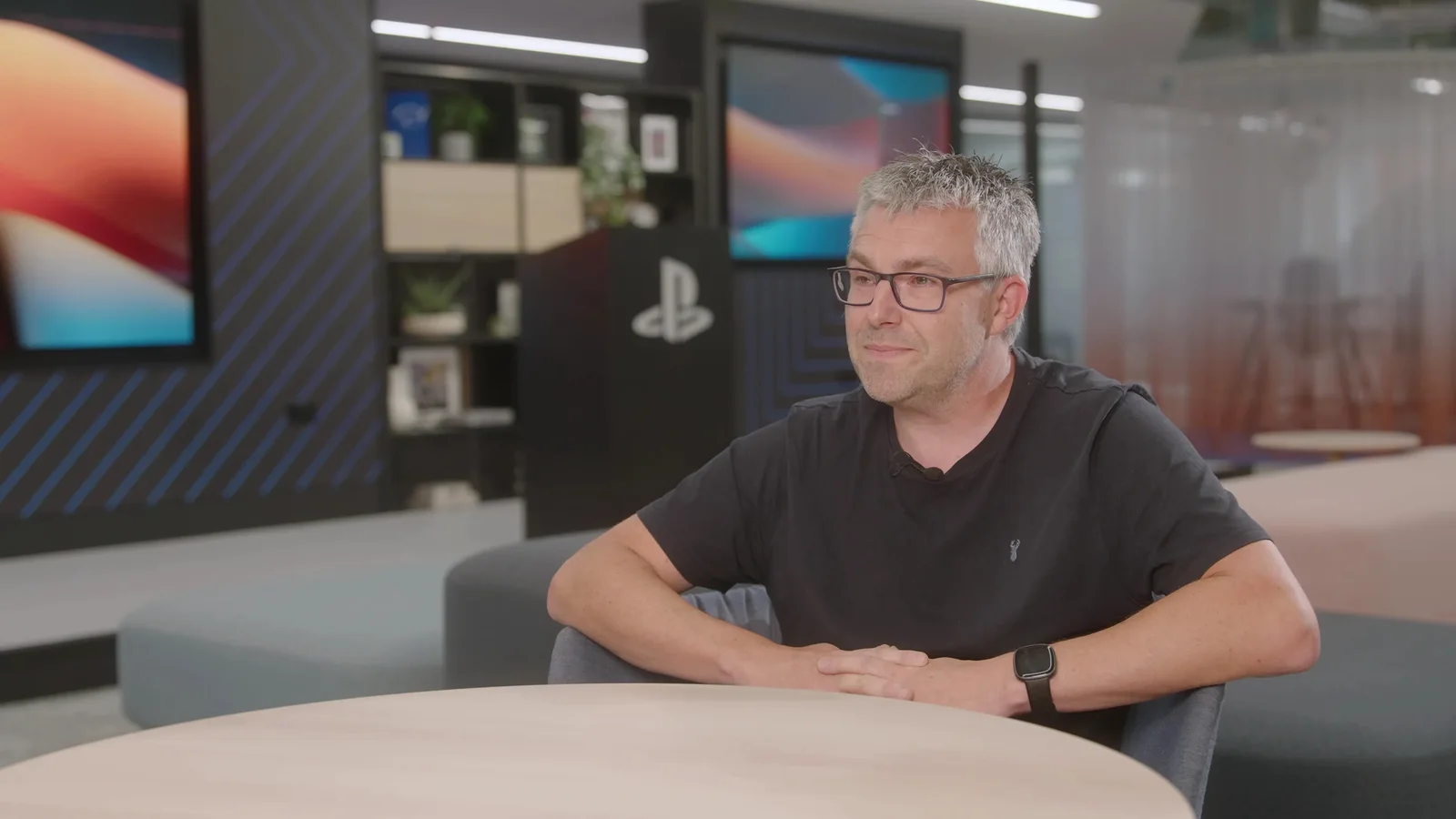
Our Sony × AMWORLD film shows why the labels can overlap without being contradictory.
We filmed Darren from Sony at Sony Europe’s London headquarters.
The production was built around an interview. We used two camera angles, professional sound and supporting footage from around the office.
But the finished role of that interview was testimonial.
Darren was speaking from Sony’s experience of its relationship with AMWORLD, including the logistics support AMWORLD provides across areas such as courier services, warehousing, fulfilment and events.
So calling it an “interview video” would describe how the material was gathered.
Calling it a “testimonial” describes what the customer’s voice is doing in the finished film.
Both can be true at once.
When an interview is the better choice
A testimonial is not automatically more persuasive simply because it comes from a customer.
Sometimes a customer is the wrong person to explain the thing the audience needs to know.
Imagine a cybersecurity company wants to explain a change in regulation.
A customer can talk about their experience working with the company.
They probably should not be used as the authority explaining the technical requirements of the regulation unless they genuinely have that expertise.
That job belongs to the right specialist.
An interview is often the better format when the audience needs:
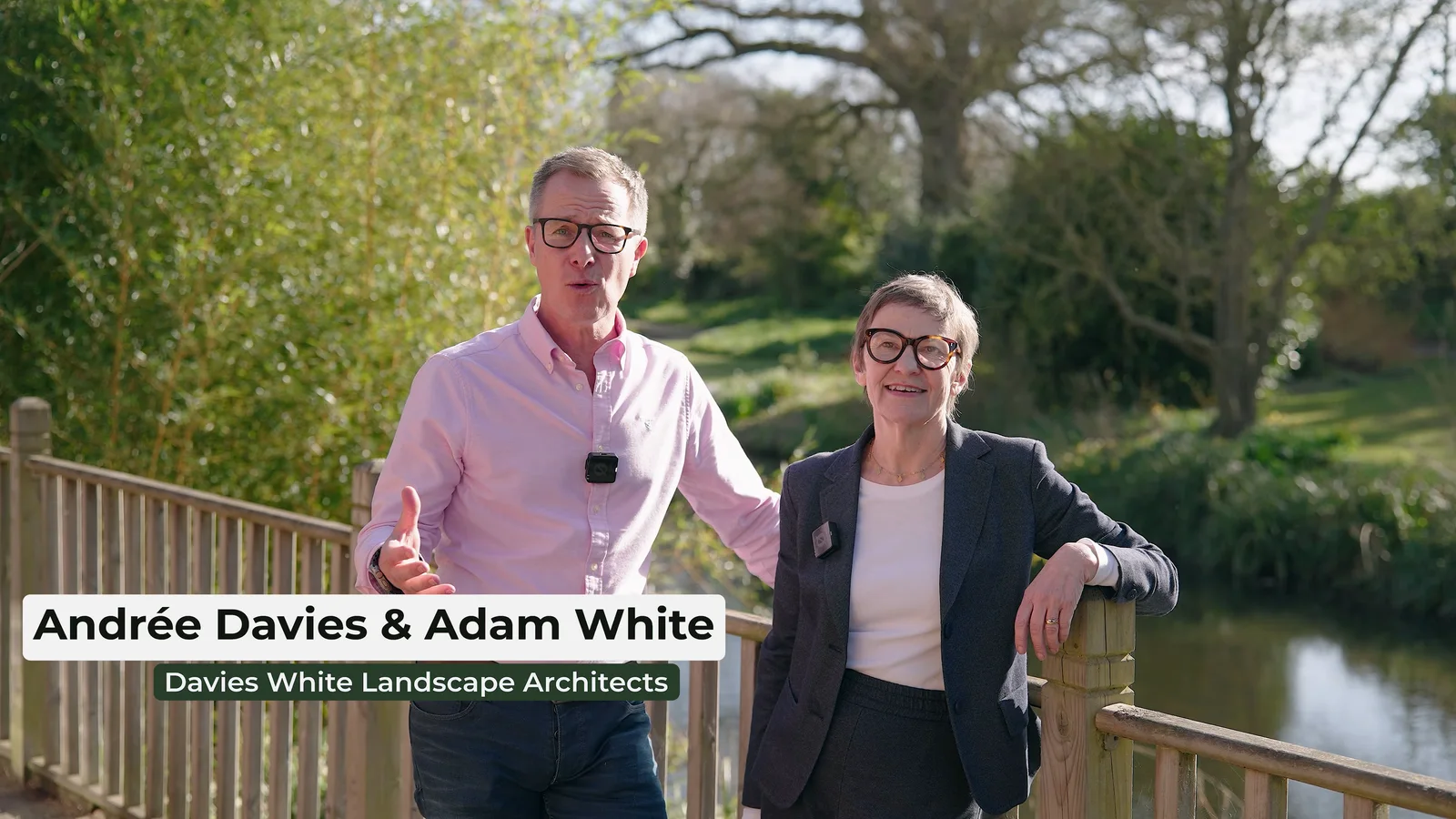
Expertise
A specialist explaining a subject, process or decision.
Leadership context
A founder or senior leader explaining direction, purpose or change.
Recruitment insight
Employees showing what the job and workplace are actually like.
Project background
People involved in the work explaining what was done and why.
A personal story
Somebody describing something they have experienced, where the purpose is documentary or informative rather than endorsing a supplier.
The important thing is to label the speaker’s perspective honestly.
A job title can give context. It does not automatically make an answer authoritative on every subject.
When a testimonial earns its place
Use a testimonial when the question sitting in the viewer’s mind is closer to:
“What is this company actually like to work with?”
“Did the service solve a real problem?”
“What happened after you bought it?”
“Was the process as straightforward as they claim?”
Those are questions a customer can answer in a way the supplier cannot.
The strongest testimonial subject is not necessarily the most enthusiastic person on your client list.
Choose somebody whose situation resembles the audience you are trying to reach and who can remember enough detail to tell the story properly.
A customer saying:
“They were absolutely fantastic.”
may be genuine.
A customer explaining the original problem, the decision, the difficult part and the result gives the viewer much more to work with.
A testimonial carries responsibilities an ordinary expert interview may not
Once a customer testimonial is used in advertising or marketing, the fact that the words came from a customer does not make every claim automatically safe to publish.
Current UK CAP guidance says marketers using testimonials need evidence that they are genuine, need permission to use them, and should retain contact details for the person or organisation providing them. Claims within testimonials that are likely to be understood as factual must not mislead.
A testimonial is also not, by itself, evidence for an objective claim.
If a customer says:
“This cut our energy bill by 40%.”
that figure needs appropriate substantiation if it is being used as an advertising claim. The fact that somebody genuinely said it is not enough on its own.
Commercial relationships also matter. A person should not be presented in a way that makes viewers think they are an independent customer if a material commercial relationship has been hidden.
You can read the current guidance from the Advertising Standards Authority and CAP.
This does not mean testimonials need to become nervous legal statements.
It means the production and client should know what is opinion, what is a factual claim, what needs checking and what the contributor has actually agreed can be used.
Do not “improve” the testimonial until it stops being theirs
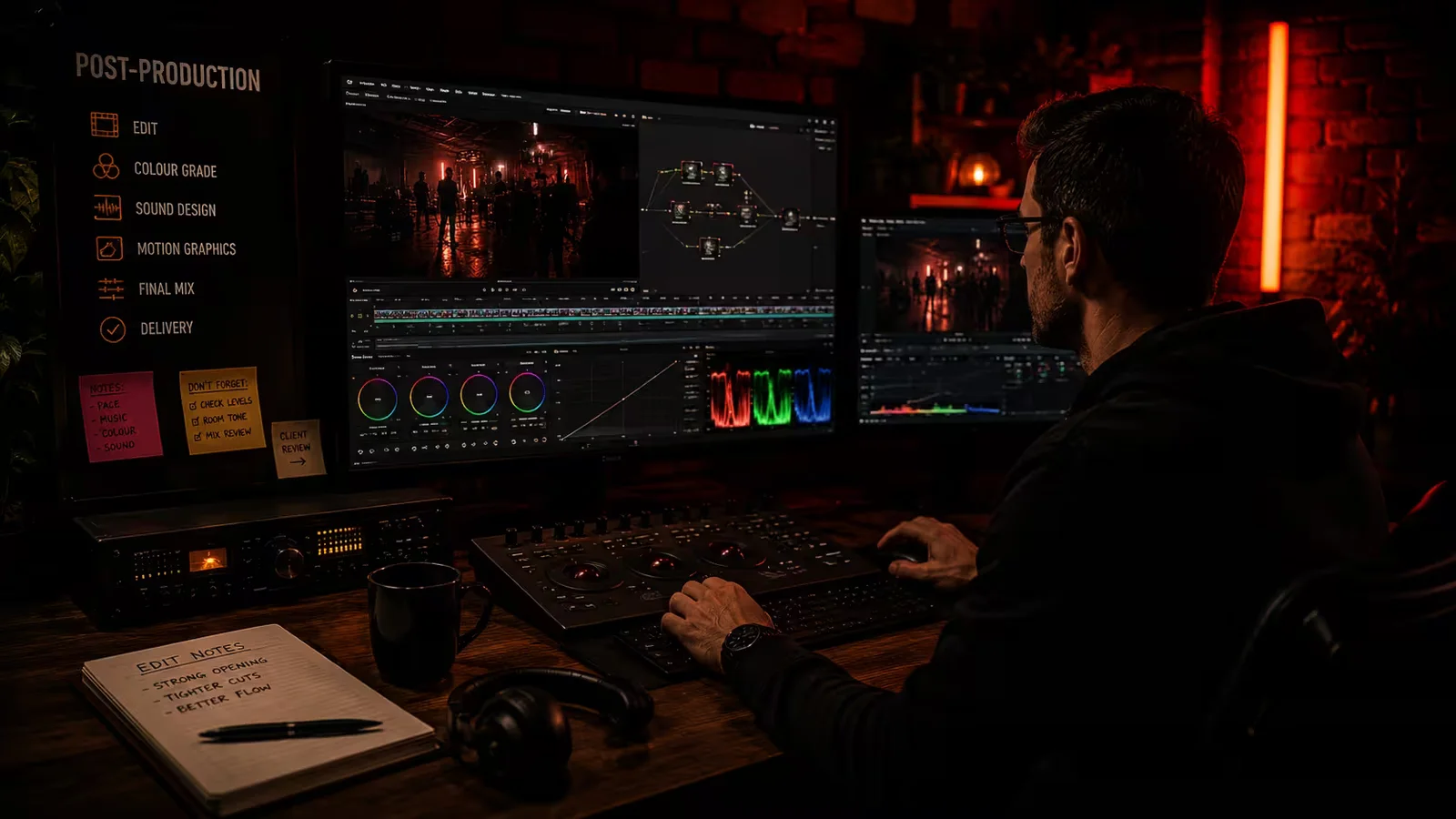
Editing an interview always involves choices.
We remove repetition.
We can take out false starts.
We can move one answer before another to make the story easier to follow.
Supporting footage can cover those edits so the film flows naturally.
What we should not do is change the meaning.
Suppose the customer says:
“Once the new process was in place, it saved us a lot of time on the weekly reporting.”
Do not cut that into:
“It saved us a lot of time.”
if removing the context makes the claim broader than the experience they were describing.
The same principle applies to uncertainty.
If somebody says:
“I think it was around three months before we saw the full benefit.”
do not edit it into:
“It was three months before we saw the full benefit.”
The second version sounds more certain than the speaker was.
A cleaner sentence is not automatically a fairer sentence.
Our guide to filming a professional customer testimonial goes further into the production and interview process.
The interviewer usually does not need to be seen
Both ordinary interviews and testimonials are often filmed with the contributor looking slightly beside the camera towards the person asking the questions.
The interviewer’s questions can then disappear from the finished film.
For that to work, the answers need enough context.
Question:
“How long have you worked with them?”
Weak standalone answer:
“About six years.”
Better standalone answer:
“We’ve worked with AMWORLD for about six years.”
The second answer can survive when the question is removed.
That does not mean every response should sound artificially formal. The interviewer simply needs to notice when an answer depends entirely on a question the audience will never hear.
Sometimes the interviewer should remain part of the film.
A hosted conversation, podcast, leadership discussion or documentary exchange can benefit from seeing both people and hearing the questions.
That is an editorial choice, not a sign that one format is more professional than the other.
You can plan one filming day around several perspectives
A well-planned case-study day might include:
- a customer testimonial;
- an interview with the project lead;
- a technical explanation from a specialist;
- supporting footage of the work;
- and several shorter standalone answers.
That can be efficient because the location, crew and relevant people are already together.
But do not assume every contributor should answer the same questions.
The customer talks about their experience.
The project lead talks about the project.
The technical specialist talks about the technical subject.
If everybody gives the same polished explanation of the company’s services, you have not created three perspectives. You have created the same sales script three times.
Planning the roles before the shoot makes the edit much stronger.
Our guide to planning a corporate video covers choosing contributors for the part of the story they can genuinely tell.
So which one do you need?
Ask whose voice would make the film more useful.
If you need somebody to explain, interview the person with the right knowledge.
If you need somebody to describe what it was like to buy, use or experience the service, a customer testimonial may be the stronger choice.
If you need both, use both and let each person stay in their lane.
You do not have to decide what to call the film before speaking to us.
Tell us what the viewer needs to understand and who you have available.
At The Camera Guys, our interview videography covers customer testimonials, case studies, leadership interviews, expert interviews and wider interview-led films.
Send us the story you are trying to tell, and we can work out whose voice should carry it.