
Why Customer Testimonial Videos Build Trust
You would expect a business to say it is good at what it does. The more interesting conversation is with someone who has actually hired it.
What were they worried about before committing? How much work did they have to do themselves? What happened when they needed help?
A customer testimonial video has room to answer those questions. It gives a prospective buyer an account of the working relationship, rather than another description of what is included in the service.
That is where its value lies. The customer has been through a decision your next enquiry may still be weighing up.
"They were great" is a starting point
There is nothing wrong with a happy customer saying they would recommend you. But stop the interview there and you have missed most of the story.
Take an office refurbishment as a hypothetical example. The finished space might look excellent, but a business planning its own project could have a more immediate concern: can we keep working while this happens?
Ask the customer how that was handled. Did different departments move at different times? Who explained the schedule? What did their own team need to organise? Were there any surprises?
Now there is something to discuss beyond whether everybody liked the new reception desk.
An account of the disruption, preparation and handover helps a viewer think through their own project. It also gives them better questions to ask you. The film does not have to remove every concern to be worthwhile; it can help someone understand what they are committing to.
Choose someone who remembers the detail
When deciding which customer to feature, start with the part of your service you need to explain. Then consider who has experienced it closely enough to talk about it.
For the refurbishment example, the person who coordinated the office move might have more to contribute than a director who only saw the finished rooms. For a software project, it could be the colleague who trained the team and dealt with the first week of questions.
A recognisable company name can sit alongside that story, but it should not be the whole reason for choosing the interviewee. Ask what your intended viewer will learn from this particular person.
Give their experience some boundaries, too. Identify their role, explain what they bought and make clear which project they are discussing. Someone watching should be able to work out whether the account is relevant to their own situation, rather than assuming every customer needs the same thing.
On location: Mail Solutions and Power-Zero
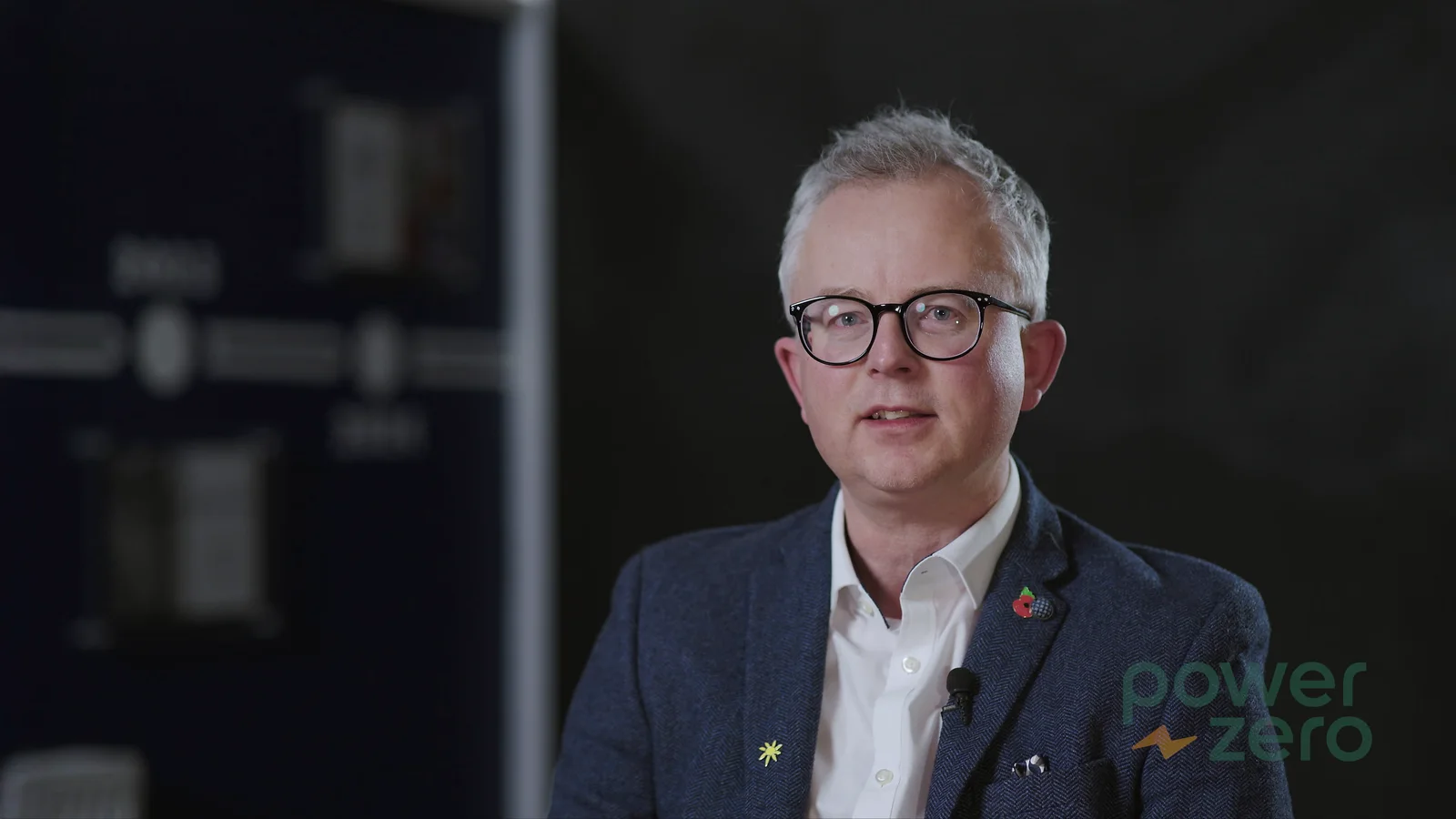
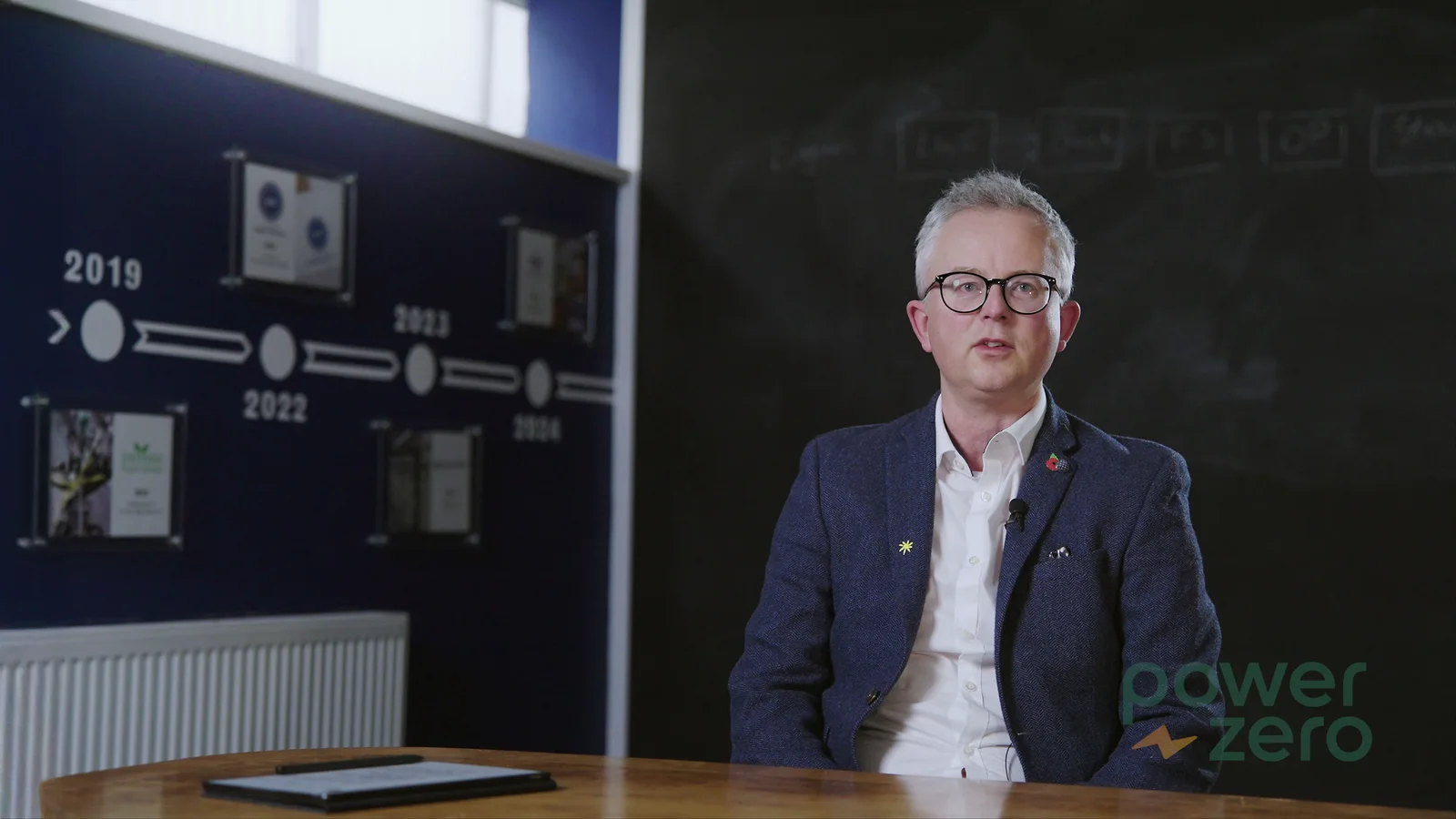
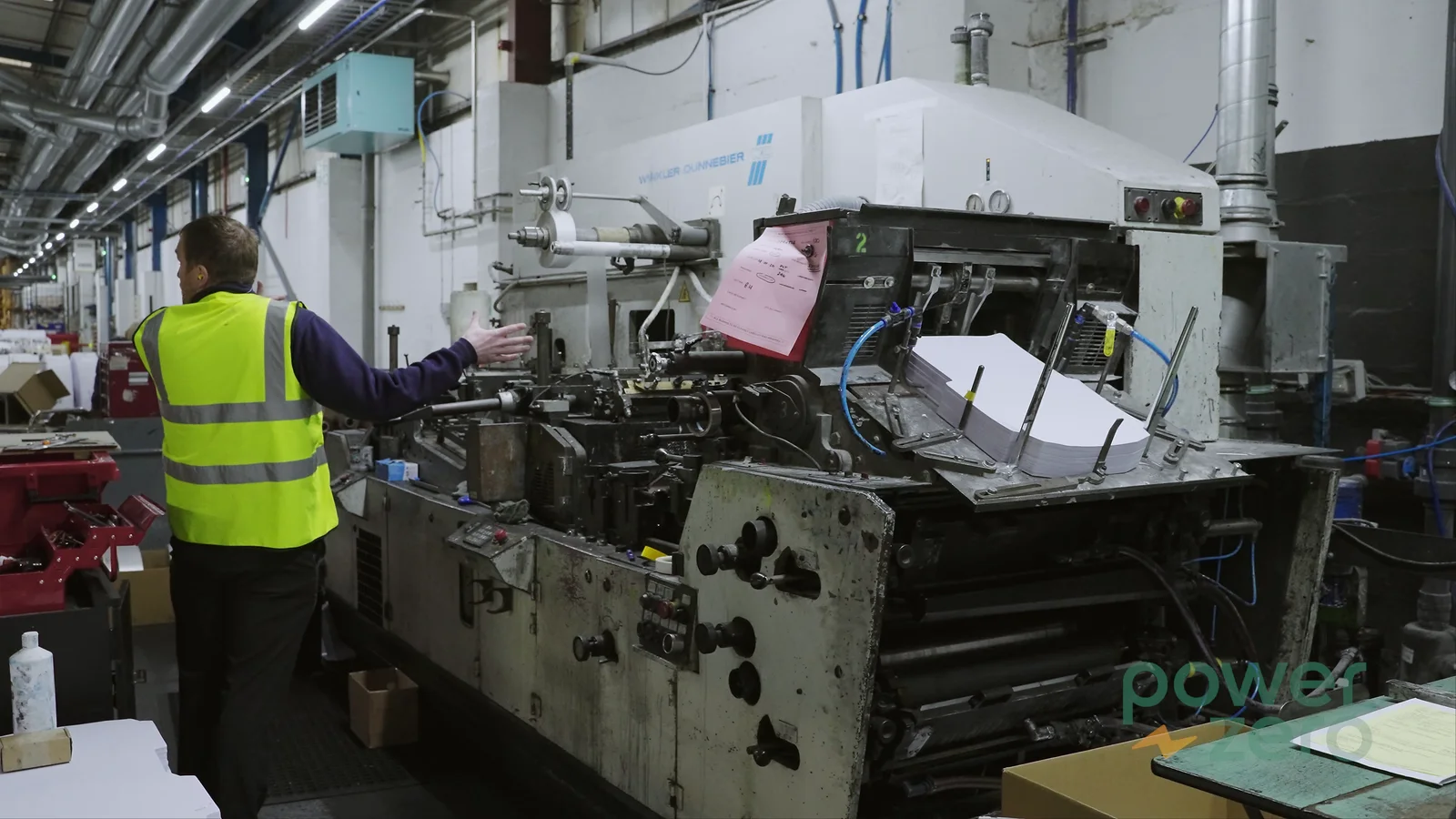
For our Mail Solutions testimonial film, Power-Zero commissioned us to film at its customer's manufacturing site in Telford. We combined an interview with Mail Solutions' Group Finance Director, footage of the manufacturing operation and aerial views of the rooftop solar installation.
That gives the viewer several ways into the subject. There is a person explaining the project, a workplace that puts it in context and a view of the installation itself.
Think about what would serve the same purpose in your film. It might be a customer using the product, showing the completed work or walking through a process. Choose something connected to their account rather than filling the gaps with unrelated office footage.
Video also lets you hear how someone explains their experience: which details they emphasise, where they pause and what they sound pleased about. Those are parts of the conversation that a short written quote leaves out. They are not, on their own, proof that a claim is true.
A professional film does not need a rehearsed customer
There is no need to make the footage deliberately rough to suggest that the person is genuine. Record them clearly, light them properly and give them somewhere comfortable to talk. Then let them use their own words.
Preparation can mean reminding a customer which project you want to discuss and asking them to think back over it. It should not mean sending a page of compliments for them to learn.
Keep the questions open enough for an unexpected answer. If someone mentions that getting started took longer than they expected, ask why. That may reveal something a future customer needs to prepare for, or a useful explanation of how the team dealt with it. Do not invent a difficulty just to give the film a more dramatic story.
The edit matters here. Remove a repeated sentence or a long interruption, but keep the substance of the answer. If a customer describes a result that depended on particular conditions, those conditions belong with the claim. CAP's testimonial guidance makes clear that testimonials must not be taken out of context or misleadingly edited.
Our guide to filming a professional customer testimonial covers preparing the interview, recording it and reviewing the finished edit.
A good story still needs checking
A customer saying something on camera does not remove your responsibility for publishing it. Under UK non-broadcast advertising guidance, factual claims in testimonials need adequate supporting evidence; the testimonial alone is not that evidence. A claimed reduction in costs or time needs checking, not simply putting in a larger font. See CAP's guidance on claims in testimonials.
Agree where the film and shorter extracts may be used, obtain the necessary permission and keep evidence that the account is genuine, together with the contributor's contact details. Be transparent about any material commercial interest or incentive. A commissioned testimonial should not be presented as an independent review. CAP's testimonials and endorsements guidance explains these requirements; sector-specific rules may also apply.
Keep the customer's review focused on accuracy, confidentiality and fair representation. Replacing their ordinary wording with your marketing department's preferred phrases defeats the reason for interviewing them.
Put the story next to the question it answers
A testimonial does not have to live only on a page labelled "Testimonials".
An account of a complicated handover could sit beside the explanation of how you take on new clients. A film about a particular installation could accompany the relevant service page. In a sales conversation, send the story that relates to the concern being discussed, with a sentence explaining why you are sharing it.
Make the subject apparent before anyone presses play. "How the team kept working during an office refurbishment" tells a visitor more than "Another happy customer". Those are illustrative titles, but the principle applies to your actual projects: describe the experience, not just the praise.
A short extract can introduce the story elsewhere, provided it still makes sense and preserves any important qualifications. Give people a route to the fuller account when they need more detail.
Include accurate captions so the conversation is available to people who cannot hear the audio. Check names, figures and technical terms rather than publishing automatic captions unchecked. The W3C's caption guidance explains why accuracy matters.
Judge the film by its intended use as well as its viewing figures. Ask your sales team whether it helps explain the service, and ask prospective customers what they still need to know. A film may be useful in a small number of relevant conversations without attracting a large public audience. That is worth considering when you assess whether professional video production is worth the investment.
Before commissioning a testimonial, ask the people who handle your enquiries which part of choosing your business needs the most explanation. Then think about a customer who has a worthwhile account of that experience.
That is a stronger starting point than asking who is likely to give the most enthusiastic review. Tell us which customer story you have in mind, and we can discuss how to make it part of your corporate video content.