Is Professional Video Production Worth the Investment?

Before approving a video budget, try finishing this sentence:
"We'll use this film to…"
"Send prospective customers a clear explanation before a meeting" is a useful answer. So is "show applicants what the role involves" or "let people watch the conference sessions they missed".
"Put it on the website" still leaves a question: what will it help someone understand?
Professional video production can be worth paying for when you have a worthwhile job for the film and need help doing it properly. It isn't necessary for everything you publish. Start with the intended use, then decide how much production it needs.
Consider an interview you cannot easily repeat
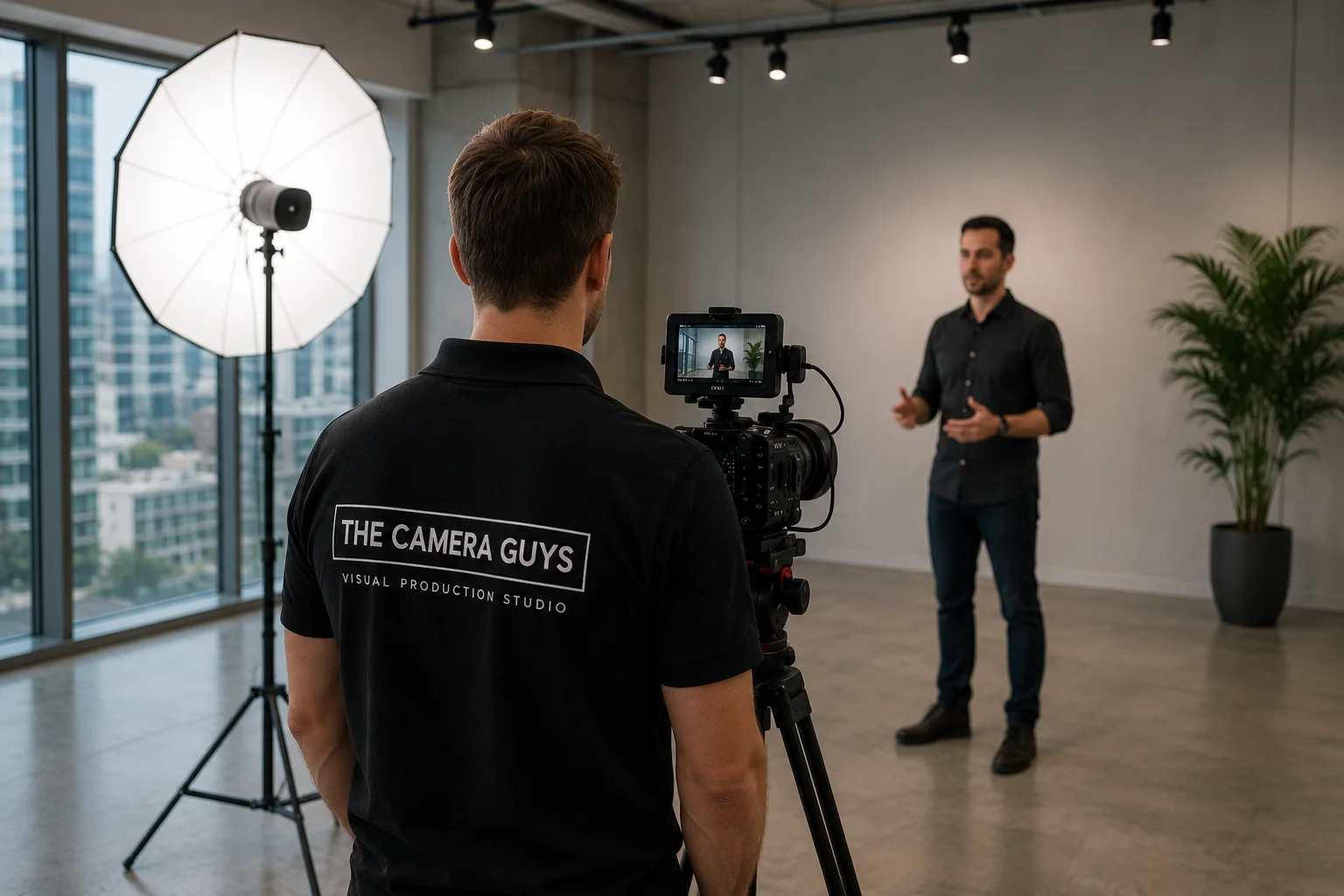
Suppose a customer has agreed to talk about working with your business. They have a good story, but only half an hour to spare. You could ask a colleague to record it. You could also bring in a videographer.
The difference is not simply which camera gets used. Someone needs to find a suitable place, check the sound, help the customer settle in and ask questions that get beyond "Yes, we've been very happy."
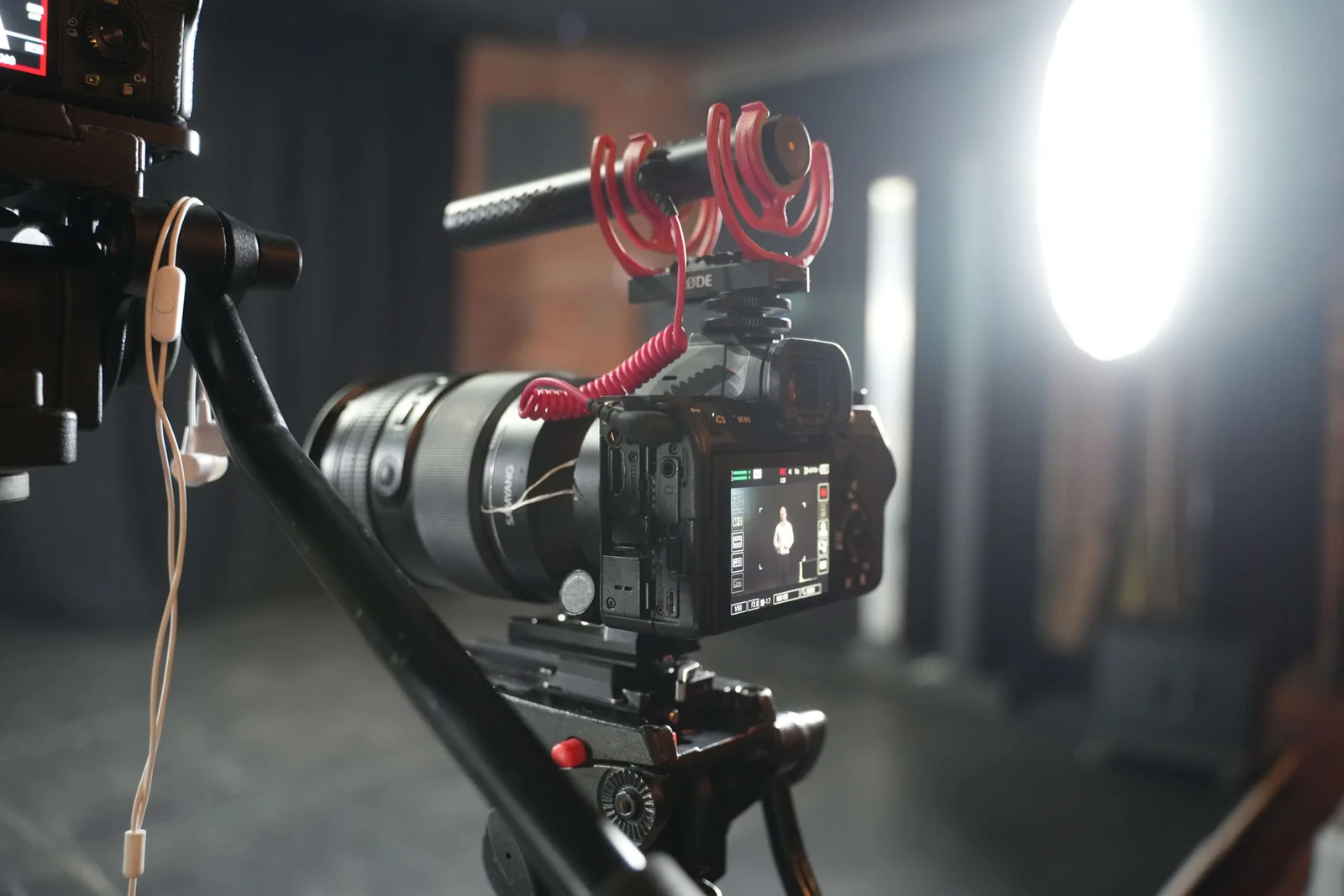
They also need to notice when an answer is unclear, ask for an example and collect footage that helps explain what the customer is talking about. That is the work involved in preparing an interview and its supporting footage, before the editor starts shaping the conversation.
This is where professional help can earn its place in the budget. You are making better use of a limited opportunity, rather than discovering afterwards that the explanation is incomplete or the recording is difficult to hear.
The same consideration applies to filming an event. Ask how the important moments will be covered, how sound will be recorded and what backup arrangements are in place. A speaker finishing their presentation is not going to start again because the recording failed.
For a quick update you can comfortably repeat tomorrow, the decision may be quite different.


The invoice is only part of the comparison
An in-house video still needs someone to organise it, record it, edit it and get it approved. Before calling that route free, put names and realistic amounts of time against those jobs.
Those hours are not necessarily a new cash expense. Your staff may already be paid to make content, and they may be very good at it. But the time is still committed, and other work may have to wait.
Be just as thorough with an external quote. Establish whether it covers a finished film or only the filming. Check the editing allowance, captions, required versions, travel and the process for changes. Our video production cost guide explains how those parts contribute to the total.
Outsourcing does not remove your involvement either. Someone in the business still needs to arrange access, check the facts and approve the work. Agree those responsibilities when discussing what the production company will handle.
Compare both routes through to the point where the video is ready to use. A cheap shoot with an unfinished edit is not the result you were budgeting for.
Look beyond the first upload
A film might be launched on LinkedIn, then used in sales conversations, presentations or on a relevant service page. Plan those uses rather than hoping somebody finds another purpose for it later.
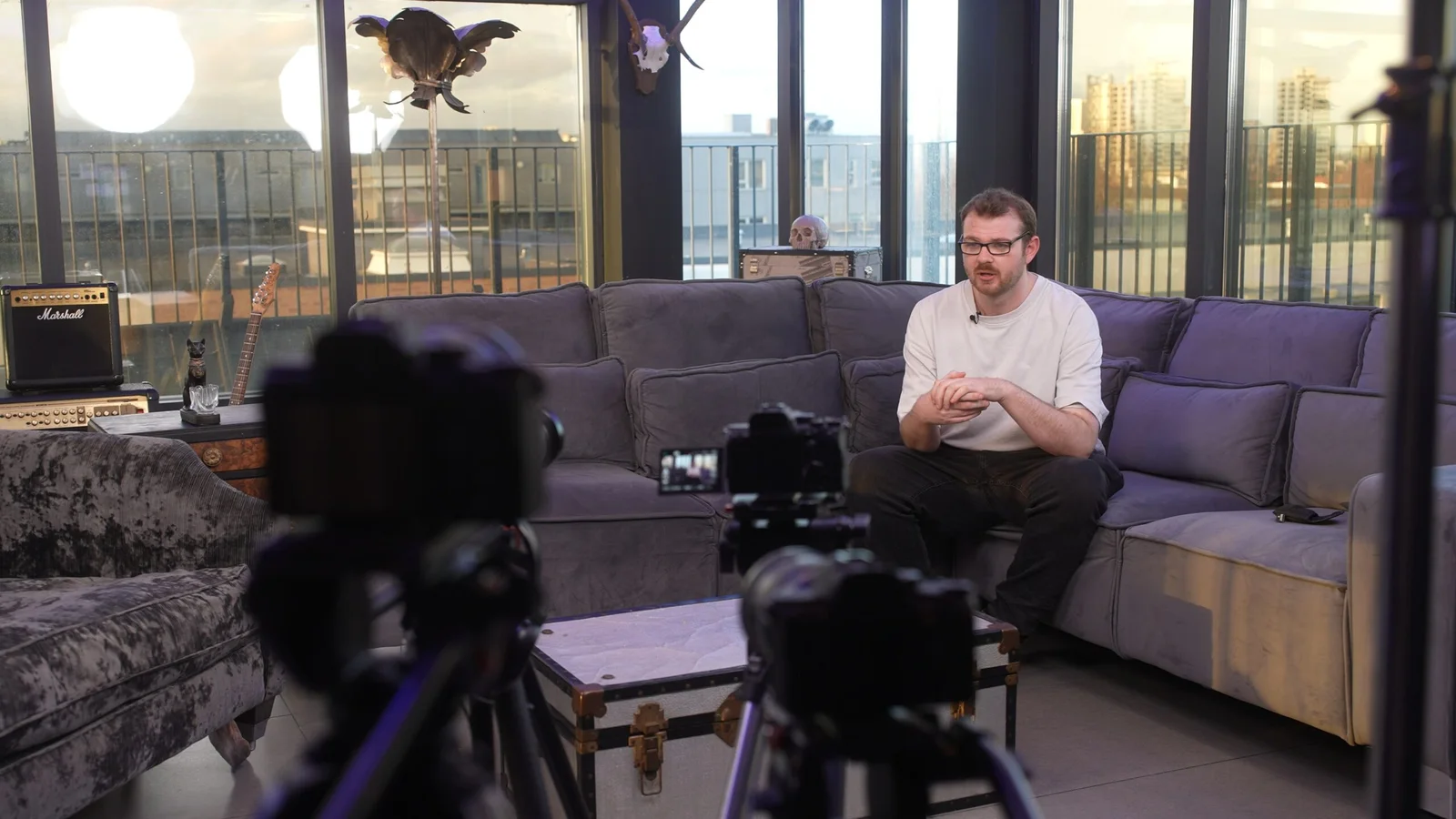
Our My Home Life England project brought together three filming dates. Participant interviews were made into standalone testimonials, with selected answers also used in programme highlight films and a wider organisational film. The work also included a full conference recording and photography.
The interviews were prepared to make sense on their own, not just as fragments in one edit. That gave the same conversations several distinct uses without asking participants to repeat the entire interview for each film.
For a similar project, name the people who will use each version. Does the sales team need a customer story? Does the training team need the full explanation? What does marketing actually intend to publish?
Be selective. Twelve edits are not better value than three simply because there are more files. Each one takes work, and a short social film may need a different opening or framing from the main version. Put the intended outputs in the production brief before filming.
Think about what could make the material go out of date, too. A price, temporary offer or changing job title may be better kept in an editable graphic than spoken throughout the film. Agree how future changes and footage retention will be handled; do not assume updates are included indefinitely.
When a return can be measured in pounds
For a sales-focused film, a simple break-even calculation can help you judge the proposed spend.
For illustration, not as a quote: suppose production, your team's time, publishing and promotion come to £2,000. If an additional booking leaves £500 after the costs of fulfilling it, four genuinely additional bookings would cover that spend.
£2,000 ÷ £500 = 4 additional bookings to break even.
That is a way to test the budget, not a prediction that the video will bring in four customers. Use the amount left after fulfilling the work, not the headline sale value. And do not count every booking after publication as a result of the film: some customers would have booked anyway.
Before launch, decide how you will assess the result and over what period. Ask customers what helped them decide, keep a record of relevant enquiries and review how the sales team uses the film. Those observations are useful, even when you cannot isolate the video's effect precisely.
A training film needs a different test. You might compare the time spent repeating an explanation before and after introducing it, while checking that people understand the process. Views alone would not answer that question.
Whatever the objective, someone needs to own the publishing and follow-through. Include that work in the plan rather than spending the whole budget on production and leaving nobody responsible for using it.
Buy the help you are missing
There is no need to choose between making everything yourself and outsourcing every video.
Keep straightforward screen recordings, timely announcements and informal updates in-house when your team can make them well. Bring in production support for the work that needs more preparation, controlled sound and lighting, or coverage your team cannot manage alongside its other responsibilities.
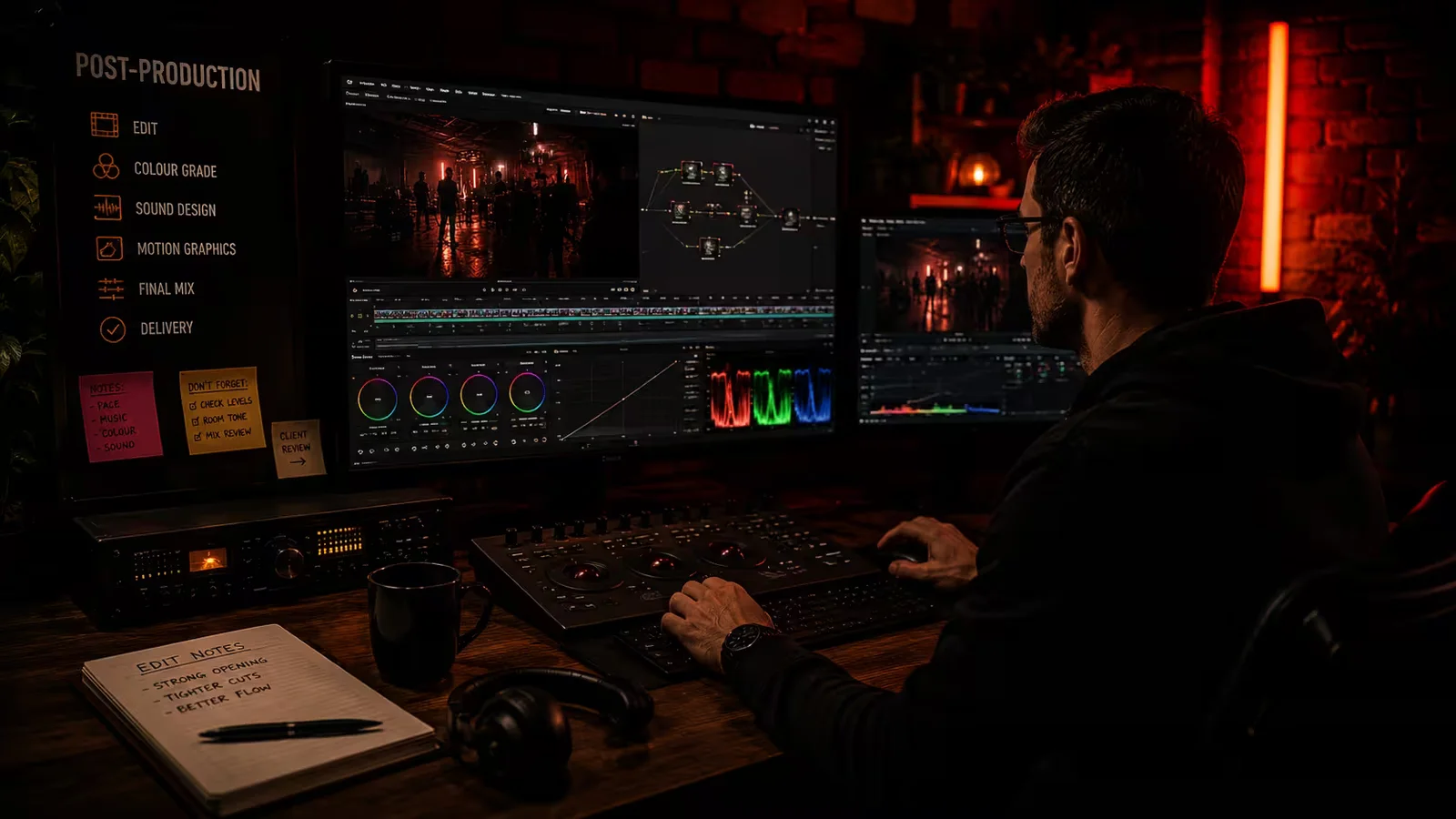
You can divide an individual project too. A capable in-house editor may only need professionally recorded footage, with the handover agreed before filming. Or you may already have usable recordings and need help with editing and post-production. Have the material assessed before assuming it needs to be filmed again.
Nor does professional production have to mean a large crew. Ask why the proposed people, locations and equipment are needed. Look at complete examples of similar work, not just an impressive showreel; our guide to choosing a video production company covers that conversation.
At The Camera Guys, our corporate video work includes interviews, company films, training content and event coverage, with the production planned around the job. You don't need to decide on the crew before speaking to us.
Bring us the idea and the budget you're considering. The first discussion should establish what is worth making, what you can handle yourselves and where our involvement would be useful.