How Much Does Event Photography Cost in the UK?
For The Camera Guys, professional event photography currently starts at £249 for the first on-location hour per photographer, then £99 for each consecutive additional booked hour.
That means a straightforward booking with one photographer works out like this before any applicable travel or separately agreed extras:
| On-location coverage | Current production cost |
|---|---|
| 1 hour | £249 |
| 2 hours | £348 |
| 4 hours | £546 |
| 6 hours | £744 |
| 8 hours | £942 |
Standard event-photo processing is included in those rates. No VAT is currently added to our prices.
That is the useful starting answer.
The more important question is what those hours need to contain.
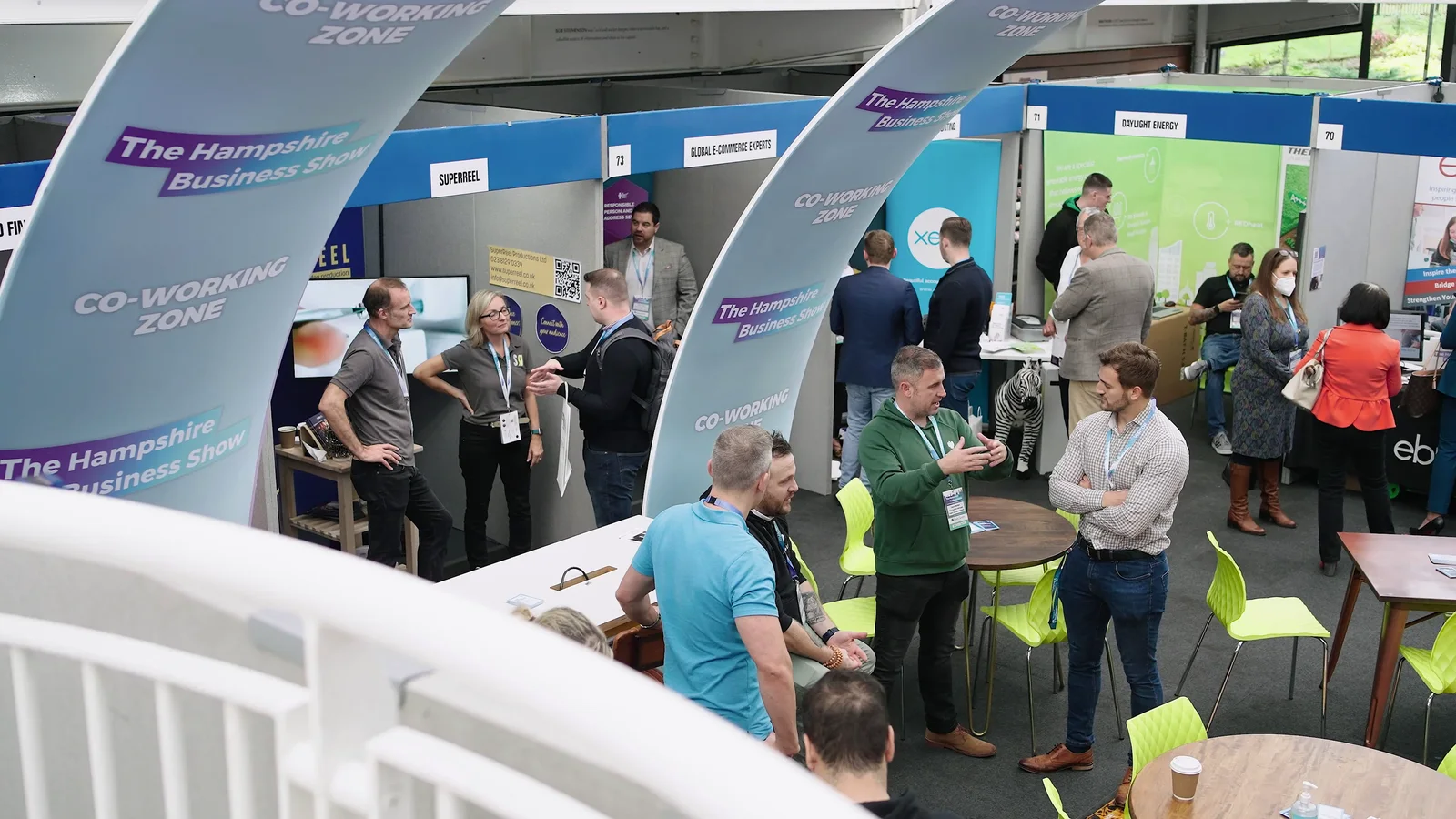
A four-hour awards event in one room is not the same job as four hours of a conference with simultaneous breakout sessions, VIP arrivals and photographs needed for social media before the afternoon has finished.
The clock may be the same.
The coverage problem is not.
Why event photography is difficult to price from the event duration alone
Imagine two organisers both ask for four hours of photography.
Event A
One photographer arrives at a single venue.
The programme is linear:
- arrivals;
- welcome;
- presentation;
- awards;
- drinks reception.
Nothing important happens at the same time.
The organiser wants a complete edited gallery afterwards and has no same-day deadline.
At our current standard rate, four booked hours with one photographer would be £546, before any applicable travel or separately agreed extras.
Event B
The event is also four hours long.
But there are:
- two simultaneous breakout rooms;
- a sponsor activation in the foyer;
- an awards presentation;
- a VIP who is only available for ten minutes;
- networking photography;
- a requirement for ten edited images before the event finishes.
One photographer cannot physically be in both breakout rooms at once.
If the brief genuinely requires simultaneous coverage, a second photographer may be the right answer. At the same four-hour rate, two photographers would mean £1,092 in on-location production costs before travel or other agreed extras.
The second event does not cost more because it is somehow more prestigious.
It costs more because it needs more people to cover what is happening.
That is why the best starting point for an event photography brief is the running order, not the guest count.
What is included in our standard event-photography rate?
For straightforward photography bookings, our current first-hour rate covers the first on-location hour with an experienced photographer, professional cameras and lenses, normal setup and basic planning.
Normal calls, emails, brief review, straightforward shot planning and production coordination are included.
For event photography, standard image processing is also included. That covers the normal work needed to turn the captured material into a consistent finished gallery:
- culling;
- exposure correction;
- white balance;
- normal colour treatment;
- cropping;
- standard image finishing.
That distinction matters.
A quotation that says “four hours photography” but then charges separately for every normal delivered image is not directly comparable with a four-hour quote where normal gallery processing is already included.
Always ask what the quoted number produces.
You can see our current photography approach and rate structure on the event photography service page and main pricing page.
When does the paid time begin?
This is one of the easiest places for two apparently similar quotes to mean different things.
Our normal booked production time starts when the crew arrives and begins the agreed on-location setup.
So if the first public session starts at 10am but the photographer needs to arrive at 9.30am to gain access, check the room and prepare, that setup needs to exist somewhere in the schedule.
Do not build the booking around the printed agenda while ignoring everything needed around it.
Photography time can also be consumed by:
- venue access;
- security and accreditation;
- locating organisers;
- lighting checks;
- stage rehearsals;
- room changes;
- sponsor photographs;
- formal groups;
- awards setup;
- waiting for key people;
- movement between buildings.
A photographer who is booked only for the exact duration of the keynote may have no time to photograph the room, audience, branding or people immediately before and afterwards.
The cheapest possible coverage window can easily produce the least useful gallery.
How many photographers do you need?
For many events, one photographer is enough.
A single photographer can work efficiently when the programme is mostly linear and the important moments happen in one accessible area.
The question changes when important things overlap.
Consider a conference where:
- a keynote continues in the main room;
- workshops begin elsewhere;
- a sponsor wants photographs of its activation;
- VIP guests are networking outside;
- an organiser wants a group photograph before somebody leaves.
No amount of running makes one photographer exist in four places.
A second photographer is useful when it protects something that genuinely matters, not simply because a larger crew looks impressive.
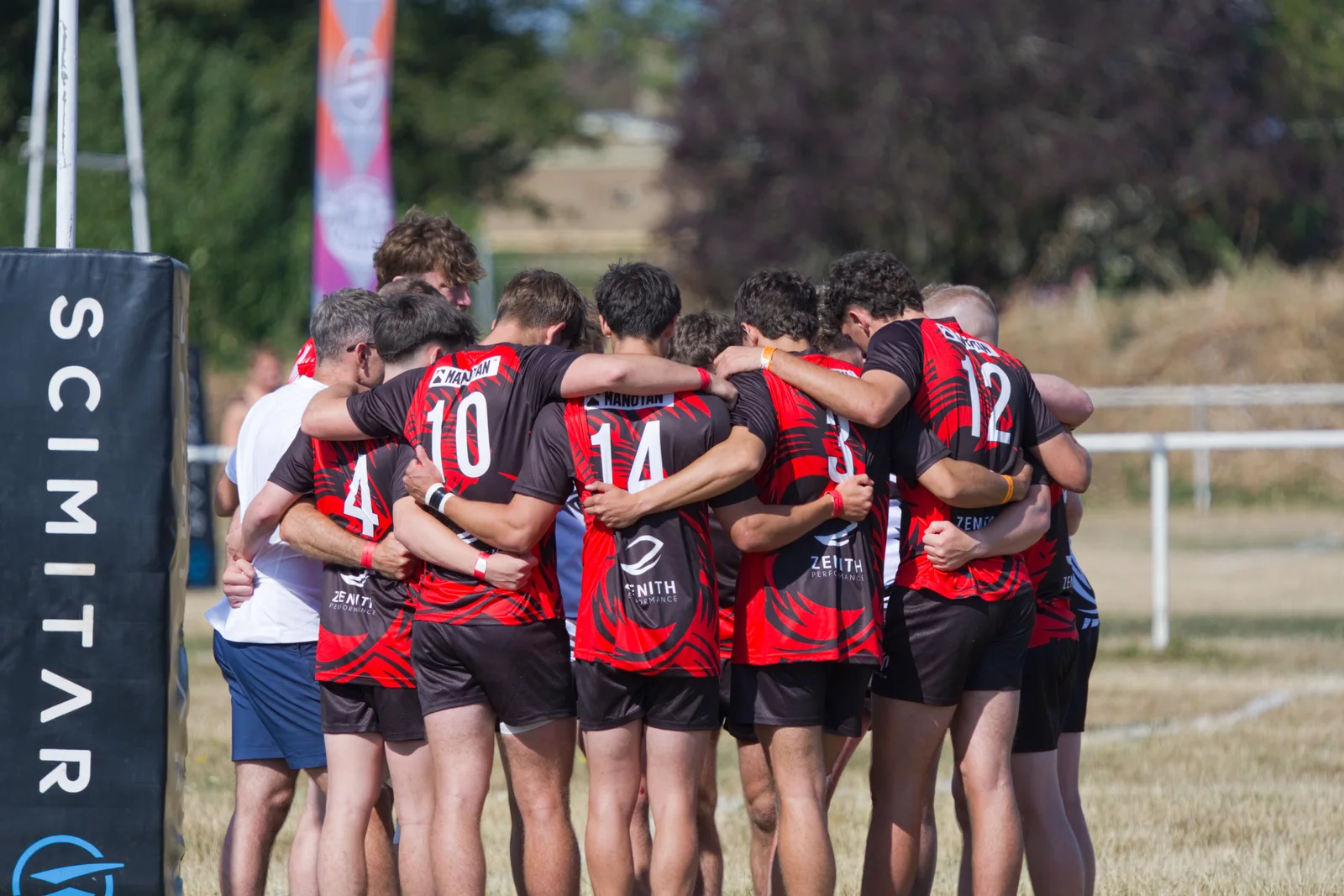
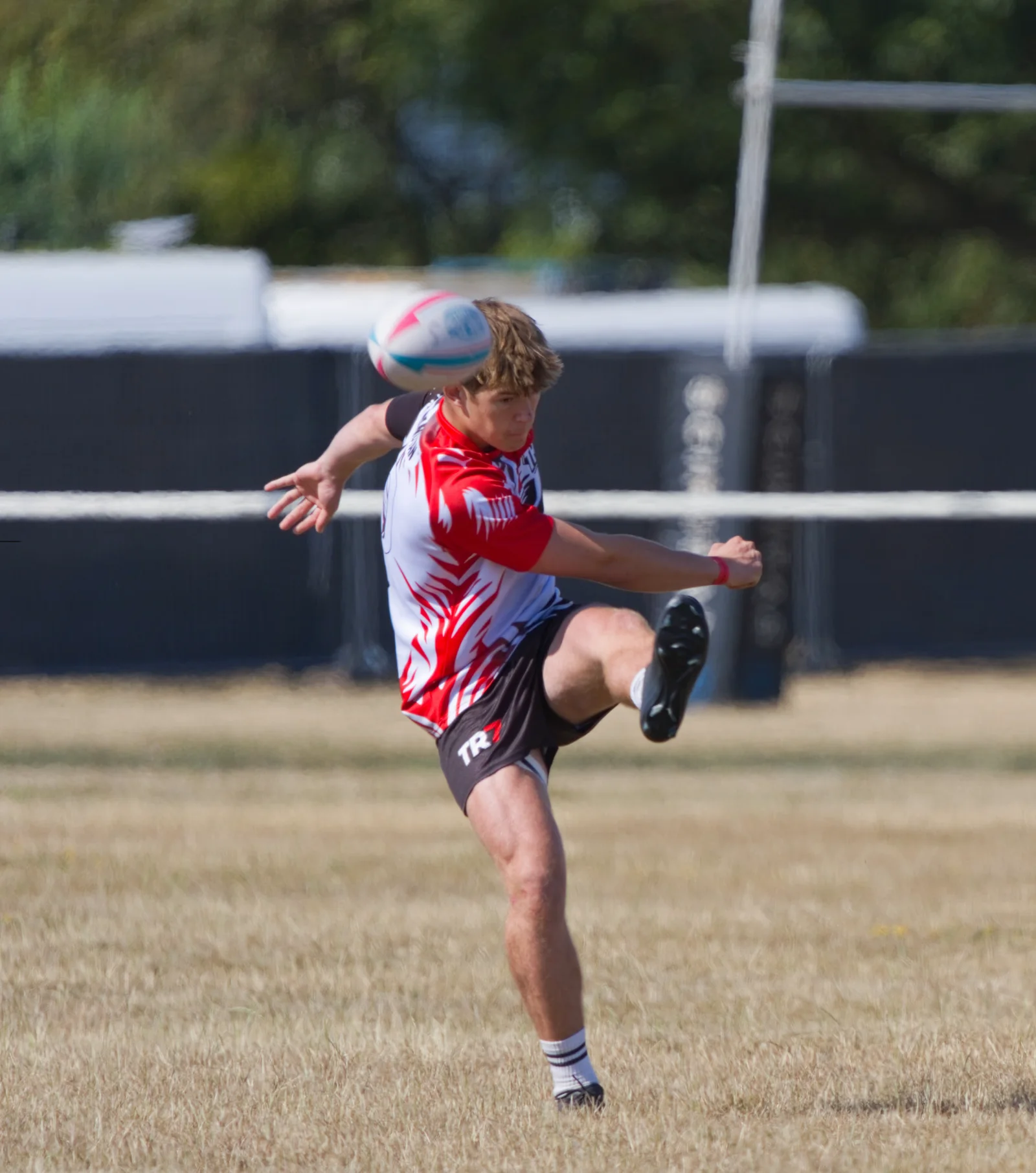
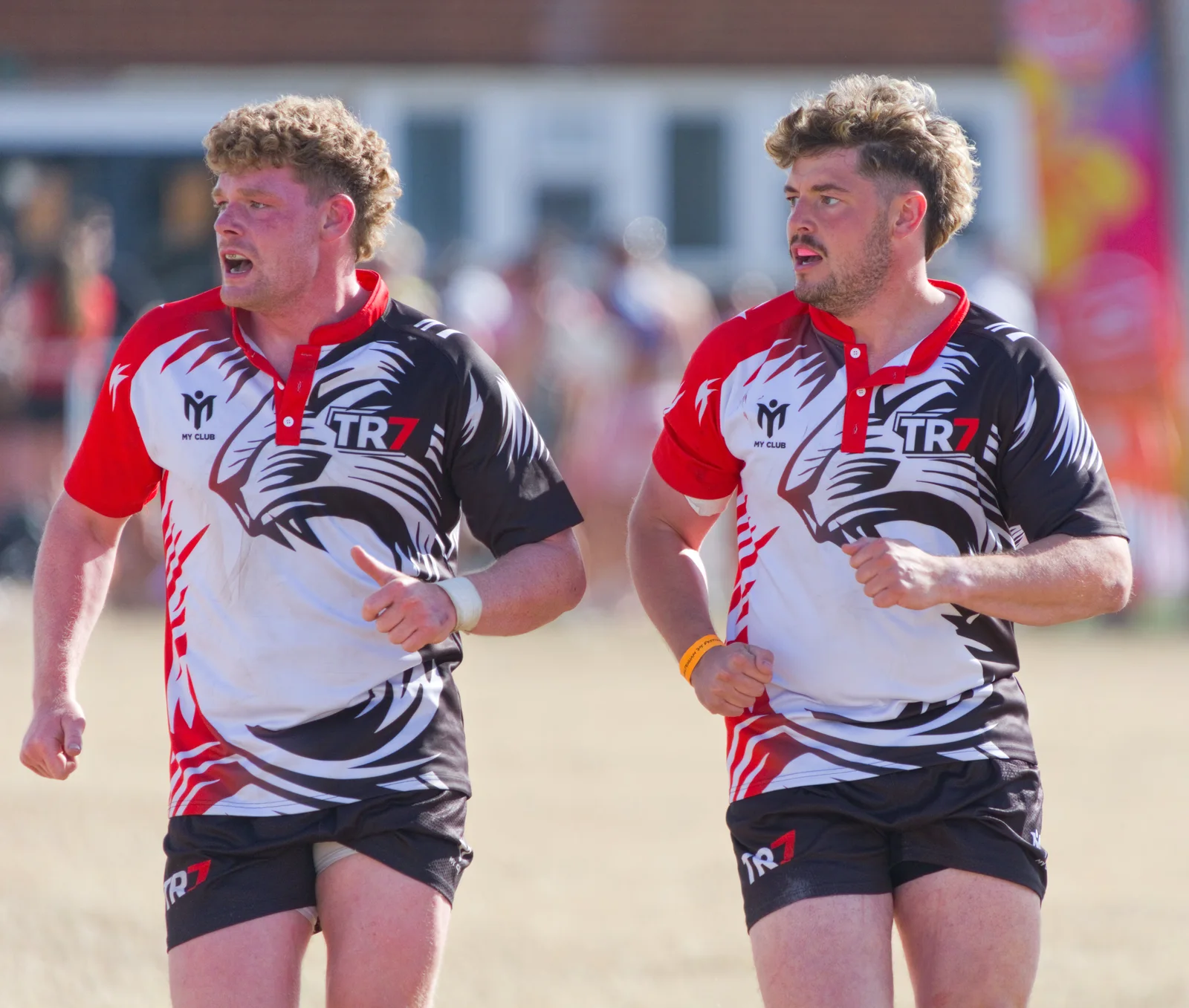
Our TR7 at Hamplified project is a good example of giving simultaneous disciplines their own people. One photographer and one videographer covered the team and the wider charity rugby event, producing separate films and approximately 200 photographs.
The photography could concentrate on complete still moments while the videographer protected continuous sequences.
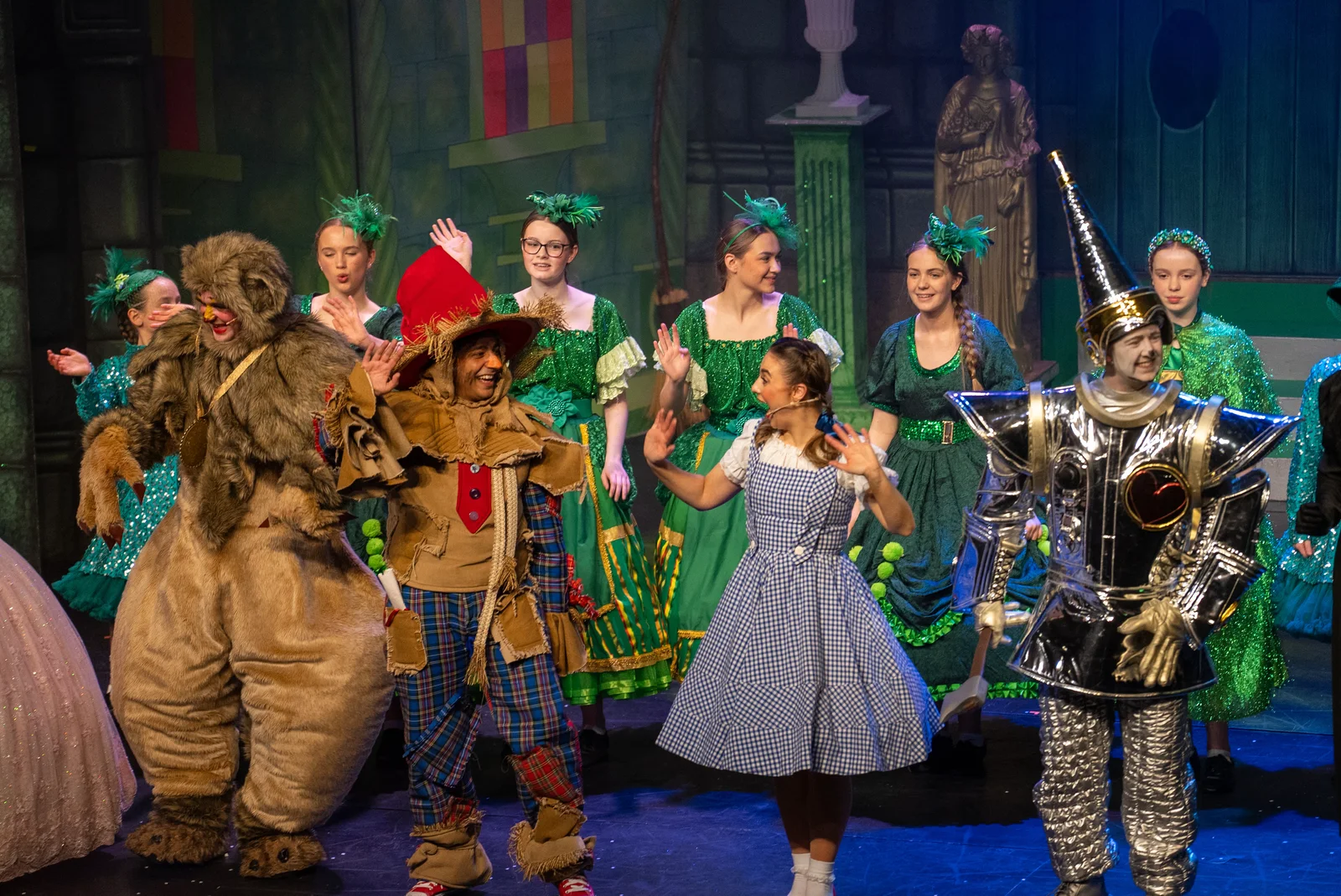
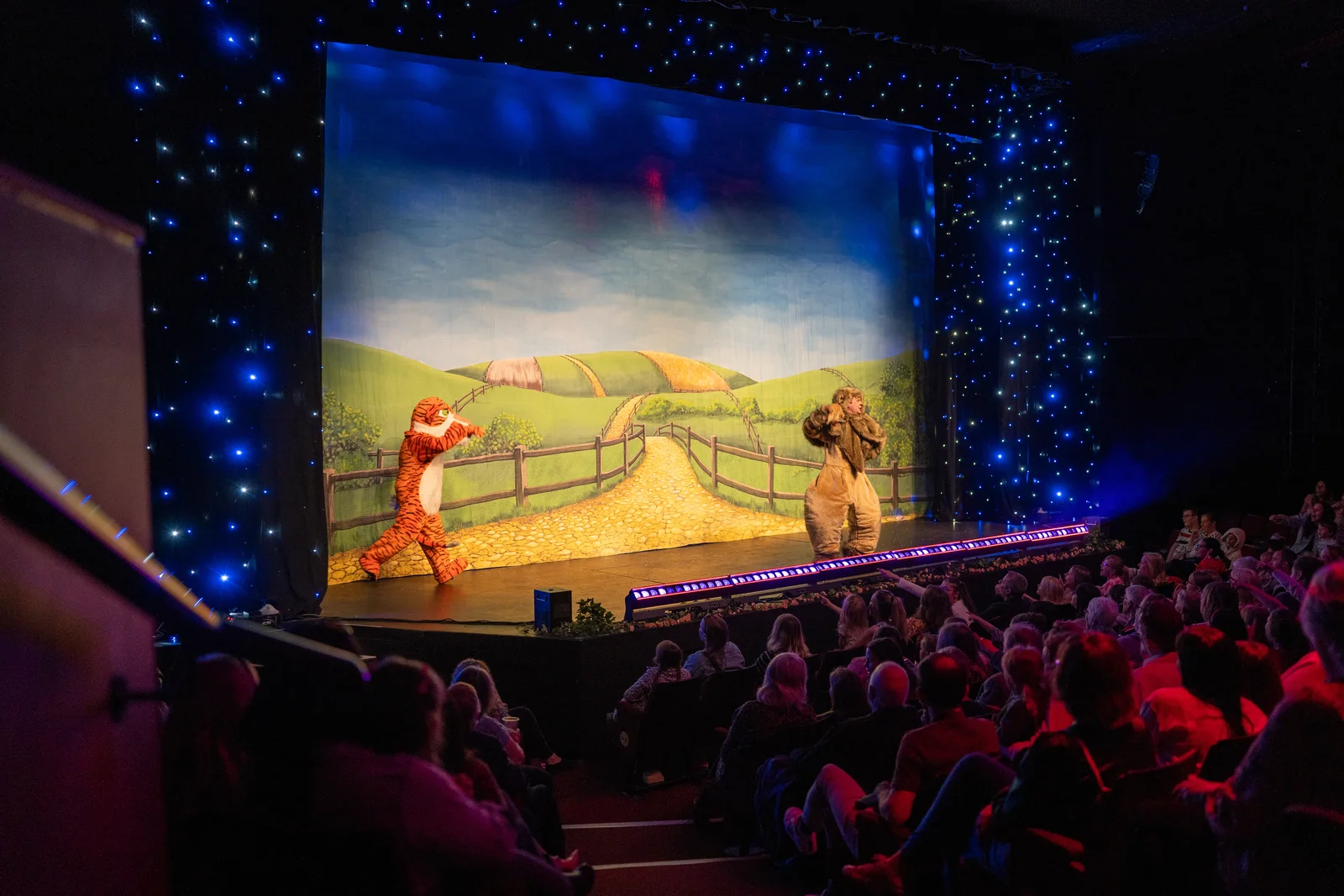
Likewise, for Polkadot Pantomimes at the Mercury Theatre, a dedicated photographer worked alongside the videographer during two live performances. The photographer captured a broad promotional gallery without flash while the video side maintained continuous multicamera coverage.
If you need both formats, our guide to booking photography and videography through one team explains why one supplier does not necessarily mean one person.
Does the number of guests change the price?
Not directly.
Two hundred attendees do not automatically cost twice as much to photograph as one hundred.
What matters is what those additional people do to the brief.
A larger event may create:
- more rooms;
- more simultaneous activity;
- more VIPs or speakers;
- more formal groups;
- greater travel across the venue;
- more sponsor obligations;
- more security or access restrictions;
- a larger finished image collection.
But a 500-person event with one stage and one clear programme can sometimes be simpler to cover than a 60-person event spread across several rooms.
Guest count is context.
The running order tells you what needs staffing.
Does faster image delivery cost more?
It can.
A full edited gallery delivered after the event is one workflow.
Ten finished images needed during the event for press, sponsors or social media is another.
Someone has to stop shooting, select the photographs, process them, export them and deliver them.
For some events, the photographer can build that into a quiet period.
For others, stopping would mean missing the programme.
In that case the practical answer may be an additional photographer, assistant or editor.
When requesting a quote, do not simply write:
“Same-day photos required.”
Say what you actually need.
For example:
We need eight edited landscape and portrait images by 3pm for LinkedIn and a press release. The complete gallery can follow afterwards.
That is something a production team can plan.
Our event photography service specifically treats priority selects and the complete gallery as potentially different delivery stages.
Is photo editing included?
For our standard event photography, normal event-photo processing is included.
Detailed retouching is different.
At the time of writing, we charge £49 per hour for separately agreed detailed retouching such as:
- detailed skin retouching;
- substantial background cleanup;
- object removal;
- compositing;
- background replacement;
- more complicated image manipulation.
Most documentary event photographs should not need that level of intervention.
The photographer should normally be solving backgrounds, exposure and composition during the event rather than expecting to rebuild every photograph afterwards.
But there are exceptions.
A formal sponsor portrait, hero image, campaign photograph or important publicity frame may justify more detailed treatment than the wider event gallery.
Agree that distinction before the event so everybody knows what “edited photographs” actually means.
What about travel?
Travel can materially change a quote, particularly for an event far from the photographer's base.
Our current travel structure is calculated from CO10 0JA.
For locations within 25 driving miles one way, travel is currently charged at £0.45 per mile for the estimated actual round trip.
Beyond that distance, mileage is waived and estimated round-trip driving time is charged at £49 per hour, rounded to the nearest 15 minutes.
One charging method applies, not both.
Other event-specific costs can include:
- parking;
- tolls;
- congestion or clean-air charges;
- accommodation;
- ferries;
- venue permits;
- specialist access.
These are agreed in the quotation rather than appearing as a surprise after the event.
If you are comparing photographers from different areas, compare the complete figure to get the photographer to the venue, not just the headline hourly rate.
What if the event overruns?
Events rarely behave perfectly.
Speakers run late.
Awards take longer.
Guests stay.
The final presentation starts 25 minutes after the schedule says it should.
Our planned bookings use complete hours, so a planned 90-minute job is booked as two hours.
For genuine unexpected overrun after the booked period, our current pricing can be charged in 30-minute increments per photographer:
- up to 30 minutes: £49.50;
- 31–60 minutes: £99.
For longer days and multi-day events, we quote the project around the actual schedule.
Whatever photographer you use, establish the overtime arrangement before the event.
The person authorising extra time should also be clear.
You do not want the photographer deciding whether to leave during a delayed awards ceremony while nobody can find the budget holder.
A useful price table for our current rates
The following figures are on-location production examples for one photographer using our current standard pricing. They are not universal UK event-photography averages and they are not fixed packages.
| Booked photography time | One photographer | Two photographers |
|---|---|---|
| 1 hour | £249 | £498 |
| 2 hours | £348 | £696 |
| 3 hours | £447 | £894 |
| 4 hours | £546 | £1,092 |
| 5 hours | £645 | £1,290 |
| 6 hours | £744 | £1,488 |
| 7 hours | £843 | £1,686 |
| 8 hours | £942 | £1,884 |
Standard event-photo processing is included. Travel and agreed extras are additional. No VAT is currently added to our prices.
For bookings longer than eight hours, multiple days or more complicated productions, a tailored quote is normally more useful than extending a simple hourly calculation indefinitely.
Why we are not publishing a made-up “UK average”
Search for event-photography prices and you will find all sorts of day rates, hourly figures and supposed national averages.
The problem is that those numbers often describe completely different products.
One might include:
- eight hours;
- two photographers;
- full gallery editing;
- travel;
- next-day previews;
- commercial usage.
Another may represent only attendance by one photographer.
A third could be a wedding rate.
A fourth might come from an old article that has not been updated for years.
A national average is not especially helpful if you do not know what sits inside it.
For a useful comparison, ask every supplier to price the same brief.
Then compare:
- coverage window;
- number of photographers;
- planning;
- normal image processing;
- detailed retouching;
- expected gallery;
- priority-image deadline;
- travel and expenses;
- intended usage;
- overtime and cancellation terms.
That gives you something real to compare.
For broader photography pricing beyond events, see our guide to how much a professional photographer costs in the UK.
What should you tell a photographer to get an accurate event quote?
You do not need to write a 20-page production brief.
Send enough information for the photographer to understand the shape of the day.
Date and venue
Include the full venue and useful access information if you have it.
A hotel conference suite, football ground and central-London venue create very different logistics.
Coverage times
Give both the public event times and when photography actually needs to begin.
If you want arrivals, setup or sponsor details before doors open, include them.
Running order
Highlight the moments that cannot be repeated:
- keynote speakers;
- awards;
- ribbon cutting;
- performances;
- product reveals;
- formal groups;
- VIP visits.
Simultaneous activity
Mention breakout rooms and anything important happening elsewhere at the same time.
This is the information that determines whether one photographer can reasonably cover the job.
Who and what matters
Name important people, sponsors, exhibitors, branding obligations and any groups that need formal photographs.
Do not assume the photographer will recognise everybody.
Where the photographs will be used
Website?
Press?
LinkedIn?
Sponsor reporting?
Next year's campaign?
Internal communications?
That influences what needs photographing and which orientations are useful.
Delivery deadlines
If images are needed during the event or first thing the following morning, state the exact requirement.
Photography restrictions
Tell the photographer about:
- people who should not be photographed;
- safeguarding procedures;
- confidential sessions;
- restricted areas;
- no-flash requirements;
- accreditation.
That planning often matters more than the camera itself.
An event gallery should earn its cost after the event
Photography is easier to justify when the images have jobs.
A conference gallery might supply:
- the event recap;
- individual speaker posts;
- future-event promotion;
- sponsor reporting;
- press coverage;
- recruitment or employer-brand material;
- internal communications;
- presentation decks;
- website updates.
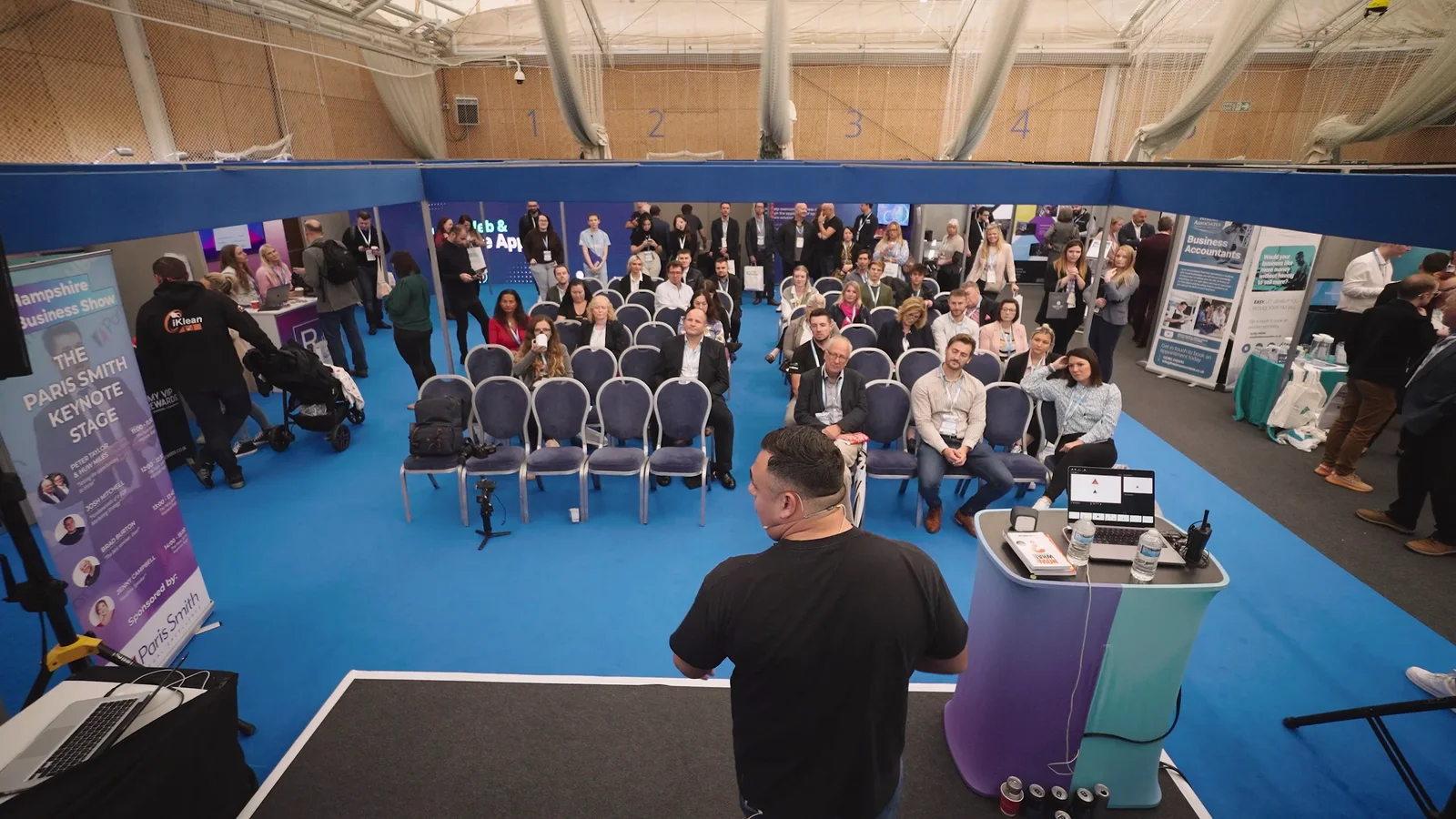
For our ongoing My Home Life England project, event photography sat alongside conference recording, interviews and highlight films at the organisation's 20th-anniversary event in London. The stills covered speakers, discussion, the reception, people and atmosphere while the wider production created several other resources from the same live date.
That is a useful way to think about event photography cost.
Do not only ask:
What does a photographer cost for four hours?
Ask:
What useful image library should we still have after those four hours are finished?
If you are planning an event, start with the event photography service, build the priorities using our event photography brief guide, or send us your date, venue and running order for an exact quotation.