
Event Photography: What Should You Ask Your Photographer to Capture?
The best event gallery does more than show that a room was busy. It should help someone who was not there understand what happened, who took part and what the occasion felt like.
For most events, the brief should cover the setting, key speakers or performers, important presentations, guests taking part, relevant branding and any required group photographs. But those categories are only a starting point. An awards organiser, an exhibitor and a charity hosting a fundraiser will each need different pictures from the same evening.
When booking professional event photography, explain which photographs you need afterwards, not just what is happening on the day. Then give the photographer enough information to protect those priorities without scripting every frame.
Decide where the photographs will go
Imagine opening the gallery the next morning. What will you actually need to send, publish or report back on?
A press release might need a clear photograph of the award recipient and presenter, with their names and the award title checked. A sponsor report might need its exhibition stand, a demonstration and people engaging with its team. Next year's event page might need a welcoming arrival, an interesting session and conversations that give potential visitors a reason to attend.
Those are more useful instructions than "get lots of content for social media".
Share examples of the layouts, too. A wide website banner with text across one side needs a different composition from a portrait image introducing a speaker. Ask for alternatives where they matter, rather than expecting every photograph to survive every crop. Our guide to photography for business websites explains why the intended placement belongs in the original brief.
Be clear about whose event the photographer is covering. A whole-event commission and a booking to photograph one exhibitor are not the same assignment, even when both happen in the same building.
Follow the event, not just the stage
A gallery needs a sense of progression. That does not mean photographing every minute equally; it means collecting the different kinds of picture that make the day understandable.
Before guests arrive
A clean photograph of the prepared room has a different purpose from a photograph of it full of people. Arrange access for both when the venue, production design or table settings matter.
Useful early photographs might include the entrance, stage, exhibition stand, awards, programmes and a wider view showing how the space fits together. They can also include the people making the event happen: volunteers preparing registration, a team checking its display or a speaker getting ready, where access has been agreed.
Check when the room will actually be finished. Booking early access is not much help if the branding is still in boxes. Equally, photographing the space before opening should not replace returning when guests are using it.
The moments that cannot happen twice
Mark the brief with the moments that deserve a photographer in position before they start: a reveal, an award presentation, a performance, a significant announcement or a guest's short appearance.
For talks, ask for a mixture of the speaker, a wider view that explains the room and relevant audience responses. During a panel, individual contributions and exchanges between panellists give you more options than several near-identical photographs of everyone behind a table.
Awards need particularly clear instructions. Who presents each one? Where does the recipient stop? Should the photograph show the handshake, the trophy, the sponsor backdrop or all three? Is there a separate winners' group afterwards?
For example, a brief could say:
Photograph each recipient with the presenter and award at the marked position, then capture the overall winners' group before they leave the stage. Our event coordinator will identify the people and confirm any changes to the order.
That is an illustrative instruction, not a fixed formula for every ceremony. It gives the photographer something practical to plan around. Agree the position with the stage manager and allow the moment to happen, rather than hoping everyone will face the same direction by chance.
What people are actually doing
Networking, questions, applause and demonstrations can show the value of attending more clearly than another photograph of the lectern.
At a workshop, ask for a short visual sequence: the room, the person leading the activity, participants trying it, a useful close detail and the result. At an exhibition, include a conversation or demonstration as well as the stand itself. At a fundraiser, remember the volunteers and supporters whose contribution might otherwise disappear behind photographs of the host.
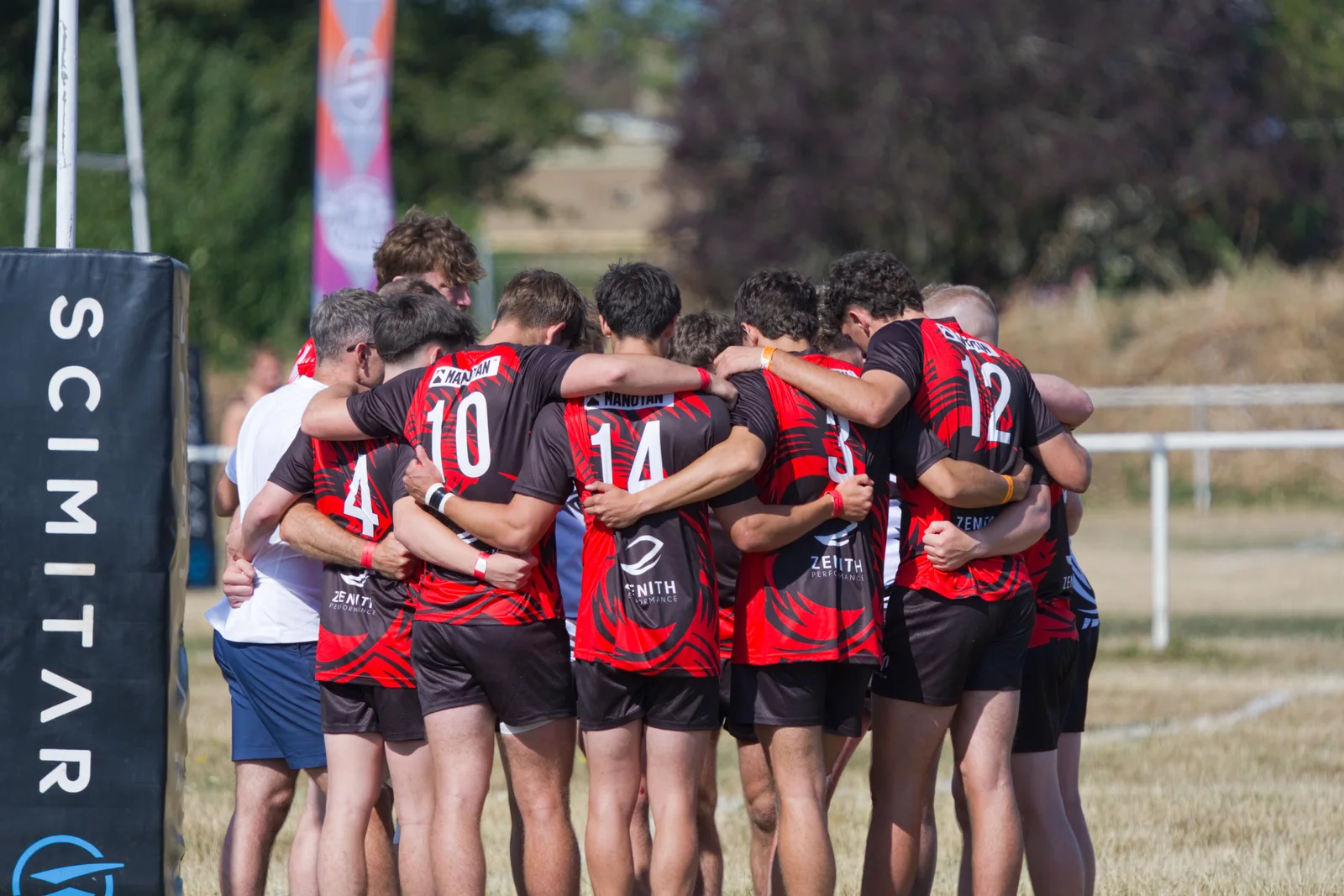
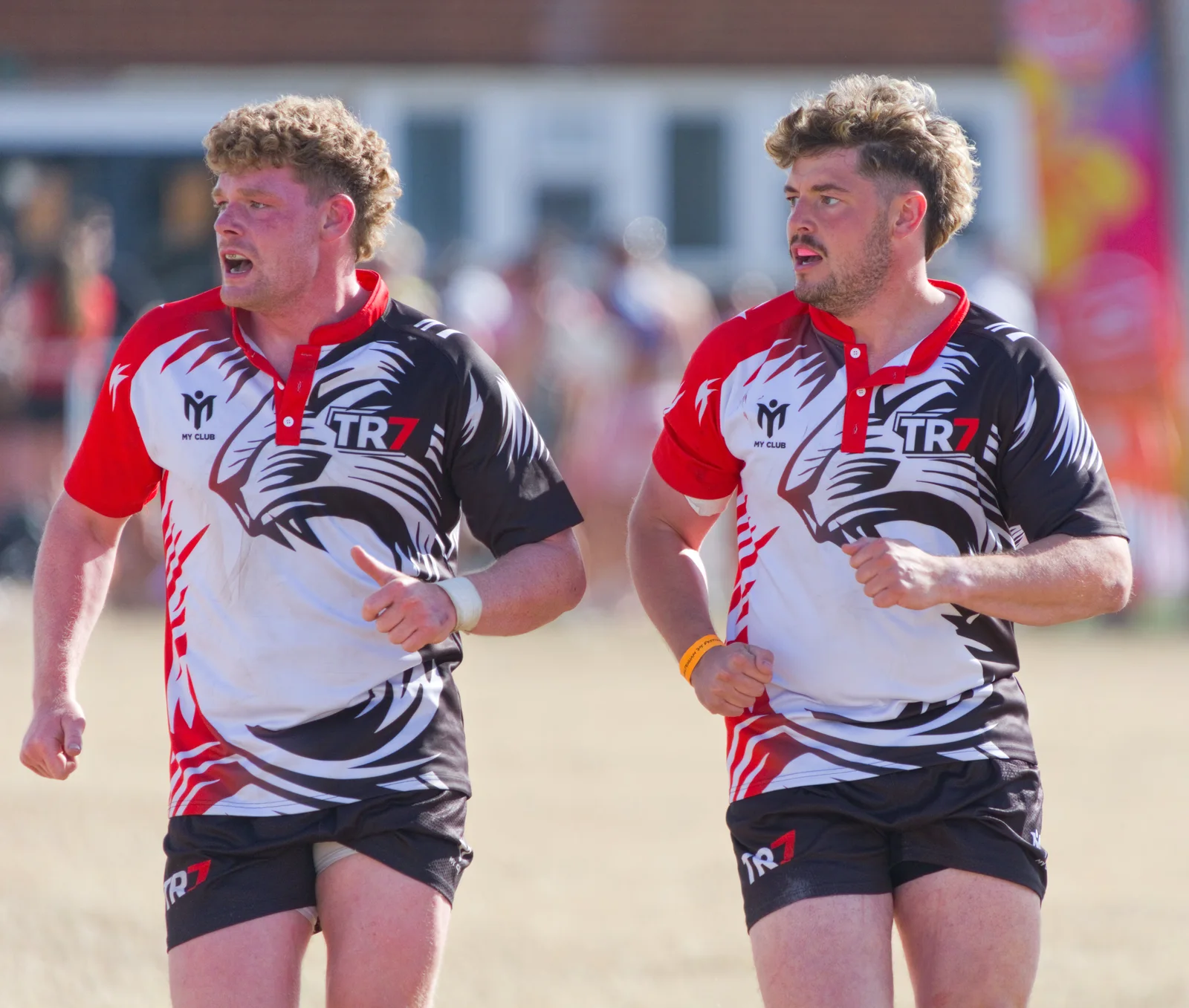
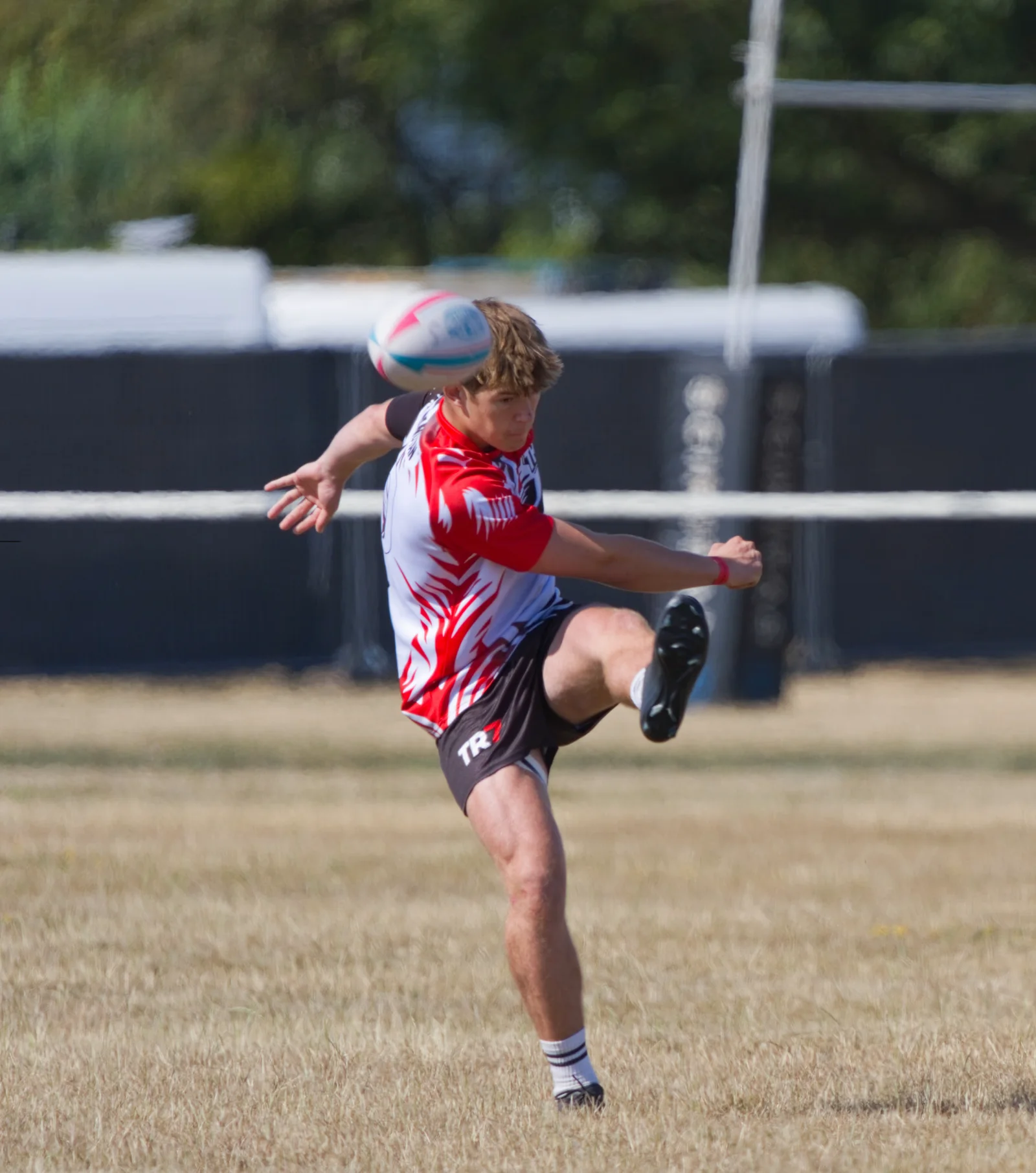
Our TR7 Cheltenham photography and video project shows this variety in a sporting setting. Alongside match action, the gallery includes players watching from the sideline, team conversations, celebrations and the wider event atmosphere. The photographs describe the day around the competition, not only what happened with the ball.
For a conference or business event, the equivalent is the discussion after a session, a question from the floor or a team working through an activity together.
Leave room for those observations. Constantly stopping conversations to arrange posed photographs can remove the very atmosphere you wanted to capture. Equally, candid does not mean indiscriminate: a private conversation or an unflattering mouthful of lunch is not automatically useful event coverage.
The details your partners need
If a sponsor has been promised particular photographs, put that requirement in the brief rather than leaving it inside a separate sponsorship agreement.
Specify the relevant brand, activity and deadline. "Photograph the partner's demonstration with its branding visible" is more helpful than "get the sponsors". You may also need a clean record of the stand or signage before visitors arrive.
Keep those records distinct from the photographs used to tell the wider event story. Both can be valuable, but a sequence of isolated logos is not a substitute for people taking part. Nor should a photograph suggest that a guest endorses a sponsor when they were simply standing nearby.
People need names, places and times
A running order tells the photographer when someone is speaking; it does not necessarily help them recognise that person at registration.
Provide a short list of essential people, their roles and any relevant introduction or access arrangements. Have someone available who can identify them. Confirm accurate names and titles for captions rather than expecting the photographer to reconstruct them afterwards from a room full of badges.
For group photographs, decide who belongs in each group, where they will gather and who will bring them together. Choose an accessible position that accommodates everyone comfortably. Schedule the photograph while the required people are still available, not as an afterthought when half the group has left.
Business portraits need their own allocation. Adding "headshots of the leadership team" to an event brief means allowing for lighting, a suitable background and individual attention. Our advice on planning a company headshot day is useful when portraits are a separate requirement within the booking.
Check what one photographer can realistically cover
A long shot list does not create more time or put one person in two rooms.
Compare the essential photographs against the schedule and venue layout. If a keynote, a sponsor demonstration and a VIP arrival overlap, decide which takes priority, adjust the timing or discuss additional coverage. Include the walk between rooms, security checks and any restrictions on movement.
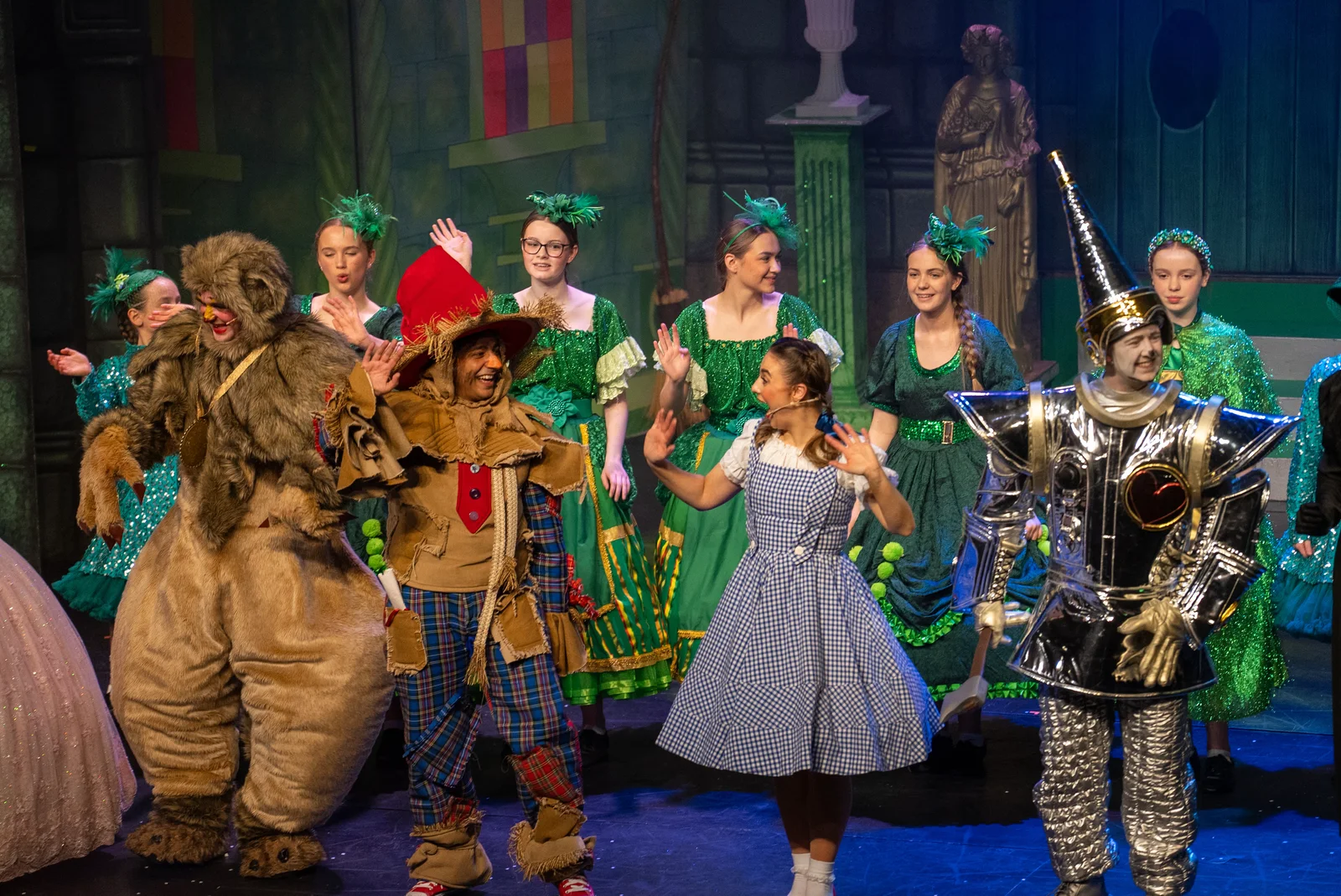
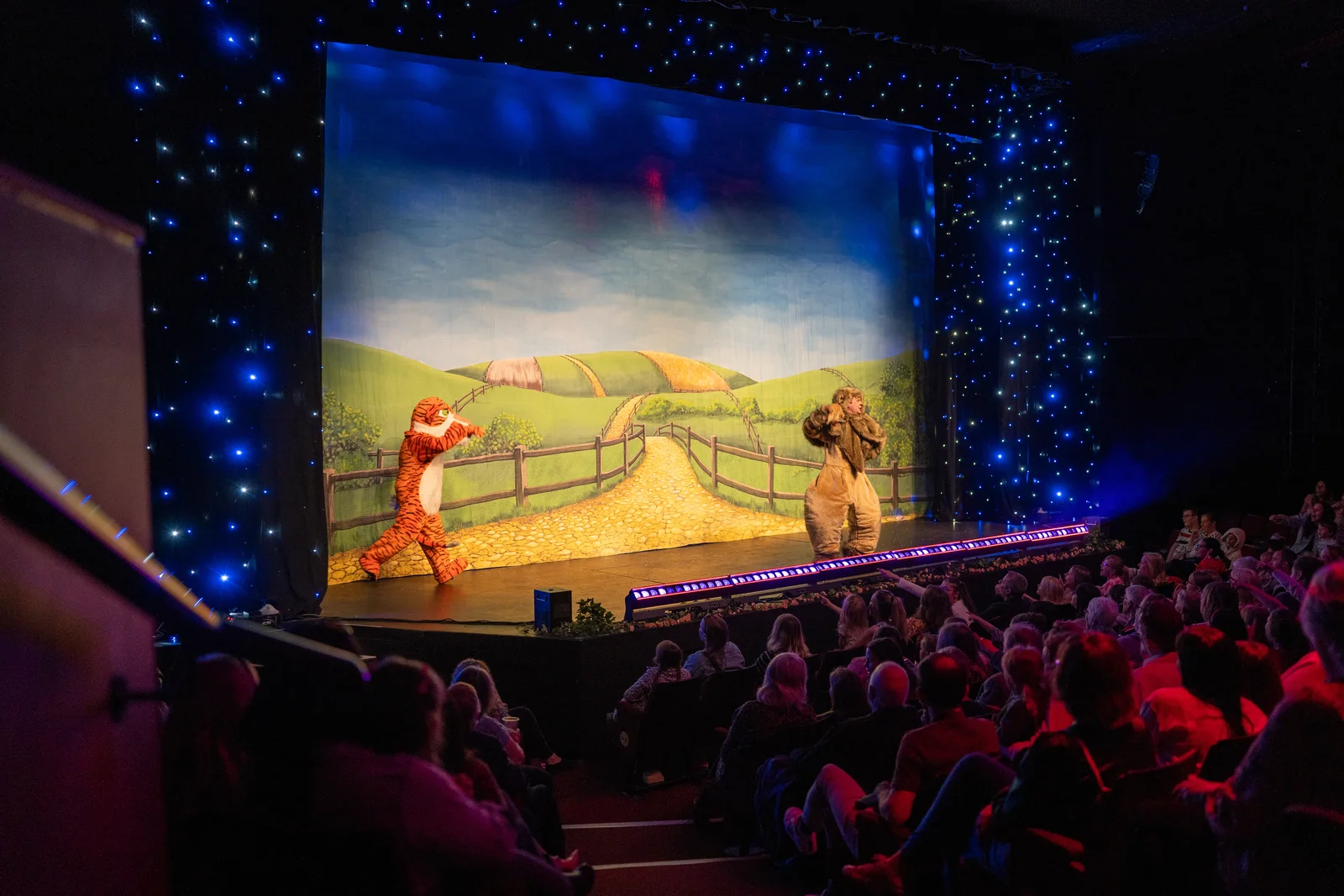
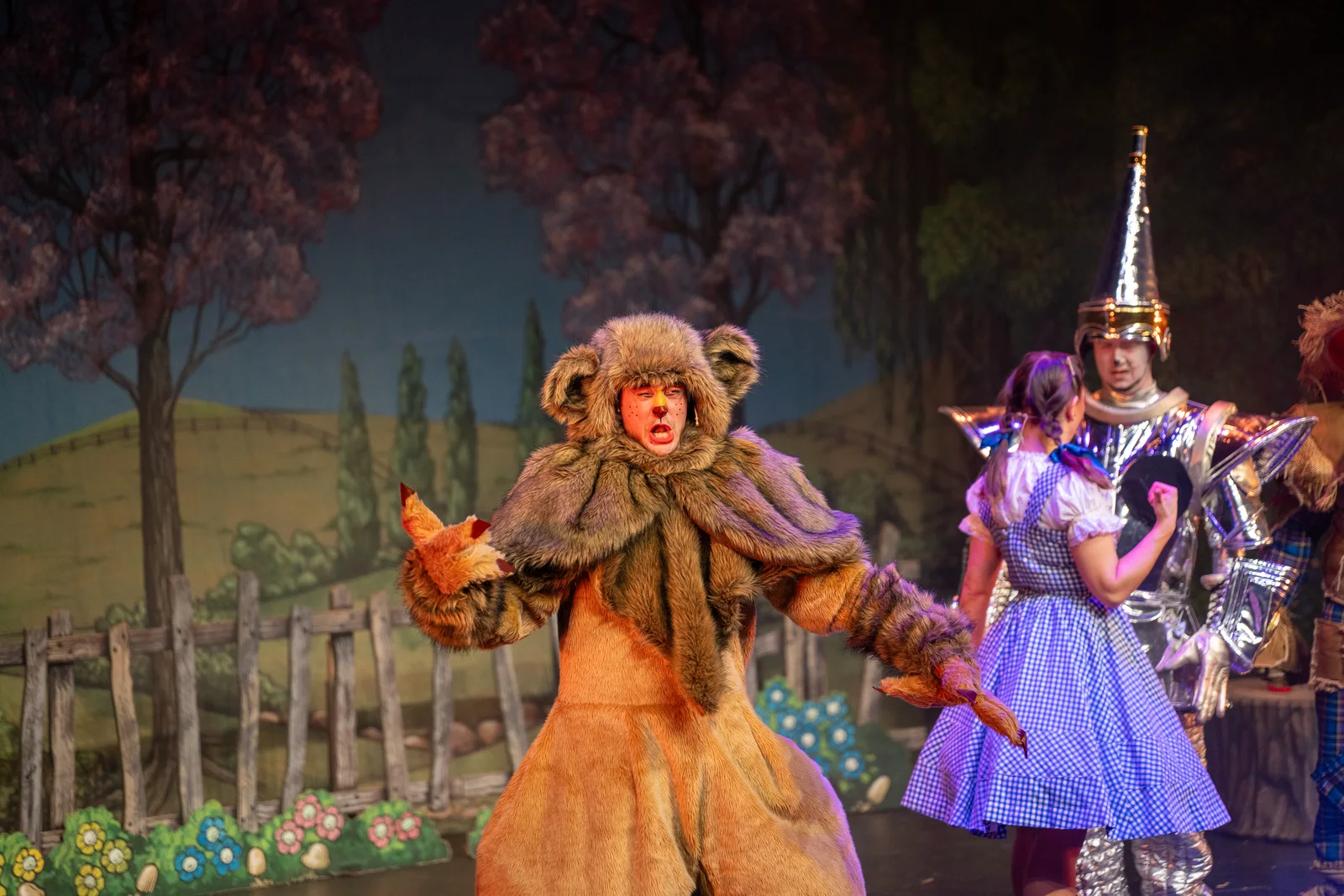
Explain the venue rules before the event, particularly around flash, stage access and where photographers can stand. During our Wizard of Oz theatre filming and photography project, the photographer worked without flash using the stage lighting. The coverage had to respect the audience and performance, not interrupt them to create a photograph.
Photography and event videography also need coordinated positions. A photographer crossing in front of a continuous recording, or a video tripod occupying the only useful stills angle, is an avoidable problem when both teams know the plan.
Booking photography and videography together can simplify that coordination. It does not automatically mean one operator can deliver both continuously. Agree who is responsible for each essential moment.
Our event photography cost guide explains the scope behind the quote. Compare the coverage window, people and finished delivery, not just the hourly rate.
Useful delivery starts in the brief
A small selection for an announcement and the complete edited gallery are separate deadlines.
Tell the photographer which pictures the first delivery must contain, who needs them and when. An awards press release may need a named winner; a social update might need a broader mix. Do not assume the fastest available selection will automatically suit both.
Agree a realistic opportunity to select, edit and send those images. If photographs must arrive while essential coverage continues, that may require a separate editor or additional support. Specify the delivery route and the person responsible for checking names and approving publication.
For the complete gallery, confirm the expected scope, file sizes, editing, delivery date and how long the files will remain available. Explain any need to share images with sponsors, speakers or the press so the agreed usage covers those plans. Standard event processing and detailed retouching should not be treated as interchangeable; our photography pricing information sets out the current starting point for that discussion.
A useful, well-selected gallery is the goal, not the largest possible number of files.
Include the things that should not be photographed
Briefing exclusions is just as important as requesting coverage. Confidential slides, attendee lists, private meetings, restricted areas and people with specific concerns should not become surprises on the day.
For organisational use of identifiable attendee photographs, ask whoever handles your data protection to confirm the lawful basis and privacy information. Do not treat attendance or an entrance sign as blanket permission for every later use. The ICO's guidance on legitimate interests explains why relying on that basis requires an assessment, not an assumption that promotional use is always acceptable.
The organiser and photographer should agree how restrictions, questions and requests will be communicated, and who will review images before wider sharing. Each party needs to understand its own responsibilities; the photographer should not be left to invent the event's policy at registration.
For events involving children, build the brief around a safeguarding plan. The NSPCC's photography and filming guidance recommends informing children and parents or carers, obtaining appropriate agreement and giving the photographer clear instructions. Agree how anyone not to be photographed will be identified without being singled out or excluded from activities.
Keep the final brief short enough to use
After the planning conversation, turn the decisions into a practical document rather than forwarding a collection of disconnected emails.
Separate essential, timed photographs, coverage to gather throughout the event and optional extras when the schedule allows. Attach the current running order, venue information, important names, restrictions and delivery requirements. Include a contact who can make decisions when timings change.
That document should make the trade-offs obvious. If the ceremony runs late, should the photographer stay for the final award or leave for a planned group elsewhere? Decide which matters more before both become urgent.
To discuss the coverage with us, send your event date, venue and draft running order, along with the pictures you know you will need. A good brief protects those photographs while leaving space for the unexpected moments that make the gallery feel like your event.